

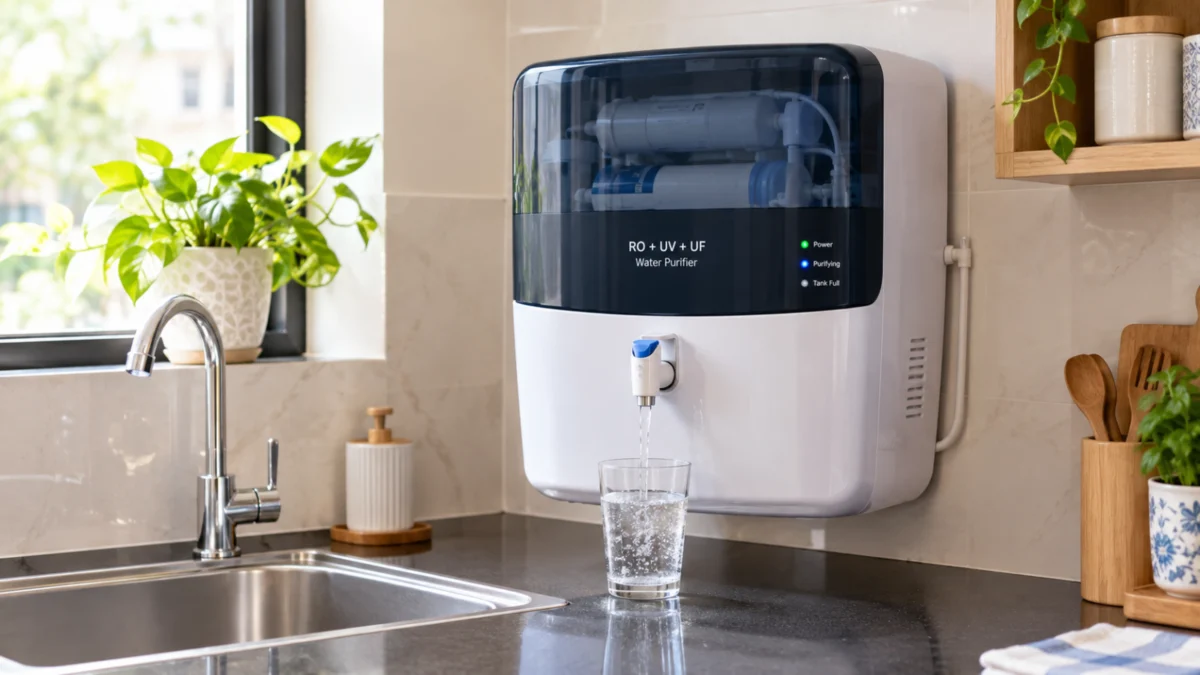
A Total Dissolved Solids (TDS) reading below 25 milligrams per liter (mg/L) on your Reverse Osmosis (RO) purifier might seem unusually low, prompting questions about water safety and potential mineral deficiencies. However, experts suggest that this number alone doesn’t tell the whole story. While TDS is a recognized metric for water quality, it’s crucial to understand its limitations and avoid drawing definitive conclusions solely based on this single reading.
Introduction: The Mystery of Low TDS
In the realm of household water purification, Reverse Osmosis (RO) systems have become a ubiquitous presence. These advanced purifiers employ a semi-permeable membrane to remove a wide array of impurities, including dissolved salts, minerals, and contaminants. A key indicator often monitored by users is the Total Dissolved Solids (TDS) level, which quantifies the aggregate concentration of dissolved substances in water. While ideal TDS levels can vary depending on regional guidelines and personal preferences, a reading consistently below 25 mg/L on an RO purifier can spark apprehension. This low figure raises two primary concerns: is water with such minimal dissolved solids inherently unsafe for consumption, and could this lack of minerals lead to a deficiency in essential nutrients like calcium and magnesium? To demystify these concerns, we delve into expert opinions and established scientific understanding.
The Nuances of TDS: A Measure, Not a Verdict
Dr. Udit Gupta, a Consultant in Nephrology and Renal Sciences at ISIC Multispeciality Hospital, emphasizes that a TDS reading, particularly a low one, is just one piece of the puzzle when assessing water quality. "The number alone does not answer either question," Dr. Gupta states, referring to the safety and mineral content queries. "TDS is one measure of water quality, but it should not be treated as a direct measure of safety."
Understanding Total Dissolved Solids (TDS)
TDS, as its name suggests, is a measure of the total concentration of all dissolved substances in water. This includes a broad spectrum of materials, ranging from beneficial minerals like calcium, magnesium, sodium, and potassium, to undesirable elements such as nitrates, sulfates, and heavy metals. The unit of measurement for TDS is typically milligrams per liter (mg/L) or parts per million (ppm).
"TDS measures the total amount of dissolved substances in water, including minerals and salts, but it is not a direct measure of harmful contaminants," Dr. Gupta clarifies. This distinction is critical. A high TDS reading could indicate the presence of beneficial minerals, but it could also signal elevated levels of harmful pollutants. Conversely, a low TDS reading might suggest a lack of minerals, but it doesn’t automatically guarantee the absence of dangerous contaminants.
The Safety of Low TDS Water: A Deeper Dive
The World Health Organization (WHO) does not establish a mandatory health-based limit for TDS in drinking water. The rationale behind this stance is that the available scientific evidence does not indicate that TDS itself poses a health risk at typical drinking water concentrations. This means that water with a TDS level below 25 mg/L is not inherently unsafe simply because it has very few dissolved solids.
The critical factors determining water safety are the presence or absence of harmful microbiological and chemical contaminants. A water source’s origin, the treatment processes it undergoes, and rigorous testing for pathogens and toxic substances are far more significant determinants of safety than a low TDS reading.
Consider this analogy: a pristine-looking car with a brand-new paint job might still have a faulty engine. Similarly, water with a low TDS might appear pure, but it could still harbor invisible threats if not properly tested. Conversely, water with a moderate TDS, indicating the presence of some dissolved minerals, could be perfectly safe if it’s free from harmful contaminants.
Therefore, the safety of water with a TDS below 25 mg/L hinges on comprehensive testing and knowledge of its source. If your RO system is effectively removing harmful contaminants, then the resulting low TDS is a testament to its efficacy in producing pure water, not a sign of danger.
Mineral Content: The Diet Connection
The second major concern surrounding very low TDS water is the potential for mineral deficiency, specifically regarding calcium and magnesium. These minerals are vital for numerous bodily functions, including bone health, muscle function, and nerve signaling.
"Very low TDS generally means that the water contains very small amounts of dissolved minerals such as calcium and magnesium," explains Dr. Gupta. However, he quickly adds a crucial caveat: "Most calcium and magnesium in our diet comes from food, not drinking water."
This statement underscores a fundamental dietary principle. While water can contribute to our daily mineral intake, it is typically not the primary source for most individuals. A balanced diet rich in dairy products, leafy green vegetables, nuts, and seeds generally provides ample calcium and magnesium.
Therefore, the claim that RO water routinely causes mineral deficiency is often overstated. For healthy individuals with a well-rounded diet, the reduced mineral content in highly purified water is unlikely to lead to a deficiency. The primary concern for such individuals would be the taste. Water with very low TDS tends to have a flatter, less appealing taste compared to water with a higher mineral content, which can influence palatability and hydration habits.
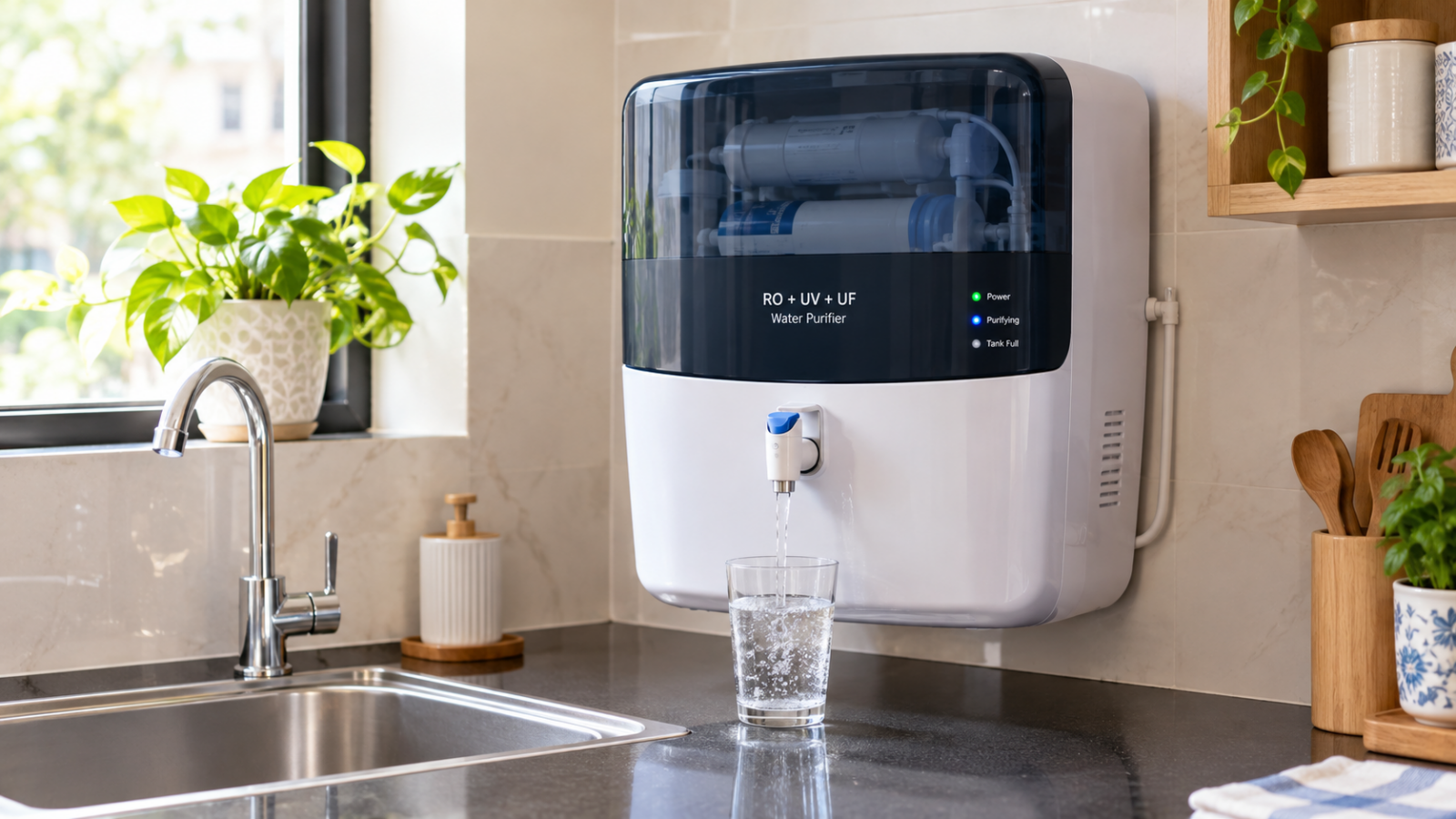
However, Dr. Gupta offers a prudent piece of advice for those who consistently consume highly purified, low-mineral water: "it is sensible to ensure that their overall diet provides adequate calcium and magnesium." This is a proactive measure to maintain optimal health, acknowledging that while drinking water may not be the main source, it can play a supplementary role.
Special Considerations: Medical Conditions and Dietary Needs
For individuals with pre-existing medical conditions, particularly kidney disease, or those with specific fluid or electrolyte requirements, the conversation around water consumption takes on added complexity. Dr. Gupta strongly advises caution in such cases. "People with kidney disease or other medical conditions should be more careful about changing their water source, particularly if they have specific fluid or electrolyte requirements," he states. "Dr. Gupta recommends discussing such changes with a doctor rather than making them on your own."
This recommendation stems from the fact that certain medical conditions can affect the body’s ability to regulate electrolytes and fluid balance. Altering the mineral content of drinking water, even if seemingly beneficial for general health, could inadvertently disrupt these delicate balances for individuals with specific medical needs. A healthcare professional can provide personalized guidance based on an individual’s medical history and current health status.
RO Settings: When to Intervene and When Not To
The instinct for many when encountering a low TDS reading might be to adjust their RO purifier’s settings. However, Dr. Gupta suggests a more measured approach. "A TDS reading below 25 mg/L, by itself, is not a reason to change your RO settings immediately," he advises.
Before considering any adjustments, it’s essential to understand the characteristics of your source water and the intended function of your RO system. If your source water is already very pure, an RO system might naturally produce water with a very low TDS. Conversely, if your source water has a high TDS, a well-functioning RO system should significantly reduce it, but the final reading might still be higher than 25 mg/L depending on the membrane’s efficiency and the initial TDS.
If, after understanding your source water, you still feel that the purification is excessively stringent, or if you desire a slightly higher mineral content for taste or other reasons, there are potential solutions. "If the water is being purified excessively, you may consider a properly maintained mineraliser or a suitable blending system, depending on the purifier and the source water," Dr. Gupta suggests. Mineralizers are add-on components that reintroduce beneficial minerals back into the purified water. Blending systems, on the other hand, can mix purified water with a portion of unpurified or partially purified water to achieve a desired TDS level. However, these interventions should be approached with careful consideration of their impact on overall water purity and safety.
The Paramount Importance of Maintenance and Holistic Assessment
Beyond the TDS number, the ongoing maintenance of your RO purifier is a non-negotiable aspect of ensuring water quality. A low TDS reading is not a substitute for regular servicing, filter replacements, and membrane checks. Neglecting maintenance can lead to a compromised purification process, potentially allowing contaminants to pass through.
"Another factor matters: maintenance. A low TDS reading does not replace regular servicing of the purifier or appropriate testing of the treated water," Dr. Gupta emphasizes. This highlights the need for a holistic approach to water quality management.
Ultimately, the goal is to ensure that the water you drink is safe and healthy. This involves looking beyond a single metric like TDS. "People should ensure that the water coming out of the purifier is microbiologically and chemically safe rather than chasing a particular TDS number," he states.
Dr. Gupta succinctly summarizes this philosophy: "TDS should be one parameter, not the only target." This means that while TDS is a useful indicator, it should be considered alongside other crucial factors.
Conclusion: A Balanced Perspective on Low TDS Water
In conclusion, if your RO water consistently shows a TDS reading below 25 mg/L, there is no immediate cause for panic. This low reading primarily signifies that the water has been effectively stripped of dissolved solids, including minerals. However, it does not inherently indicate unsafe water. The safety of your drinking water is determined by its freedom from harmful contaminants, which is achieved through proper purification processes and regular maintenance.
To make an informed decision about your water, consider the following:
- Understand Your Source Water: Knowing the initial quality of your tap water provides context for your RO system’s output.
- Prioritize Maintenance: Adhere to the recommended servicing schedule for your RO purifier, including filter and membrane replacements.
- Consider Comprehensive Testing: Periodic testing for microbiological and chemical contaminants can provide a more complete picture of your water’s safety.
- Evaluate Your Diet: Ensure your overall diet provides adequate calcium and magnesium, especially if you consistently consume very low-TDS water.
- Consult Professionals: For individuals with specific health conditions or concerns, consulting a doctor or a water quality specialist is paramount.
By adopting a balanced perspective and focusing on the comprehensive aspects of water quality, you can confidently ensure that the water you drink is both safe and beneficial for your health. The TDS number is a clue, not a definitive answer, and understanding its limitations is key to making informed choices about your hydration.
Disclaimer: This article is based on information from the public domain and expert opinions. Always consult your health practitioner before making any significant changes to your water consumption or purification routines.
