

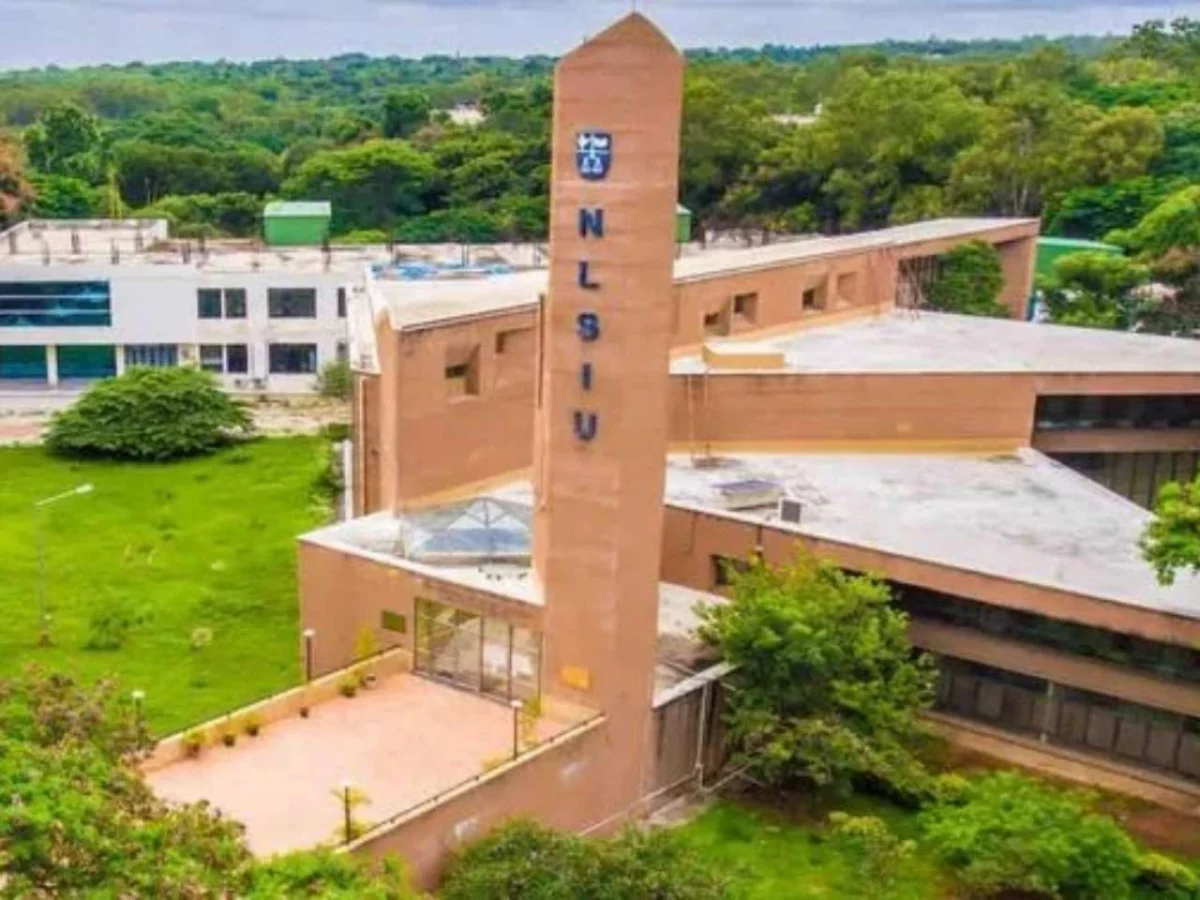
Bengaluru, India – The prestigious National Law School of India University (NLSIU), Bengaluru, has made the unprecedented decision to cancel its 34th Annual Convocation for the graduating class of 2026. The abrupt cancellation, announced on August 27th, comes after a significant controversy erupted over the proposed presence of Chief Justice of India (CJI) Surya Kant and the Chairman of the Bar Council of India (BCI), Manan Kumar Mishra, as chief guests at the ceremony. This development casts a shadow over the academic milestone for hundreds of aspiring legal professionals and highlights a growing tension between student voices and institutional decisions within India’s top law schools.
The university, which had initially scheduled the convocation for September 12th, cited "unavoidable circumstances" as the reason for its postponement. In a notice issued to the graduating students, NLSIU stated, "Despite our collective best efforts, due to unavoidable circumstances, we are unable to hold the 34th Annual Convocation." The degrees for all graduating students will now be conferred in absentia, subject to the approval of the university’s governing bodies. Students will be given the option to receive their certificates via courier or collect them from the campus, with further details to be disseminated shortly.
)
The Genesis of the Controversy: Student Objections and a Wider Precedent
The cancellation at NLSIU is not an isolated incident but appears to be intricately linked to a similar controversy that recently unfolded at the National Academy of Legal Studies and Research (NALSAR) University of Law in Hyderabad. Students at both institutions reportedly expressed strong reservations about the proposed attendance of CJI Surya Kant and BCI Chairman Manan Kumar Mishra. While the exact nature of the students’ objections has not been fully detailed by NLSIU, it is understood to stem from a broader sentiment regarding the perceived politicization of academic ceremonies and concerns about the independence of legal education.

At NALSAR, the initial student dissent led to a significant backlash from the Bar Council of India. The BCI had initially issued a directive freezing the enrolment of NALSAR’s entire 2026 graduating batch with state bar councils, pending an inquiry into the matter. This move was widely seen as punitive and an attempt to stifle student dissent. However, following a reassessment, the BCI eventually withdrew the restriction, concluding that the majority of students had not intended to engage in any act of disrespect. This resolution at NALSAR, while averting a crisis for its students, may have inadvertently set a precedent and emboldened students at other institutions to voice similar concerns.
)
A Chronology of Events Leading to the Cancellation
The timeline of events leading to NLSIU’s drastic decision can be pieced together as follows:
)
- Initial Notification: NLSIU Bengaluru had previously communicated to its graduating batch of 2026 that the 34th Annual Convocation was scheduled for September 12th. Invitations to distinguished guests, including CJI Surya Kant and BCI Chairman Manan Kumar Mishra, were reportedly extended and accepted.
- Emergence of Student Objections: Around the same time, or shortly thereafter, reports emerged of a segment of the graduating students at NLSIU voicing their strong objections to the proposed presence of the aforementioned dignitaries. The specific reasons for these objections remain somewhat opaque in the public domain, but they are believed to be connected to wider concerns about institutional autonomy and the role of the judiciary and the BCI in academic affairs.
- Escalation of the Controversy: The student objections, amplified by the recent NALSAR episode, created a palpable tension within the university. Discussions and potential deliberations likely took place between the student representatives, the university administration, and possibly even external bodies.
- The NALSAR Precedent and BCI’s Role: The unfolding events at NALSAR, where student dissent led to a BCI inquiry and subsequent withdrawal of sanctions, likely influenced the dynamics at NLSIU. The BCI’s initial strong stance at NALSAR may have been perceived as an overreach, fueling further apprehension among students at other premier law schools.
- University’s Decision: Faced with the escalating controversy and the potential for further disruption, the NLSIU administration ultimately made the decision to cancel the convocation. This decision was communicated to students via an official notice issued on August 27th.
- Announcement of In Absentia Degrees: Following the cancellation, the university clarified that degrees would be conferred in absentia, with students having options for receiving their certificates.
Supporting Data and Context: The Significance of NLSIU and Convocation
NLSIU Bengaluru is widely recognized as one of the premier legal education institutions in India, consistently ranking at the top of national law university rankings. Its graduates are highly sought after by top law firms, corporations, and public sector organizations, both domestically and internationally. The convocation ceremony is a significant event in the academic calendar, marking the culmination of years of rigorous study and achievement for the students, and often serving as a platform for distinguished personalities to impart wisdom and inspiration.
)
The decision to cancel such a pivotal event underscores the gravity of the situation. While the university has not provided a detailed breakdown of the "unavoidable circumstances," the direct link to student objections and the involvement of high-profile figures from the judiciary and the bar council suggests a complex interplay of factors. The absence of a formal, in-person ceremony means that students will miss out on a traditional rite of passage, the opportunity to celebrate their achievements with peers and faculty in person, and the chance to receive their degrees from distinguished guests.
)
Official Responses and Reactions
The NLSIU administration’s official statement, citing "unavoidable circumstances," has been met with a mix of understanding and criticism. While some may acknowledge the difficult position the university was placed in, others question the rationale behind cancelling the entire event rather than seeking alternative solutions.
)
A notable reaction came from Saurav Das, co-convenor of the "Cockroach Janta Party," who expressed a hopeful sentiment for the graduating students. "I hope the NLSIU graduating batch organises its own graduation ceremony and invites the most honourable guest to felicitate them. Do it the Gen-Z way!" Das’s comment, though informal, points towards the possibility of student-led initiatives to reclaim the celebratory aspect of their graduation. This suggestion, while perhaps unconventional, reflects a desire among students to find agency and celebrate their achievements on their own terms, especially when institutional avenues are perceived as compromised.
)
The Bar Council of India, which was central to the NALSAR controversy, has yet to issue a formal statement regarding the NLSIU cancellation. However, its earlier actions at NALSAR suggest a proactive stance in managing issues related to its members and the legal fraternity. The CJI’s office has also remained silent on the matter.
)
Implications for Legal Education and Student Activism
The NLSIU convocation cancellation has several far-reaching implications:
)
- Student Voice and Institutional Autonomy: This incident highlights the growing assertiveness of students in India’s premier educational institutions and their willingness to question and challenge institutional decisions. It raises questions about the balance of power between students, university administrations, and external regulatory bodies like the Bar Council of India.
- The Role of the Judiciary and Bar in Academia: The controversy brings to the fore the sensitive relationship between the judiciary, the bar, and academic institutions. Concerns about the judiciary and bar council’s influence on legal education and the potential for such influence to impact academic freedom are likely to be amplified.
- Future of Convocation Ceremonies: The cancellation may prompt other universities to re-evaluate their guest selection processes and consider more inclusive and less controversial choices for their convocation ceremonies. It could also lead to a greater emphasis on student consultation in such matters.
- Impact on Student Morale: For the graduating students, the cancellation represents a significant disappointment. The in absentia conferment of degrees, while a practical solution, deprives them of a cherished academic ritual and the opportunity for collective celebration and recognition.
- Precedent for Further Action: The way this situation is handled by NLSIU and other stakeholders could set a precedent for how similar controversies are addressed in the future, potentially influencing the dynamics of student activism and institutional governance in India’s higher education sector.
As the dust settles on this unfortunate event, the focus will likely shift towards how NLSIU and the broader legal education community address the underlying issues that led to this cancellation. The incident serves as a stark reminder of the evolving landscape of student engagement and the critical need for transparent and consultative governance in India’s esteemed academic institutions. The graduating students of NLSIU, though denied a traditional convocation, will undoubtedly carry the lessons learned from this experience as they embark on their legal careers.
