

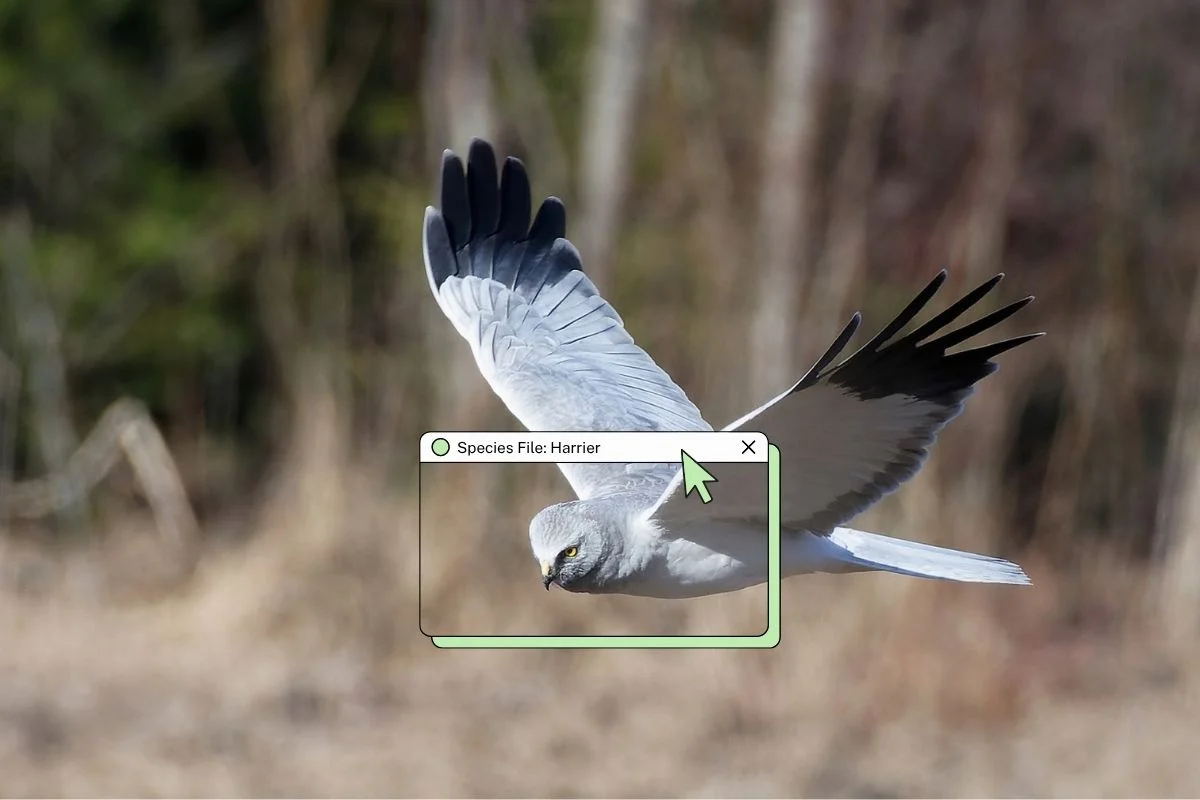
Every year, as the biting winds of the Siberian winter begin to sweep across the steppes of Central Asia and the vast plains of Russia, a remarkable biological exodus begins. Thousands of slender-bodied birds of prey, known as harriers, take to the skies. To reach their wintering grounds, these raptors undertake one of nature’s most grueling journeys, circumventing or traversing the formidable heights of the Himalayas to descend into the warm, golden grasslands of the Indian subcontinent.
Arriving typically around July, these migratory raptors are more than just seasonal visitors; they are integral components of the Indian grassland ecosystem. However, recent scientific findings and long-term population data suggest that these "sentinels of the savanna" are facing an uphill battle for survival. From their unique role as "grassland gardeners" to the mounting pressures of land-use change, the story of the harrier is a microcosm of the broader crisis facing India’s neglected grassland biomes.
Main Facts: The Biology and Diversity of India’s Harriers
Harriers belong to the genus Circus, a name derived from the Greek word kirkos, referring to their characteristic circling flight patterns. Unlike many other raptors that hunt from high-altitude thermals or concealed perches, harriers are low-fliers. they hunt by day, gliding just a few meters above the vegetation in a distinctive zigzag pattern, using both keen eyesight and acute hearing to detect movement in the undergrowth.
The Six Visiting Species
Of the 16 harrier species recognized globally, six are regular winter migrants to India:
- Montagu’s Harrier (Circus pygargus): Known for its elegant flight and long, narrow wings.
- Pallid Harrier (Circus macrourus): A pale, ghostly raptor often found in dry open plains.
- Hen Harrier (Circus cyaneus): Often found in the northern parts of the country.
- Pied Harrier (Circus melanoleucos): Strikingly patterned in black and white, predominantly found in eastern and north-eastern India.
- Eurasian (Western) Marsh Harrier (Circus aeruginosus): Larger and more robust, typically associated with wetlands and reed beds.
- Eastern Marsh Harrier (Circus spilonotus): A visitor to the marshes of East India.
Unique Behavioral Traits
Harriers exhibit behaviors that distinguish them from other birds of prey. One of the most visually stunning displays is the "mid-air food pass." During the breeding season and sometimes during migration, mated pairs perform a suave aerial maneuver where the male drops a kill from a height, and the female flips upside down to catch it in mid-air with her talons.
Furthermore, harriers are unusual among raptors for being ground-nesters and communal roosters. While most hawks and eagles prefer the safety of high trees or cliff faces, harriers sleep and nest on the ground amidst tall grass. This makes them exceptionally vulnerable to terrestrial predators and human disturbance. In India, they are known to gather in massive communal roosts. The Velavadar Blackbuck National Park in Gujarat famously hosts what is documented as the world’s largest communal roost of harriers, where thousands of birds from different species gather at dusk to sleep in the safety of the protected grasslands.
Chronology: A Seasonal Lifecycle
The presence of harriers in India follows a strict phenological calendar, tied to the climate of the Northern Hemisphere.
- April – June (Breeding): The birds occupy the vast steppes of Russia and Central Asia. Here, they breed in the lush summer grasslands, raising chicks on a diet of voles and small birds.
- July – September (Arrival): As the northern autumn approaches, the birds begin their southward migration. They arrive in India just as the monsoon rains have turned the dry plains into lush, green landscapes teeming with insects and small prey.
- October – February (Overwintering): This is the peak period for harrier activity in India. They spread across the Deccan Plateau, the Gangetic plains, and the desert margins of Rajasthan and Gujarat. It is during this time that they perform their essential ecological services.
- March – April (Return Migration): As the Indian summer begins to heat the plains, the harriers depart, heading back north to complete their annual cycle.
Supporting Data: Ecological Roles and Population Trends
Recent research has shed light on a previously unknown ecological role played by these birds: "endozoochory," or the dispersal of seeds through the digestive tract.
The Grassland Gardeners
A study focusing on the Pallid and Montagu’s harriers revealed that these birds act as accidental gardeners. Harriers consume smaller birds and mammals that have guts full of seeds. Because the harriers’ digestive systems do not always destroy these seeds, they are later expelled in "pellets" (undigested material regurgitated by the birds) or droppings, often kilometers away from the original source. This process helps maintain the floral diversity of grasslands, ensuring that plant species can migrate and colonize new areas.
The Decline: 1985–2015
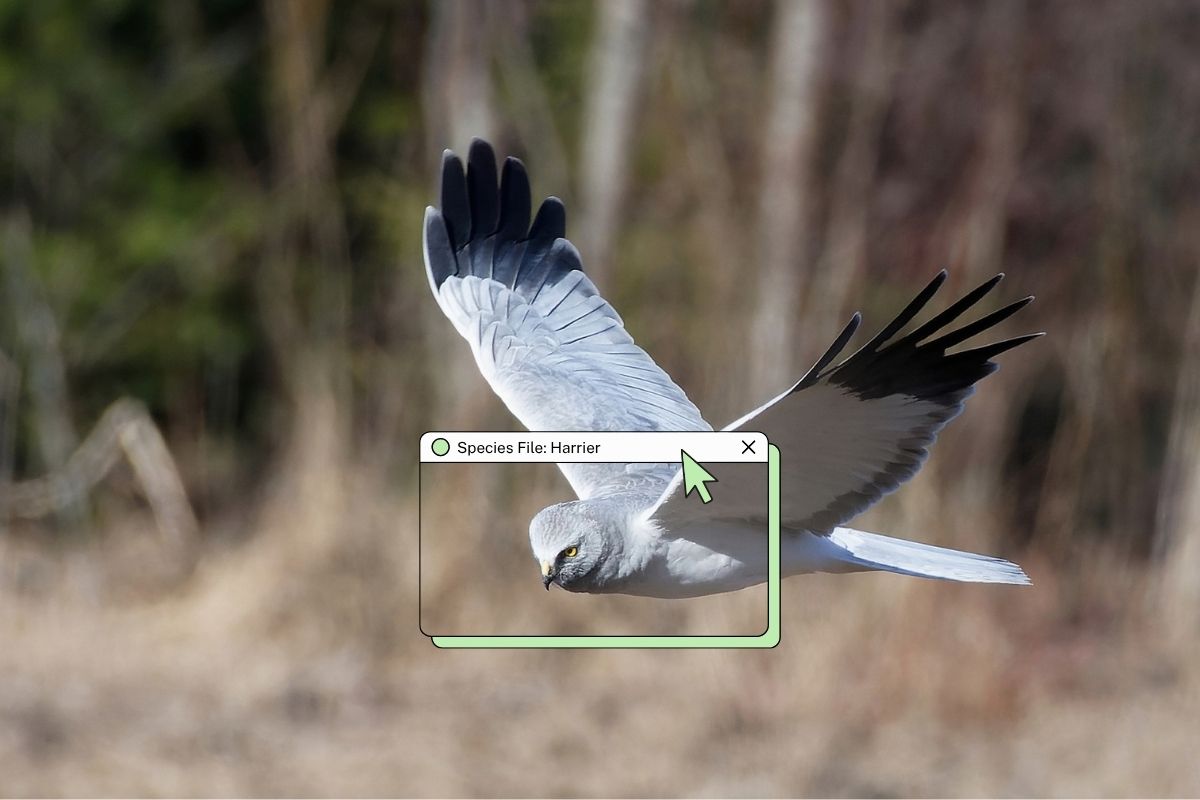
Despite their ecological importance, data from the Ashoka Trust for Research in Ecology and the Environment (ATREE) Harrier Watch programme paints a somber picture. Long-term monitoring of communal roosts between 1985 and 2015 indicates a significant decline in the number of wintering harriers.
In some traditional roosting sites, numbers have plummeted by over 50%. This decline is not attributed to a single factor but a "death by a thousand cuts" affecting their wintering habitats. The loss of prey, particularly grasshoppers and locusts due to the heavy use of chemical pesticides in surrounding agricultural fields, has reduced the "carrying capacity" of the land, meaning the environment can no longer support the large numbers of birds it once did.
Official Responses and Legal Framework
The Indian government and international conservation bodies have recognized the plight of the harrier, though critics argue that protection on paper has not translated to protection on the ground.
Legal Status
In India, harriers are afforded the highest level of legal protection. They are listed under Schedule I of the Wildlife (Protection) Act, 1972. This status grants them the same level of legal protection as the Bengal tiger or the Asian elephant, making the hunting, trapping, or harassment of these birds a severe criminal offense.
International Status
The IUCN Red List categorizes most harrier species as "Least Concern" globally, but the Pallid Harrier is a notable exception. It is currently listed as "Near Threatened" due to a significant global population decline driven by habitat destruction in its breeding grounds and the loss of steppe ecosystems.
The "Wasteland" Conflict
A major hurdle in harrier conservation is the official classification of grasslands. In India’s revenue records, grasslands are frequently categorized as "wastelands." This designation makes it legally and administratively easier to divert these lands for industrial use, solar and wind energy parks, or "afforestation" projects (planting trees in naturally treeless biomes). Conservationists argue that this classification ignores the immense biodiversity value of these ecosystems.
Implications: The Future of the Grasslands
The decline of the harrier is a warning sign for the health of India’s rural landscapes. As Vishwatej Pawar, co-founder of The Grasslands Trust, noted in a 2026 Mongabay-India report, these birds are natural allies to the Indian farmer.
"Grassland specialist species like the harriers actually play an important role in stabilizing the populations of insects, pests, and even rodents, which helps farmers," Pawar explained. When harriers disappear, the natural checks on pest populations are removed, often leading to a greater reliance on chemical pesticides, which further degrades the environment in a vicious cycle.
The Threat of "Green" Infrastructure
In a modern twist, the push for renewable energy has created a new set of challenges. Large-scale wind and solar farms are often cited as environmentally friendly, but when located in critical harrier habitats like those in Gujarat and Rajasthan, they can be devastating. Wind turbines pose a direct collision risk to low-flying raptors, while the sprawling footprints of solar farms lead to total habitat fragmentation.
Furthermore, "afforestation" programs—often intended to sequester carbon—can destroy the open-air integrity of grasslands. Harriers require wide-open spaces to hunt; when trees are planted or invasive species like Prosopis juliflora take over, the birds can no longer forage effectively and are forced to abandon the area.
Conclusion: A Call for Integrated Conservation
The survival of the harrier in India depends on a shift in how we perceive and manage "open" landscapes. Protecting the bird requires protecting the grass. This means moving away from the "wasteland" narrative and recognizing grasslands as productive, carbon-sequestering, and biodiverse ecosystems.
To ensure that the skies of July continue to be filled with the graceful silhouettes of these Siberian travelers, conservation efforts must bridge the gap between policy and practice. Integrated land-use planning that accounts for migratory corridors and the preservation of communal roosting sites like Velavadar is essential. Without these measures, we risk losing not just a bird, but a vital gardener and guardian of the Indian plains.
