

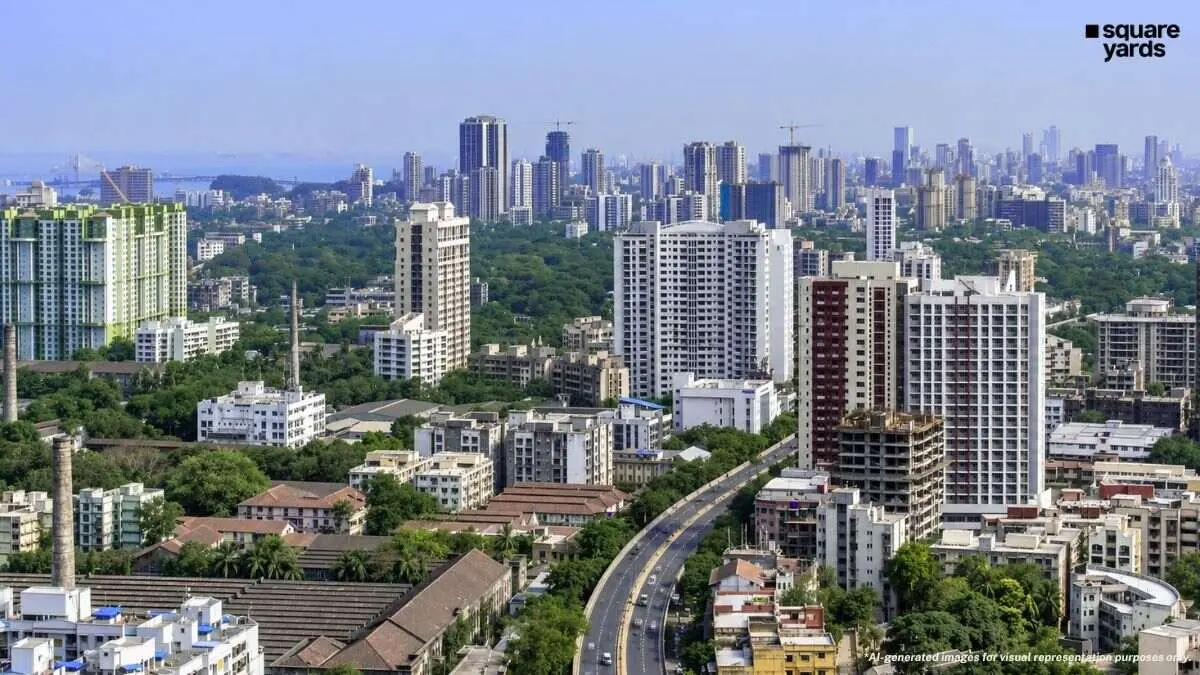
Executive Summary: A Landmark Quarter for Indian Real Estate
The Indian real estate sector has reached a historic milestone, reporting its most successful quarter to date in terms of capital inflow. According to the latest comprehensive market report by CBRE, the third quarter (Q3) of 2026 witnessed a staggering $9.5 billion in equity capital investments. This surge represents a pivotal moment in the nation’s economic trajectory, signaling robust institutional confidence and a fundamental shift in asset preference among global and domestic investors.
The narrative of Q3 2026 is defined by two major themes: the meteoric rise of data centers as a primary investment asset and the continued resilience of the Delhi-NCR commercial corridor. As the digital economy scales and urban infrastructure evolves, the traditional boundaries of real estate are being redrawn, blending industrial utility with residential demand.
1. Main Facts: The Pillars of the $9.5 Billion Investment
The sheer scale of investment in Q3 2026—totaling $9.5 billion—is not merely a seasonal spike but a reflection of deep-seated structural growth. To put this into perspective, the total investment for the first nine months of 2026 has reached $18.6 billion, suggesting that the year is on track to set an all-time annual record.
The Dominance of Data Centers
Perhaps the most striking revelation from the CBRE data is the composition of this capital. Data centers emerged as the undisputed leader, attracting 57% of the total quarterly investment. This shift highlights India’s rapid transition toward becoming a global data hub, driven by massive domestic data consumption, cloud adoption, and the integration of Artificial Intelligence (AI) across business sectors.
Concentrated Growth Hubs
Investment remains concentrated in high-performance zones. Three major metropolitan areas—Mumbai, Delhi-NCR, and Chennai—accounted for 53% of the total capital deployed in Q3. These regions continue to offer the sophisticated infrastructure and regulatory environments required by institutional investors.
Commercial and Residential Interplay
While data centers took the lion’s share, the traditional sectors remained vibrant. National office leasing grew by 9% year-on-year, reaching 18.7 million square feet (msf). Simultaneously, the residential sector saw a 3% uptick in sales across the top seven cities, proving that even amidst rising property values, the appetite for homeownership remains intact.
2. Chronology: The Road to the 2026 Peak
The trajectory of the Indian property market over the last 24 months provides essential context for the current boom.
- 2025: The Foundation Year: Throughout 2025, the market focused on recovery and consolidation. Office leasing began to stabilize after the post-pandemic shifts, and developers started aggressive land acquisition drives to replenish pipelines exhausted during the 2021-2023 period.
- Q3 2025 – A Benchmark: In Q3 2025, Delhi-NCR leased approximately 1.6 msf of office space. At the time, this was considered a healthy figure, but it set a relatively modest baseline for the explosive growth to follow.
- H1 2026: The Momentum Builds: The first half of 2026 saw a steady inflow of capital, totaling roughly $9.1 billion. Investors began pivoting toward "alternative" assets, with early-stage data center projects receiving preliminary funding.
- Q3 2026: The Breakout: The quarter under review saw a doubling of performance in key metrics. Most notably, Delhi-NCR’s office leasing jumped from 1.6 msf (Q3 2025) to 3.3 msf (Q3 2026), a 100% increase that caught many analysts by surprise.
3. Supporting Data: Regional Performance and Micro-Market Dynamics
To understand the health of the market, one must look at the granular data provided by industry trackers like Square Yards and CBRE.
The Delhi-NCR and Gurugram Powerhouse
Delhi-NCR has emerged as the frontrunner in the commercial real estate recovery. The demand for Grade-A office spaces in Gurugram, specifically on the Golf Course Road, has reached a fever pitch.
- Rental Growth: Office rents on Golf Course Road surged by 26% year-on-year, hitting an average of Rs 100 per square foot (psf).
- Residential Synergy: This commercial demand has directly influenced the residential market. Average home prices in the same vicinity reached Rs 23,550 psf, marking a 10.2% increase from just the previous quarter.
The Noida Expansion
In Noida, Sector 150 continues to be a focal point for residential appreciation. Data shows that average asking prices rose from Rs 11,950 psf in September 2025 to Rs 12,300 psf by June 2026. While the growth is more gradual than Gurugram’s, it reflects a sustained upward trend in suburban hubs.
The Data Center-Housing Link
Research by Square Yards suggests a long-term secondary effect of the data center boom. While these facilities are not labor-intensive in terms of on-site staff, the ecosystem they require—logistics, specialized maintenance, and tech support—is expected to drive a massive demand for housing. Estimates suggest that India’s data center expansion could generate a requirement for up to 195 msf of housing by 2030, particularly in a 5-15 km radius around these facilities in cities like Mumbai, Pune, Hyderabad, and Visakhapatnam.
Divergence in Office Markets
While Delhi-NCR, Bengaluru, and Hyderabad saw positive leasing trends, other major markets experienced a cooling period. Mumbai, Pune, and Chennai recorded declines in office absorption during Q3 2026. This divergence suggests that occupiers are becoming more selective, favoring cities with specific infrastructure advantages or more competitive pricing.
4. Official Responses and Industry Insights
Market experts from CBRE and Square Yards emphasize that this investment surge is a vote of confidence in India’s macroeconomic stability.
The CBRE Perspective:
Analysts at CBRE point out that the $18.6 billion invested year-to-date is a testament to the "institutionalization" of Indian real estate. The shift toward data centers and development land signifies that investors are no longer just looking for immediate rental yields but are betting on the long-term infrastructure needs of a digital-first economy.
The Square Yards View:
Experts at Square Yards highlight the "symbiotic relationship" between commercial growth and residential value. They caution, however, that a rise in "asking prices" does not always equate to a rise in "transaction volume." The report notes that with unsold inventory still hovering at significant levels in certain pockets, developers must remain cautious. The influx of land acquisition capital means more supply is coming; for this to be sustainable, it must be met with genuine end-user demand and employment growth.
5. Implications: What This Means for Stakeholders
The Q3 2026 investment surge carries profound implications for homebuyers, developers, and the broader economy.
For Homebuyers and Renters
The massive investment in land acquisitions (where 72% of capital was directed toward office, residential, and data center projects) ensures a healthy pipeline of new projects.
- Choice vs. Cost: In the short term, buyers may face higher prices in established hubs like Gurugram or South Mumbai. However, the sheer volume of upcoming supply may force developers to offer more competitive payment plans and amenities to stand out in a crowded market.
- The "Data Hub" Neighborhoods: Savvy buyers may look toward emerging zones 5-15 km away from major data center parks, anticipating future rental demand from the ancillary service industries.
For the Commercial Sector
The 9% growth in office leasing, despite declines in Mumbai and Pune, suggests a flight to quality. Businesses are consolidating into modern, ESG-compliant (Environmental, Social, and Governance) buildings. This will likely lead to a widening gap between the valuations of older "Grade B" office spaces and new, tech-enabled "Grade A" developments.
For Urban Planning and Infrastructure
The concentration of 53% of investment in just three cities (Mumbai, Delhi-NCR, and Chennai) highlights a growing challenge: urban congestion. For this investment to bear fruit, municipal authorities will need to accelerate infrastructure projects—such as metro expansions and peripheral expressways—to ensure that these new developments remain accessible and livable.
Macroeconomic Impact
The real estate sector remains a primary driver of India’s GDP. The $9.5 billion infusion in a single quarter acts as a multiplier, creating jobs in construction, steel, cement, and professional services. Furthermore, the focus on data centers aligns with the national goal of data sovereignty and digital independence.
Conclusion: A Market in Transformation
The record-breaking Q3 of 2026 marks the end of real estate being viewed as a simple "brick and mortar" industry in India. It is now a sophisticated, multi-asset class market where data storage is as valuable as office space, and where land acquisition is driven by long-term strategic positioning rather than speculative flipping.
While the numbers are celebratory, the future will depend on the "execution phase." As the $18.6 billion invested so far in 2026 begins to transform into physical structures, the market’s ability to absorb this new supply will determine if this surge is the beginning of a sustained "Golden Era" or a peak before a period of consolidation. For now, the momentum resides firmly with Delhi-NCR and the digital infrastructure sector, setting the stage for a transformative 2027.
