

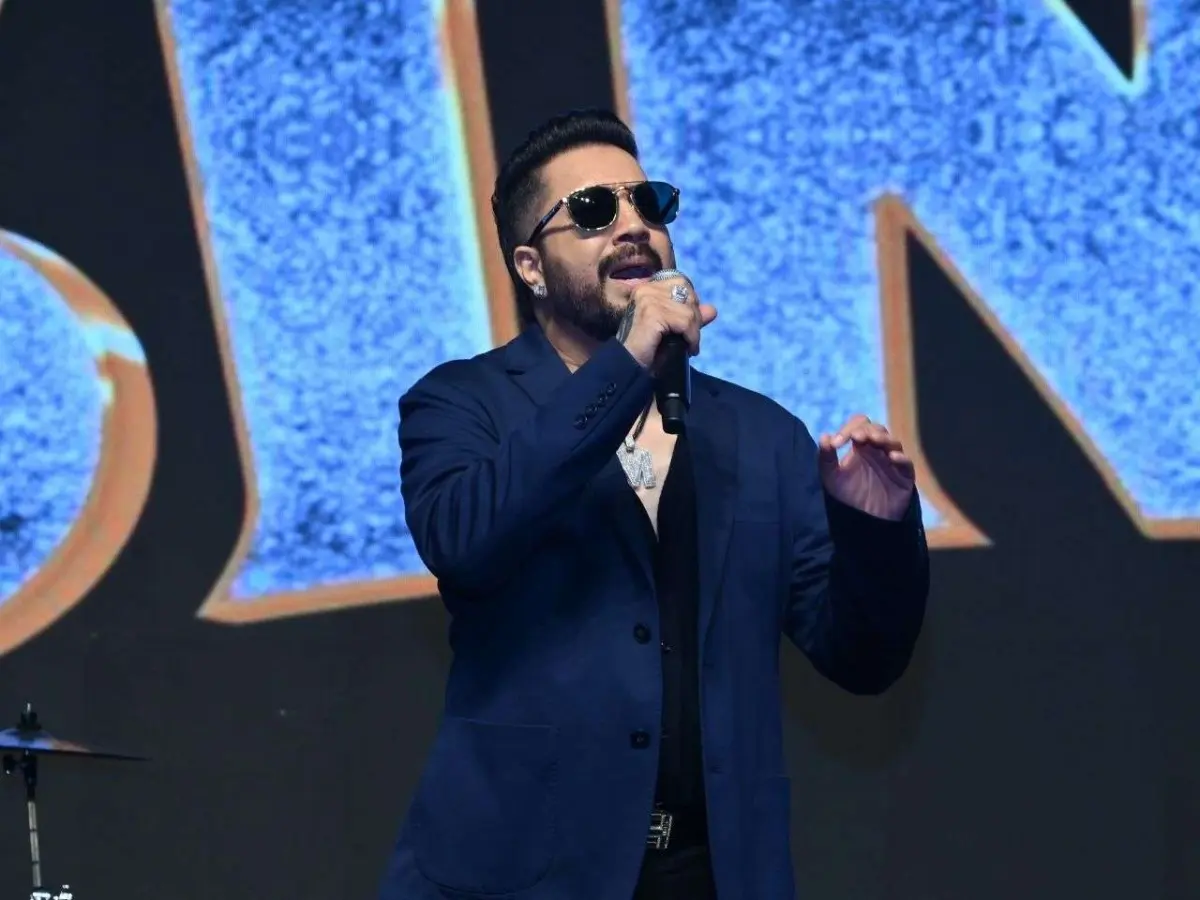
Mumbai, India – In an era where seamless production and pre-recorded vocals often dominate the live music scene, veteran Bollywood singer Mika Singh has reaffirmed his staunch commitment to authentic, unadulterated performance. At the prestigious FICCI Frames 2026, Singh not only electrified the audience with his signature energetic set but also seized the opportunity to publicly declare his disdain for lip-syncing, a stance that has resonated deeply with fans and ignited a wider conversation within the music industry.
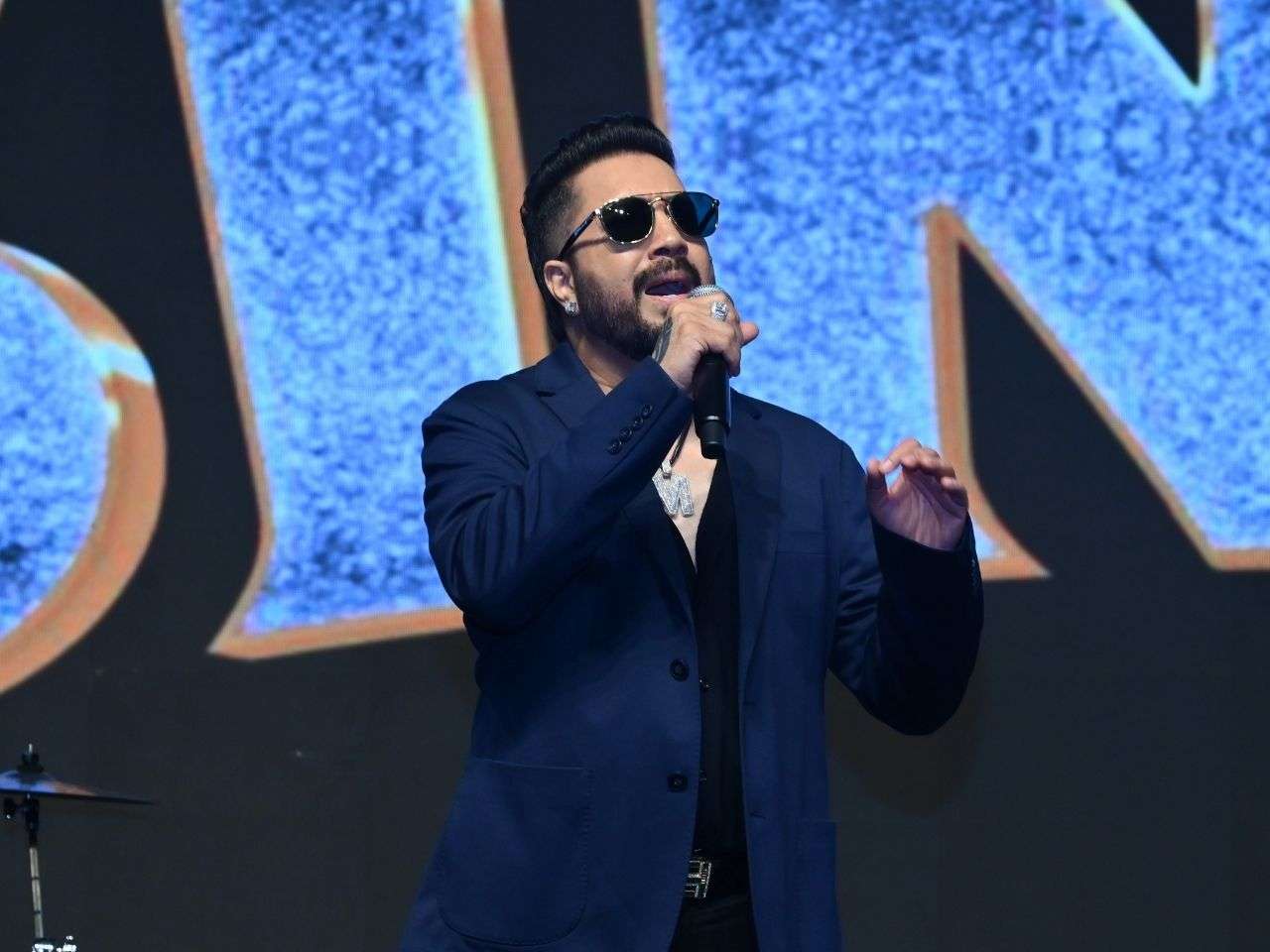
The annual FICCI Frames convention, a pivotal gathering for India’s media and entertainment sector, plays host to a myriad of discussions, keynotes, and performances. Mika Singh’s appearance on the opening day was met with eager anticipation, and he delivered a performance that lived up to his reputation as a crowd-pleaser. However, it was his candid pre-performance declaration that truly captured the attention, setting the stage for a wave of online discussion and reaffirming his "no lip-sync" policy.
)
The Core of the Declaration: Authenticity Over Artifice
Before launching into his chart-topping hits, Mika Singh, microphone in hand, addressed the assembled audience with a directness that has become a hallmark of his public persona. "It’s all live," he declared, his voice carrying a confident conviction. He didn’t shy away from drawing a contrast with other artists, stating, "Abhi tak aapne jitne artiste bulaye, bade-bade, woh lip-sync karte hai. But main live ga raha hoon." (So far, the big artists you’ve invited, they lip-sync. But I am singing live.)

This bold statement wasn’t just a boast; it was a profound assertion of artistic integrity. Singh elaborated on his philosophy, emphasizing that he believes in giving his fans the genuine experience they pay for. He went on to humorously downplay the need for elaborate stage setups, quipping, "100 dancers nahi hai. Bada taam-jaam nahi hai. 1 sardar hi kaafi hai mere liye." (There aren’t 100 dancers. There’s no big fanfare. One Sardar is enough for me.) This light-hearted remark, delivered with a characteristic swagger, earned him a thunderous applause from the FICCI Frames attendees, signalling a strong endorsement of his principled stance.
)
A Chronology of Engagement: From Stage to Social Media Buzz
Mika Singh’s presence at FICCI Frames 2026 was a multi-faceted event. The convention itself, held on [Date of FICCI Frames 2026 – assuming this is a future event based on the article’s date], is a significant platform for industry stakeholders, creatives, and performers to connect, share insights, and showcase their talents. Singh’s performance was strategically placed to cap off a day of industry discussions, offering a dose of vibrant entertainment.
)
Pre-Performance Announcement: The pivotal moment occurred just before Singh took to the stage. His explicit declaration against lip-syncing was captured by attendees and quickly disseminated across social media platforms.
)
The Performance: Following his announcement, Singh launched into a medley of his most popular songs, including anthems like "Mauja Hi Mauja," "Ladki Aankh Maare," and "Saawan Mein." The energy of his live vocals, coupled with his engaging stage presence, undoubtedly contributed to the positive reception.
)
Viral Dissemination: The video clip of Singh’s pre-performance statement, along with snippets of his performance, began to circulate widely. Social media platforms, particularly Instagram and Twitter, became the primary channels for this virality. Users shared the clip, adding their own commentary and reactions.
)
Netizen Reactions: The online response was swift and largely positive. The comment sections of the shared videos and posts were flooded with praise for Mika Singh’s honesty and dedication to his craft.
)
Supporting Data: The Evolving Landscape of Live Music and Lip-Syncing Controversies
Mika Singh’s outspokenness arrives at a time when the debate around lip-syncing in live performances is a recurring theme in the Indian entertainment industry. While often dismissed as a minor technicality by some, for dedicated music enthusiasts, it represents a fundamental disconnect between the artist and the audience.
)
- The Allure of Live: Live music, at its core, is about the raw, unmediated connection between the performer and the listeners. The imperfections, the spontaneity, and the sheer vocal prowess displayed in a live setting are what make it a unique and often exhilarating experience. Lip-syncing, by its very nature, undermines this authenticity.
- Technological Advancements: The ease with which pre-recorded tracks can be seamlessly integrated into live shows, coupled with sophisticated sound systems, has made lip-syncing a more accessible and sometimes tempting option for artists. This is particularly true for artists who may be undertaking demanding tours or have complex vocal arrangements.
- Past Incidents: The article itself references previous instances where prominent artists have faced criticism for lip-syncing. Singers like Jasmine Sandlas and KING have, in the past, been subject to online scrutiny and backlash when audiences perceived their performances as lacking authenticity. These incidents highlight a growing awareness and expectation among fans for genuine live vocal performances.
- The Economic Aspect: While not explicitly stated by Singh, the decision to lip-sync can sometimes be attributed to logistical challenges, vocal fatigue, or even contractual obligations. However, for fans who have invested time and money in attending a concert, the expectation of a live vocal performance remains paramount.
Mika Singh’s stance directly addresses these concerns, positioning him as an artist who prioritizes the fan experience above potential shortcuts. His "1 sardar hi kaafi hai" (one Sardar is enough) quip can be interpreted not just as a humorous remark but also as a subtle jab at the perceived over-reliance on external aids by some artists.
)
Official Responses: Industry Acknowledgment and Fan Endorsement
While there haven’t been any official "responses" from the FICCI Frames organizers or governing bodies specifically addressing Mika Singh’s statement, the overwhelming positive reaction from netizens can be considered an indirect form of industry acknowledgment.
)
- Netizen Validation: The barrage of positive comments – "One and Only King of voice and Bollywood is @mikasingh sir," "Mika ke show mein maza aata hai. Vibe alag hai," and "Humare dimag me sirf comparison aur competition hi reh gaya hai. Jaise hi koi artist dikhta hai, hum uski burai karne lagte hai" (Our minds are stuck on comparison and competition. As soon as we see an artist, we start criticizing them) – demonstrates a clear public appreciation for his commitment. This indicates that a significant segment of the audience values authenticity and is vocal in their support of artists who embody it.
- Implicit Industry Support: By inviting and featuring Mika Singh at a prominent event like FICCI Frames, the organizers implicitly endorse his artistry. His candidness at the event, therefore, reflects positively not only on him but also on the platform for showcasing artists who adhere to high standards of performance.
- Potential for Dialogue: Singh’s bold statement could, in turn, encourage a broader dialogue within the music industry about best practices for live performances and the ethical considerations of lip-syncing. It might prompt artists and production teams to re-evaluate their approaches and prioritize genuine vocal delivery.
Implications: Reshaping Fan Expectations and Artist Accountability
Mika Singh’s declaration at FICCI Frames 2026 carries significant implications for both the audience and the artists within the Indian music landscape.
)
- Elevating Fan Expectations: By publicly championing live singing, Singh is subtly raising the bar for fan expectations. He is reinforcing the idea that audiences deserve a genuine musical experience and are within their rights to expect artists to deliver their songs live. This could empower fans to be more discerning and vocal about their preferences.
- Promoting Artist Accountability: His stance serves as a reminder that artists have a responsibility to their fans. While creative interpretation and stagecraft are important, the core of a musical performance lies in the artist’s ability to connect through their voice. Singh’s commitment to this principle encourages other artists to consider the impact of their performance choices.
- A Reaffirmation of Talent: In an industry that can sometimes prioritize glitz and glamour over raw talent, Mika Singh’s emphasis on live singing is a reaffirmation of the enduring value of vocal prowess. It underscores that true artistry lies in the ability to perform, not just to project.
- Potential for Industry Shift: While a complete eradication of lip-syncing is unlikely, Singh’s vocal advocacy could contribute to a gradual shift in industry norms. Artists who are committed to live performances may find themselves more celebrated, and those who rely heavily on pre-recorded tracks might face increased scrutiny.
- The "Mika Singh Standard": His declaration might inadvertently set a "Mika Singh Standard" for live performances, encouraging a more authentic approach. As the video continues to gain traction, it acts as a constant reminder of his commitment, potentially influencing how other artists prepare for and execute their live shows.
In conclusion, Mika Singh’s recent appearance at FICCI Frames 2026 was more than just a musical performance; it was a powerful statement on artistic integrity. His unwavering commitment to live singing, articulated with characteristic flair, has not only endeared him further to his vast fan base but has also ignited a crucial conversation about authenticity and accountability within the vibrant and ever-evolving Indian music industry. As the trend of genuine live performances gains momentum, artists like Mika Singh stand as shining examples of dedication to their craft and respect for their audience.
