

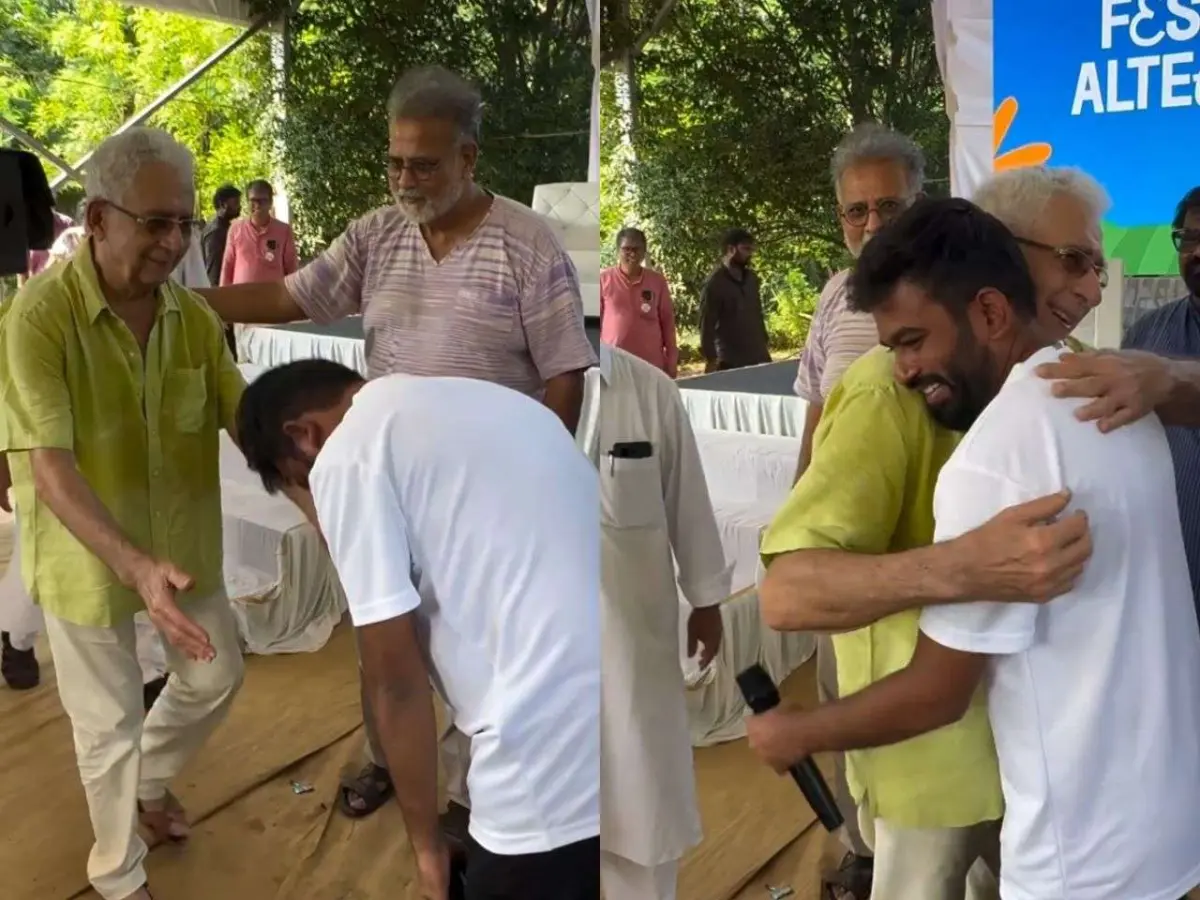
Mumbai, India – A powerful convergence of activism and artistic gravitas unfolded at Mumbai’s iconic Shivaji Park on October 2nd, as Abhijeet Dipke, the founder of the Cockroach Janta Party (CJP), led a significant protest against alleged lapses within the Election Commission of India. The demonstration, which saw a substantial turnout of citizens, received an unexpected and deeply resonant endorsement from the Indian film fraternity, culminating in a profoundly symbolic moment: veteran actor Naseeruddin Shah lending his presence and his blessing to Dipke and the cause.
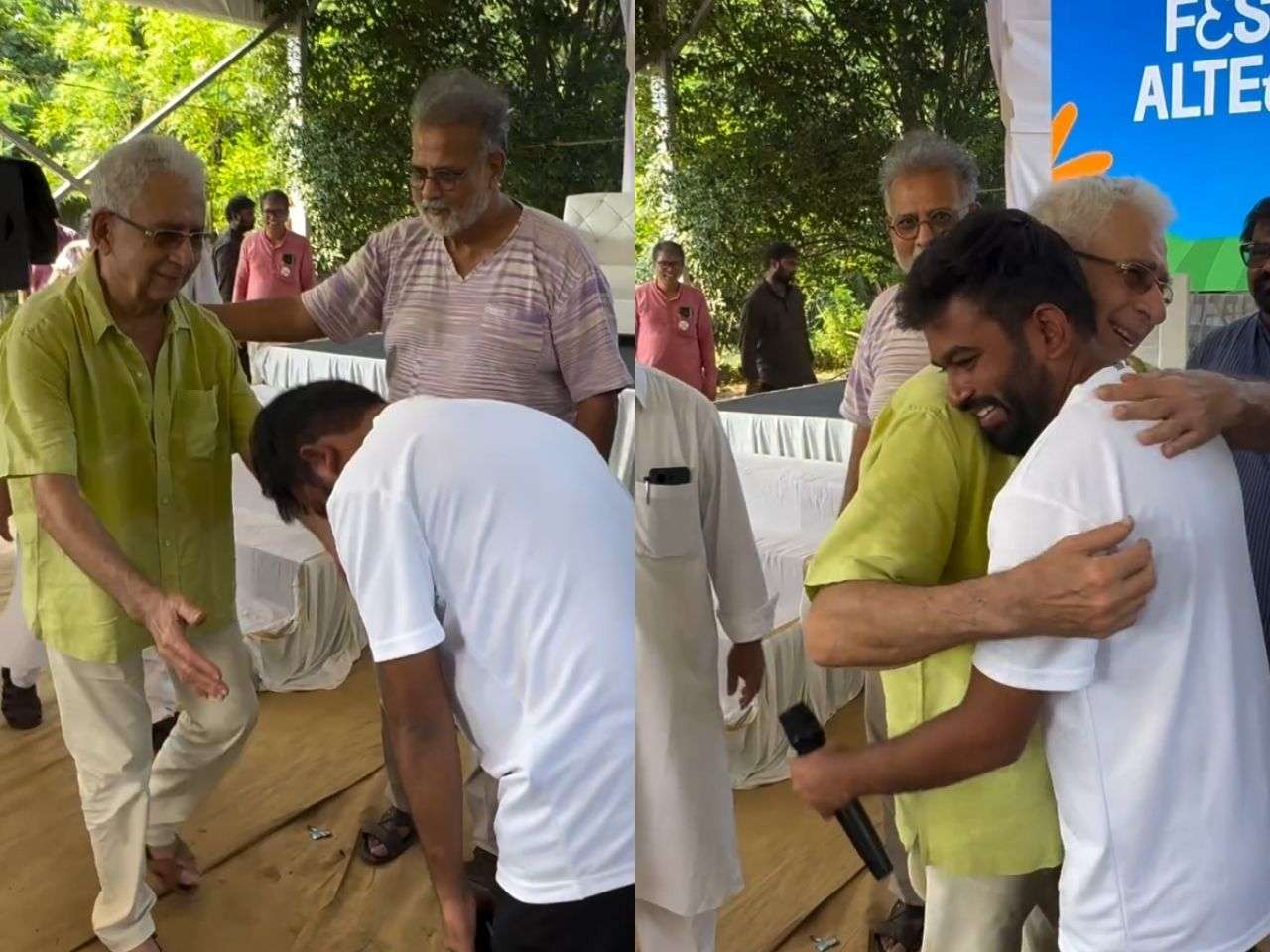
The encounter, captured in a viral video, has sent ripples across social media and ignited a national conversation, transcending the usual boundaries of political dissent and celebrity endorsement. It underscores the growing influence of grassroots movements and the willingness of prominent cultural figures to engage with critical societal issues.
)
The Genesis of a Protest: Questioning the Electoral Process
The protest, spearheaded by Abhijeet Dipke and the CJP, centered on alleged irregularities and perceived failures of the Election Commission of India, specifically targeting its leadership, including Chief Election Commissioner Gyanesh Kumar. While the exact nature of the "lapses" was not explicitly detailed in the initial report, the demand for resignation signals a deep-seated concern regarding the impartiality and efficacy of the nation’s electoral body.

Historically, the Election Commission of India has been lauded as an independent and robust institution responsible for safeguarding the democratic process. However, in recent times, various civil society groups and political factions have voiced concerns about its functioning, leading to heightened scrutiny and public debate. Dipke’s protest appears to be a manifestation of these anxieties, seeking to amplify public discontent and demand accountability from the highest echelons of the electoral machinery.
)
The choice of October 2nd, a date of immense historical significance in India commemorating Mahatma Gandhi’s birth anniversary, imbues the protest with an added layer of symbolic weight. Gandhi’s philosophy of non-violent civil disobedience resonates deeply with the spirit of public protest, suggesting a commitment to democratic ideals and peaceful assertion of rights.
)
An Unexpected Alliance: Bollywood’s Endorsement
The presence of prominent figures from Bollywood at the protest was a significant development, lending substantial visibility and credibility to the movement. While the initial report mentions Shabana Azmi, Vishal Dadlani, and Shashank Arora as participants, the true game-changer was the appearance of Naseeruddin Shah.
)
Naseeruddin Shah, a titan of Indian cinema renowned for his nuanced performances and often outspoken views on societal issues, has long been a respected voice in the cultural landscape. His decision to not only attend the protest but to actively engage with its leader, Abhijeet Dipke, was a powerful statement of solidarity.
)
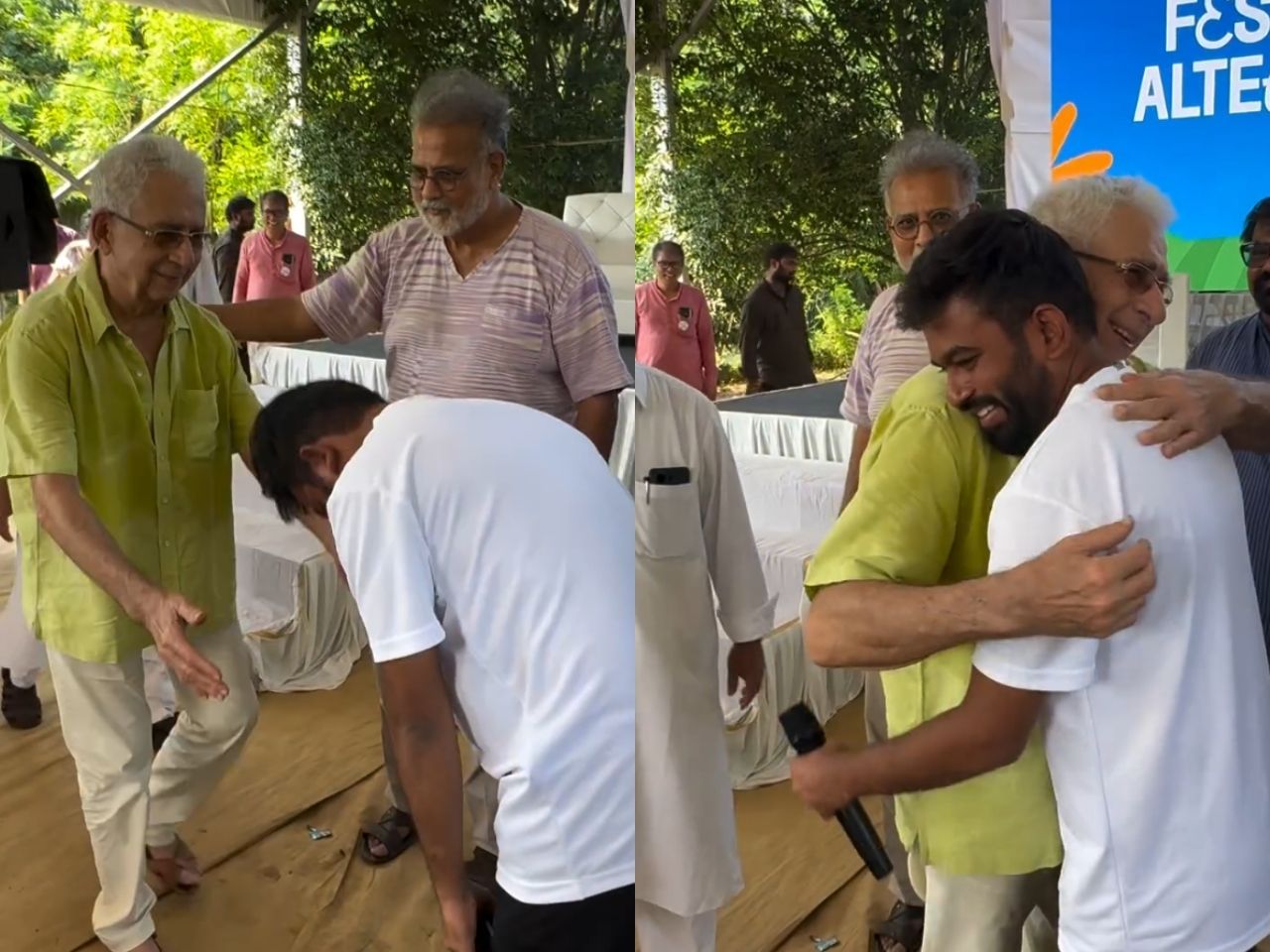
The viral video showcases a touching interaction. As Shah approaches the stage, Dipke, a young activist, visibly moved, bows down in respect. The veteran actor reciprocates by lifting Dipke and embracing him warmly. This gesture, far from a mere photo opportunity, conveyed a profound sense of encouragement and validation for Dipke’s efforts.
)
In the exchange, Dipke expresses his deep admiration for Shah, identifying himself as a "big fan." Shah, in turn, commends Dipke’s focus and bravery in challenging the status quo and uniting people to voice their dissent against perceived injustice. This mutual respect and recognition highlight the powerful connection forged between an established artistic icon and a burgeoning grassroots leader.
)
The Viral Phenomenon: Social Media’s Amplification
The impact of this encounter was amplified exponentially by social media. The reel shared by Abhijeet Dipke on Instagram, capturing the pivotal moment with Naseeruddin Shah, quickly went viral, garnering over a million views and thousands of comments. The online response was overwhelmingly positive, with a significant segment of netizens expressing admiration for Dipke and celebrating the solidarity shown by the film fraternity.
)
The comments section of the viral video became a microcosm of the broader public discourse. Many users lauded Dipke’s bravery and conviction, with one user stating, "Ohhh my God. Some people with real charisma and real human bones… More power to you all." Another user expressed their happiness for Dipke, "Aapko Naseeruddin Shah sir se milte huye bahut acha lag raha hai" (It feels very good to see you meeting Naseeruddin Shah sir).
)
The protest and the subsequent viral video also became a talking point for political commentary. Some netizens, particularly those critical of the ruling government, used the term "Burnol moment for Modi bhakts," implying that the public endorsement by respected figures like Shah would be a source of discomfort for supporters of the current administration. This colloquialism highlights the politically charged environment in which such events unfold and the ways in which social media platforms become arenas for ideological battles.
)
Broader Implications: Activism, Art, and Accountability
The convergence of a significant protest, the endorsement of prominent Bollywood personalities, and the explosive reach of social media has several critical implications for the Indian socio-political landscape:
)
- Empowerment of Grassroots Movements: The support from the film fraternity, particularly from a figure as respected as Naseeruddin Shah, lends significant weight and legitimacy to grassroots movements like the CJP. It signals that these movements are gaining traction and are capable of drawing the attention of influential stakeholders.
- The Role of Celebrities in Public Discourse: This event reinforces the evolving role of celebrities in India. Beyond entertainment, many are increasingly using their platforms to engage with social and political issues, influencing public opinion and encouraging participation in democratic processes. Naseeruddin Shah’s actions underscore the power of artistic integrity to translate into meaningful civic engagement.
- Scrutiny of Institutions: The protest, by targeting the Election Commission, highlights the growing demand for transparency and accountability from all public institutions. As citizens become more informed and connected, they are increasingly willing to question and challenge the functioning of bodies that play a crucial role in the nation’s governance.
- The Power of Viral Content: The rapid dissemination of the video through social media demonstrates the potent role of digital platforms in shaping narratives and mobilizing public opinion. What might have once been a localized event can now gain national and even international attention within hours.
- A "Burnol Moment" or a Call for Dialogue? While some interpret the event as a political jab, it can also be viewed as a broader call for introspection and dialogue regarding the integrity of democratic processes. The involvement of artists and intellectuals often brings a humanistic perspective to complex political issues.
Official Responses and the Road Ahead
As of the initial report, there were no explicit official responses from the Election Commission of India or the government regarding the protest or the specific allegations made by Abhijeet Dipke and the CJP. However, the significance of the event, amplified by celebrity endorsement and viral media coverage, suggests that such concerns are unlikely to remain unaddressed in the long run.
)
The Election Commission, as a constitutional body, is expected to maintain its independence and address any credible allegations of impropriety. The involvement of prominent figures like Naseeruddin Shah will likely put greater pressure on the institution to clarify its position and potentially engage in a dialogue with civil society.
)
The protest led by Abhijeet Dipke, and particularly the endorsement from Naseeruddin Shah, serves as a potent reminder of the dynamic interplay between activism, art, and democracy in contemporary India. It underscores the power of collective voices, amplified by influential figures and digital platforms, to bring critical issues to the forefront of national consciousness and demand greater accountability from the institutions that shape the nation’s future. The "dream-come-true moment" for Abhijeet Dipke has, in turn, become a moment of national conversation, pushing the boundaries of public discourse and highlighting the enduring power of a single act of solidarity.
