

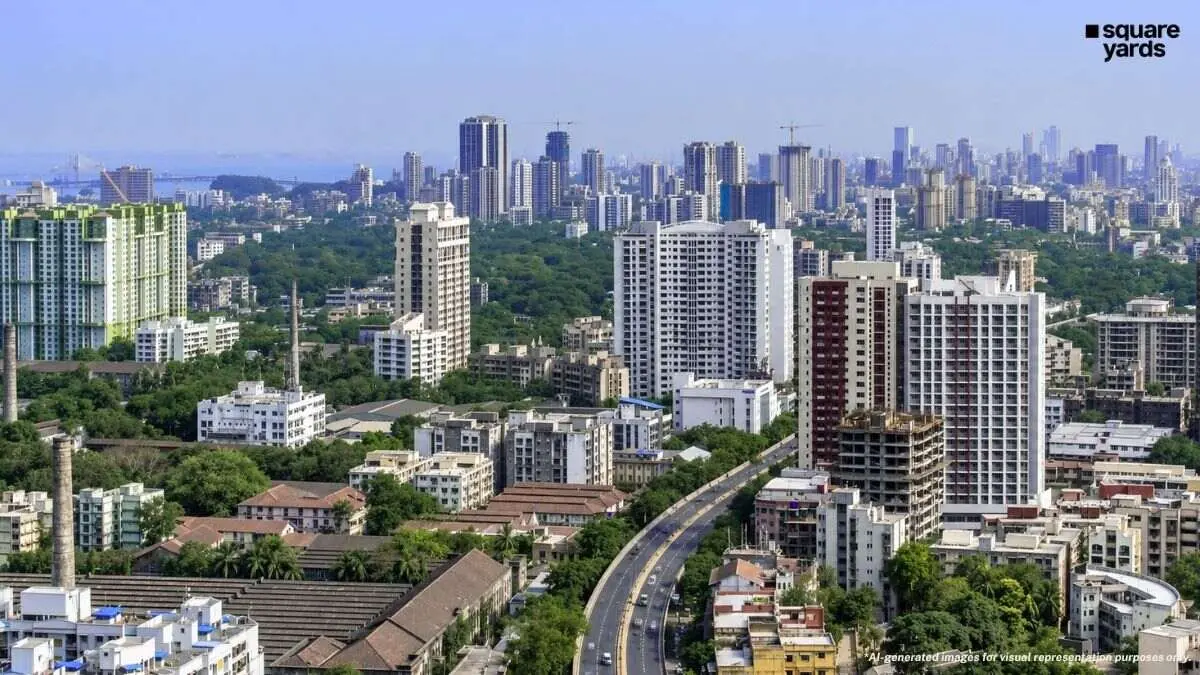
MUMBAI / DELHI — The Indian real estate sector has reached an unprecedented pinnacle, recording its highest-ever quarterly investment in the third quarter of 2026. According to the latest comprehensive report by global real estate consultancy CBRE, the market attracted a staggering $9.5 billion in equity capital during the July-September period. This surge represents not just a recovery, but a fundamental transformation of the Indian property landscape, driven by a massive pivot toward data centers, robust office leasing in the National Capital Region (NCR), and strategic land acquisitions by institutional developers.
As the digital economy matures and global corporations deepen their footprint in the subcontinent, the total investment for the first nine months of 2026 has reached $18.6 billion. This capital influx signals a high level of institutional confidence in India’s long-term growth story, particularly as the country positions itself as a global hub for both digital infrastructure and high-value commercial services.
1. Main Facts: A Record-Breaking Quarter
The Q3 2026 performance is characterized by three primary pillars: the dominance of data centers, a resurgence in office demand, and a strategic land-grab for future residential and commercial pipelines.
The Rise of Alternative Assets
The most striking revelation from the CBRE data is the shift in capital allocation. For the first time in Indian real estate history, data centers have emerged as the primary beneficiary of equity capital, accounting for a massive 57% of total Q3 investment. This marks a departure from traditional favorites like Grade-A office spaces or retail malls.
Geographical Concentration
Investment remains concentrated in India’s tier-1 powerhouses. Mumbai, Delhi-NCR, and Chennai collectively accounted for 53% of the total capital deployed in Q3. These cities continue to offer the liquidity and infrastructure necessary to support large-scale institutional projects.
Office Leasing Resilience
Nationwide, office leasing grew by 9% year-on-year, reaching 18.7 million square feet (msf). While some markets like Mumbai and Pune saw marginal declines, the North—specifically Delhi-NCR—witnessed an explosive 100% increase in leasing activity compared to the same period in 2025.
2. Chronology of the Investment Surge: 2025 to 2026
To understand the magnitude of the $9.5 billion figure, one must look at the trajectory of the market over the last 18 months.
- Q3 2025: The Foundation. In 2025, the market was characterized by steady but cautious growth. Delhi-NCR’s office leasing stood at 1.6 msf, and the primary focus of investors was on residential recovery post-pandemic.
- Q1-Q2 2026: The Momentum Builds. The first half of 2026 saw $9.1 billion in cumulative investment. This period was marked by the announcement of several new "Data Center Parks" and a push for "China Plus One" manufacturing strategies, which increased the demand for industrial and logistics land.
- Q3 2026: The Breakout. The current quarter saw more investment ($9.5 billion) than the entire first half of the year combined. This was triggered by several "mega-deals" in the data center space and large-scale land acquisitions by Tier-1 developers in Mumbai and Chennai.
3. Supporting Data: Deep Dive into Micro-Markets and Segments
The record-breaking numbers are supported by granular shifts in micro-markets, particularly in the NCR and the Southern corridors.
The Delhi-NCR Phenomenon
Delhi-NCR has outperformed almost every other metropolitan area in office absorption. The region saw 3.3 msf of office space leased in Q3 2026, doubling the 1.6 msf recorded in Q3 2025.
- Gurugram (Golf Course Road): This micro-market has become a bellwether for the premium segment. Office rents on Golf Course Road surged 26% year-on-year, reaching ₹100 per square foot (psf).
- Residential Synergy: This commercial demand has trickled down into the housing sector. Average home prices on Golf Course Road rose to ₹23,550 psf, a 10.2% increase from just the previous quarter.
- Noida (Sector 150): Once considered an emerging market, Sector 150 has seen its average asking prices rise from ₹11,950 psf in September 2025 to ₹12,300 psf by mid-2026, reflecting the sustained demand for high-quality residential living near commercial hubs.
The Data Center Multiplier Effect
While data centers accounted for 57% of the capital, their impact is expected to be felt most acutely in the residential sector over the next decade. Analysis by Square Yards suggests that the current boom in data centers could generate demand for 195 million square feet of housing by 2030.
The logic behind this is the "Ecosystem Effect." Although a data center itself may only employ 50–100 specialized technicians, the infrastructure required to support it—logistics, cybersecurity firms, hardware maintenance, and administrative services—creates a secondary wave of employment. Markets to watch for this trend include:
- Mumbai and Navi Mumbai (The landing point for undersea cables)
- Chennai (The gateway to Southeast Asia)
- Hyderabad and Visakhapatnam (Emerging tech corridors)
Land Acquisition Strategy
Approximately 72% of the capital deployed for land acquisitions was directed toward a mix of office, residential, and data center developments. This suggests that developers are no longer building "monolithic" projects but are instead focusing on mixed-use ecosystems where people can live, work, and host digital infrastructure in a single precinct.
4. Official Responses and Industry Sentiment
The record-breaking data has elicited responses from key industry stakeholders, highlighting a shift in how Indian real estate is perceived globally.
The Institutional Perspective (CBRE Analysis):
Analysts at CBRE suggest that the $18.6 billion invested year-to-date proves that India is no longer an "opportunistic" market but a "core" destination for global equity. The report emphasizes that the professionalization of the sector, aided by RERA and GST, has made it easier for foreign pension funds and sovereign wealth funds to deploy capital at scale.
The Market Integration View (Square Yards):
Spokespeople from Square Yards noted the intrinsic link between commercial success and residential value. "The rise in office rents on Golf Course Road is a leading indicator for residential price appreciation," a researcher noted. "When corporations are willing to pay a 26% premium for office space, it signals a high-income demographic moving into the area, which naturally pushes home prices and rental yields higher."
The Developer Outlook:
Major developers in the Delhi-NCR and Mumbai regions have indicated that while the investment is welcome, the challenge now lies in execution. With land prices rising, the focus is shifting toward "vertical growth" and the redevelopment of older commercial assets into Grade-A, ESG-compliant facilities.
5. Implications for the Future: What This Means for Stakeholders
The Q3 2026 investment surge is more than just a headline; it has practical implications for every participant in the real estate economy.
For Homebuyers: Increased Choice, Higher Stakes
The massive investment in land means a significant pipeline of new housing projects is coming. However, the concentration of investment in specific hubs (like Sector 150 Noida or Golf Course Road) means that price growth will be uneven. Buyers may find more options, but they will also face higher entry costs in "employment-heavy" zones. The silver lining is that with unsold inventory still present in some markets, developers may offer flexible payment plans to maintain sales velocity.
For Investors: Beyond Residential
The 2026 data suggests that the highest returns are currently found in "Alternative Assets." Data centers and Grade-A office spaces in high-demand corridors (Delhi, Bengaluru) are offering rental growth that outpaces residential appreciation. Institutional investors are likely to continue favoring the "Rental Yield" model over the "Capital Appreciation" model.
For the Urban Landscape: The 5-15 KM Rule
As data centers proliferate, we will see the emergence of "Satellite Hubs." Areas within a 5-15 km radius of these data centers will likely see a surge in retail, mixed-use projects, and mid-income housing. This will lead to a more decentralized urban sprawl, easing the pressure on traditional city centers.
For the Economy: Infrastructure as a Catalyst
The $9.5 billion investment is a vote of confidence in India’s infrastructure. The fact that Chennai and Mumbai are attracting half of this capital highlights the importance of port connectivity and digital infrastructure (subsea cables). For the Indian government, this trend underscores the need to maintain a stable regulatory environment to keep the capital flowing.
Conclusion: A Mature Market Enters a New Era
The record-breaking Q3 of 2026 marks the moment Indian real estate transitioned from a localized, fragmented market into a sophisticated, institutionalized asset class. With $18.6 billion invested in just nine months, the sector is on track to set an annual record that may stand for years.
However, the disparity between cities—where Delhi-NCR thrives while others see leasing declines—serves as a reminder that real estate remains a local business. Success for investors and developers will depend on their ability to navigate these micro-trends, focusing on the intersection of technology (data centers), employment (office leasing), and lifestyle (residential development). As we move toward 2030, the "Data Center Boom" may well be remembered as the catalyst that redefined the boundaries of Indian urban living.
