

TECHNOLOGY
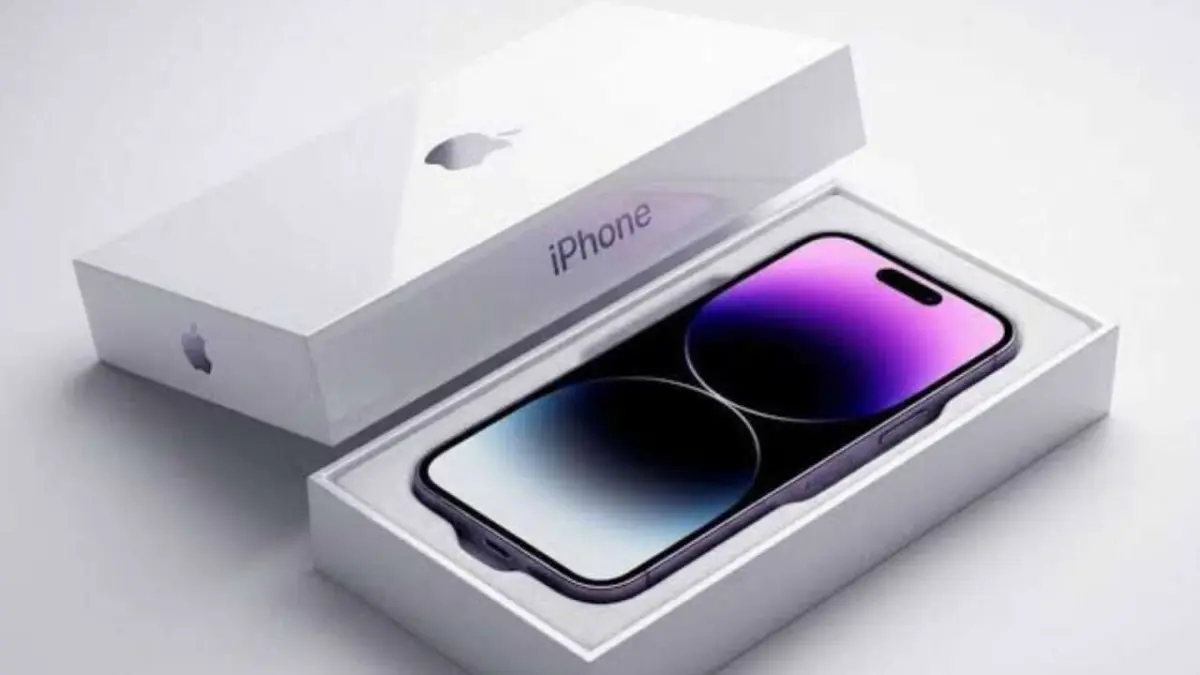
Cupertino, California – In a significant development reverberating through the global technology sector, Apple Inc. has reportedly initiated a substantial reduction in component orders for its flagship iPhone 18 Pro and iPhone 18 Pro Max models. This unexpected move, coming hot on the heels of their highly anticipated September launch, signals a potential cooling in demand for Apple’s latest premium offerings, raising questions about consumer spending habits, market saturation, and the broader economic climate impacting high-end smartphones.
The reported cuts, detailed in an exclusive report by Nikkei Asia, indicate a reduction of 15 to 20 percent in component production for October, a critical month following the initial launch rush. This strategic adjustment by Apple, a company renowned for its meticulous supply chain management and historically robust demand for its new devices, suggests that the initial post-launch sales trajectory for the iPhone 18 Pro series might not be aligning with internal projections. Factors such as elevated retail prices, escalating memory chip costs, and a challenging global economic environment are being cited as primary contributors to this apparent softening in consumer enthusiasm.
The implications of this decision extend far beyond Apple’s immediate balance sheet, potentially foreshadowing a broader recalibration within the premium smartphone market and offering a stark reminder of the delicate interplay between technological innovation, pricing strategy, and evolving consumer purchasing power.
The Unfolding Challenge: Apple’s iPhone 18 Pro Order Reductions
The news of Apple’s reported production cuts has sent ripples through the tech industry, drawing immediate attention to the demand dynamics surrounding its newest and most expensive smartphones. For a company that typically struggles to meet initial demand for its high-end devices, particularly the Pro variants, a reduction in component orders so soon after launch is a rare and telling indicator.
A Sudden Shift in Production Strategy
According to the Nikkei Asia report, Apple has directly communicated with its extensive network of suppliers, instructing them to scale back the manufacturing of components designated for the iPhone 18 Pro and iPhone 18 Pro Max by a significant margin. The 15 to 20 percent reduction for October is not a minor adjustment; it reflects a tangible response to real-time sales data or revised market forecasts. Typically, Apple’s supply chain operates with remarkable precision, calibrated months in advance to anticipate demand. Such a swift and substantial cut suggests that early sales figures or pre-order trends have diverged notably from initial, more optimistic expectations.
The "after the September launch" context is crucial here. The period immediately following a new iPhone launch is usually characterized by peak demand, with consumers eager to acquire the latest technology. Any slowdown during this critical window is particularly noteworthy and suggests that the usual post-launch surge might be less pronounced or shorter-lived for the iPhone 18 Pro series. This could lead to a quicker stabilization of supply, but potentially at the cost of overall sales volume. The market is now keenly watching how these cuts might impact Apple’s financial guidance for the upcoming quarters, especially considering the premium segment’s importance to the company’s profitability.
Chronology of Demand Signals and Market Shifts
Understanding the current situation requires examining the timeline of market signals and broader economic shifts that may have converged to impact demand for the iPhone 18 Pro series.
Pre-Launch Expectations vs. Post-Launch Reality
Leading up to any new iPhone unveiling, Apple typically orchestrates a masterful marketing campaign, generating immense global anticipation and fostering an environment of high demand. Analysts often forecast "super cycles" of upgrades, driven by new features or design overhauls. For the iPhone 18 Pro, expectations were likely high, given Apple’s consistent performance in the premium segment and its loyal customer base. The September launch event itself would have been met with the usual fanfare, showcasing the latest advancements in camera technology, processing power, and potentially new software integrations.
However, the post-launch reality, as suggested by the reported order cuts, appears to be a stark contrast to these pre-launch narratives. While initial sales are often strong due to early adopters, the sustained demand necessary to justify aggressive production targets seems to be tapering off more quickly than anticipated. This divergence between expectation and reality points to underlying challenges that are proving more potent than the allure of Apple’s latest hardware. It suggests that even the most powerful brand in tech is not immune to evolving consumer priorities or economic pressures.
Declining Waiting Times: A Key Indicator
One of the earliest and most tangible indicators of shifting demand emerged from market analysis of product availability. UBS analysts, closely monitoring the global rollout of the iPhone 18 Pro, reported a significant decrease in average waiting times for the device across more than 30 markets worldwide. Historically, lengthy waiting periods have been a hallmark of new iPhone launches, signifying overwhelming demand that outstrips immediate supply.
The rapid contraction of these waiting times presents a dual interpretation: it could either suggest a remarkable improvement in Apple’s supply chain efficiency, enabling them to produce and distribute devices at an unprecedented pace, or, more likely given the production cuts, a reduction in actual consumer demand. When consumers can readily purchase a highly anticipated product without significant delay, it often implies that the pool of eager buyers is not as deep as initially projected. This metric, combined with the Nikkei Asia report, strongly tilts the interpretation towards a scenario of softening demand, where fewer consumers are willing to wait, or perhaps, fewer are opting to purchase the device at all.
Global Economic Headwinds and Consumer Behavior
The backdrop to these developments is a global economic landscape marked by considerable uncertainty and pressure. Persistent inflation in major economies, coupled with rising interest rates, has eroded consumer purchasing power and fostered an environment of caution. Discretionary spending, particularly on high-value luxury items like premium smartphones, is often the first to be impacted during such periods.
Consumers are increasingly scrutinizing their expenditures, prioritizing essential goods and services, and often extending the lifespan of existing electronics rather than upgrading to the latest model. The "upgrade fatigue" phenomenon, where incremental improvements in new smartphone generations fail to justify their escalating costs, is becoming more prevalent. In this climate, even the powerful brand loyalty commanded by Apple may face limitations when confronted with practical financial constraints. The decision to invest over $1,000 (or its equivalent in local currency) in a new smartphone becomes a more carefully considered choice, potentially leading to delays in purchase or a pivot towards more affordable alternatives, including older iPhone models or competitors’ offerings.
Supporting Data: Unpacking the Reasons Behind Softening Demand
The reported order cuts are not isolated events but rather symptoms of several converging factors, each contributing to the perceived cooling in demand for the iPhone 18 Pro series.
The Price Premium: A Hurdle for the iPhone 18 Pro Series
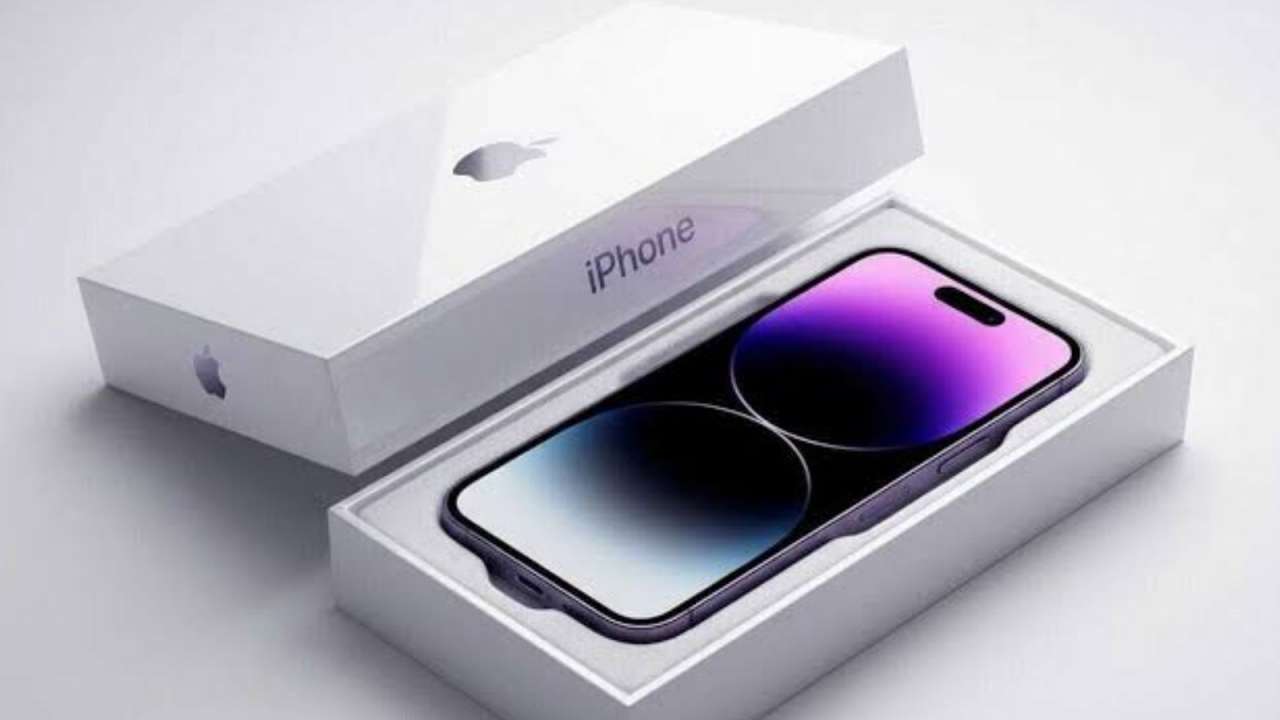
One of the most immediate and impactful factors is the elevated price point of the iPhone 18 Pro series. Apple has consistently pushed the boundaries of premium pricing, but the latest models appear to have hit a new threshold that is proving challenging for a segment of consumers. In India, for instance, the iPhone 18 Pro starts at a staggering Rs 1,64,900, with the Pro Max variant commanding Rs 1,79,900. In the United States, a key market, the Pro models saw a notable $100 increase over their predecessors.
This price increase, while potentially justifiable by Apple due to component costs or R&D, places the device firmly in the luxury segment, making it inaccessible to a wider demographic. The psychological barrier of crossing certain price thresholds is significant. For many, the incremental improvements offered by the new generation might not be perceived as sufficiently valuable to warrant such a substantial financial outlay, especially when older models or competing premium Android devices offer compelling alternatives at lower price points. This scenario highlights the delicate balance Apple must strike between maintaining its premium brand image and ensuring broad market appeal.
The Soaring Cost of Components: Memory Chips and Beyond
Adding another layer of complexity to Apple’s pricing strategy are the escalating costs of crucial components, particularly memory chips. The global technology landscape is currently witnessing a significant surge in demand for high-performance memory, largely driven by the explosive growth of artificial intelligence (AI) data centers. Companies investing heavily in AI infrastructure are voraciously consuming vast quantities of advanced memory chips, creating a supply crunch and consequently driving up prices across the board.
This ripple effect directly impacts smartphone manufacturers like Apple. Memory chips are fundamental to the performance and storage capabilities of modern smartphones. As their cost increases, so does the overall bill of materials (BoM) for devices like the iPhone 18 Pro. Apple, known for its healthy profit margins, must then decide whether to absorb these increased costs, thereby reducing its own profitability, or pass them on to the consumer in the form of higher retail prices. The latter appears to be the chosen strategy for the iPhone 18 Pro series, inadvertently contributing to the demand challenges. This trend is not unique to Apple, impacting the entire electronics industry and forcing a re-evaluation of pricing strategies for a wide array of devices.
Currency Fluctuations: The Indian Market’s Unique Challenge
The impact of rising prices is further exacerbated in specific regional markets due to adverse currency fluctuations. India, a rapidly growing and strategically important market for Apple, presents a particularly challenging scenario. The weakening Indian Rupee against the US Dollar means that imported goods, including iPhones, become proportionally more expensive for local consumers. Even if Apple maintains a stable dollar price, the conversion rate alone can translate into significant price hikes in local currency.
This depreciation of the Rupee effectively reduces the purchasing power of Indian consumers, making an already expensive device even more prohibitive. Apple has been aggressively expanding its presence and manufacturing capabilities in India, recognizing its long-term potential. However, short-term currency pressures add another layer of complexity to its market penetration strategy, potentially hindering the adoption of its latest premium devices despite localized production efforts aimed at mitigating import duties.
Industry-Wide Trends: A Broader Smartphone Slowdown
The challenges faced by the iPhone 18 Pro series are not entirely unique to Apple but reflect broader trends impacting the global smartphone industry. Research firm IDC, a leading authority in market intelligence, anticipates a significant 16.7% drop in global smartphone shipments in 2026. This forecast underscores a pervasive slowdown across the industry, driven by market saturation, longer upgrade cycles, and the aforementioned economic headwinds.
Simultaneously, IDC also projects that average selling prices (ASPs) for smartphones are expected to rise by a substantial 27.6%. This seemingly contradictory trend highlights a bifurcation in the market: while overall unit shipments decline, the remaining sales are increasingly concentrated in the higher-priced segments. However, even within this premium segment, there appears to be a ceiling on consumer willingness to pay, especially if perceived innovation does not keep pace with price increases. Consumers are holding onto their devices for longer periods, often four years or more, before considering an upgrade, seeking greater value and durability from their investments. The era of rapid, annual upgrades driven by minor aesthetic or performance enhancements seems to be waning, forcing manufacturers to rethink their product cycles and value propositions.
Apple’s Bet on Innovation: The Foldable iPhone Duo and Its Hurdles
Amidst the current challenges with its traditional flagship, Apple is also venturing into the nascent, yet promising, foldable smartphone market with its anticipated iPhone Duo. However, this ambitious leap into a new form factor also faces significant hurdles, particularly concerning price and manufacturing complexity.
High Ambitions, High Costs
The iPhone Duo, positioned as Apple’s first foray into foldable technology, represents a significant technological and strategic bet. The promise of a large screen in a compact, pocketable device has a certain allure for a niche segment of technologically savvy consumers. However, this cutting-edge innovation comes with an exceptionally high price tag. The 256GB model of the iPhone Duo is expected to retail at a staggering Rs 2,99,900 in India.
A source cited by Nikkei Asia candidly described the phone as "pricey for a smartphone," an understatement given its near-luxury car price point in some markets. This ultra-premium pricing immediately limits its addressable market to a very small, affluent segment of early adopters and tech enthusiasts. While Apple often commands a premium, the Duo’s price pushes the boundaries even for the most loyal Apple customers, raising questions about its commercial viability and ability to achieve meaningful sales volumes in the short to medium term.
Manufacturing Complexities and Apple’s Quality Standards
The exorbitant price of the iPhone Duo is not solely a reflection of its innovative design but also a direct consequence of the immense manufacturing complexities involved in producing foldable devices. The foldable display technology itself is intricate, requiring specialized materials, precision engineering, and rigorous testing to ensure durability and seamless operation. Unlike traditional rigid displays, foldable screens are prone to issues like creasing, dust ingress, and durability concerns, which manufacturers are still striving to perfect.
Apple’s notoriously stringent quality standards further complicate the production process. The company is renowned for its obsessive attention to detail, material quality, and user experience. Applying these exacting standards to a revolutionary form factor like a foldable phone inevitably adds layers of complexity, extends development cycles, and increases production costs due to higher material specifications, tighter tolerances, and potentially higher reject rates during manufacturing. The original report mentions the phone’s delay, which can be directly attributed to these formidable engineering and quality control challenges, as Apple likely aims to deliver a product that meets its own high bar for reliability and performance, avoiding the early pitfalls faced by some competitors in the foldable space.
Niche Appeal vs. Mass Market Dominance
Given its astronomical price and cutting-edge, yet still maturing, technology, the iPhone Duo is unequivocally positioned as a niche product. It appeals primarily to a very specific demographic: buyers who prioritize the unique form factor of a large, foldable screen in a compact device and are willing to pay a substantial premium for it. This is a stark contrast to Apple’s traditional iPhone strategy, which aims for mass-market dominance, albeit at the premium end.
The challenge for the iPhone Duo will be to justify its price point through a truly differentiated user experience and undeniable utility, beyond the novelty factor. While it showcases Apple’s engineering prowess and commitment to innovation, its limited market appeal due to cost means it is unlikely to be a significant volume driver for the company in the near future. Instead, it serves as a strategic play, allowing Apple to establish a foothold in the emerging foldable market, gather valuable user data, and refine the technology for potential future, more affordable iterations. The success of the Duo will be measured less by unit sales and more by its ability to demonstrate Apple’s leadership in advanced smartphone design.
)
Official Responses and Market Silence
In the world of corporate communications, especially for a company as closely watched as Apple, official responses to supply chain rumors are rare and highly significant.
Apple’s Characteristic Reticence
True to form, Apple has maintained its characteristic silence regarding the reported component order cuts for the iPhone 18 Pro series and any specifics surrounding the iPhone Duo. The company has a long-standing policy of not commenting on supply chain rumors, production figures, or unreleased products. This strategy is driven by several factors: the highly sensitive nature of such information, which can significantly impact stock market performance; competitive reasons, as disclosing production adjustments could offer rivals insights into sales performance; and a desire to control its own narrative, typically through official product announcements and earnings reports.
Therefore, while the Nikkei Asia report carries significant weight due to its reputation for accurate supply chain intelligence, consumers and investors should not expect a direct confirmation or denial from Apple. The market will instead await Apple’s next quarterly earnings call, where executives might offer broader statements about demand trends, revenue performance, and future outlook, albeit often in carefully couched language.
Analyst Reactions and Investor Sentiment
Despite Apple’s silence, the market has not remained quiet. Financial analysts and industry observers have begun to process the implications of the reported cuts. Initial reactions from investors could manifest as fluctuations in Apple’s stock price, as concerns about future revenue growth and profitability weigh on sentiment. Investment banks might revise their sales forecasts and price targets for Apple stock, factoring in a potentially weaker-than-expected performance for the iPhone 18 Pro cycle.
However, Apple’s historical resilience and its diversified ecosystem of products and services often temper extreme reactions. While a slowdown in iPhone sales is always a concern, the company’s robust services division, growing wearables segment, and strong balance sheet provide a degree of insulation. Analysts will be closely examining whether any potential iPhone weakness is offset by strength in other areas or if it signals a more fundamental shift in consumer behavior that could impact Apple’s long-term growth trajectory.
Implications and Future Outlook
The reported challenges facing the iPhone 18 Pro and the high-stakes gamble of the iPhone Duo carry significant implications for Apple, the broader smartphone industry, and consumers.
For Apple: Navigating a Shifting Landscape
For Apple, the softening demand for its latest Pro iPhones represents a critical juncture. It highlights the challenges of maintaining rapid growth in an increasingly saturated and economically constrained premium market. The company will need to meticulously analyze the reasons behind this slowdown: Is it purely economic? Is there a perception of insufficient innovation? Or has Apple simply pushed pricing beyond what a significant portion of its target demographic is willing to bear?
In response, Apple might consider several strategies. This could involve adjusting future pricing models, potentially offering more compelling trade-in programs, or diversifying its product portfolio to include more mid-range options, a segment where it has traditionally been less active. There might also be an increased emphasis on its services division, which offers recurring revenue streams and can help stabilize income during periods of hardware slowdowns. The incident could also influence Apple’s innovation cycle and product release strategy, potentially leading to more significant upgrades between generations or a re-evaluation of its annual refresh schedule. The ability to adapt quickly to these shifting market dynamics will be crucial for Apple to maintain its dominant position.
For the Smartphone Industry: A Premium Market Reassessment
The challenges faced by the iPhone 18 Pro also send a clear signal to the entire smartphone industry: the era of seemingly limitless consumer appetite for ever-more expensive premium devices might be reaching its zenith. Manufacturers across the board will need to reassess their strategies for the high-end segment. Are consumers truly willing to pay $1,000, $1,500, or even $2,000 for a smartphone, especially when incremental upgrades are becoming less revolutionary?
This could lead to a greater focus on value, durability, and features that genuinely enhance the user experience, rather than just raw specifications. It might also intensify competition in the mid-range segment, as consumers seek more affordable yet capable alternatives. Android rivals, with their diverse portfolios spanning various price points, might find new opportunities to capture market share if premium pricing becomes a significant barrier for Apple’s potential customers. The industry as a whole may witness a shift towards longer upgrade cycles and a greater emphasis on software innovations and ecosystem benefits to retain users, rather than relying solely on hardware refreshes.
For Consumers: The Prudent Purchase
For consumers, these market developments translate into a heightened need for careful consideration before making a significant smartphone purchase. The advice from the original article remains highly pertinent: "Users with functional phones should wait and compare options, while those needing a new device should evaluate the iPhone 18 Pro alongside older models and other premium choices before deciding."
With prices at an all-time high and a potential slowdown in demand, consumers have an opportunity to be more discerning. It encourages evaluating the true value proposition of the iPhone 18 Pro against its price, considering whether the new features justify the premium over last year’s models, which often remain highly capable and are available at reduced prices. Furthermore, exploring offerings from other premium brands, comparing ecosystems, and assessing long-term durability and support become even more critical. The rise of robust refurbished markets and attractive trade-in programs also provides alternative pathways for upgrading without incurring the full cost of a brand-new, top-tier device. In essence, the current market dynamics empower consumers to make more informed, value-driven decisions.
Conclusion
The reported reduction in iPhone 18 Pro component orders marks a pivotal moment for Apple and the broader smartphone industry. It underscores the increasing sensitivity of the premium smartphone market to economic pressures, escalating component costs, and the delicate balance between innovation and pricing. While Apple’s brand strength and ecosystem remain formidable, even the tech giant is not immune to a shifting consumer landscape where value, longevity, and perceived innovation increasingly dictate purchasing decisions.
As Apple navigates these challenges, its strategy for future product cycles, pricing, and market diversification will be under intense scrutiny. The fate of the iPhone 18 Pro series, and the ambitious foray into the foldable market with the iPhone Duo, will offer critical insights into the evolving dynamics of the high-end smartphone segment and Apple’s ability to adapt and thrive in an increasingly complex global environment. For consumers, the message is clear: research, compare, and choose wisely in a market where options abound and value reigns supreme.
