

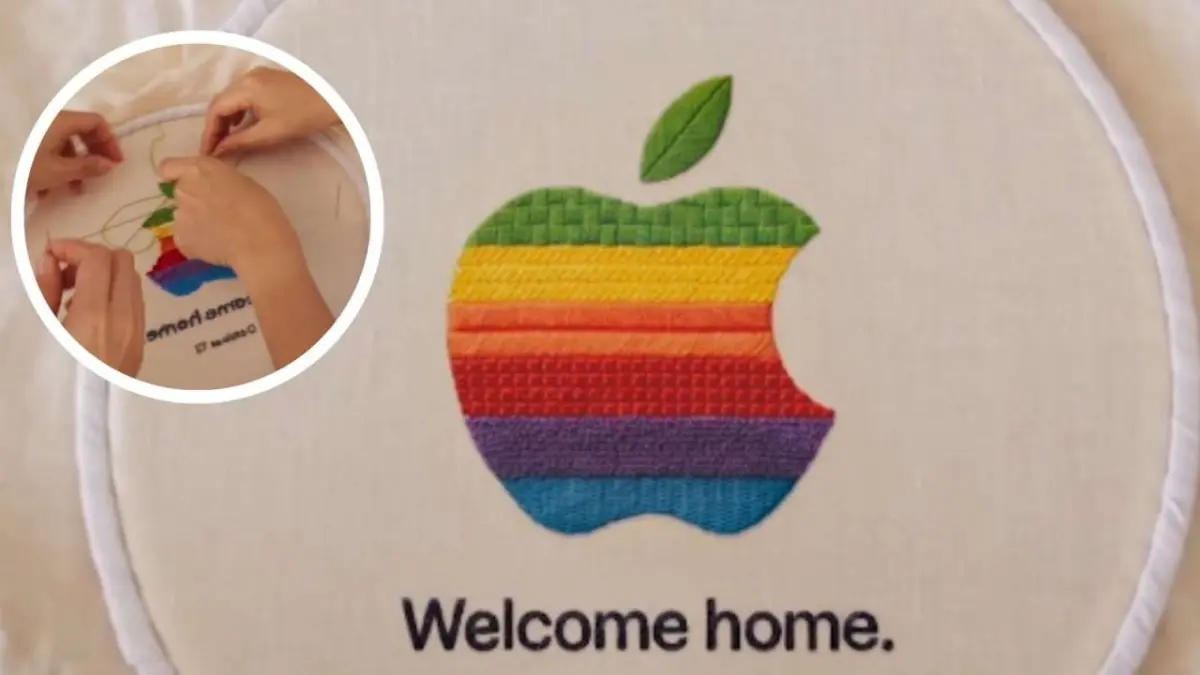
NEW YORK, NY – October 9, 2026 – Apple Inc. is poised to make a significant stride into the burgeoning smart home market with its highly anticipated "Welcome Home" event, scheduled for October 13. Industry observers and tech enthusiasts are eagerly awaiting a suite of new and updated products, with the groundbreaking HomePad hub, a refreshed HomePod mini, and an advanced Apple TV 4K expected to take center stage. This event, distinctively branded as an "Apple Experience" rather than a traditional keynote, signals a renewed and intensified focus from the Cupertino giant on integrating its ecosystem more deeply into daily domestic life.
The event is slated to commence at 9:00 AM ET (6:30 PM IST) in New York, a departure from Apple’s usual California-based launches, potentially underscoring the "home" theme. The initial teaser, a cryptic post on X by Apple’s marketing chief Greg Joswiak featuring a retro Apple logo, has fueled speculation, suggesting a strong emphasis on the Thread smart home standard and a broader vision for connected living.
A Pivotal Moment for Apple in the Smart Home Arena
For years, Apple has maintained a presence in the smart home sector through HomeKit, its software framework for controlling accessories, and the original HomePod, which, despite its impressive audio quality, struggled to gain significant market share against more affordably priced and feature-rich competitors like Amazon’s Echo and Google’s Nest devices. The HomePod mini, launched in 2020, offered a more accessible entry point but still left room for a more comprehensive, dedicated smart home hub.
The "Welcome Home" event is widely seen as Apple’s definitive statement of intent, moving beyond incremental updates to establish a foundational hardware presence designed to serve as the central nervous system of a modern, intelligent home. By focusing on a dedicated hub, Apple aims to consolidate control, enhance user experience, and leverage its formidable ecosystem to offer a seamless, secure, and privacy-centric smart home solution.
)
The Flagship Offering: Introducing the HomePad Hub
The centerpiece of the October 13 event is widely anticipated to be Apple’s first dedicated home hub, provisionally dubbed "HomePad." This device is expected to transcend the capabilities of existing smart speakers and displays, offering a more robust and integrated control experience for the entire home.
Innovative Design and Form Factors
Reports suggest the HomePad will feature a prominent 6-inch screen, providing a visual interface for interacting with smart home controls, Apple applications, and media. This display size positions it competitively against devices like the Amazon Echo Show and Google Nest Hub Max, which have already popularized screen-based smart home interaction. Crucially, the HomePad is rumored to be available in two distinct models: one designed for seamless wall-mounting, offering a sleek, integrated look, and another featuring a speaker base, intended for tabletop placement. This dual-form factor approach caters to diverse aesthetic preferences and home layouts, allowing users to choose the option that best fits their living spaces. The wall-mountable version, in particular, hints at a deeper integration into the home’s infrastructure, potentially becoming a permanent fixture that blends into the architecture.

homeOS: The Brains Behind the Smart Home Experience
Powering the HomePad is expected to be "homeOS," a new operating system reportedly based on Apple’s tvOS. This specialized OS is designed to optimize the smart home experience, offering a dedicated interface for managing connected devices. Key features anticipated include:
- Customizable Widgets: Users will likely be able to personalize their HomePad screen with widgets displaying essential information such as weather, calendar appointments, news headlines, and quick controls for frequently used smart home devices like lights, thermostats, and security cameras.
- Integrated Apple Apps: Expect deep integration with core Apple services, allowing users to access Apple Music, Apple Podcasts, Apple News, and potentially even simplified versions of productivity apps directly from the HomePad. This ensures continuity within the Apple ecosystem.
- Calendar and Communication: A prominently displayed calendar could help families manage schedules, while integrated communication features, potentially leveraging FaceTime, would allow for easy family communication within the home.
- Comprehensive Smart Home Controls: The core functionality will revolve around intuitive control of HomeKit and Matter-compatible devices. Users should be able to group devices, set scenes (e.g., "Good Morning," "Movie Night"), and monitor the status of their home at a glance.
Advanced Features for Enhanced Interaction
Beyond its core OS, the HomePad is rumored to incorporate several advanced features that aim to elevate the user experience and set it apart from competitors:
)
- Integrated Camera for FaceTime and Beyond: A front-facing camera is highly anticipated, enabling FaceTime calls directly from the HomePad. This would transform the device into a family communication hub. Furthermore, the camera could facilitate other innovative uses, such as displaying recipe videos during cooking or acting as a security monitor.
- Presence Sensors with Voice and Facial Recognition: This is perhaps one of the most intriguing rumored features. The HomePad could incorporate advanced sensors capable of detecting presence and even distinguishing between different family members through voice and facial recognition. This would enable highly personalized experiences, where the device adapts its display, music preferences, or smart home settings based on who is interacting with it. For instance, it could greet a specific family member by name, display their personalized calendar, or automatically adjust lighting to their preferred settings. This level of personalization raises questions about privacy, which Apple is expected to address through its robust security protocols.
Pricing and Market Positioning
In the highly competitive smart home market, pricing will be a crucial factor. Reports suggest the HomePad will retail for approximately USD 350, or roughly Rs 33,000 in India. This premium price point aligns with Apple’s established market strategy, positioning the HomePad as a high-end, feature-rich device. While higher than many entry-level smart displays, Apple aims to justify this cost through superior design, advanced features, ecosystem integration, and its reputation for privacy and security. The target demographic is likely existing Apple users seeking a more cohesive and sophisticated smart home experience, willing to invest in premium hardware.
Refining the Core: The Updated HomePod mini
Alongside the HomePad, Apple is expected to unveil an updated version of its popular HomePod mini. While the compact speaker has been a success, a refresh would bring it up to speed with the latest technological advancements and integrate it more deeply into Apple’s evolving smart home vision.
)
Performance and Connectivity Enhancements
The next-generation HomePod mini is rumored to receive significant internal upgrades without drastically altering its beloved spherical design. Key improvements are expected to include:
- Faster Processor: A more powerful processor will enable quicker response times for Siri commands, faster audio processing, and smoother performance for smart home automations.
- N1 Networking Chip: The inclusion of an N1 networking chip, potentially also found in the new Apple TV 4K, would enhance connectivity and data transfer speeds within the local network, crucial for a responsive smart home.
- Wi-Fi 7 and Bluetooth 6: Upgrading to Wi-Fi 7 would provide superior wireless speeds, lower latency, and increased capacity, future-proofing the device for increasingly data-intensive applications. Bluetooth 6 would offer improved range, reliability, and energy efficiency for connecting to other accessories.
- Enhanced Thread Support: Building on its existing Thread radio, the updated HomePod mini will likely offer even more robust support for the Thread networking standard, making it an even more reliable border router for Matter-compatible devices. This is crucial for creating a truly interoperable smart home.
- New Color Options: While the design is expected to remain largely consistent, Apple may introduce new color variants to allow for greater personalization and aesthetic integration into different home decors.
AI Evolution for Siri
One of the most anticipated enhancements is the integration of more advanced AI features for Siri. While Siri has been a staple of Apple devices, its capabilities in the smart home context have sometimes lagged behind competitors. The update is expected to bring:
)
- More Natural Language Understanding: Siri should become more conversational and better at understanding complex commands and context.
- Proactive Suggestions: Leveraging on-device intelligence, Siri could offer proactive suggestions based on routines, time of day, and user preferences.
- Deeper Smart Home Integration: Enhanced AI will allow Siri to control smart home devices with greater nuance, understand combined commands, and offer more personalized automation suggestions.
The Entertainment Hub: New Apple TV 4K
Apple’s commitment to the living room extends beyond audio, with a new Apple TV 4K also on the horizon. This device serves as a crucial component of the smart home ecosystem, acting as an entertainment hub and a HomeKit controller.
A Significant Hardware Overhaul
The next iteration of the Apple TV 4K is expected to feature a substantial upgrade in internal hardware, promising a more powerful and responsive user experience:
)
- N1 Chip: Similar to the HomePod mini, the N1 networking chip will likely improve network performance and connectivity.
- A19 or A19 Pro Chip: A major leap in processing power, moving from older A-series chips to the A19 or A19 Pro (potentially mirroring chips found in future iPhones/iPads), will unlock significantly enhanced gaming capabilities, smoother streaming of high-resolution content, and greater headroom for future applications. This could transform the Apple TV into a more formidable gaming console.
- Up to 12GB of RAM: An increased RAM capacity will allow for more demanding applications to run concurrently, improve multitasking, and enhance overall system fluidity, particularly beneficial for complex games and media processing.
Enhanced Siri AI Functions
Just like the HomePod mini, the new Apple TV 4K is expected to benefit from enhanced Siri AI functions. This will translate into:
- More Intuitive Content Search: Siri will be better at understanding natural language queries for movies, TV shows, and music across various streaming services.
- Seamless Smart Home Control: Users will be able to control their HomeKit and Matter devices directly through the Apple TV, using voice commands while watching content.
- Personalized Recommendations: Leveraging advanced AI, Siri could provide more accurate and personalized content recommendations based on viewing habits and preferences.
Expanding the HomeKit Ecosystem: Third-Party Accessories
Beyond Apple’s proprietary hardware, the "Welcome Home" event is also expected to highlight an expansion of the broader HomeKit ecosystem through strategic partnerships. Reports indicate that new LG-related accessories are being teased, including an indoor camera, a smart thermostat, and a video doorbell. These products are anticipated to go on sale a few months after the event.
)
This collaboration is significant for several reasons:
- Strengthening HomeKit: Integrating major appliance and smart device manufacturers like LG into the HomeKit framework enhances its appeal and functionality, offering consumers more choices for compatible devices.
- Leveraging Matter: These new accessories will undoubtedly be Matter-compatible, underscoring Apple’s commitment to the new interoperability standard. Matter aims to simplify the smart home experience by allowing devices from different brands to work together seamlessly, a long-standing challenge in the industry.
- Competitive Edge: By offering a wider array of first- and third-party accessories, Apple can better compete with the vast ecosystems of Amazon and Google, which have historically boasted a broader range of compatible devices.
Strategic Implications and Market Impact
The "Welcome Home" event signifies a pivotal moment for Apple’s long-term strategy in the consumer electronics market. Its intensified focus on the smart home carries several significant implications:
)
Apple’s Smart Home Ambitions: A Serious Contender
This event marks Apple’s most comprehensive and aggressive push into the smart home domain to date. By introducing a dedicated hub (HomePad) and significantly upgrading its existing smart home devices, Apple is signaling its intent to become a dominant player. The company aims to leverage its brand loyalty, emphasis on privacy, and seamless ecosystem integration to carve out a substantial share of the market.
The Competitive Landscape
The renewed focus from Apple will undoubtedly intensify competition with established players like Amazon, Google, and Samsung.
)
- Amazon (Alexa & Echo): Amazon currently holds a leading position with its wide array of Echo devices and the Alexa voice assistant. Apple’s HomePad will directly compete with devices like the Echo Show, offering a premium alternative that emphasizes privacy and tight integration with the Apple ecosystem.
- Google (Assistant & Nest): Google’s Nest Hubs and various smart speakers, powered by Google Assistant, are also major competitors. Apple’s homeOS and advanced AI for Siri will challenge Google’s strengths in intelligent assistance and contextual understanding.
- Samsung (SmartThings): Samsung’s SmartThings platform and extensive range of smart appliances offer a comprehensive smart home solution, particularly for users within the Samsung ecosystem. Apple’s push with HomeKit and Matter will provide a compelling alternative for those seeking a different brand loyalty.
The Promise of a Seamless and Secure User Experience
Apple’s long-standing commitment to user privacy and data security is a significant differentiator in the smart home market, where concerns about data collection and surveillance are prevalent. The HomePad, with its on-device processing for features like facial recognition and Apple’s robust security framework, aims to offer peace of mind to consumers. Furthermore, the emphasis on Thread and Matter standards promises to simplify setup and ensure interoperability, addressing one of the biggest frustrations for smart home early adopters. The vision is a smart home that "just works," seamlessly integrating into the lives of Apple users.
Economic Impact and Developer Opportunities
A successful launch of these new smart home products could have a ripple effect across the industry. Increased sales would boost Apple’s hardware revenue, and the expanded ecosystem could create new opportunities for third-party accessory manufacturers and software developers. The homeOS platform, if opened to developers, could foster an entirely new category of applications designed specifically for the HomePad, further enriching the Apple ecosystem.
)
Looking Ahead: A Busy October for Apple
While the "Welcome Home" event on October 13 is poised to dominate headlines, Apple’s busy fall product launch cycle isn’t expected to conclude there. Reports suggest that the company might host another presentation on October 27, which is anticipated to focus on its computing lineup. This subsequent event is rumored to unveil new Macs, potentially featuring updated Apple Silicon processors, and a highly anticipated OLED iPad mini, bringing advanced display technology to Apple’s compact tablet offering.
This two-pronged approach underscores Apple’s broader strategy to refresh and expand its product portfolio across multiple categories, ensuring that its ecosystem remains competitive and compelling for consumers globally.
)
Conclusion
The "Welcome Home" event on October 13 is more than just another product launch; it represents a strategic realignment for Apple. By introducing the HomePad, a significantly enhanced HomePod mini, and a powerful new Apple TV 4K, the company is making a bold statement about its ambition to lead the smart home revolution. With a focus on innovative design, a dedicated operating system, advanced AI features, and a renewed commitment to interoperability through Thread and Matter, Apple is poised to offer a compelling, secure, and seamlessly integrated smart home experience. As the world watches, the outcome of this event could very well redefine the standards and expectations for intelligent living in the years to come.
