

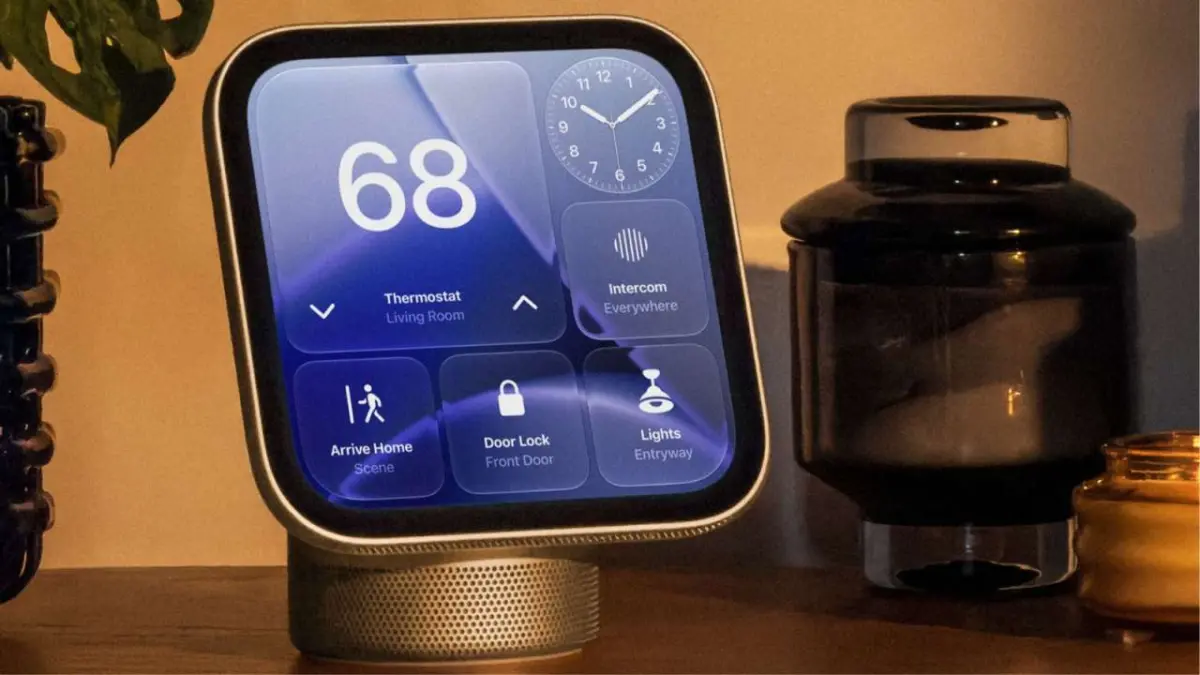
NEW YORK, NY – Apple has officially taken its second significant plunge into the smart home market with the introduction of HomeView, a 7-inch smart home screen designed to serve as a seamless extension of the iPhone experience. Priced at USD 299 and slated for a November launch, HomeView represents a calculated pivot for the Cupertino giant, moving away from its previous audiocentric approach to focus on personalized AI, robust privacy features, and an elegant, understated design philosophy.
Dubbed by some as "boring" – a label Apple itself seems to embrace as a strategic advantage – HomeView aims to differentiate itself from the often complex and data-hungry offerings of competitors like Amazon and Google. By leveraging its established ecosystem and reputation for privacy, Apple is positioning HomeView as a trustworthy, intuitive hub for the modern smart home, primarily driven by a highly personalized Siri AI.
Main Facts: Apple’s New Entry into the Connected Home
Apple’s HomeView is a compact, 7-inch touchscreen device engineered for intuitive interaction within the home environment. Unveiled at a recent New York event, the device carries a price tag of USD 299 and is scheduled to hit retail shelves in November. Its core proposition is to act as an extension of the iPhone, offering a personalized smart home experience through advanced Siri AI, capable of distinguishing individual users via camera and voice recognition.
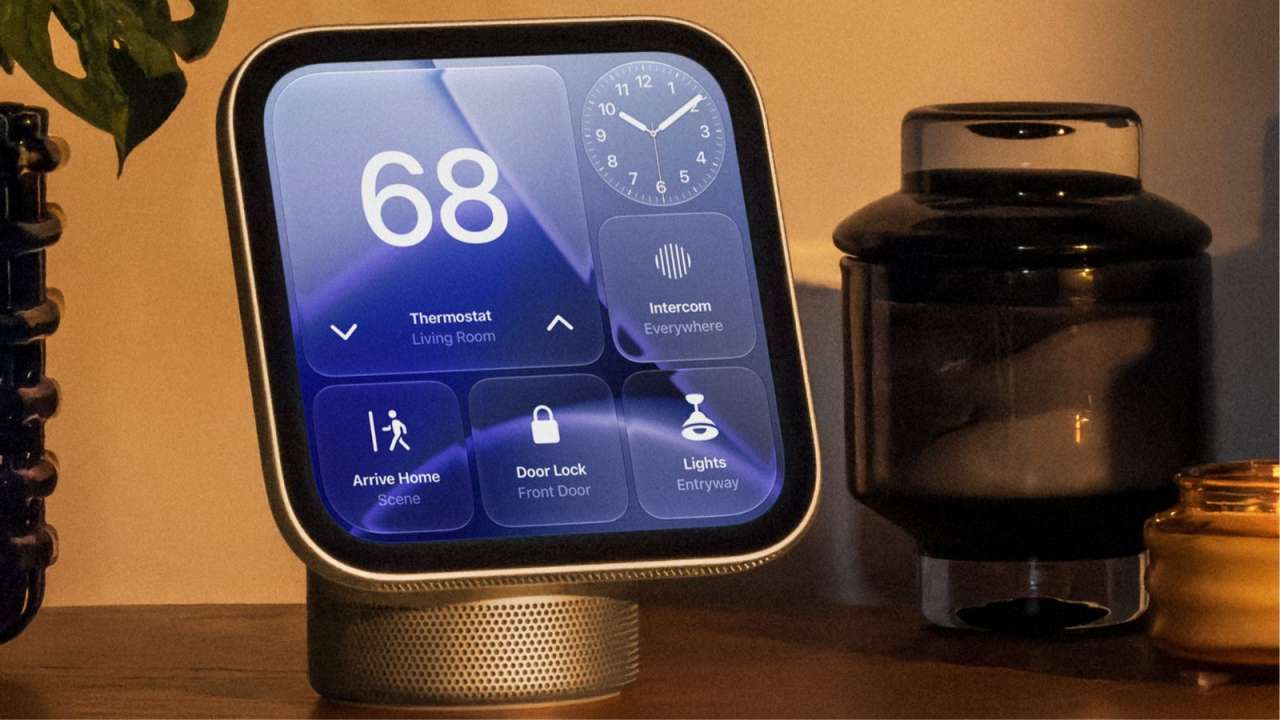
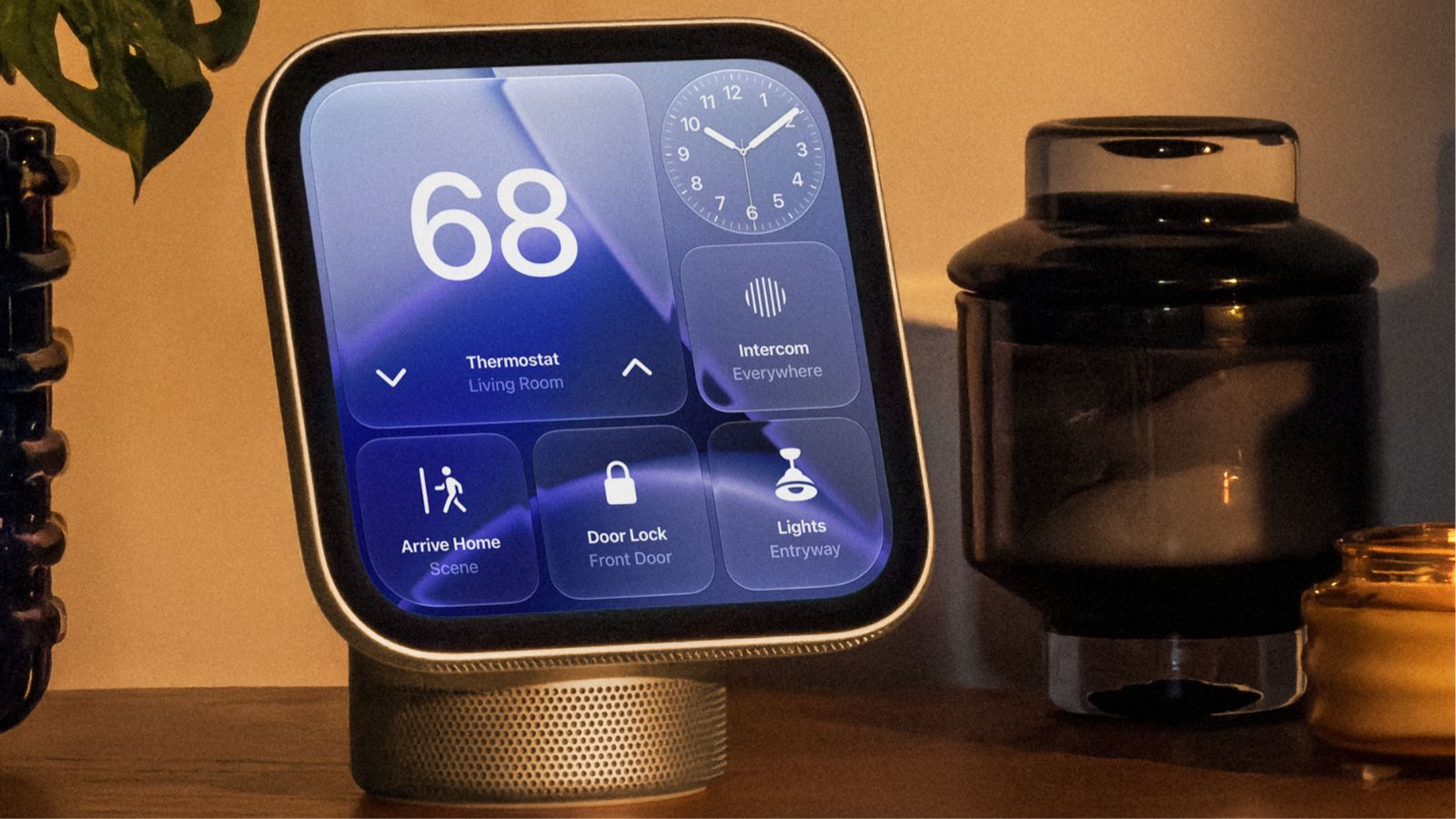
The physical design of HomeView emphasizes simplicity and elegance, characteristic of Apple’s aesthetic. It can be placed on a minimalist aluminum base or discreetly mounted on a wall, blending seamlessly into various home decors. Beyond its visual appeal, the device boasts practical functionality, personalizing home screens with relevant apps, calendar appointments, and notifications for each recognized user.
A cornerstone of HomeView’s design philosophy is its unique approach to data privacy. Unlike many smart home devices that store personal data directly on the unit or heavily rely on cloud processing, HomeView is designed to minimize local data storage. Instead, it relies on a nearby iPhone for contextual information and much of its personal data processing, a strategy Apple believes will foster greater user confidence and trust. This architecture ensures that sensitive user data remains primarily within the secure confines of the user’s iPhone ecosystem.
While core Apple applications such as FaceTime and Apple Music are natively integrated, the device’s interaction with third-party services, such as Spotify, requires direct support from a connected iPhone. This interdependence underscores HomeView’s identity not as a standalone smart hub, but rather as an intelligent, interactive extension of Apple’s ubiquitous smartphone. This strategic decision reinforces Apple’s commitment to its integrated ecosystem, aiming to provide a coherent and controlled user experience that distinguishes it from the more open, yet potentially fragmented, platforms of its rivals.
)
Chronology: Apple’s Journey Through the Smart Home Landscape
Apple’s foray into the smart home market has been a journey marked by ambitious attempts, market adjustments, and a continuous learning curve. HomeView is not the company’s first endeavor to capture a significant share of the connected living space; it represents a refined strategy building upon previous experiences, most notably with the HomePod.
The HomePod Era (2018-2021): A Premium Audio Bet
Apple first entered the smart speaker market in February 2018 with the launch of the original HomePod. Positioned as a high-fidelity smart speaker, its primary selling point was its exceptional audio quality, designed to rival premium audio systems. However, its initial price point of USD 349, coupled with a relatively nascent Siri assistant that lagged behind Amazon’s Alexa and Google Assistant in terms of versatility and third-party integrations, proved to be significant hurdles.

Despite Apple’s brand loyalty and ecosystem strength, the HomePod struggled to gain substantial traction against the more affordable and feature-rich offerings from Amazon Echo and Google Home (now Nest Hub) devices. These competitors had already established a strong foothold by focusing on the AI assistant’s capabilities and a broader range of smart home device compatibility, often at much lower price points. The HomePod, while lauded for its sound, was perceived as a niche product, catering primarily to audiophiles already deeply embedded in the Apple ecosystem. Its market share remained modest, hovering around the 6% mark cited in the initial article, never truly challenging the dominance of its rivals.
In March 2021, Apple made the strategic decision to discontinue the original HomePod, signaling a recalibration of its smart home ambitions. This move, however, was not an abandonment of the market but rather a consolidation around a more accessible product.
The HomePod mini (2020): Learning from Experience
)
Prior to discontinuing the original HomePod, Apple had already introduced the HomePod mini in October 2020. Priced at a more competitive USD 99, the mini aimed to address the accessibility issues of its larger sibling. While still prioritizing audio quality within its smaller form factor, the HomePod mini placed a greater emphasis on smart assistant functionality and seamless integration with Apple’s HomeKit smart home platform. It also introduced features like "Intercom," allowing family members to communicate across HomePod devices in different rooms.
The HomePod mini represented Apple’s acknowledgment that price and broader smart home integration were crucial for mass-market adoption. It found a more receptive audience, demonstrating that there was indeed a demand for Apple’s approach to the smart home, provided the entry barrier was lowered and the utility extended beyond just premium audio.
The Evolution Towards HomeView (2021-2026): A Visual and Personal Turn
)
The period between the HomePod mini’s launch and HomeView’s unveiling saw significant advancements in the broader smart home market. Smart displays, pioneered by Amazon and Google, became increasingly popular, offering visual interaction, video calls, media consumption, and a more intuitive way to manage connected devices. Privacy concerns also grew exponentially, as consumers became more aware of how their voice commands and personal data were being collected and utilized by always-on listening devices.
Against this backdrop, Apple’s development of HomeView appears to be a direct response to these evolving market dynamics and lessons learned from its own past. It acknowledges the importance of a visual interface, addresses the demand for personalized experiences, and crucially, doubles down on Apple’s core differentiator: privacy. HomeView is not just another smart display; it is Apple’s refined vision of how a smart home device should integrate into a user’s life – discreetly, securely, and seamlessly within the familiar Apple ecosystem. This new device represents Apple’s latest, and arguably most strategic, attempt to carve out a significant and defensible niche in the increasingly crowded smart home arena.
Supporting Data: The "Boring" Strategy, Market Dynamics, and Competitive Landscape
Apple’s HomeView enters a smart home market that has seen rapid growth and fierce competition over the past decade. While Amazon and Google have dominated the smart speaker and smart display segments, Apple’s "boring" strategy, rooted in simplicity and trustworthiness, aims to carve out a distinct position by leveraging its unique strengths.
)
The Power of "Boring": Simplicity as a Strategic Differentiator
Apple’s decision to embrace "boring" as a strategic advantage is a direct counter-narrative to the prevailing trends in AI and smart home technology. In an era where AI products are often criticized for their complexity, intrusive data collection, and occasional unreliability, Apple is betting that a simple, predictable, and profoundly trustworthy device will resonate with a significant segment of consumers.
- Trust and Privacy: This is arguably HomeView’s most compelling differentiator. Apple has meticulously built a brand reputation around user privacy, contrasting sharply with the business models of many tech giants that rely on extensive data collection for advertising and service improvement. HomeView’s architecture, which largely defers personal data processing to a nearby iPhone rather than storing it locally or extensively on cloud servers, reinforces this commitment. This approach is designed to alleviate growing consumer anxieties about always-on microphones, cameras, and the potential misuse of personal information. For many users, the peace of mind offered by Apple’s privacy-first design could be a decisive factor, particularly for a device placed centrally in their home.
- Seamless Ecosystem Integration: HomeView is explicitly designed as an "iPhone extension." This deep integration means a familiar user experience, consistent privacy controls managed through the iPhone, and direct access to personal data (calendars, messages, music preferences) without needing to re-authenticate or re-sync extensively. This stands in contrast to the often fragmented experience of integrating various third-party smart home devices on other platforms, where different brands and ecosystems might not communicate as smoothly.
- User Experience (UX) Simplicity: The "boring" design extends to the user interface. Apple aims for an intuitive, uncluttered experience that avoids overwhelming users with too many features or complex settings. This focus on ease of use is intended to reduce the learning curve and increase daily utility, making HomeView a practical tool rather than a complicated gadget.
Market Dynamics and Competitive Analysis
)
The smart home market, particularly the smart display segment, has been largely shaped by two dominant players: Amazon and Google.
- Amazon Echo Show: Amazon pioneered the smart display with its Echo Show line, integrating its Alexa AI assistant with a visual interface. These devices range in price and feature set, from the smaller Echo Show 5 (often under USD 100) to the larger Echo Show 15 (around USD 250), which can be wall-mounted and acts as a family hub. Amazon’s strength lies in its vast ecosystem of Alexa-compatible devices, extensive third-party skills, and aggressive pricing strategies, often bundling devices or offering significant discounts. Alexa’s ubiquity and ability to control a wide array of smart home gadgets have made Amazon a formidable leader.
- Google Nest Hub: Google’s entry, the Nest Hub series, offers a similar proposition with the Google Assistant at its core. Devices like the Nest Hub (often under USD 100) and the Nest Hub Max (around USD 229) provide visual search, YouTube integration, Google Photos display, and robust smart home controls. Google’s strength is its powerful AI, deep integration with Google services (Calendar, Maps, Gmail), and superior visual search capabilities. Its devices also tend to offer a strong privacy focus compared to earlier iterations, often featuring physical camera shutters or mic mute switches.
The "High-End Market" Strategy
Despite the entrenched competition, Apple is strategically positioning HomeView in the high-end segment, a strategy that has consistently yielded success for the company. The USD 299 price tag, while higher than many comparable entry-level smart displays from Amazon and Google, is consistent with Apple’s premium pricing model.
)
- iPhone Precedent: As the article notes, the iPhone consistently commands the premium smartphone market despite being more expensive than most Android counterparts. Apple achieves this through perceived superior quality, design, ecosystem benefits, strong brand loyalty, and a commitment to privacy and security. HomeView seeks to replicate this success in the smart home.
- Target Audience: Apple is likely targeting its existing base of iPhone users who are already invested in the Apple ecosystem and are accustomed to paying a premium for integrated, high-quality experiences. For these users, the seamless integration, personalized Siri, and privacy assurances of HomeView may justify the higher price over a less integrated, potentially less secure, or more complex alternative.
- Addressing Market Gaps: While Amazon and Google have been in the smart home industry for nearly a decade, the original article correctly points out that they "have not created a clear lead" in terms of universally satisfying all consumer needs, especially around privacy and seamless, truly personalized experiences across a single, integrated ecosystem. Fragmentation, varying levels of device compatibility, and persistent privacy concerns remain challenges for these platforms. Apple believes there is a significant market for a simpler gadget that links closely with the iPhone and tackles privacy issues head-on, offering a compelling alternative to the current market leaders.
In essence, Apple’s "boring" strategy is anything but dull; it is a calculated move to capitalize on growing consumer demand for simplicity, reliability, and most importantly, privacy, within the context of an already established and trusted ecosystem.
Official Responses and Industry Commentary
While Apple rarely provides direct, detailed responses outside of its official product launches and press releases, the introduction of HomeView at a New York event clearly articulated the company’s strategic vision. Industry analysts and commentators have, in turn, offered a range of perspectives on Apple’s latest smart home endeavor.
Apple’s Stated Philosophy:
)
At the launch event, Apple’s representatives emphasized several key tenets underpinning HomeView’s development:
- Simplicity and Elegance: Apple underscored its commitment to an understated design and an intuitive user experience. The device’s minimalist aesthetic and straightforward functionality were highlighted as deliberate choices to reduce complexity and integrate harmoniously into users’ living spaces. This aligns with Apple’s broader design philosophy, which often prioritizes clean lines and user-friendly interfaces.
- Personalization through Advanced Siri: The company stressed HomeView’s ability to offer truly personalized experiences, distinguishing between family members through camera and voice recognition. This capability, powered by an enhanced Siri AI, aims to deliver relevant information and tailored interactions, moving beyond generic responses to anticipate individual user needs.
- Privacy as a Core Feature: Crucially, Apple reiterated its unwavering commitment to user privacy. The emphasis on HomeView’s reliance on a nearby iPhone for much of its personal data context and processing was presented as a fundamental design principle. This approach is intended to reassure users that their sensitive information remains secure and under their control, directly addressing widespread concerns about data collection in the smart home.
- Ecosystem Synergy: Apple positioned HomeView as an integral part of its existing ecosystem. The device’s function as an "iPhone extension" and its seamless integration with Apple services like FaceTime and Apple Music, along with HomeKit-enabled smart home accessories, underscores the company’s strategy of creating a cohesive and interconnected user experience.
Industry Analyst and Commentator Reactions:
The market’s reception to HomeView has been a mix of cautious optimism and critical scrutiny, reflecting the challenges and opportunities inherent in Apple’s strategy.
)
- Pricing Concerns vs. Premium Value: Many commentators immediately pointed to the USD 299 price tag as a potential hurdle. "At nearly $300, HomeView is significantly more expensive than Amazon’s Echo Show or Google’s Nest Hub, which offer similar screen sizes and core functionalities for half the price or less," noted one tech journalist. However, others countered that this pricing is consistent with Apple’s premium brand positioning. "Apple has consistently proven that it can command higher prices for products that offer a superior, integrated experience and strong privacy assurances," remarked a market analyst. "For the loyal Apple user, the price reflects the value of being securely within their established ecosystem."
- The "Boring" Strategy – Shrewd or Underpowered? Apple’s self-proclaimed "boring" strategy has also sparked debate. Some analysts view it as a brilliant move to cut through the noise of overly complex AI products. "In a world saturated with AI that can feel intrusive or unreliable, Apple’s focus on simplicity and trust is a refreshing differentiator," suggested a consumer electronics expert. "They’re betting that reliability and privacy will outweigh flashiness for many users." Conversely, critics questioned whether a "simple" device could truly compete with the vast feature sets and open-ended extensibility of Amazon and Google’s platforms. "HomeView’s reliance on the iPhone for third-party apps might limit its standalone appeal compared to devices that offer broader native support," cautioned another commentator.
- Ecosystem Lock-in: Strength and Weakness: The deep integration with the iPhone ecosystem was seen as both HomeView’s greatest strength and its potential limitation. For existing Apple users, it promises a seamless and secure experience. "This is an obvious play for Apple to further entrench its users within its ecosystem, offering another compelling reason to stay with iPhone," observed a tech industry pundit. However, for non-iPhone users or those with a mixed-device household, HomeView’s appeal might be significantly diminished, potentially restricting its market reach.
- Privacy as a Competitive Edge: There was broad consensus that Apple’s explicit emphasis on privacy is a powerful competitive tool. "As consumers grow increasingly wary of data collection, Apple’s privacy-centric design for HomeView could be its secret weapon," stated an expert on digital ethics. "It’s a clear differentiator in a market where trust has become a premium commodity."
In summary, while HomeView faces the challenge of a crowded and established market, Apple’s official messaging and the subsequent industry commentary highlight a strategic and intentional play. The company is not merely entering the smart display market; it is redefining its approach to the connected home by prioritizing trust, simplicity, and an unparalleled ecosystem experience, even if it comes at a higher price point.
Implications: Reshaping the Smart Home Landscape and Apple’s Future Trajectory
The launch of Apple’s HomeView carries significant implications, not only for the smart home market but also for Apple’s long-term strategy, the competitive landscape, and consumer expectations regarding privacy and technology integration.
For Apple: Deepening Ecosystem Roots and Expanding Reach
)
HomeView represents a crucial step in Apple’s ambition to permeate every aspect of a user’s digital life. By offering a dedicated screen for the home that seamlessly extends the iPhone, Apple aims to:
- Strengthen Ecosystem Lock-in: HomeView provides another compelling reason for users to remain within the Apple ecosystem. For iPhone owners, the promise of unparalleled integration, personalized Siri, and robust privacy offers a cohesive experience that competitor devices cannot fully match without significant compromises.
- New Touchpoint for Services: The device acts as a persistent touchpoint for Apple’s growing suite of services, including Apple Music, FaceTime, and potentially Apple Fitness+ or Apple TV+ in the future. This could drive increased engagement and subscriptions, bolstering Apple’s recurring revenue streams.
- Re-energize HomeKit: By providing a central, visually-driven hub, HomeView could significantly boost the adoption and utility of Apple’s HomeKit smart home platform, encouraging more users to invest in HomeKit-compatible accessories.
- Learning and Evolution: HomeView’s success or challenges will provide Apple with invaluable data and insights, informing the development of future ambient computing devices and further refinements to its AI and privacy frameworks.
For Competitors: A Wake-Up Call for Innovation and Trust
Amazon and Google, having enjoyed a decade of relative dominance in the smart display market, will undoubtedly feel the pressure from Apple’s entry:
)
- Heightened Focus on Privacy: Apple’s explicit emphasis on privacy will likely force competitors to re-evaluate and enhance their own privacy practices and transparency. Consumers, now with a premium privacy option, may demand more from existing smart home devices. This could lead to clearer data policies, more granular privacy controls, and potentially new hardware designs that build greater trust.
- Ecosystem Cohesion: While Amazon and Google boast vast ecosystems of third-party integrations, Apple’s tightly integrated approach might highlight the fragmentation that sometimes plagues these platforms. Competitors may need to work harder to offer a similarly seamless and intuitive experience, perhaps through improved cross-device communication or more curated integration pathways.
- Premium Market Challenge: Apple’s ability to command a premium price for HomeView will challenge the prevailing assumption that smart displays must be low-cost commodities. If HomeView succeeds, it could validate a higher-end segment for smart displays, pushing competitors to innovate on design, materials, and unique features beyond just price.
- AI Personalization Race: HomeView’s personalized Siri, driven by camera and voice recognition, will intensify the race for truly individualized AI experiences. Amazon and Google will need to demonstrate equally sophisticated or superior personalization capabilities to maintain their competitive edge.
For Consumers: Elevated Expectations and New Choices
The introduction of HomeView offers consumers new options and potentially raises their expectations for smart home technology:
- Privacy-Conscious Choice: For consumers deeply concerned about their data, HomeView provides a compelling, premium alternative that aligns with their values. This could empower users to demand higher privacy standards across the entire smart home industry.
- Seamless User Experience: iPhone users will benefit from an unparalleled level of integration and familiarity, reducing friction in adopting new smart home technology.
- Ambient Computing Vision: HomeView is a tangible step towards the future of ambient computing – where technology is seamlessly integrated into the environment, anticipating needs and fading into the background. It demonstrates how personalized AI can create a more intuitive and responsive home.
- Price vs. Value Decision: Consumers will be faced with a clear choice between the more affordable, feature-rich, but potentially less privacy-centric and integrated options from Amazon and Google, versus Apple’s premium, privacy-focused, and deeply integrated ecosystem play. This decision will highlight individual priorities regarding cost, features, and trust.
Potential Challenges and Future Outlook
)
Despite its strategic advantages, HomeView will face challenges. Its premium price may still deter some budget-conscious consumers. The initial reliance on a nearby iPhone for full third-party app functionality could be seen as a limitation compared to the standalone capabilities of some competitors. Furthermore, Apple will need to continuously innovate and expand HomeView’s capabilities, especially in supporting a broader range of smart home standards and third-party integrations over time.
However, HomeView’s launch signifies a mature and calculated move by Apple. It is not an attempt to win a price war, but rather to dominate the premium segment by offering a superior, trustworthy, and deeply integrated experience for its loyal user base. By embracing "boring" as a strategy, Apple is betting that in an increasingly complex and data-saturated world, simplicity, elegance, and unwavering privacy will ultimately be its secret weapon in finally winning the heart of the smart home. The smart home landscape is poised for a significant shift, as Apple once again aims to redefine user expectations and set new industry benchmarks.
