

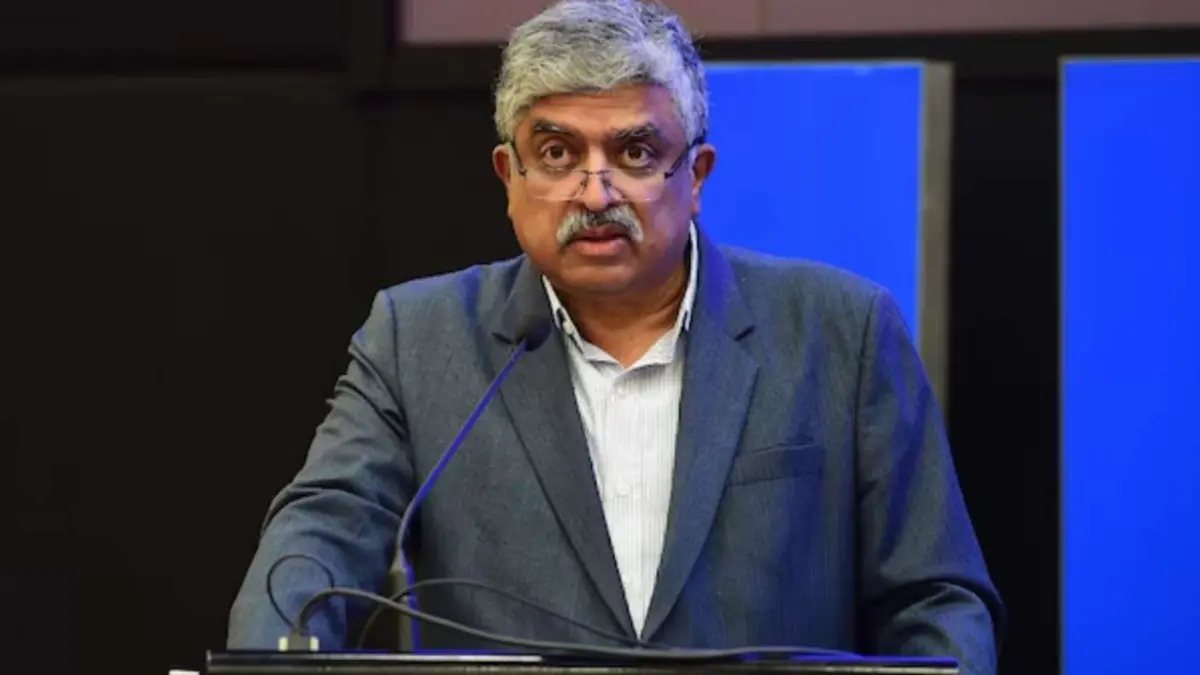
New Delhi, India – October 14, 2026 – In a bold stride towards modernizing India’s examination system and eradicating the pervasive issue of paper leaks, Nandan Nilekani, the distinguished co-founder of Infosys and a key figure in the nation’s digital transformation, has put forth a revolutionary proposal. Speaking at the Bloomberg New Economy Forum 2026, Nilekani advocated for the adoption of Artificial Intelligence (AI) to generate question papers at the eleventh hour, coupled with a decisive shift towards computer-based testing (CBT) for all major examinations. This initiative, stemming from his leadership of a high-powered government task force on exam reforms, aims to dismantle the very economic incentives that fuel the illicit trade of leaked examination materials.
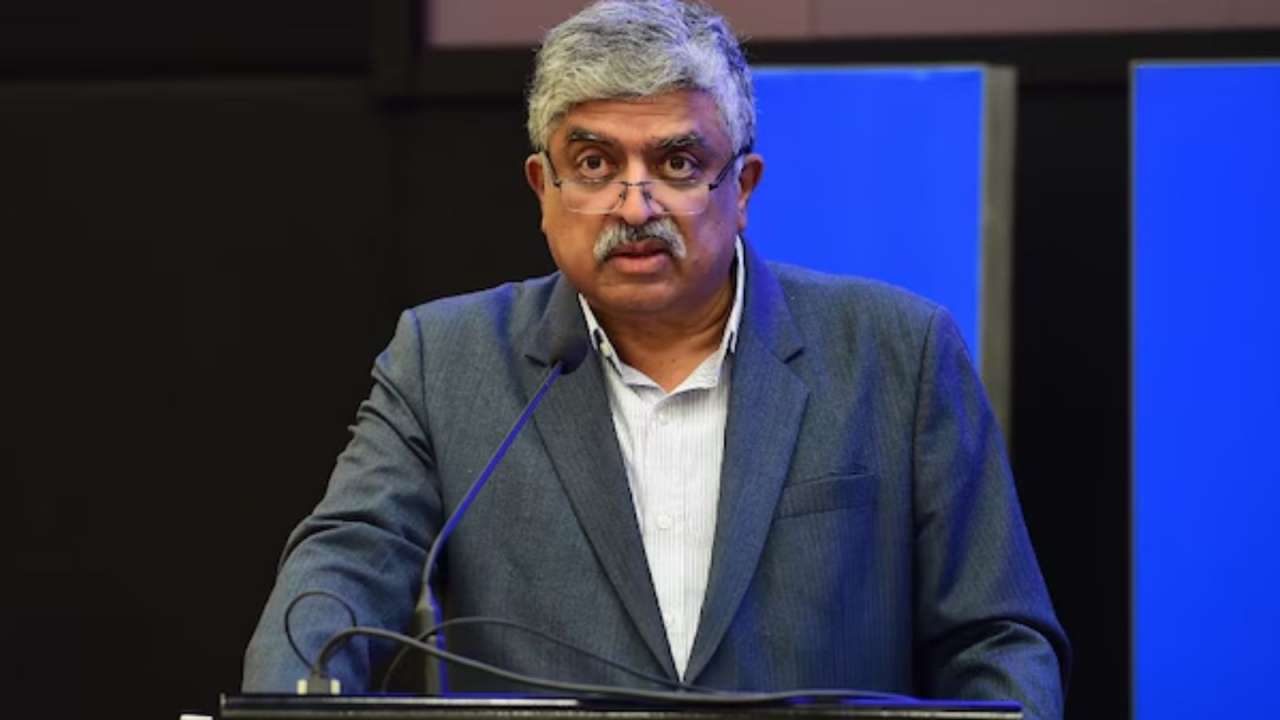
The Genesis of a Radical Idea: Tackling Paper Leaks Head-On
The specter of paper leaks has long cast a dark shadow over India’s competitive examination landscape, undermining the meritocratic principles and causing immense distress to millions of aspiring students. Recognizing the deep-seated nature of this problem, the central government, in July of this year, constituted a six-member task force on exam reforms, placing Nandan Nilekani at its helm. His recent pronouncements at the Bloomberg New Economy Forum signal a paradigm shift in how examinations could be conceptualized and administered in the future.
)
Nilekani articulated his core argument with striking clarity: "Why do we need to have something called ‘a question paper’? Because that creates an economic incentive for it to be sold." This fundamental observation underscores the inherent vulnerability of a system where a static set of questions exists long before the examination date. This predictability, he argued, provides a fertile ground for malfeasance.

The proposed solution is as innovative as it is ambitious: leverage the power of Artificial Intelligence to create a dynamic and unpredictable question paper generation process. Nilekani envisions a massive, continuously updated question bank from which exam papers would be generated on-demand, mere moments before the commencement of the test. This "last-minute generation" would, in theory, render the concept of a leak moot, as the specific set of questions would not exist in a tangible form for long enough to be exploited.
)
While Nilekani did not delve into the specifics of how such a colossal question bank would itself be secured from potential breaches, the immediate implication of his proposal is a significant disruption to the existing modus operandi of exam leak rackets. The economic rationale for leaking a paper would be severely diminished, if not entirely eliminated, if the very document being leaked were to be unique and ephemeral.
)
The Imperative of Digital Transformation: Embracing Computer-Based Testing
The success of Nilekani’s AI-driven question paper generation model is intrinsically linked to a broader digital transformation of the examination process. He emphasized that this novel approach would only be feasible within a computer-based testing (CBT) framework. This marks a significant push by the task force to accelerate the adoption of digital testing across the country.
)
"The committee is looking at how to make sure all exams are done on CBT. That requires a network of locations," Nilekani stated, highlighting the infrastructural requirements for such a nationwide rollout. The vision involves leveraging existing infrastructure, potentially expanding it, to accommodate a surge in digital examinations. The current estimate of 150,000 potential testing locations is seen as a starting point, with a need for further expansion to cater to the vast student population.
)
This advocacy for CBT is not merely about facilitating AI-generated papers; it also aligns with global trends in standardized testing, offering benefits such as faster results, reduced logistical challenges associated with manual paper handling, and enhanced security features inherent in digital platforms. However, the transition to CBT is not without its challenges, particularly in a country as diverse as India, where the digital divide remains a significant concern.
)
Addressing the Digital Divide: Challenges and Potential Solutions
The successful implementation of a nationwide CBT system, especially one that relies on last-minute AI-generated content, will necessitate robust digital infrastructure and equitable access for all students. Nilekani’s statement acknowledged the need for a network of locations, but he did not elaborate on how the task force plans to address the persistent digital divide between urban and rural areas, or the accessibility issues for students from economically disadvantaged backgrounds.
)
Reports indicate that the National Testing Agency (NTA), the primary body responsible for conducting national-level entrance examinations, is actively collaborating with the All India Council for Technical Education (AICTE) to identify suitable IT infrastructure and government institutions for establishing standardized testing centers. A critical aspect of this collaboration is the conscious decision to avoid private centers due to concerns about their integrity and potential for manipulation. This strategic move underscores the government’s commitment to building a trustworthy and secure testing ecosystem.
)
The logistical complexities of ensuring reliable internet connectivity, adequate computing power, and secure operating environments across thousands of diverse locations will be immense. Innovative solutions, perhaps involving offline modes for certain components of the tests or mobile testing units for remote areas, might need to be explored to bridge the gap and ensure no student is disenfranchised.
)
The Task Force: A Deep Dive into Exam Reforms
The task force, formed in the wake of widespread protests and the resignation of Education Minister Dharmendra Pradhan following a series of high-profile paper leaks, is mandated to deliver a comprehensive report within three months. Its formation on July 26th marked a crucial turning point in the government’s approach to addressing the systemic issues plaguing competitive examinations.
)
Led by Nandan Nilekani, the task force comprises a formidable array of expertise. Its members include former ISRO chief S. Somanath, renowned for his leadership in India’s space program, and former Intelligence Bureau director Tapan Deka, bringing invaluable insights into national security and intelligence gathering. This diverse composition suggests a holistic approach to exam reforms, encompassing not only technological solutions but also administrative and security enhancements.
)
The task force has been diligently working, having already conducted 18 internal meetings and engaged in extensive consultations with over 40 stakeholders. This outreach includes invaluable dialogue with students, parents, and various exam conducting bodies such as the National Recruitment Agency (NRA), the Staff Selection Commission (SSC), and the Railway Recruitment Boards (RRB). The sheer volume of feedback, reportedly exceeding 50,000 suggestions from across the spectrum, highlights the widespread concern and the urgent need for effective reforms.
)
Implications and Future Outlook: A New Dawn for Indian Examinations?
Nandan Nilekani’s proposals, if successfully implemented, have the potential to fundamentally alter the landscape of examinations in India. The prospect of AI-generated question papers at the last minute offers a potent weapon against the organized criminal networks that profit from paper leaks. This could restore a much-needed sense of fairness and equal opportunity for students who have often seen their hard work undermined by such malpractices.
)
The accelerated push towards Computer-Based Testing signifies a commitment to modernization and efficiency. It promises a more streamlined examination process, quicker result dissemination, and potentially a more standardized evaluation methodology. However, the success of this digital transition hinges on the government’s ability to address the digital divide effectively and ensure equitable access to technology for all aspiring candidates.
)
The challenges are significant, but the potential rewards are immense. A robust, secure, and transparent examination system is not just a matter of administrative efficiency; it is a cornerstone of social mobility and national development. Nandan Nilekani’s visionary proposals, backed by a dedicated and experienced task force, offer a glimpse into a future where meritocracy is truly upheld, and the integrity of educational assessments is beyond reproach. The coming months will be crucial as the task force finalizes its recommendations, and the nation awaits the dawn of a new era in examination reforms.
