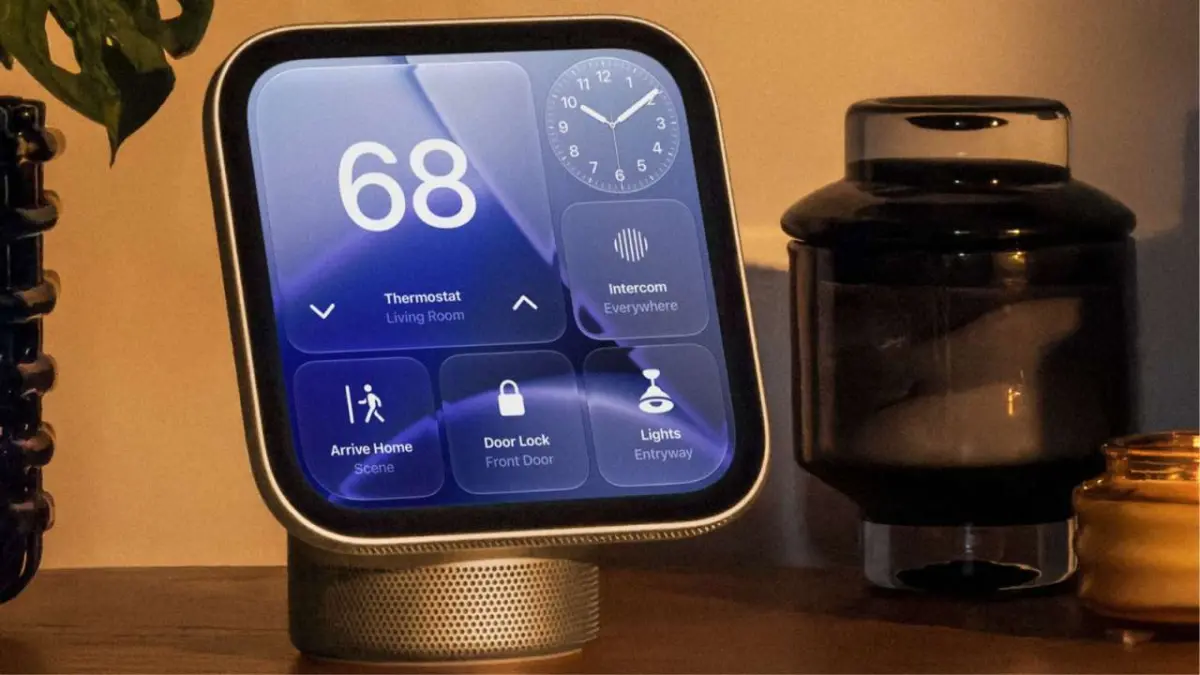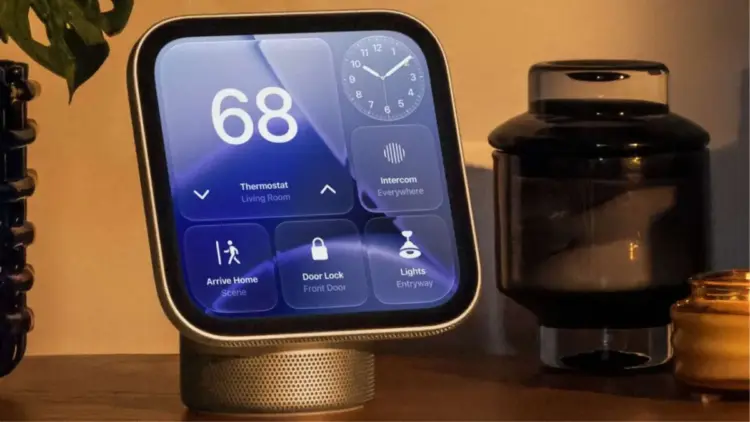
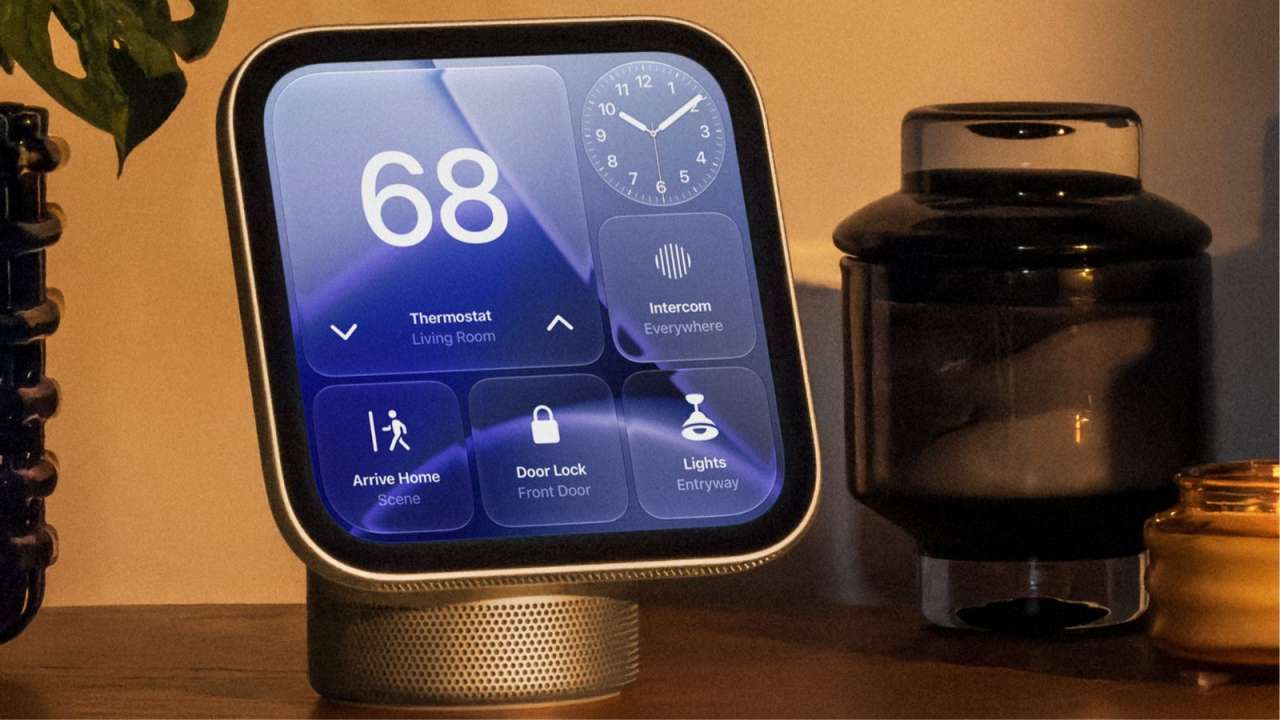
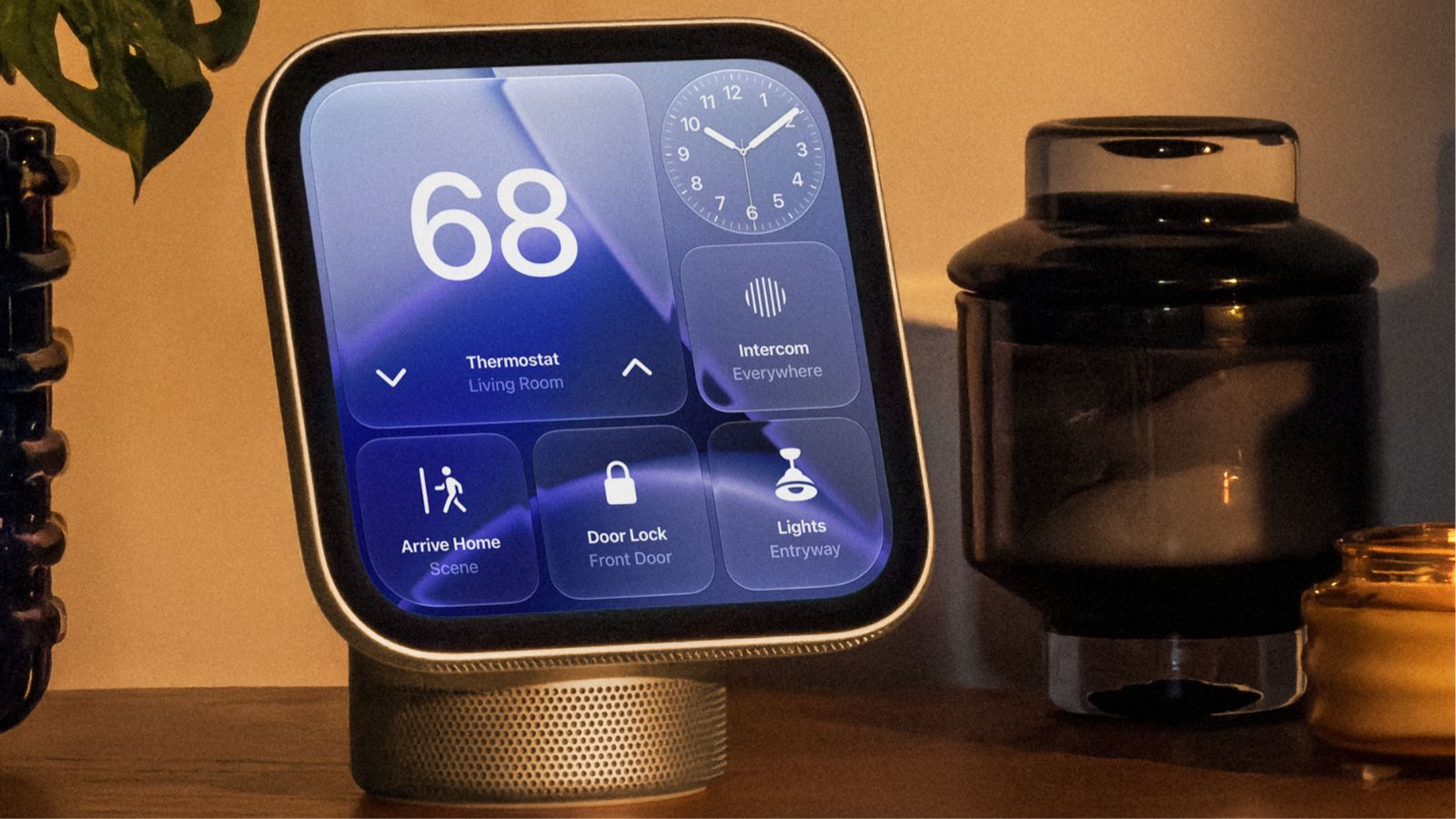
New York, NY – October 14, 2026 – Apple, the Cupertino-based technology giant, has once again thrown its hat into the competitive smart home arena with the unveiling of HomeView, a 7-inch smart home screen designed as an intelligent extension of the iPhone. Priced at USD 299 and slated for a November launch, HomeView represents Apple’s second significant foray into the home market, following the 2018 introduction of the HomePod. However, this time, the company appears to be adopting a markedly different strategy: one of deliberate simplicity and unwavering trustworthiness, a calculated move that some commentators are already labeling "boring" – yet potentially Apple’s secret weapon against long-established rivals like Amazon and Google.
The announcement, made at a special event in New York, underscores Apple’s ambition to capture a larger share of the burgeoning smart home market. Unlike its competitors who often prioritize breadth of features and aggressive AI integration, Apple’s HomeView positions itself as a streamlined, privacy-centric device, deeply integrated into the existing Apple ecosystem. It aims to offer a personalized Siri AI experience, seamlessly extending the user’s iPhone functionality into the ambient environment of their home, thereby fostering a new era of intuitive and secure home connectivity.
The Genesis of HomeView: A Chronological Look at Apple’s Smart Home Journey
Apple’s journey into the smart home has been characterized by both innovation and notable challenges. Understanding HomeView’s genesis requires a brief look back at the landscape it seeks to navigate and the lessons learned from previous endeavors.
The Early Days and the Rise of Competitors (Pre-2018): Before Apple’s first dedicated smart home device, the market was largely defined by the pioneering efforts of Amazon and Google. Amazon’s Echo devices, first launched in 2014, rapidly popularized the concept of voice-controlled assistants and smart speakers. Google followed suit with its Google Home series, and later the Nest Hub, integrating its powerful search and AI capabilities into the home. These companies spent nearly a decade building expansive ecosystems of compatible devices, services, and third-party integrations, establishing a significant early lead. Their strategy often revolved around affordability, widespread compatibility, and an ever-expanding suite of features, sometimes at the perceived expense of user privacy.
)
The HomePod Era (2018-Present): In 2018, Apple made its initial significant push into the smart home with the HomePod. Positioned primarily as a premium smart speaker, the HomePod was lauded for its exceptional audio quality and sophisticated sound engineering. However, its higher price point (initially USD 349), coupled with a more restrictive smart assistant (Siri) and limited third-party integration compared to its rivals, hindered its widespread adoption. Despite subsequent price reductions and the introduction of the more affordable HomePod mini, the original HomePod struggled to gain significant traction, achieving only an estimated 6 percent market share in the smart speaker segment. This experience likely provided Apple with invaluable insights into the intricacies of the smart home market, highlighting the need for a more comprehensive and clearly defined value proposition beyond just superior audio.
Lessons Learned and Strategic Re-evaluation (2018-2026): The period between the HomePod’s launch and HomeView’s unveiling was critical for Apple. While the HomePod continued to evolve, integrating features like Intercom and U1 chip support, the company was undoubtedly observing the broader smart home landscape. They witnessed the continued expansion of Amazon’s Alexa and Google Assistant ecosystems, the increasing consumer concern over data privacy in an AI-driven world, and the persistent fragmentation of the smart home experience. It became clear that a successful smart home device from Apple needed to:

- Offer a compelling visual interface, addressing the limitations of voice-only interaction.
- Leverage Apple’s core strength: its tightly integrated ecosystem and emphasis on user privacy.
- Provide a clear, understandable purpose that resonated with iPhone users.
- Differentiate itself not by sheer feature count, but by quality of experience and trust.
HomeView, therefore, emerges not as a sudden pivot, but as a deliberate evolution – a product shaped by market realities, consumer demands, and Apple’s own strategic refinement, aiming to rectify the missteps of the past while building on its unique brand strengths.
Beyond the Hype: Deconstructing HomeView’s Features and Technology
At its core, HomeView is designed to be an accessible yet sophisticated hub for the modern smart home, meticulously crafted to integrate seamlessly with the user’s existing Apple devices, particularly the iPhone.
)
Hardware and Design Philosophy: HomeView presents itself as a simple, elegant 7-inch touchscreen device. In line with Apple’s iconic design philosophy, it boasts a minimalist aesthetic, featuring a robust aluminium base that allows it to sit elegantly on any surface, or the flexibility to be mounted directly onto a wall. This dual-placement option ensures versatility, catering to different home layouts and user preferences. The choice of a 7-inch screen strikes a balance between visibility and compactness, making it large enough for clear visual interaction without dominating a space.
Personalized Siri AI at its Core: A key differentiator for HomeView is its "personalized Siri AI." Unlike standard voice assistants that offer generic responses, HomeView leverages advanced camera and voice recognition technologies to understand who is interacting with it. Upon recognizing a specific household member, it dynamically personalizes the home screen, displaying relevant apps, calendar appointments, reminders, and even custom widgets tailored to that individual’s needs and preferences. For instance, a parent might see their children’s school schedule and work emails, while a child might see their homework reminders and favorite music playlists. This level of personalization aims to make the device feel genuinely intuitive and anticipatory, transforming a shared device into a series of individual experiences.
)
The iPhone as the Central Brain: Crucially, HomeView does not store significant amounts of personal data directly on the device itself. Instead, it relies heavily on a nearby iPhone for context, processing power, and secure data storage. This architectural decision is fundamental to Apple’s privacy strategy. When HomeView needs to access personal information – such as calendar events, contacts, or message history – it securely pulls this data from the user’s iPhone, which acts as the primary repository. This approach mitigates the risks associated with data breaches on a shared home device, as sensitive information remains encrypted and largely confined to the user’s personal smartphone.
Seamless Apple Ecosystem Integration: HomeView is deeply embedded within the Apple ecosystem, ensuring a fluid experience for users already invested in Apple products and services.
)
- FaceTime: Users can initiate and receive FaceTime calls directly from HomeView, transforming it into a convenient video communication hub for family members. The camera recognition ensures that the call is routed to the correct individual or group.
- Apple Music: Access to Apple Music is seamless, allowing for personalized music playback based on individual user profiles.
- iMessage: While the primary messaging interface remains the iPhone, HomeView can display and potentially allow for quick responses to iMessages, keeping users connected even when their iPhone isn’t immediately at hand.
- Third-Party App Support (via iPhone): For third-party applications like Spotify, HomeView’s reliance on the iPhone is evident. While built-in Apple apps are natively supported, other services require the presence and authentication of an iPhone. This means that while users can enjoy their Spotify playlists, the underlying authorization and data handling often route through the paired iPhone, again reinforcing the privacy-first architecture. This design choice highlights Apple’s commitment to its ecosystem, ensuring that the iPhone remains the central, secure hub for personal data.
In essence, HomeView is more than just a smart screen; it’s a carefully engineered extension of the iPhone experience, designed to bring personalized intelligence, seamless connectivity, and robust privacy into the heart of the home.
Apple’s "Boring" Strategy: A Calculated Risk in the AI Era
Apple’s decision to label HomeView’s approach as "boring" is a masterstroke of strategic communication, contrasting sharply with the current industry obsession with hyper-advanced, often complex, and sometimes bewildering AI capabilities. It’s a calculated risk that aims to redefine what consumers value in their smart home devices.
)
The Antithesis of AI Overload: In an era where AI is frequently associated with intricate algorithms, vast data collection, and sometimes unsettling predictive capabilities, Apple is intentionally pivoting towards simplicity and predictability. Many current AI products, particularly in the smart home space, promise a multitude of features that can often lead to user confusion, privacy anxieties, and a perception of devices being overly intrusive. Apple recognizes that the average consumer is not necessarily seeking the most powerful or feature-rich AI, but rather one that is reliable, easy to understand, and respectful of their personal space.
Trustworthiness as a Core Differentiator: The "boring" strategy is fundamentally about building and maintaining user trust. By designing HomeView to be simple and predictable, Apple aims to foster confidence in its functionality and, more importantly, its data privacy protocols. In a world increasingly wary of how personal data is collected, processed, and utilized by smart devices, Apple’s emphasis on local processing (or iPhone-based processing) and a clear, understandable user experience becomes a significant competitive advantage.
)
- Data Privacy: The explicit statement that HomeView does not store personal data directly, instead relying on the iPhone for context, is a powerful reassurance. This architecture is designed to minimize the attack surface for privacy breaches and give users greater control over their information, aligning with Apple’s long-standing commitment to user privacy.
- Predictable Functionality: A "boring" device, in this context, is one that consistently performs its core functions without unexpected behaviors or overly complex interactions. It means users can expect their personalized Siri to reliably deliver relevant information, make calls, and control smart home accessories without needing to navigate convoluted menus or troubleshoot obscure AI glitches.
Seamless Integration as a Value Proposition: Apple’s strategy is also deeply intertwined with its ecosystem. HomeView is not meant to be a standalone marvel but an integrated component of a larger, cohesive Apple experience. This integration allows for:
- Individualized Experiences: The ability to support individual Spotify accounts or personalized iMessage and FaceTime calls is a direct outcome of this tight ecosystem integration, offering a more tailored and less generic smart home experience.
- Reduced Friction: For the millions of iPhone users, HomeView offers a familiar interface and an intuitive extension of their daily digital lives, reducing the learning curve and friction often associated with adopting new smart home technologies.
By embracing "boring," Apple is making a profound statement: in a world saturated with complex AI, simplicity, reliability, and privacy are the ultimate forms of sophistication. It’s a calculated move to appeal to a segment of consumers who prioritize peace of mind and seamless functionality over an endless list of often unused or poorly implemented features, thereby transforming a perceived weakness into a formidable strategic strength.
)
Navigating a Crowded Market: HomeView’s Competitive Landscape
The smart home market is a fiercely contested battleground, dominated by tech giants with years of experience and established ecosystems. HomeView enters this arena with a clear understanding of its competitors but also with Apple’s characteristic confidence in its unique value proposition.
The Dominance of Amazon and Google: For nearly a decade, Amazon and Google have been the undisputed leaders in the smart home space, particularly in the smart display segment.
)
- Amazon Echo Show: Amazon’s Echo Show devices offer a wide range of screen sizes, deep integration with Alexa services, extensive third-party skill support, and robust e-commerce capabilities. They are often aggressively priced and are a central part of Amazon’s broader retail and service ecosystem.
- Google Nest Hub: Google’s Nest Hub devices leverage the power of Google Assistant, Google Search, YouTube, and Google Photos, offering strong visual search capabilities, personalized routines, and seamless integration with the Nest smart home product line. They are known for their strong visual information delivery and integration with the Android ecosystem.
Both companies have invested heavily in creating open platforms that encourage a vast array of third-party developers and device manufacturers, leading to a sprawling and diverse smart home landscape. However, this breadth can sometimes come at the cost of integration quality and raise concerns about data collection practices.
The Price Point Challenge and Apple’s Premium Position: At USD 299, HomeView is positioned at the higher end of the smart display market, notably more expensive than many comparable products from Google and Amazon. For instance, Amazon’s Echo Show 8 (8-inch screen) typically retails for around USD 150-200, and Google’s Nest Hub (7-inch screen) often sells for under USD 100. This pricing strategy has been a recurring theme for Apple across its product lines, from iPhones to Macs.
)
- The "Apple Tax" and Perceived Value: While some commentators might view the USD 299 price as a significant barrier, Apple has historically demonstrated an uncanny ability to command premium prices. This is often attributed to several factors: the perceived superior quality of its hardware and software, the strength of its brand, the seamless user experience within its ecosystem, and a strong emphasis on design and customer support. Consumers often associate Apple products with reliability, longevity, and a certain aspirational status.
- Targeting the High-End Market: Apple’s strategy is not to compete on price, but on value within the premium segment. Just as the iPhone continues to dominate the premium smartphone market despite being more expensive than most Android alternatives, Apple believes there is a significant segment of consumers willing to pay more for a device that offers enhanced privacy, tighter integration, and a more refined user experience.
The Elusive "Clear Lead" in Smart Home: The original article notes that "Google and Amazon have been in the smart home industry for almost a decade but have not created a clear lead." This observation is critical. Despite their early entry and widespread adoption, the smart home market remains highly fragmented. No single company has achieved a dominant, all-encompassing platform that fully satisfies all consumer needs. This fragmentation is due to several factors:
- Interoperability Challenges: Devices from different manufacturers often struggle to communicate seamlessly.
- Security Concerns: Consumers remain wary of the security implications of connecting numerous devices to their home networks.
- Complexity: Setting up and managing a truly smart home can still be daunting for many.
- Lack of a Killer App: While voice assistants are useful, a universally compelling "killer app" that transforms how people live in their homes has yet to emerge.
This lack of a clear leader presents an opportune moment for Apple. The company believes that there is a substantial untapped market for a simpler, more trustworthy gadget that links closely with the iPhone and directly tackles the pressing privacy issues that concern many consumers. HomeView, with its focused approach and robust ecosystem integration, is Apple’s attempt to carve out this niche and finally establish a strong, distinct presence in the smart home.
)
Implications and Future Outlook: What HomeView Means for Apple and the Smart Home Industry
The launch of HomeView carries significant implications not only for Apple’s strategic direction but also for the broader smart home industry and consumer expectations.
For Apple:
)
- Bolstering the Services Ecosystem: HomeView further solidifies Apple’s commitment to its services ecosystem. By providing another touchpoint for Apple Music, FaceTime, and potentially future subscription services, it deepens user engagement and reinforces the value proposition of being within the Apple walled garden.
- Deepening User Lock-in: For existing iPhone users, HomeView offers a compelling reason to further invest in the Apple ecosystem. Its tight integration and reliance on the iPhone create a synergistic relationship that makes switching away from Apple products more challenging and less appealing.
- New Revenue Stream: At USD 299, HomeView represents a significant new hardware revenue stream for Apple, especially if it achieves broader market acceptance than its HomePod predecessor.
- Re-establishing Smart Home Presence: This is Apple’s most decisive move yet to establish a strong, differentiated presence in the smart home. By learning from past mistakes and focusing on its core strengths, Apple aims to become a credible and influential player in a market it has previously struggled to fully penetrate.
- A Stepping Stone for Future Innovations: HomeView could serve as a foundational platform for future Apple home devices, potentially paving the way for more advanced ambient computing solutions or even a more integrated smart home operating system.
For Consumers:
- A Privacy-Focused Choice: For consumers who prioritize data privacy and simplicity over a multitude of features, HomeView offers a compelling new option. It provides a sense of security and control that may be lacking in other smart home devices.
- Curated Smart Home Experiences: The personalized Siri AI and tight integration with the iPhone promise a more tailored and less generic smart home experience, making the device feel truly personal.
- Potential for Enhanced Interoperability (within Apple): While HomeView itself might not solve the broader smart home interoperability problem, it could significantly enhance the seamlessness of devices within the Apple ecosystem, especially with the ongoing development of Matter.
For Competitors (Amazon, Google, and others):
)
- Pressure to Innovate on Privacy: Apple’s explicit "boring" strategy, centered on privacy and trustworthiness, will undoubtedly put pressure on Amazon and Google to re-evaluate and enhance their own privacy protocols and communication strategies. As consumer awareness grows, privacy will become an even more critical battleground.
- Focus on Simplicity and Ecosystem Integration: Competitors may need to assess whether their pursuit of feature-rich AI has led to an overly complex user experience. There might be a shift towards offering more streamlined, user-friendly options that emphasize core functionalities and reliable performance.
- Potential Market Share Shifts: While Apple is unlikely to immediately unseat Amazon and Google, HomeView could carve out a significant niche, particularly among affluent iPhone users, potentially slowing the growth of its rivals in the premium smart display segment.
Broader Industry Trends and Future Challenges:
HomeView’s launch also highlights several overarching industry trends:
- The Evolution of Ambient Computing: The device reinforces the idea of ambient computing, where technology seamlessly blends into the environment, offering assistance without being obtrusive.
- AI’s Role in the Home: It challenges the notion that more complex AI is always better, suggesting that a focused, trustworthy AI can be more impactful in the home context.
- Sustained Developer Support: A key challenge for HomeView will be to ensure robust and sustained developer support for its platform, especially for third-party apps that currently rely on the iPhone. Apple will need to make it attractive for developers to optimize their experiences for HomeView.
- Overcoming Past Perceptions: Despite its new strategy, HomeView will need to overcome the lingering perception of Apple’s smart home devices being overly expensive or restrictive.
Conclusion: Apple’s Measured Step into the Future of Home Connectivity
Apple HomeView is more than just a new gadget; it represents a refined strategy and a confident re-entry into a market where Apple has previously faced headwinds. By embracing a "boring" approach that prioritizes simplicity, trustworthiness, and deep integration with its existing ecosystem, Apple is not just competing with Amazon and Google; it is attempting to redefine the very essence of what a smart home device should be.
)
Priced at USD 299 and launching in November, HomeView is a testament to Apple’s belief that in an increasingly complex and data-hungry world, peace of mind and seamless functionality are the ultimate luxuries. Whether this calculated risk will pay off, finally granting Apple a significant foothold in the smart home, remains to be seen. However, one thing is certain: HomeView is poised to spark a vital conversation about privacy, simplicity, and the future direction of intelligent home technology, potentially ushering in a new era of trust in our connected living spaces.
Find your daily dose of All Latest News including Sports News, Entertainment News, Lifestyle News, explainers & more. Stay updated, Stay informed- Follow DNA on WhatsApp.