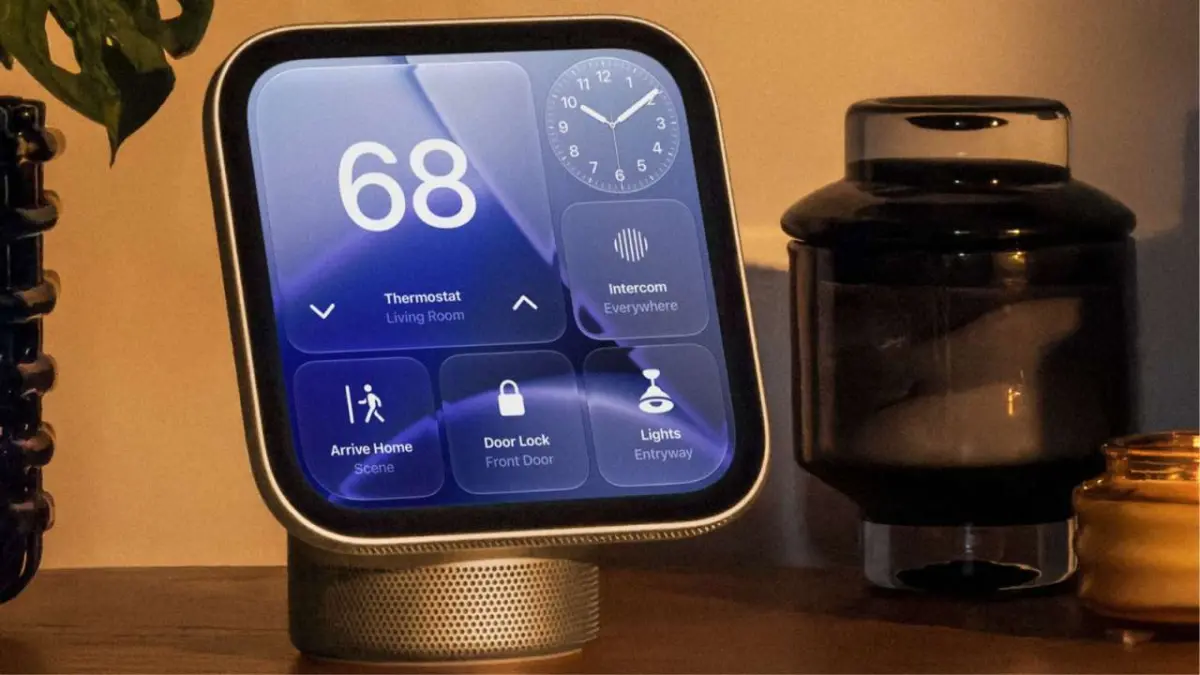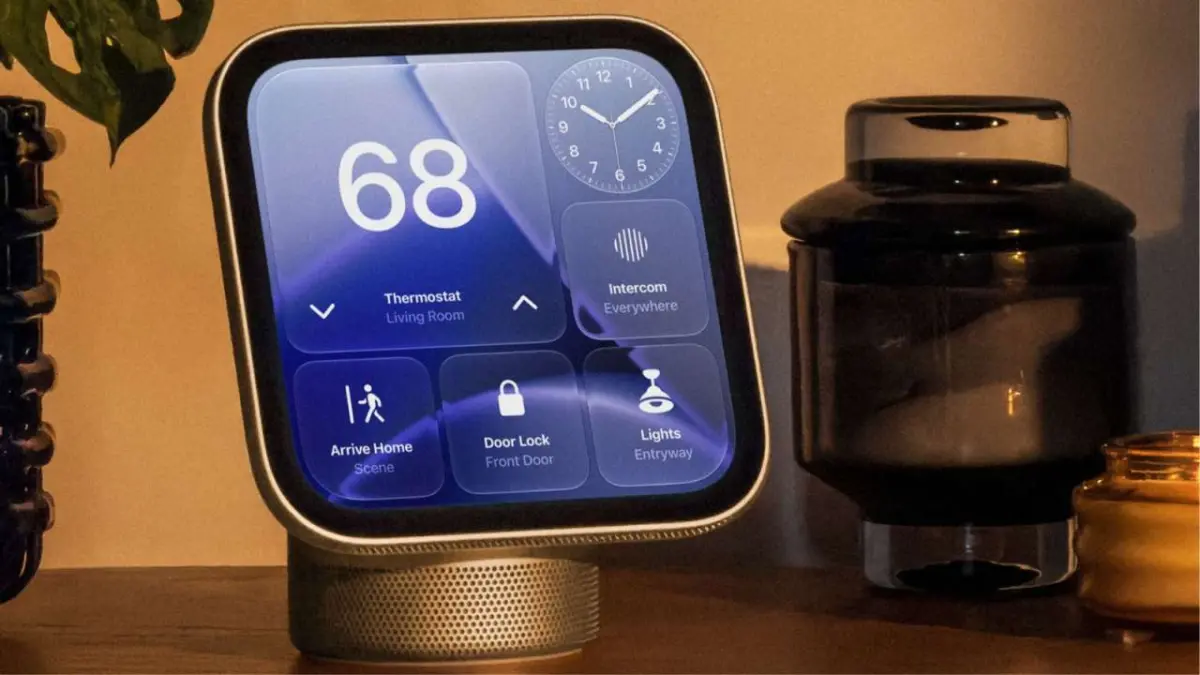
CUPERTINO, CA – October 14, 2026 – Apple, the Cupertino-based technology giant, has once again thrown its hat into the fiercely competitive smart home arena, unveiling a new device poised to redefine simplicity and privacy in connected living. Dubbed "HomeView," this 7-inch smart home screen, priced at USD 299 and slated for a November launch, positions itself not as a standalone marvel but as a seamless extension of the iPhone experience, powered by a personalized Siri AI. With this strategic move, Apple aims to challenge the long-standing dominance of tech titans Amazon and Google, who have largely dictated the smart home narrative for nearly a decade.
HomeView represents Apple’s second significant attempt to carve out a substantial presence in the home market, following the mixed fortunes of its HomePod smart speaker launched in 2018. That initial foray, while lauded for its audio quality, struggled to gain significant traction, capturing only an estimated 6 percent of the market share. Lessons learned from HomePod’s journey appear to have heavily influenced HomeView’s design philosophy: a clear emphasis on visual interaction, deeper ecosystem integration, and Apple’s unwavering commitment to user privacy.
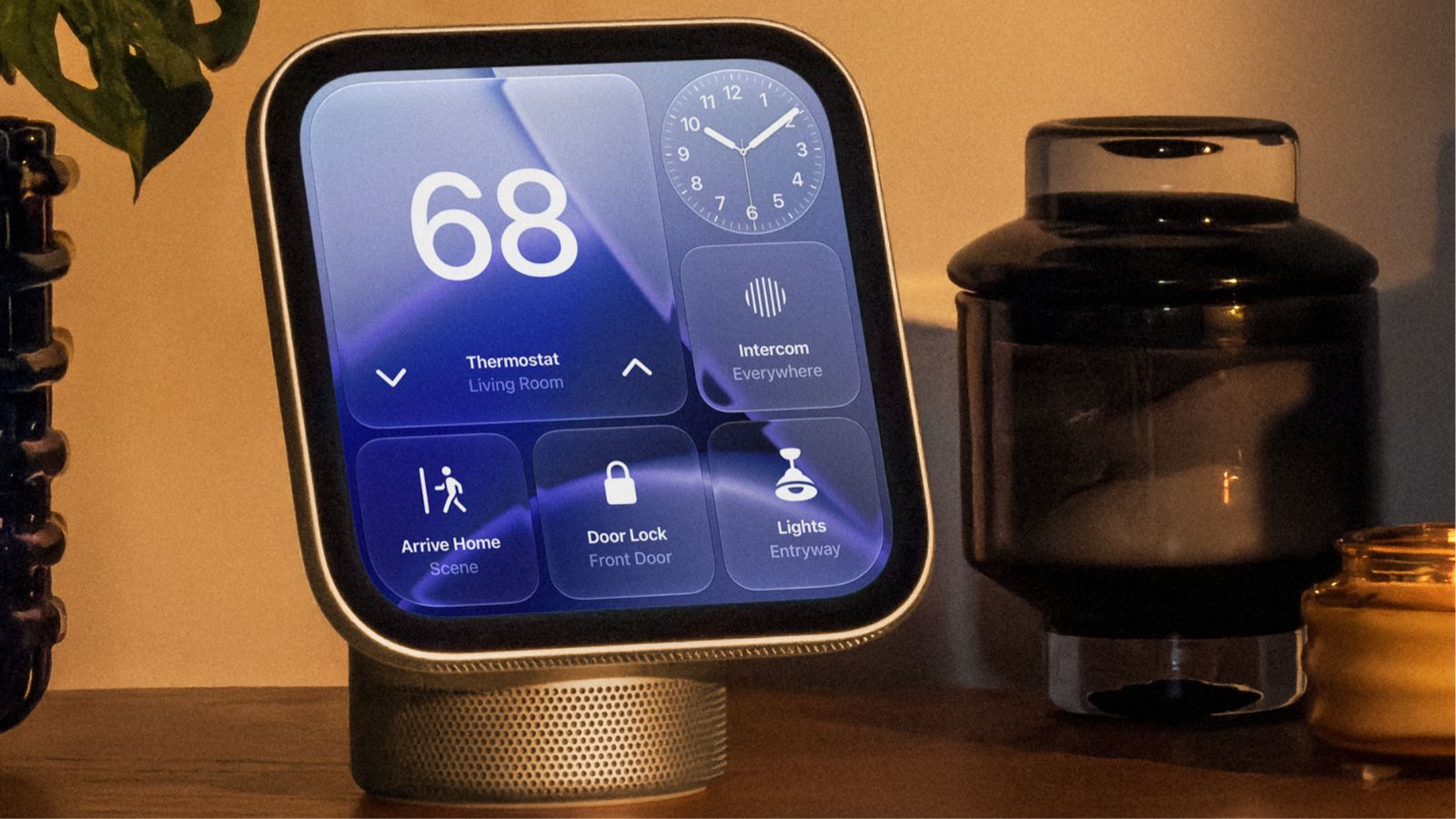
The new device is a sleek, minimalist 7-inch touchscreen, designed to either rest elegantly on an aluminium base or be discreetly mounted on a wall. Its core intelligence lies in a sophisticated combination of camera and voice recognition technologies, enabling a truly personalized experience. Home screens adapt to individual users, displaying relevant apps, calendar appointments, and notifications, all primarily controlled through an enhanced Siri AI. Crucially, HomeView does not store personal data directly on the device; instead, it intelligently relies on a nearby iPhone for contextual information and secure data processing, a move Apple believes will foster unparalleled user confidence in an age of growing privacy concerns.
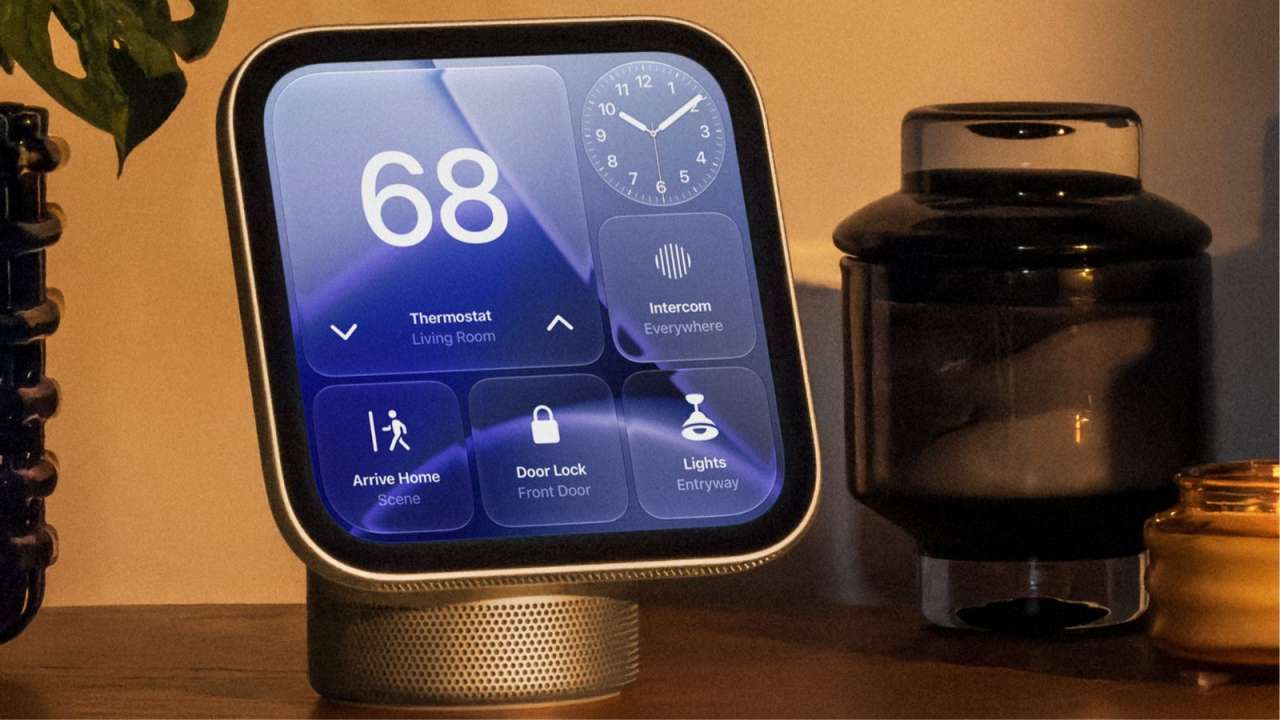
While built-in Apple applications like FaceTime and Apple Music are readily accessible, the device’s reliance on a paired iPhone extends to many third-party services, such as Spotify, which require the smartphone for full functionality. Introduced at a focused event in New York, Apple underscored HomeView’s design ethos: simplicity, elegance, and trustworthiness – a deliberate counter-narrative to what the company perceives as the often-complex and data-hungry landscape of current AI products. This "boring is a strategy" approach, as some commentators have dubbed it, may well be Apple’s secret weapon against its entrenched competitors.
Apple’s Smart Home Journey: A History of Ambition and Evolution
Apple’s journey into the smart home is not a recent phenomenon but rather a meticulously planned, albeit sometimes circuitous, path stretching back over a decade. The company has long envisioned a future where technology seamlessly integrates into daily life, making homes smarter, more efficient, and inherently more personal.
Early Forays: HomeKit and the Smart Home Vision
The foundational groundwork for Apple’s smart home ambitions was laid with the introduction of HomeKit in 2014. HomeKit was conceived as a software framework designed to allow users to securely control compatible smart home accessories using their iOS devices. It aimed to bring order to a burgeoning, often fragmented, market of connected devices by establishing a common language and stringent security protocols. While HomeKit provided the underlying infrastructure and a unified control interface through the Home app, it conspicuously lacked a dedicated Apple-branded hub device that could anchor the experience and offer a consistent user interface beyond a smartphone or tablet. This left a gap that third-party accessories and other tech giants were quick to fill.
)
The HomePod Era: A Premium Audio Bet
The first major hardware play from Apple in the smart home space arrived in 2018 with the launch of the HomePod. Positioned primarily as a premium smart speaker, HomePod was a direct challenge to Amazon’s Echo and Google’s Home devices, but with a distinct Apple twist. Its primary selling point was its exceptional audio fidelity, leveraging advanced acoustic engineering and spatial awareness to deliver immersive sound. Siri was integrated, offering voice control for music playback, news updates, weather forecasts, and basic smart home commands via HomeKit.
However, the HomePod faced several significant hurdles. Its initial price point of USD 349 was considerably higher than most competitors, making it a niche product. While its audio quality was superior, its Siri capabilities were often perceived as less versatile and comprehensive compared to Amazon’s Alexa and Google Assistant, which had years of head start in developing broad third-party integrations and more natural language processing. Crucially, the HomePod lacked a screen, limiting its utility for visual information, video calls, or interactive control, a feature that was rapidly gaining popularity in competitor devices like the Amazon Echo Show and Google Nest Hub. These factors contributed to its relatively modest market penetration, estimated at around 6 percent.
The introduction of the more affordable HomePod mini in 2020 addressed some of these concerns, offering a compelling entry point with decent audio and improved Siri. Yet, the fundamental lesson from the HomePod era was clear: in the smart home, audio alone was not sufficient. Consumers desired a more comprehensive, visually interactive experience, and deeper, more intuitive ecosystem integration was paramount.

The Genesis of HomeView: Addressing Market Gaps
The development of HomeView appears to be a direct response to these lessons and a strategic pivot. Rather than attempting to out-compete on raw features or lowest price, Apple has chosen to double down on its strengths: design elegance, seamless ecosystem integration, and an unwavering focus on user privacy. HomeView is designed to fill the visual interaction gap left by the HomePod, providing a dedicated screen that acts as a central control point and information display.
Its launch event in New York was a carefully choreographed affair, emphasizing the device’s simplicity and its role as an "iPhone extension." This positioning is critical; it acknowledges that the iPhone remains the primary personal computing device for millions, and HomeView is designed to augment that experience, not replace it. By presenting HomeView as a natural evolution of the Apple ecosystem, the company aims to leverage its massive installed base of iPhone users, offering them a compelling reason to further invest in the Apple experience within their homes. The timing suggests Apple believes the smart home market has matured sufficiently for a premium, privacy-focused offering to truly resonate with consumers tired of complexity and concerned about data security.
The Smart Home Market Landscape: A Battleground of Giants
The smart home market is a vast and rapidly expanding sector, characterized by intense competition and continuous innovation. Understanding this landscape is crucial to appreciating Apple’s strategic entry with HomeView.
)
Market Size and Growth Projections
Globally, the smart home market is a multi-billion-dollar industry, projected to reach well over USD 200 billion by 2028, growing at a Compound Annual Growth Rate (CAGR) exceeding 15% in the coming years. Within this expansive market, the smart display segment, which HomeView now enters, is a particularly dynamic category. Consumers are increasingly seeking devices that offer more than just voice interaction, desiring visual feedback, video calling capabilities, and intuitive touch controls for their connected devices.
Dominance of Amazon and Google
For nearly a decade, Amazon and Google have largely defined the smart speaker and smart display categories. Amazon, with its Echo line and Alexa voice assistant, pioneered the mainstream adoption of voice-controlled smart devices. Its strategy has been multifaceted: an aggressive push for affordability across a wide range of devices (from basic Echo Dots to feature-rich Echo Show displays), an extensive ecosystem of third-party skills and integrations, and continuous AI development for Alexa. Similarly, Google, with its Nest Hub devices and Google Assistant, has carved out a significant share by leveraging its search prowess, deep integration with Google services (Calendar, Maps, Photos), and an open Android-based platform for developers.
These two giants boast massive installed bases, broad product portfolios, and mature AI assistants. However, their dominance comes with challenges. The sheer complexity of integrating myriad devices from various manufacturers can be daunting for users. Furthermore, widespread privacy concerns have emerged regarding how these devices collect and utilize user data, leading to a degree of user fatigue and skepticism. Despite their long presence, neither Amazon nor Google has managed to establish an undisputed, clear lead in terms of a unified, seamlessly integrated, and universally trusted smart home experience. Fragmentation, privacy anxieties, and occasional user interface complexities remain persistent pain points.
)
Apple’s Niche: The Premium Ecosystem Play
Apple’s entry with HomeView is a classic "Apple move": rather than chasing market share through aggressive pricing or an exhaustive feature list, the company aims to target the premium segment by offering a distinct value proposition rooted in its core strengths. The USD 299 price point for HomeView, while higher than many entry-level smart displays from Amazon and Google, aligns perfectly with Apple’s established strategy. The iPhone, for instance, consistently commands a higher price than most Android smartphones, yet it continues to dominate the premium smartphone market due to its perceived quality, ecosystem benefits, and brand loyalty.
When comparing HomeView to competitors, one might look at the Amazon Echo Show 8 (often priced around $129-$159) or the Google Nest Hub Max (typically around $229-$279). Apple’s pricing positions HomeView firmly at the higher end, bordering on or exceeding the cost of its rivals’ most advanced offerings. However, Apple is banking on its brand cachet, the promise of unparalleled privacy, and the seamless integration with its existing ecosystem to justify this premium. The company isn’t necessarily seeking to outsell every competitor but rather to offer a compelling, cohesive experience for its millions of existing iPhone users, further deepening their engagement with the Apple universe.
User Experience and Technological Underpinnings
The core of HomeView’s appeal lies in its meticulously crafted user experience, powered by sophisticated technology designed to be both intuitive and secure.
)
Personalized Siri AI and Contextual Intelligence
HomeView elevates the concept of a smart assistant through its "personalized Siri AI." Utilizing integrated camera and voice recognition, the device can intelligently identify different household members. This allows Siri to tailor responses, display personalized calendars, provide relevant reminders, and access individual music preferences or iMessages. For example, when one family member approaches, HomeView might automatically display their daily schedule and preferred news briefing. When another steps in, it could switch to their Spotify playlist and show their upcoming appointments.
This personalization is critically linked to HomeView’s reliance on a nearby iPhone. Rather than processing and storing sensitive personal data on the HomeView device itself, the heavy lifting is often handled by the user’s iPhone, which serves as the "brain" for contextual intelligence. This architectural choice is central to Apple’s privacy promise. By keeping personal data primarily on the user’s trusted iPhone, HomeView can access necessary information (like calendar events, messages, or contacts) on demand, perform computations, and then display or act upon it without retaining a persistent, device-side copy of sensitive profiles. This distributed intelligence model ensures that individual privacy is maintained, offering users greater control and peace of mind – a significant differentiator in a market where data privacy is a growing concern.
Design Philosophy: Simplicity as a "Secret Weapon"
Apple’s "boring is a strategy" approach for HomeView is not a concession but a deliberate philosophical choice. In an era where AI products often boast an overwhelming array of features, complex configurations, and sometimes unpredictable behaviors, Apple has opted for clarity, reliability, and ease of use. The device’s elegant, minimalist design, whether on an aluminium stand or wall-mounted, reflects this commitment to simplicity. It’s meant to blend seamlessly into a home environment, providing utility without demanding constant attention or presenting an overly complicated interface.
)
This design philosophy stands in stark contrast to some competitors who might prioritize an exhaustive list of features, potentially leading to a cluttered user experience or a steeper learning curve. HomeView focuses on core functionalities that are executed flawlessly: displaying relevant information, facilitating communication via FaceTime, playing music, and controlling HomeKit devices. By keeping the interface clean and the interactions intuitive, Apple aims to build user confidence in both the device’s functionality and its trustworthiness. This approach aligns perfectly with Apple’s overarching brand identity, which has consistently prioritized user experience, design aesthetics, and robust privacy features across its product lines. HomeView is, therefore, not just a smart display; it is a physical embodiment of Apple’s brand values in the smart home.
Official Responses and Market Reactions
The unveiling of HomeView has naturally elicited a range of responses from Apple itself, industry analysts, and the broader tech community.
Apple’s Stance: A Vision of Trust and Simplicity
Apple executives have been vocal in articulating the strategic thinking behind HomeView, emphasizing its deep integration with the iPhone ecosystem and its foundational commitment to privacy. During the New York launch event, Tim Cook, Apple’s CEO, reportedly highlighted the company’s vision for a smart home that "enhances life without compromising privacy." He stated, "With HomeView, we are not just launching a new device; we are redefining what a smart home experience can be – personal, intuitive, and unequivocally secure. It’s a natural extension of your iPhone, bringing the power of personalized Siri and your digital life into the heart of your home, without the privacy trade-offs often seen in this category."
)
Deirdre O’Brien, Apple’s Senior Vice President of Retail + People, reportedly added, "We believe that simplicity fosters trust. In a world increasingly saturated with complex AI, HomeView stands out by offering an elegant, straightforward, and reliable experience. Our ‘boring’ strategy is, in fact, our most innovative: it’s about building user confidence through unparalleled privacy and a seamless interaction that simply works, every single time." These statements underscore Apple’s intent to differentiate HomeView through its core brand values rather than merely competing on price or a sprawling feature list. The emphasis on the "iPhone extension" concept is paramount, positioning HomeView as an enhancement rather than a revolutionary standalone product.
Analyst and Media Reactions
Initial reactions from tech analysts and media have been a mix of cautious optimism and familiar skepticism. Many observers have praised Apple’s renewed focus on privacy and its strategic decision to integrate HomeView so deeply with the iPhone, seeing it as a clever way to leverage its existing ecosystem. "Apple’s commitment to processing data on the user’s iPhone for HomeView is a game-changer for privacy-conscious consumers," noted Sarah Jensen, a leading smart home technology analyst. "It directly addresses one of the biggest anxieties people have about smart displays and could set a new industry standard."
However, the USD 299 price point has inevitably drawn criticism from some quarters, echoing past debates about Apple’s premium pricing. "While the privacy features are compelling, the $299 price tag puts HomeView at the top end of the market, potentially limiting its mass appeal," commented David Lee, a tech reviewer for a prominent online publication. "Apple is betting heavily on its brand loyalty and the promise of a superior, integrated experience, but it’s a significant ask for a device that, on the surface, appears to offer similar functionality to cheaper alternatives." The "boring" strategy has also been a talking point, with some questioning whether simplicity alone will be enough to lure users away from feature-rich and often more affordable Amazon Echo Show or Google Nest Hub devices. Yet, others view this simplicity as a deliberate and intelligent move, arguing that a less intrusive, more reliable smart display is precisely what many consumers are looking for.
)
Competitors’ Silence or Subtle Moves
As is typical with major product launches, Amazon and Google have remained officially silent regarding Apple’s HomeView. Direct public commentary is rare in such competitive scenarios. However, behind the scenes, both companies are undoubtedly monitoring HomeView’s reception and sales performance closely. Their likely immediate responses would involve subtly reinforcing their existing value propositions through increased marketing campaigns highlighting the affordability, extensive third-party integrations, and broad feature sets of their Echo Show and Nest Hub lineups. It’s also plausible that both Amazon and Google might accelerate their own efforts in privacy enhancements, perhaps introducing more explicit user controls or on-device processing capabilities in future iterations of their smart displays, reacting to the benchmark Apple is attempting to set. The entry of a formidable competitor like Apple often spurs innovation across the entire industry, pushing established players to refine their offerings.
Implications for the Smart Home Landscape
HomeView’s introduction carries significant implications, not only for Apple but for the entire smart home industry, potentially reshaping consumer expectations and competitive strategies.
Reshaping the Smart Home Landscape
Potential for Market Disruption
Even if HomeView doesn’t immediately capture a dominant market share, Apple’s entry often has a profound "halo effect" on an entire product category. Its presence legitimizes the smart display segment further and could push Amazon and Google to innovate more aggressively, particularly in areas like privacy, design aesthetics, and seamless integration. Apple’s strict adherence to HomeKit standards for connected devices also means that HomeView’s success could bolster the market for HomeKit-compatible accessories, providing more options for consumers who prioritize Apple’s ecosystem. The device’s focus on user identification and personalized experiences could also inspire competitors to develop more sophisticated, privacy-respecting personalization features.
)
The Future of Personal AI
HomeView’s architectural choice to leverage the nearby iPhone for contextual intelligence and data processing sets a new precedent for privacy in smart home interactions. This approach signals a shift towards a more "personal" AI, where the intelligence is intrinsically linked to the user’s personal device and preferences, rather than residing solely in a cloud-based, potentially less private, generic assistant. If successful, this model could become a blueprint for future AI-powered home devices, encouraging a move away from generic voice assistants towards truly personalized, context-aware, and privacy-centric assistants that understand and adapt to individual household members.
Strengthening the Apple Ecosystem
For Apple, HomeView is another critical component in its ever-expanding and increasingly cohesive ecosystem. It offers existing iPhone, iPad, and Apple Watch users a compelling reason to further invest in the Apple experience within their homes. HomeView adds another "sticky" layer, making it more convenient and rewarding to stay within the Apple universe. This deep integration fosters greater brand loyalty and provides more opportunities for Apple to sell its services, from Apple Music to FaceTime calls, further solidifying its position as a holistic technology provider.
Challenges and Opportunities Ahead
Overcoming Price Sensitivity
The USD 299 price point remains HomeView’s most immediate challenge. While Apple has a proven track record of succeeding in the premium market, smart displays are often seen as commodity items, with many consumers opting for more affordable options. Apple will need to effectively communicate the value proposition – particularly the enhanced privacy and seamless iPhone integration – to justify this premium to a broader audience beyond its most loyal fan base.
)
Third-Party Developer Adoption
HomeView’s reliance on a paired iPhone for many third-party apps, such as Spotify, could limit its standalone utility compared to competitors that offer more robust native third-party app support. Apple will need to work closely with developers to either encourage more native HomeView experiences or ensure the iPhone-tethered experience is so seamless that it doesn’t feel like a limitation. The success of its app ecosystem has always been a key differentiator for Apple, and HomeView will need to demonstrate a compelling and flexible app experience.
Long-Term Vision for Home Automation
HomeView’s launch raises questions about Apple’s broader, long-term vision for home automation. Is HomeView a complete solution, or is it a stepping stone to something more comprehensive, perhaps a fully integrated smart home control panel or even a deeper venture into home robotics? The ongoing challenge for all smart home players is to simplify setup, management, and interoperability for the average user. Apple’s "boring is a strategy" approach suggests a desire to master the fundamentals before expanding into more complex functionalities.
Conclusion: A Calculated Risk for the Cupertino Giant
Apple’s HomeView is more than just another smart display; it is a calculated strategic gamble, a statement about the company’s core values in an increasingly complex and data-driven technological landscape. By prioritizing simplicity, trustworthiness, and unparalleled privacy, Apple is attempting to carve out a unique niche in a market long dominated by competitors who often prioritize features and affordability. Its success will not be measured solely by market share, but by its ability to resonate with consumers who are increasingly wary of privacy intrusions and yearn for technology that seamlessly integrates into their lives without demanding constant attention or compromising their personal data.
)
HomeView represents Apple’s refined vision for the smart home – one that is deeply personal, intuitively controlled, and fundamentally secure. Whether this "boring" but trustworthy approach will ultimately prove to be Apple’s secret weapon against the established giants, and genuinely redefine the smart home experience, remains to be seen. But one thing is clear: Apple is not afraid to play by its own rules, betting that in the pursuit of a truly intelligent home, simplicity and trust will eventually triumph.