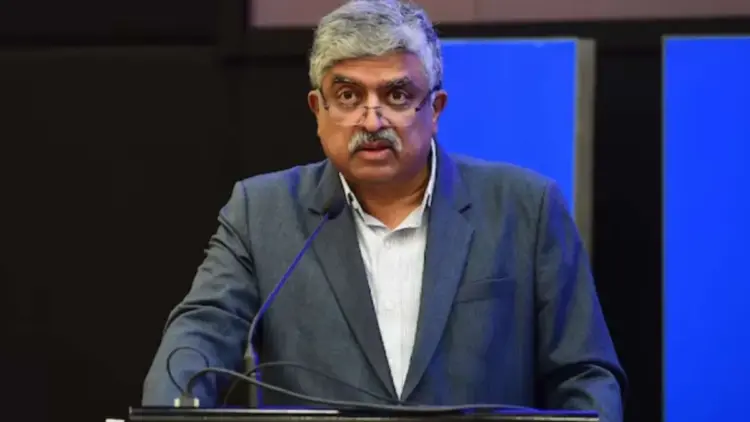
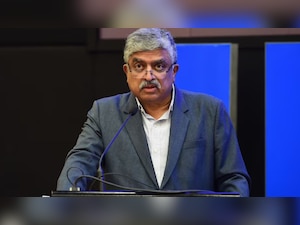
New Delhi, India – October 14, 2026 – In a groundbreaking proposition aimed at tackling the pervasive issue of examination paper leaks, Nandan Nilekani, the renowned co-founder of Infosys and a key figure in India’s digital revolution, has put forth a radical idea: leveraging Artificial Intelligence (AI) to generate question papers at the eleventh hour. This innovative approach, unveiled at the Bloomberg New Economy Forum 2026 on Tuesday, is part of a larger vision to fundamentally reform India’s examination system, with a significant push towards computer-based testing (CBT).
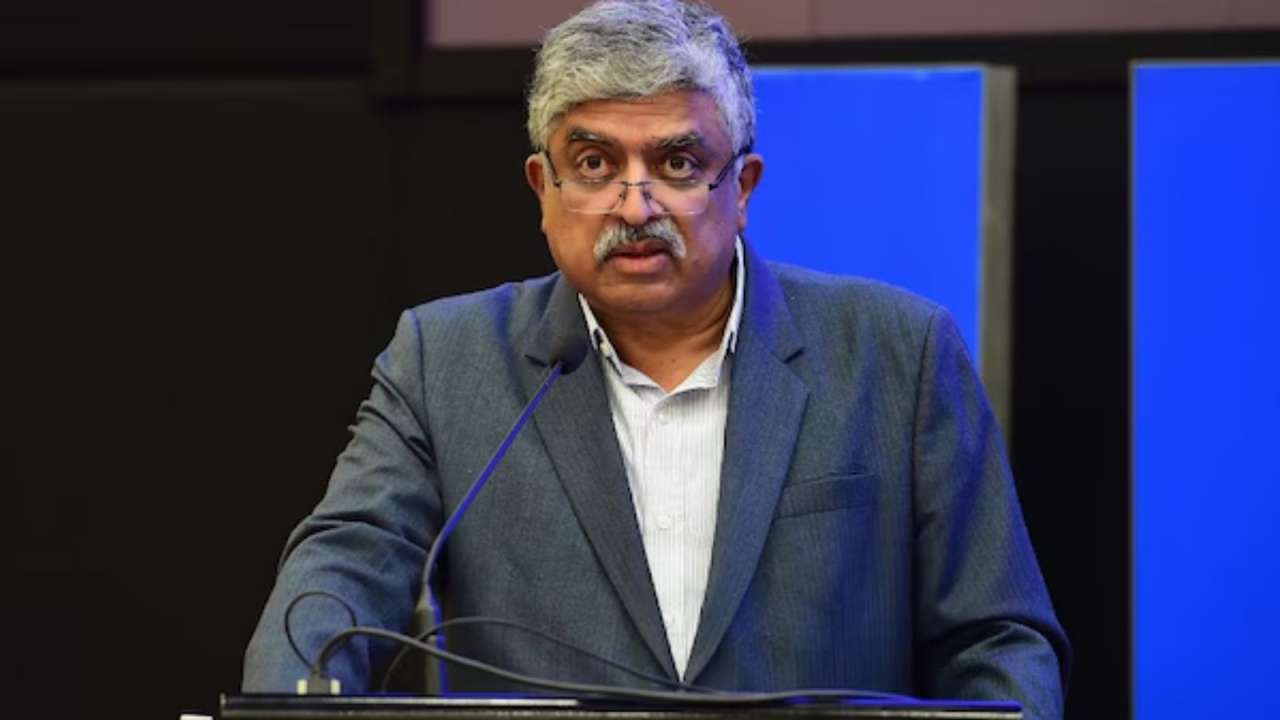
Nilekani, who is currently helming a high-powered six-member task force on exam reforms, constituted by the central government in July, believes that the very nature of a static, pre-determined question paper creates an inherent vulnerability. His proposal, if implemented, could usher in a new era of examination integrity, shifting the paradigm from a reactive approach to leaks to a proactive, technologically driven defense.
The Genesis of the Proposal: Addressing a Deep-Rooted Crisis
The specter of paper leaks has cast a long shadow over India’s educational landscape, undermining the meritocratic principles of competitive examinations and sowing seeds of distrust among millions of aspiring students. From medical entrance exams like NEET to recruitment tests for government jobs, the recurring incidents of question papers surfacing in the wrong hands have led to widespread protests, cancellations, and immense psychological distress for genuine candidates. It was in this climate of escalating concern and public outcry that the central government, in late July, announced the formation of a dedicated task force to recommend comprehensive reforms in examination processes.

The task force, tasked with delivering its report within a three-month timeframe, has been diligently working to gather insights and forge solutions. Chaired by Nilekani, a figure synonymous with technological innovation and institutional building, the panel comprises distinguished individuals, including former ISRO chief S. Somanath and former IB director Tapan Deka. Their mandate is to devise strategies that not only prevent leaks but also enhance the overall efficiency, fairness, and accessibility of examinations across the country.

AI as the Guardian of Exam Integrity: A Last-Minute Defense
At the heart of Nilekani’s revolutionary proposal lies the concept of a dynamic, AI-driven question paper generation system. During his address at the Bloomberg New Economy Forum, Nilekani articulated his rationale with clarity: "Why do we need to have something called ‘a question paper’? Because that creates an economic incentive for it to be sold." He elaborated on the inherent flaw in the current system, where a fixed set of questions, prepared well in advance, becomes a lucrative target for unscrupulous elements.

The proposed solution involves building a colossal repository of questions, meticulously curated and validated by subject matter experts. This vast question bank would serve as the raw material for the AI, which would then be programmed to assemble unique question papers for each examination, precisely at the last minute. This "just-in-time" generation of papers would render the traditional modes of leaking and selling question papers virtually obsolete.

"One way to look at how to solve it is to have a massive bank of questions, and only at the last minute generate the question paper for the day," Nilekani stated, highlighting the transformative potential of this AI-powered approach. This strategy aims to eliminate the window of opportunity that currently exists for leaks to occur, thereby disrupting the entire ecosystem that thrives on such malpractices.

The Imperative of Computer-Based Testing
Crucially, Nilekani emphasized that the success of his AI-driven question paper generation model is intrinsically linked to the adoption of computer-based testing (CBT) for all major examinations. He revealed that the task force is actively exploring the feasibility of transitioning to CBT across the board. "The committee is looking at how to make sure all exams are done on CBT. That requires a network of locations. We have 1,50,000 locations where young candidates can take a test and that needs to be expanded," he explained.

The rationale behind this push for CBT is multifaceted. Firstly, it provides the necessary infrastructure for the real-time generation and delivery of AI-assembled question papers. Secondly, CBT offers inherent advantages in terms of security, reducing the manual handling of papers and thus minimizing opportunities for physical tampering. Furthermore, it allows for immediate result processing, enhancing efficiency and transparency.

The expansion of CBT infrastructure is a significant undertaking. The task force envisions leveraging existing educational institutions and government facilities, potentially augmenting them to meet the demands of large-scale computer-based examinations. The mention of 1,50,000 potential locations suggests a plan to decentralize testing, making it more accessible to students across diverse geographical locations.

Navigating the Challenges: Digital Divide and Infrastructure Gaps
While the vision is compelling, the practical implementation of a nationwide CBT system, especially in a country as vast and diverse as India, is fraught with challenges. One of the most significant hurdles is the digital divide and the disparities in internet connectivity and digital literacy that exist between urban and rural areas. Nilekani’s remarks, while optimistic, did not delve into the specifics of how these challenges would be addressed.

Ensuring equitable access to testing centers for students in remote villages, who may have limited access to reliable internet or personal computing devices, will be paramount. The government, through agencies like the National Testing Agency (NTA), is reportedly collaborating with the All India Council for Technical Education (AICTE) to identify suitable government institutions and IT infrastructure for establishing standardized testing centers. A conscious effort is being made to avoid private centers due to concerns about their integrity. This collaborative approach underscores the government’s commitment to building a robust and inclusive CBT network.

A Task Force with Broad Mandate and Extensive Consultation
The formation of the task force itself represents a significant governmental response to the ongoing crisis. Established on July 26, its mandate extends beyond just paper leak prevention to encompass broader exam reforms. The panel’s work has been characterized by a proactive and inclusive approach. It has reportedly conducted 18 internal meetings and engaged in extensive consultations with over 40 stakeholders, including students, parents, and various exam conducting bodies such as the National Recruitment Agency (NRA), Staff Selection Commission (SSC), and Railway Recruitment Boards (RRB). This broad consultation process has yielded over 50,000 suggestions, providing the task force with a comprehensive understanding of the ground realities and the diverse expectations from the reform process.

The inclusion of eminent figures like S. Somanath, whose leadership at ISRO speaks volumes about his technical acumen and project management skills, and Tapan Deka, with his experience in national security and intelligence, signifies the seriousness with which the government is treating the issue. Their collective expertise is expected to be instrumental in formulating practical and implementable solutions.

Broader Implications: Redefining the Future of Indian Education
Nandan Nilekani’s proposal to harness AI for exam paper generation and his advocacy for a complete shift to CBT are not merely technical solutions; they represent a fundamental re-imagining of the examination process in India. If successful, this transformation could have far-reaching implications:

- Enhanced Credibility and Trust: By effectively neutralizing the threat of paper leaks, the reforms could restore faith in the fairness and integrity of examinations, providing a level playing field for all genuine candidates.
- Reduced Malpractice and Corruption: The economic incentive for leaks would be significantly diminished, thereby curbing a major avenue for corruption within the education sector.
- Increased Efficiency and Speed: CBT, coupled with AI-driven processes, can expedite the entire examination cycle, from question paper setting to result declaration, reducing the agonizing wait for students.
- Greater Accessibility: While challenges remain, a well-planned expansion of CBT infrastructure can ultimately make examinations more accessible, reducing the need for students to travel long distances.
- Catalyst for Digital India: The widespread adoption of CBT for examinations would further propel the nation’s digital agenda, encouraging digital literacy and infrastructure development across the country.
- Global Benchmarking: India’s adoption of such advanced technological solutions in its examination system could set a global precedent and inspire other nations grappling with similar challenges.
However, the journey from proposal to reality will require meticulous planning, substantial investment in infrastructure, and a concerted effort to bridge the digital divide. The success of Nilekani’s vision hinges on the ability to create a robust, secure, and equitable system that benefits every student in India, ensuring that merit, not malpractice, dictates academic and career progression. The coming months will be crucial as the task force finalizes its recommendations and the government charts its course towards a more secure and technologically advanced examination future.