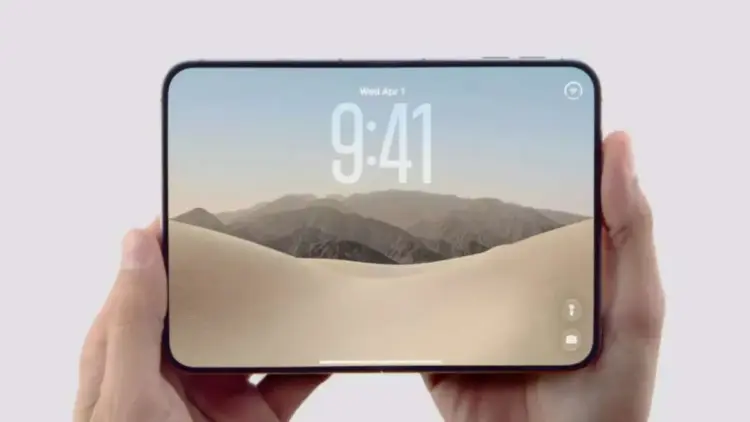
NEW DELHI, India – October 21, 2026 – In a move signaling unprecedented demand and strategic supply management, technology titan Apple Inc. has implemented a strict two-unit per customer purchase limit for all iPhone models sold via its official online store in India. This significant restriction comes into effect just days before the highly anticipated October 23rd launch of the "iPhone Duo," Apple’s groundbreaking entry into the foldable smartphone market, alongside the release of its latest flagship offerings, the iPhone 18 Pro, iPhone 18 Pro Max, and the enduringly popular iPhone 17 series.
The directive underscores India’s burgeoning importance as a key growth market for the Cupertino-based giant, where premium smartphone adoption is rapidly accelerating. While Apple has not issued an official statement elucidating the specific reasons behind this new policy, industry analysts and historical precedents suggest a concerted effort to mitigate bulk purchasing by resellers and ensure equitable access for individual consumers amidst what is projected to be a monumental product launch.
Apple’s Strategic Cap: A Deep Dive into the New Purchase Limit
The newly enforced cap dictates that customers can purchase a maximum of two iPhones in a single transaction from the Apple Store Online. This limitation is comprehensive, applying across the entire spectrum of iPhone models available for sale, from the brand-new iPhone Duo to existing generations.
How the Restriction Operates
The purchase limit is applied to the aggregate quantity of iPhones within a customer’s digital shopping bag, rather than restricting specific models. This means a customer could, for instance, order two units of the revolutionary iPhone Duo, or opt for a combination such as one iPhone Duo and one iPhone 18 Pro, all within the confines of a single order. Similar flexibility exists for other model combinations, as long as the total count of iPhones does not exceed two.

Upon attempting to add a third iPhone to their cart, customers are met with an explicit warning message at the checkout stage, preventing the completion of the transaction. The message typically states, "A maximum of 2 iPhones can be purchased per customer. Please adjust the total quantity of iPhones in your order before checking out." This technical enforcement ensures strict adherence to the policy, directly impacting individuals or small businesses who might traditionally purchase multiple devices for family members, employees, or as gifts in a single transaction. Such buyers will now be compelled to either reduce their order size or execute multiple, separate purchases – a logistical hurdle for some.
Unofficial Rationale: Battling Resellers and Ensuring Supply
Although Apple has maintained silence on the rationale behind this nationwide restriction, market observers are quick to draw parallels with similar strategies deployed by the company during past high-demand product launches. The prevailing hypothesis centers on two primary objectives:

- Curbing Reselling Activities: Purchase limits are a common tactic employed by brands to deter opportunistic resellers who buy products in large quantities at retail price, only to sell them on secondary markets at inflated rates. This grey market activity can distort pricing, erode brand trust, and create artificial scarcity. By limiting individual purchases, Apple aims to keep more inventory directly in the hands of genuine end-users, preventing a rapid sell-out that could fuel reseller profits.
- Ensuring Widespread Availability: Especially for a landmark product like the iPhone Duo, Apple is keen to ensure that as many legitimate customers as possible have the opportunity to acquire the device during its initial launch phase. High demand, coupled with potential supply chain constraints, can lead to stock shortages. By distributing available units more broadly, Apple can manage customer expectations and prevent a perception of immediate unavailability, which could dampen launch momentum.
This strategy is particularly pertinent given the reported "record high" demand for Apple products in India and the unprecedented buzz surrounding the iPhone Duo.
Chronology of Anticipation and Restriction
The lead-up to the iPhone Duo’s launch and the imposition of the purchase limit has been marked by a series of events highlighting intense market anticipation:

- October 16, 2026: Pre-orders for the iPhone Duo officially commenced in India, sparking immediate and overwhelming interest from consumers.
- Within Hours of Pre-orders: Reports began to surface indicating that delivery timelines for the iPhone Duo were rapidly extending. Initial estimates of a few days or weeks quickly stretched, with many customers seeing projected delivery dates pushed back as far as January 2027. This rapid shift in delivery expectations served as the first tangible indicator of extraordinary demand.
- October 21, 2026: Apple formally implements the two-unit purchase limit across all iPhone models on its Indian online store, solidifying concerns about managing supply against a backdrop of surging consumer interest.
- October 23, 2026: The official launch date for the iPhone Duo, iPhone 18 Pro, iPhone 18 Pro Max, and iPhone 17 series in India.
This rapid sequence of events – from pre-order opening to extended delivery windows and finally to purchase restrictions – paints a clear picture of a company bracing for, and actively managing, a significant surge in demand, particularly for its innovative foldable device.
Supporting Data: India’s Rise as an Apple Powerhouse and the Foldable Frontier
The decision to impose purchase limits in India is not an isolated event but rather a reflection of several converging trends: India’s escalating strategic importance for Apple, the inherent challenges of launching a novel product category like a foldable phone, and historical precedents set by the company itself.

India: A Crucial Growth Engine for Apple
Over the past few years, India has emerged as one of Apple’s fastest-growing and most critical markets. The country’s vast population, rapidly expanding middle class, and increasing disposable income have fueled a surge in demand for premium smartphones.
- Market Share Growth: While still a relatively smaller player in the overall Indian smartphone market dominated by budget and mid-range devices, Apple has significantly cemented its leadership in the premium segment (devices priced above INR 50,000 or approximately $600 USD). Recent market reports indicate Apple’s premium segment share has consistently grown, often exceeding 50% in the ultra-premium tier.
- Local Manufacturing Initiatives: Recognizing India’s potential, Apple has substantially ramped up its manufacturing presence in the country. Partners like Foxconn, Wistron, and Pegatron have expanded production lines, assembling a growing percentage of iPhones sold locally and even for export. This strategic shift not only reduces import duties but also aligns with the Indian government’s "Make in India" initiative, further strengthening Apple’s commitment to the market.
- Retail Expansion: Apple’s commitment to India was further underscored by the opening of its first two flagship retail stores – Apple BKC in Mumbai and Apple Saket in Delhi – in early 2023. These stores have not only boosted brand visibility but also provided a premium customer experience, driving aspirational demand.
- Consumer Demographics: The Indian consumer base for premium electronics is increasingly sophisticated, valuing brand prestige, technological innovation, and ecosystem integration – all hallmarks of Apple products. The iPhone has become a status symbol, driving upgrade cycles and attracting new users to the Apple ecosystem.
This robust growth trajectory makes India a vital market where Apple needs to carefully manage product launches to maintain customer satisfaction and market momentum.

The iPhone Duo: Apple’s Leap into the Foldable Future
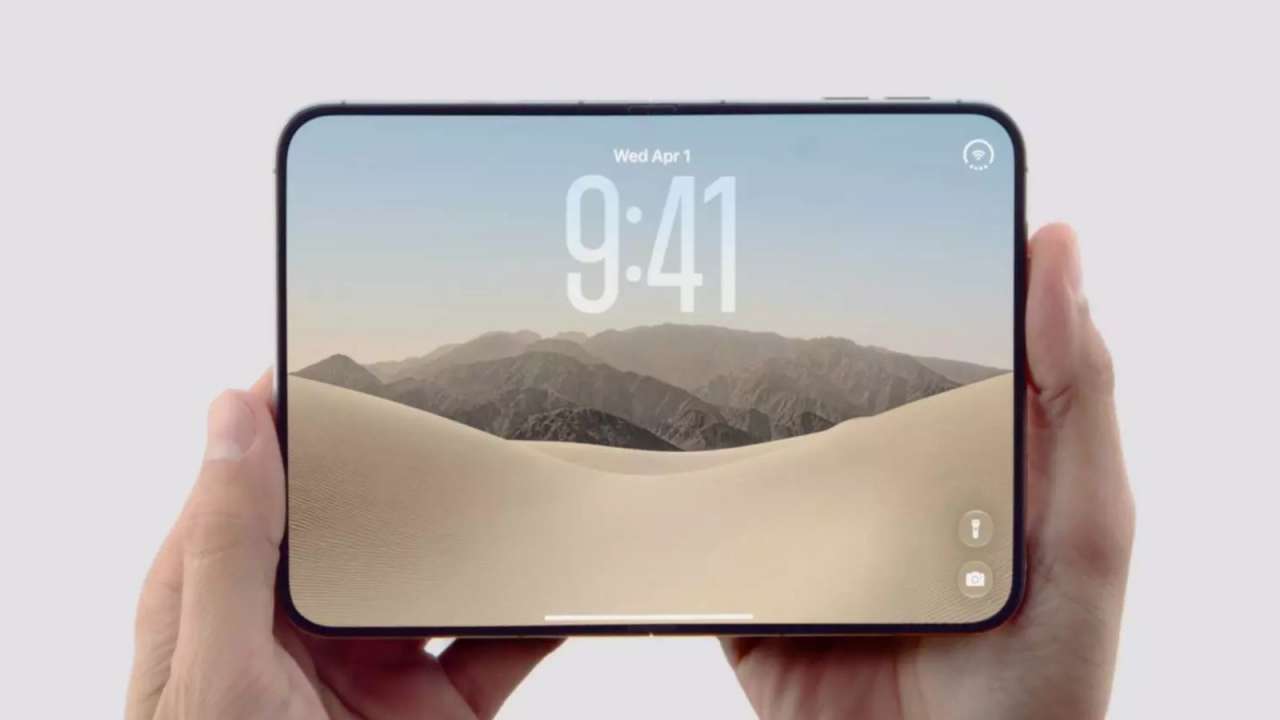
The iPhone Duo represents Apple’s long-anticipated entry into the nascent yet rapidly evolving foldable smartphone market. After years of speculation and patent filings, the device is expected to bring Apple’s signature blend of premium design, powerful performance, and optimized software to the flexible display form factor.
- Market Context: The foldable segment, pioneered largely by Samsung with its Galaxy Z Fold and Z Flip series, has seen increasing competition from players like Huawei, Xiaomi, Oppo, and Google (with the Pixel Fold). While still a niche market, foldables are growing in popularity, offering users enhanced productivity with larger screen real estate or compact portability.
- Anticipated Features: While official specifications remain under wraps until the launch, the iPhone Duo is rumored to feature Apple’s custom-designed flexible OLED display, an advanced hinge mechanism engineered for durability and seamless operation, and a highly optimized version of iOS designed to leverage the unique form factor. Potential designs include a "clamshell" style (like the Z Flip) for compactness or a "book-style" fold (like the Z Fold) for a tablet-like experience. The "Duo" nomenclature itself suggests a focus on dual-screen functionality or a dual-purpose design.
- Apple’s Cautious Approach: Apple is known for its meticulous and often delayed entry into new product categories, preferring to refine existing technologies and perfect the user experience rather than rushing to market. The iPhone Duo’s launch signifies Apple’s confidence in the maturity of foldable display technology and its ability to deliver a compelling user proposition that justifies a premium price point.
- Impact on the Foldable Segment: Apple’s entry is widely expected to legitimize and accelerate the growth of the foldable smartphone market. Its brand power, design prowess, and ecosystem strength could attract a new wave of consumers to foldables, pushing competitors to innovate further.
The combination of India’s market dynamics and the transformative nature of the iPhone Duo creates a perfect storm for unprecedented demand, necessitating stringent supply management measures.

Historical Precedent: The Original iPhone Launch
This isn’t the first time Apple has resorted to purchase limits during a high-profile product launch. When the original iPhone debuted in the United States in 2007, the company similarly restricted customers to buying a maximum of two units per person. This policy was explicitly aimed at preventing resellers from hoarding the revolutionary device, which generated immense buzz and demand. The parallel between the 2007 iPhone and the 2026 iPhone Duo underscores Apple’s consistent strategy for managing launches of truly category-defining products.
Official Responses and Industry Commentary
As of the latest update, Apple Inc. has not issued any official statement or clarification regarding the new two-unit purchase limit for iPhones in India. Despite inquiries from various media outlets, the company has maintained its customary silence on such operational policies. This lack of an official explanation is typical for Apple, which often prefers to let its actions speak for themselves, particularly concerning supply chain and sales strategies.

However, industry analysts and market observers have been quick to weigh in, largely affirming the unofficial reasons attributed to the policy.
"Apple’s decision to limit iPhone purchases in India is a clear indicator of two things: the colossal demand they anticipate for the iPhone Duo, and India’s growing importance as a strategic market," commented Ms. Priya Sharma, a Senior Tech Analyst at Market Intelligence India. "They’ve seen the pre-order delivery dates slide rapidly to January, which tells you that initial supply is already being outstripped by demand. This limit is a proactive measure to manage that scarcity, prevent price gouging by resellers, and ensure a fairer distribution to genuine end-users during the critical launch phase."

Mr. Rohan Kapoor, an independent technology consultant specializing in emerging markets, added, "We’ve seen Apple do this before with the original iPhone. It’s a classic play from their playbook when they launch a truly innovative product that they expect to be a runaway success. For the iPhone Duo, this isn’t just another iPhone; it’s their first foldable, a statement product. Ensuring a smooth launch, even with limited initial supply, is paramount for their brand image in the burgeoning Indian market."
Kapoor also highlighted the potential impact on Apple’s broader strategy. "This move also subtly reinforces the premium, exclusive nature of the iPhone. When a product is so sought after that the manufacturer has to limit purchases, it inadvertently elevates its desirability. It’s a double-edged sword, but for Apple, with its strong brand loyalty, it often works in their favor."

While official words are scarce, the consensus among experts points to a strategic decision rooted in managing exceptional demand, safeguarding brand integrity, and optimizing distribution in one of Apple’s most promising markets.
Implications: Ripple Effects Across Consumers, Market, and Apple’s Strategy
The imposition of a two-unit purchase limit carries significant implications for various stakeholders, from individual consumers to the broader smartphone market and Apple’s global business strategy.

For Indian Consumers
- Mixed Feelings: For most individual buyers looking to purchase one iPhone, the policy will have no direct impact. However, for those planning to buy multiple devices – perhaps for family members, as gifts, or for small business use – the restriction introduces an inconvenience. They will either have to make separate purchases or find alternative retail channels.
- Reduced Grey Market Influence: Genuine buyers will likely benefit from a reduced presence of grey market resellers, who often snap up initial stock, leading to inflated prices and limited availability. This could mean more transparent pricing and better access directly from Apple or authorized channels.
- Perception of Exclusivity: The restriction might inadvertently enhance the perception of the iPhone Duo and other new models as highly desirable and exclusive products, further fueling aspirational demand among consumers.
- Potential Frustration: Despite the best intentions, some consumers might experience frustration if they are unable to complete their intended multi-unit purchases directly from Apple, potentially leading them to competitor brands or the secondary market if they absolutely need more than two units.
For the Grey Market and Resellers
- Significant Deterrent: The two-unit limit is a powerful deterrent against large-scale reselling operations that rely on bulk purchases to generate profits. This will significantly reduce their ability to hoard devices during the initial launch phase.
- Shift in Tactics: Resellers may be forced to adapt their strategies, perhaps by employing multiple individuals to make individual purchases or by relying more heavily on international sourcing, which comes with its own set of logistical and cost challenges.
- Reduced Profit Margins: With direct access to genuine stock becoming more equitable, the scope for excessive price gouging by resellers will diminish, likely impacting their profit margins.
For Apple’s Brand and Supply Chain Management
- Brand Reinforcement: The move reinforces Apple’s image as a premium brand with products in extremely high demand, even necessitating purchase limits. It underscores the desirability and perceived value of their offerings.
- Customer Experience Management: By preventing rapid stock depletion, Apple aims to manage customer expectations and prevent widespread disappointment due to immediate unavailability. This is crucial for maintaining a positive customer experience during a major product launch.
- Supply Chain Optimization: The policy suggests Apple is closely monitoring its supply chain and proactively managing distribution. It indicates a strategic allocation of limited initial inventory to maximize reach and market penetration rather than allowing concentration in a few hands.
- Data Collection: Limiting purchases might also aid Apple in gathering more accurate data on individual consumer demand versus speculative buying, which can inform future production and allocation strategies.
For the Broader Smartphone Market, Especially Foldables
- Heightened Competition: Apple’s entry into the foldable market, coupled with such stringent demand management, will undoubtedly intensify competition. Other manufacturers in the foldable space (e.g., Samsung, Google) will face renewed pressure to innovate and differentiate their offerings.
- Validation of Foldables: The high demand for the iPhone Duo, evidenced by purchase limits, serves as a strong validation for the foldable form factor. It signals to the wider industry that foldables are not a passing fad but a legitimate and growing segment with significant consumer interest. This could spur further R&D and investment in flexible display technologies across the industry.
- Benchmarking for Future Launches: Apple’s approach to launching the iPhone Duo, including its demand management strategies, will likely set a new benchmark for how other premium smartphone manufacturers plan and execute their own flagship product introductions, especially in high-growth markets like India.
In conclusion, Apple’s implementation of a two-unit iPhone purchase limit in India is a multifaceted strategic decision. It reflects the immense anticipation surrounding the iPhone Duo and the increasing strategic importance of the Indian market. While it presents minor inconveniences for some multi-unit buyers, its primary objectives are clear: to combat the grey market, ensure equitable access for individual consumers, and strategically manage the supply of what is expected to be one of Apple’s most significant and sought-after product launches in recent memory. The ripple effects of this policy are poised to resonate across the Indian consumer landscape and the global smartphone industry, particularly within the burgeoning foldable segment.