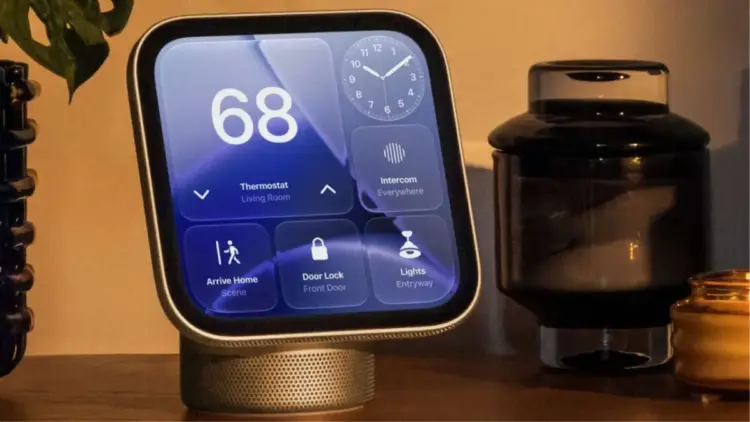
NEW YORK, October 14, 2026 – Apple, the Cupertino-based technology giant, has once again cast its gaze upon the burgeoning smart home market with the unveiling of HomeView, a new 7-inch smart home screen. Priced at USD 299 and slated for a November launch, HomeView is positioned not as a revolutionary standalone device, but rather as an intuitive extension of the iPhone ecosystem, powered by a personalised Siri AI. This strategic move signals Apple’s second significant attempt to carve out a dominant niche in a sector currently dominated by Amazon and Google, leaning heavily on principles of simplicity, elegance, and user trust.
The announcement, made at a dedicated event in New York, underscores Apple’s distinct approach to artificial intelligence and smart home integration. Unlike its rivals, who have pursued broad, often complex, AI-driven ecosystems, Apple is doubling down on a focused, privacy-centric experience designed to seamlessly integrate with the lives of its vast iPhone user base. This strategy, which some commentators have provocatively labelled "boring," is, according to Apple, its secret weapon in a crowded and sometimes chaotic market.
The Genesis of HomeView: Apple’s Second Foray into the Smart Home
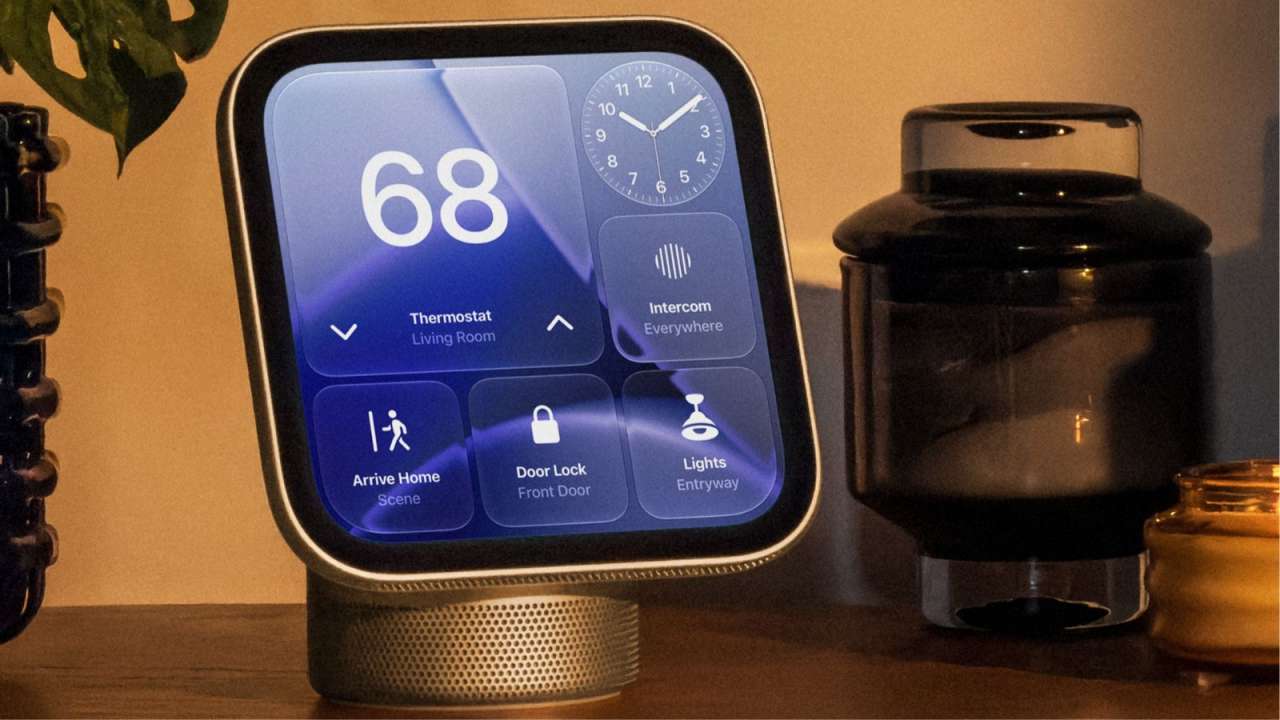
Apple’s introduction of HomeView marks a pivotal moment, representing a refined strategy following its initial venture into the smart home landscape. The device, a 7-inch touchscreen designed for versatility, can be elegantly placed on an aluminium base or discreetly mounted on a wall, integrating effortlessly into any modern living space. Its core function revolves around personalisation, utilizing advanced camera and voice recognition technologies to tailor home screens with relevant apps, calendar appointments, and even individual user profiles.
At the heart of HomeView’s operation is Siri AI, which serves as the primary interface for control and interaction. This integration ensures that existing iPhone users will find the experience familiar and intuitive, leveraging a digital assistant they already trust and interact with daily. Crucially, Apple has emphasized a robust privacy framework: HomeView does not store personal data directly on the device. Instead, it relies on a nearby iPhone for contextual information, ensuring that sensitive user data remains within the secure confines of the user’s primary device. This architectural choice is a direct response to growing consumer concerns about data privacy in an increasingly connected world, setting HomeView apart from many of its competitors.
While HomeView comes pre-loaded with essential Apple applications like FaceTime and Apple Music, demonstrating its deep integration into the Apple ecosystem, its utility extends to third-party services. For applications such as Spotify, HomeView intelligently leverages the connected iPhone, ensuring a consistent and personalised experience without compromising data security. The emphasis during its New York unveiling was consistently on simplicity and elegance – design principles that have long been synonymous with the Apple brand and are now being applied to redefine the smart home experience.
A Chronology of Apple’s Smart Home Ambitions
Apple’s journey into the smart home market has been a methodical, albeit sometimes challenging, evolution, characterized by incremental steps and significant learning curves.

Early Foundations (2014-2017): HomeKit and Siri Integration
Apple first signaled its intent to enter the smart home arena with the introduction of HomeKit in 2014. HomeKit wasn’t a device but a software framework designed to allow users to control various smart home accessories using their iOS devices and Siri. It aimed to provide a secure and consistent experience for compatible devices, creating an ecosystem of "Works with Apple HomeKit" products. While foundational, HomeKit’s early adoption was slow, partly due to stringent certification requirements and a fragmented market of smart devices. During this period, Siri’s capabilities as a voice assistant were also steadily expanding, laying the groundwork for more direct smart home interactions.
The HomePod Era (2018-2020): Audio-First Approach
In February 2018, Apple launched its first dedicated smart home device, the HomePod. Billed primarily as a premium smart speaker, its focus was on delivering unparalleled audio quality, leveraging Apple’s expertise in sound engineering. Siri was deeply integrated, offering music control, news updates, and smart home commands. However, the HomePod faced an uphill battle. Priced at USD 349 at launch, it was significantly more expensive than Amazon’s Echo and Google’s Home speakers, which were already entrenched in the market and offered broader smart home functionality. Critically, Siri on HomePod was perceived as less capable than Amazon’s Alexa or Google Assistant in general knowledge queries and third-party integrations. As a result, HomePod struggled to gain significant traction, achieving only an estimated 6% market share in the smart speaker segment by some accounts. This limited market penetration highlighted a key lesson for Apple: audio quality alone was not sufficient to win the smart home battle; broader utility and competitive pricing were crucial.

Reassessment and Refinement (2020-2025): Learning from Experience
Following the HomePod’s modest success, Apple reassessed its smart home strategy. The company continued to support HomeKit, expanded Siri’s capabilities, and eventually introduced the HomePod mini in 2020 at a more accessible price point (USD 99), which saw better reception. However, the vision for a screen-based smart home hub, a direct competitor to the Amazon Echo Show and Google Nest Hub, remained elusive. Apple observed the market, noting the rapid proliferation of smart displays and the growing consumer demand for visual interaction alongside voice control. The insights gained from HomePod’s limitations – particularly its lack of a visual interface and limited third-party app support without an iPhone – undoubtedly informed the development of a next-generation device. This period was characterized by internal development focusing on how to best leverage Apple’s core strengths: design, privacy, and ecosystem integration, specifically with the iPhone.
The HomeView Unveiling (2026): A New Vision
The New York event in October 2026 marked the culmination of this refined strategy with the introduction of HomeView. This launch represents Apple’s clear pivot towards a screen-first, privacy-centric smart home hub that deeply integrates with the iPhone. It acknowledges the market’s visual shift while addressing the critical privacy concerns that have emerged in the decade since smart displays first appeared. HomeView is not just another smart screen; it is Apple’s meticulously crafted answer to the evolving demands of the connected home, aiming to rectify past missteps and leverage its unique brand position.

The "Boring" Strategy: Apple’s Calculated Simplicity
Apple’s decision to brand HomeView’s approach as "boring" is a masterstroke of marketing and a profound reflection of its core philosophy. In an era saturated with complex AI models and often confusing smart devices, Apple is intentionally zigging where others zag, offering a stark contrast to the perceived over-complication prevalent in the current tech landscape. This "boring" strategy is not a concession to lack of innovation but a deliberate embrace of simplicity, reliability, and, most importantly, user trust.
The underlying premise is that consumers are increasingly wary of AI products that promise expansive capabilities but often come with opaque data handling policies and a steep learning curve. HomeView is designed to counteract this fatigue by being overtly straightforward and dependable. Its primary function is to serve as an intuitive extension of the iPhone, providing personalized information and control without demanding extensive configuration or raising privacy alarms. This intentional simplification aims to reduce cognitive load and enhance user confidence, a critical differentiator in a market where many feel overwhelmed by technology.

Deep integration with the iPhone ecosystem is the "secret weapon" that underpins this strategy. Unlike competitor devices that often function as standalone hubs requiring separate accounts and configurations, HomeView leverages the iPhone’s established security protocols and user data. This means that personalized features, such as individual Spotify accounts, iMessages, and FaceTime calls, are seamlessly managed through the iPhone, ensuring a consistent and private experience. The device itself does not store sensitive personal data, relying instead on the nearby iPhone for context and processing. This architecture is designed to foster unparalleled user confidence in data privacy and functionality, a cornerstone of Apple’s brand identity.
Furthermore, the "boring" approach extends to the user interface and daily interactions. Instead of overwhelming users with a myriad of complex AI features, HomeView focuses on core functionalities that enhance daily life: quick access to calendars, weather, smart home controls, and communication. This focus on utility over novelty is intended to make HomeView an indispensable, yet unobtrusive, part of the home, much like other Apple products have become. By prioritizing predictability and security, Apple aims to cultivate a sense of calm and control for its users, positioning HomeView as a trustworthy guardian of the digital home, rather than another data-hungry gadget. This strategy is a direct challenge to the "move fast and break things" mentality of some tech companies, advocating instead for thoughtful, user-centric design that respects privacy above all else.

Market Dynamics and the Competitive Landscape
The smart home market is a battleground fiercely contested by technology behemoths, primarily Amazon and Google, who have invested heavily in their respective ecosystems for nearly a decade. Apple’s entry with HomeView positions it as a challenger in a mature, yet still evolving, space, and its pricing strategy immediately invites scrutiny.
The Established Leaders: Amazon and Google
Amazon, with its Echo Show line, and Google, with its Nest Hub series, have largely defined the smart display category. These devices offer a wide array of features, from video calls and streaming content to smart home control and recipe guidance, all powered by their respective voice assistants, Alexa and Google Assistant. Their pricing is aggressive, with entry-level models often available for under USD 100, and mid-range devices typically priced between USD 150 and USD 250. This affordability, coupled with a vast ecosystem of third-party integrations, has allowed them to capture significant market share. For instance, Amazon’s Echo devices, including its smart displays, consistently lead the smart speaker and display market in terms of units shipped. Google’s Nest Hubs also hold a strong position, particularly appealing to users deeply embedded in the Google ecosystem.

Apple’s Premium Positioning
At USD 299, HomeView is indeed positioned at the higher end of the smart display market, often exceeding the price points of comparable screen sizes from Amazon and Google. This premium pricing strategy is not new for Apple; it mirrors the company’s approach with the iPhone, which consistently commands higher prices than its Android counterparts yet dominates the premium smartphone segment globally. Apple’s rationale is rooted in its brand equity, perceived superior design, robust privacy features, and seamless integration within its ecosystem.
Despite Google and Amazon’s decade-long head start, industry analysts suggest they haven’t established an insurmountable lead in terms of market dominance or consumer loyalty that would deter a formidable competitor like Apple. While their devices are ubiquitous, there remains a segment of the market that prioritizes a more curated, private, and seamlessly integrated experience – a gap Apple believes it can fill. Many consumers, particularly those invested in the Apple ecosystem, have expressed reservations about the data collection practices of other smart home device manufacturers. This sentiment provides a fertile ground for Apple’s privacy-first narrative.

The iPhone Advantage
Apple’s "secret weapon" against its competitors isn’t just HomeView itself, but its symbiotic relationship with the iPhone. For the hundreds of millions of iPhone users worldwide, HomeView offers an extension of a familiar and trusted interface. This deep integration contrasts with the often more fragmented experience offered by competitors, where users might interact with multiple brands and platforms. The ability to leverage the iPhone’s secure processing, Apple ID, and existing app ecosystem directly addresses pain points related to setup complexity, data management, and privacy. By focusing on this interconnected experience, Apple aims to create a sticky product that appeals directly to its loyal customer base, even at a premium price. The company believes that for users who value simplicity, elegance, and above all, privacy, HomeView offers a compelling proposition that justifies its higher cost, ultimately challenging the established leaders by offering a differentiated, high-end alternative.
The Implications of HomeView’s Launch
The introduction of Apple’s HomeView carries significant implications for various stakeholders, from Apple itself and its competitors to the broader smart home industry and end-users. Its success or failure could redefine segments of the market and influence future product development.

For Apple:
- Cracking the Smart Home Market: HomeView represents Apple’s most strategic and refined attempt to finally establish a strong foothold in the smart home. A successful launch would validate its privacy-first, ecosystem-centric approach, potentially securing a significant new revenue stream and expanding its hardware portfolio beyond personal computing and mobile devices.
- Strengthening the Ecosystem: By offering a dedicated screen-based smart home hub, Apple further entrenches its ecosystem. HomeView acts as a central nexus, making the iPhone, iPad, and other Apple services even more indispensable, thereby increasing customer loyalty and reducing churn.
- Siri’s Evolution: HomeView’s reliance on a personalized Siri AI could be a crucial catalyst for Siri’s development. Enhanced usage and direct interaction within the home environment will provide valuable data for refinement, potentially helping Siri catch up to, or even surpass, competitors in specific smart home contexts.
- Setting New Privacy Standards: If HomeView’s privacy architecture resonates with consumers, Apple could effectively set a new benchmark for data handling in the smart home industry, forcing competitors to re-evaluate their own policies.
For Competitors (Amazon, Google):

- Increased Pressure to Innovate: The entry of a formidable player like Apple with a clear privacy and ecosystem strategy will undoubtedly intensify competition. Amazon and Google may face pressure to enhance their own privacy features, simplify their user experiences, and further integrate their devices with their respective mobile ecosystems (Android for Google, and potentially a more integrated Fire OS for Amazon).
- Emergence of a Premium Segment: Apple’s premium pricing could solidify or even create a distinct "premium" segment within the smart home market. This might prompt competitors to either focus more intensely on the budget market or develop their own higher-end, privacy-focused alternatives.
- Redefining Simplicity: If Apple’s "boring" strategy proves successful, competitors might need to re-evaluate the complexity of their offerings, potentially streamlining features and user interfaces to appeal to a broader audience seeking straightforward solutions.
For Consumers:
- More Choice, Differentiated Experiences: Consumers, especially existing iPhone users, will gain a new, potentially highly appealing option for their smart home needs. They will benefit from a device designed specifically with Apple’s privacy and integration philosophy in mind.
- Enhanced Privacy and Trust: For those concerned about data collection by smart home devices, HomeView offers a compelling alternative built on Apple’s strong privacy reputation, potentially fostering greater trust in smart home technology overall.
- Seamless Integration: iPhone users can expect an unparalleled level of seamless integration, with personalized experiences and secure data handling directly tied to their existing Apple ID and devices. This could simplify smart home management significantly.
Broader Industry Impact:

- Shift in Design Philosophy: HomeView’s emphasis on simplicity and elegance, coupled with its "boring" strategy, could influence broader smart home device design. Manufacturers might prioritize core utility, robust privacy, and intuitive interfaces over feature bloat.
- Focus on Ambient Intelligence: Apple’s approach aligns with the growing trend of "ambient intelligence," where technology fades into the background, providing assistance discreetly and intelligently. HomeView could accelerate this shift, moving away from devices that demand constant attention.
- Future of Voice Assistants and Screen Interfaces: The success of HomeView could influence the future development of voice assistants and screen-based interfaces, pushing for greater personalization, context awareness, and privacy by design.
Challenges and Outlook
Despite its strategic advantages, HomeView is not without its challenges. The USD 299 price point remains a significant hurdle in a market accustomed to more affordable options. While Apple has a proven track record in the premium segment, the smart home is a different beast, often driven by impulse purchases and lower price sensitivity. The success of the "boring" strategy will hinge on whether consumers truly value simplicity and privacy enough to justify the higher cost, or if the allure of feature-rich, albeit potentially more intrusive, alternatives from Amazon and Google will prevail.
Furthermore, while Siri has made strides, it still faces perceptions of being less capable than Alexa or Google Assistant in certain domains. HomeView’s performance will be critical for Siri’s reputation in the smart home context. The ongoing development of third-party app integration, currently reliant on the iPhone, will also be a key factor in its long-term utility and appeal.

Looking ahead, HomeView represents a calculated gamble for Apple. It’s an affirmation of its long-standing principles applied to a new frontier. If successful, it could finally provide Apple with the definitive smart home presence it has sought for years, further cementing its ecosystem and setting new industry standards. If it struggles, it will force Apple to once again reassess its approach to a market that has proven surprisingly resilient to its traditional strategies. The coming months will reveal whether Apple’s "boring" simplicity can indeed triumph in the vibrant, complex world of the smart home.