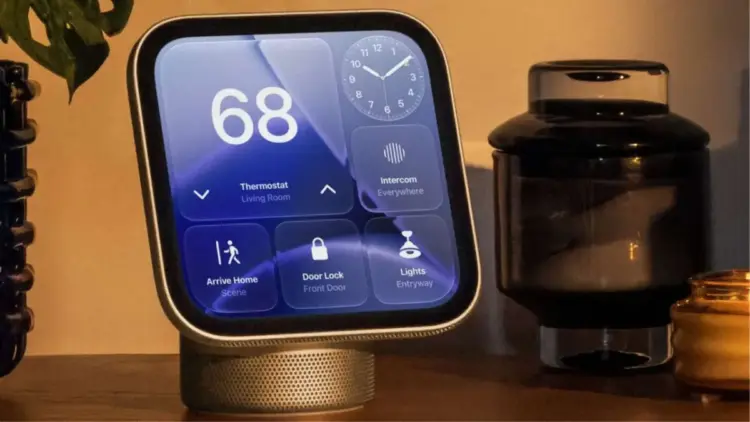
NEW YORK, NY – October 14, 2026 – Apple, a titan in consumer technology, has once again set its sights on the burgeoning smart home market, officially unveiling its new HomeView device. Priced at a premium USD 299 and slated for a November launch, this 7-inch smart home screen positions itself not as a revolutionary standalone gadget, but rather as a sophisticated extension of the ubiquitous iPhone ecosystem. With personalized Siri AI at its core and a deliberate strategy of simplicity, HomeView is Apple’s latest gambit to challenge the entrenched dominance of Amazon and Google in a space it has previously struggled to conquer.
The announcement, made at a highly anticipated event in New York, underscores Apple’s renewed commitment to integrating its vast technological infrastructure more deeply into daily domestic life. HomeView aims to offer a seamless, intuitive, and, crucially, private smart home experience, banking on its unique ecosystem advantage and a compelling narrative that contrasts with the often-overwhelming complexity of existing AI-driven devices.
Main Facts: Apple’s Calculated Re-Entry
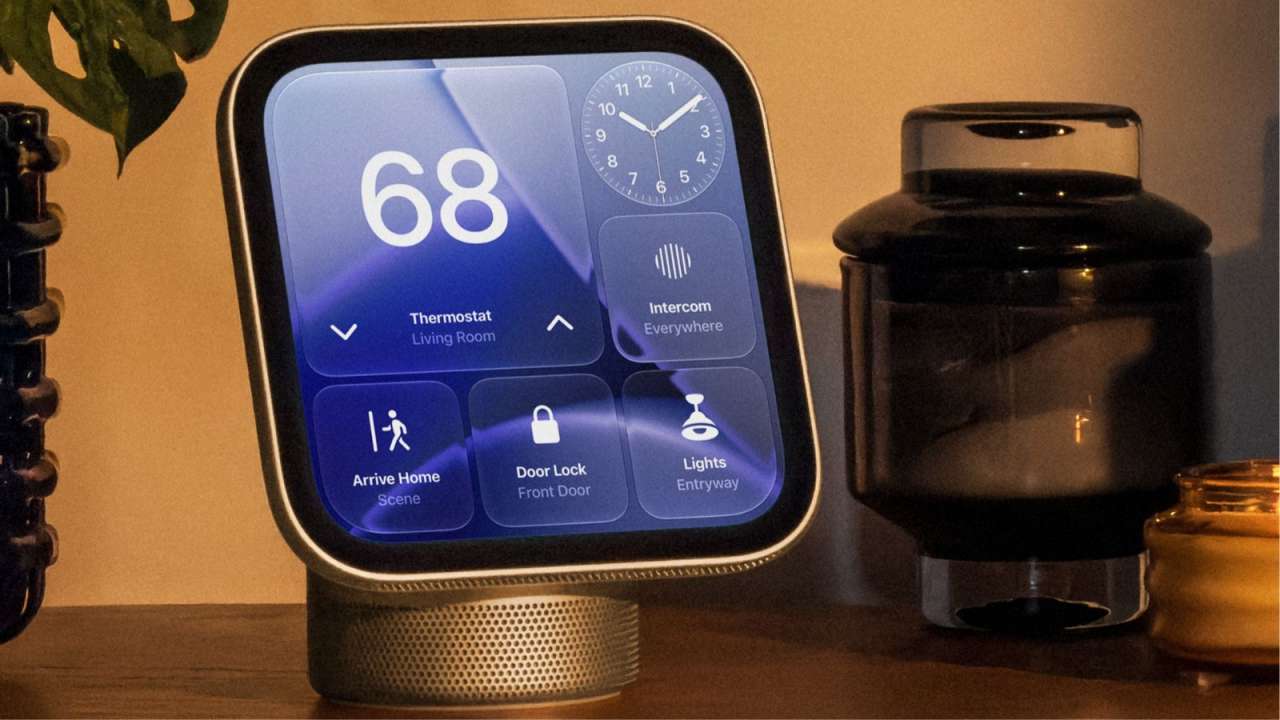
HomeView is a 7-inch touchscreen device designed for elegant placement on an aluminium base or discreet wall mounting. Its primary function is to serve as an intelligent, personalized hub for the modern home, deeply integrated with the user’s iPhone. At its heart lies a more contextually aware and personalized Siri AI, designed to learn user habits and preferences to offer tailored experiences.
The device boasts advanced camera and voice recognition capabilities, which facilitate personalized home screens that dynamically display relevant apps, calendar appointments, and notifications based on who is interacting with it. Crucially, HomeView does not store personal data directly on the device; instead, it intelligently relies on a nearby iPhone for contextual information and data processing, a move Apple touts as a significant privacy differentiator.
While core Apple services like FaceTime and Apple Music are natively integrated, the device’s functionality for third-party applications, such as Spotify, currently requires the support of a connected iPhone. This design choice reinforces HomeView’s identity as an extension rather than an independent central hub, ensuring a unified experience within the Apple ecosystem. With a USD 299 price tag, HomeView enters a competitive market, deliberately positioning itself in the premium segment, much like the iPhone redefined the smartphone landscape despite higher price points than its Android counterparts.
Chronology: Apple’s Evolving Smart Home Ambitions
Apple’s journey into the smart home arena has been marked by ambition and, at times, considerable challenge. The company’s first major foray was the HomePod, launched in 2018. Positioned primarily as a high-fidelity smart speaker, the original HomePod was lauded for its exceptional audio quality, a hallmark of Apple’s premium product philosophy. However, its initial USD 349 price point, coupled with a less capable Siri compared to Amazon’s Alexa or Google Assistant, and a limited ecosystem of compatible smart home devices (primarily HomeKit-enabled accessories), hampered its widespread adoption.

Despite subsequent price adjustments and the introduction of the more affordable HomePod mini, the HomePod line struggled to carve out a significant share in a market increasingly dominated by more versatile and budget-friendly devices from Amazon and Google. Industry reports consistently showed HomePod’s market share hovering around a modest 6%, a stark contrast to Apple’s dominance in other tech sectors. This experience provided Apple with invaluable, albeit expensive, lessons about consumer expectations, the importance of ecosystem breadth, and the critical role of visual interfaces in the smart home.
The intervening years have seen Apple steadily refine its HomeKit framework, enhance Siri’s capabilities, and expand its services ecosystem. The development of HomeView can be seen as a direct response to the HomePod’s limitations, particularly the absence of a screen, which is now considered almost essential for a truly interactive smart home hub. HomeView represents Apple’s second, more strategic, and arguably more mature attempt to plant its flag firmly in the heart of the connected home, leveraging its core strengths: design, privacy, and ecosystem integration.

Supporting Data: Unpacking the "Boring" Strategy and Market Dynamics
Apple’s declaration of HomeView as "boring" is, in fact, a deeply calculated strategic move. In an era where AI is often synonymous with complex, sometimes unpredictable, generative models and vast data processing, Apple is deliberately pivoting towards simplicity, trustworthiness, and privacy. This "boring" approach aims to build user confidence by offering a device that is predictable, reliable, and respectful of personal data, directly contrasting with the perception of many current AI products that can feel opaque or overly intrusive.
The integration with the iPhone ecosystem is not merely a convenience; it’s a foundational pillar of HomeView’s design and Apple’s overall strategy. By relying on a nearby iPhone for personal data and context, HomeView effectively decentralizes data storage, minimizing the risk of sensitive information residing on a shared home device. This architecture enables personalized features such as individual Spotify accounts, private iMessages, and secure FaceTime calls, ensuring that each family member’s experience is tailored without compromising the privacy of others. This "on-device" processing, or more accurately, "iPhone-proximate" processing, reinforces Apple’s long-standing commitment to user privacy, a significant differentiator in a market rife with concerns about data collection and usage by tech giants.

From a technical standpoint, HomeView’s 7-inch touchscreen is engineered for crisp visuals and intuitive touch interaction. The camera and voice recognition systems are designed with user consent and privacy in mind, likely featuring clear indicators when active and offering granular controls over data sharing. The emphasis on "elegance" in design, a hallmark of Apple products, extends to the user interface, which is expected to be clean, uncluttered, and highly responsive, making complex tasks feel simple.
Competitive Landscape and Market Gaps:

The smart home market, despite nearly a decade of significant investment from Google and Amazon, remains fragmented and, in many respects, without a clear leader.
- Amazon’s Echo Show devices offer a wide range of screen sizes and price points, deeply integrated with Alexa, Amazon’s vast ecosystem of services, and its e-commerce platform. They excel in voice commands, smart home control, and media consumption.
- Google’s Nest Hub devices leverage Google Assistant, offering strong integration with Google services like Calendar, Photos, and YouTube, alongside robust smart home control. Google’s devices often emphasize visual information and proactive assistance.
Both companies have made significant strides, yet they face challenges:

- Privacy Concerns: Both Amazon and Google have faced scrutiny over data collection practices, leading to user apprehension.
- Complexity and Fragmentation: Despite their broad offerings, managing a smart home often involves multiple apps, varying standards, and a steep learning curve for many users.
- Lack of Premium Appeal: While offering diverse products, their design language and ecosystem integration often lack the premium feel and seamlessness that Apple users have come to expect.
Apple believes this creates a significant market opportunity for HomeView. By focusing on a "simpler gadget that links closely with the iPhone and tackles privacy issues," Apple aims to appeal to a segment of consumers who prioritize ease of use, security, and a cohesive ecosystem experience over raw feature count or rock-bottom pricing. The USD 299 price point, while higher than many entry-level smart displays from competitors, aligns with Apple’s premium market strategy, where it has consistently demonstrated the ability to command higher prices based on perceived value, brand loyalty, and superior user experience. The iPhone, for example, consistently outperforms Android devices in the premium smartphone segment despite being more expensive, proving Apple’s unique positioning.
Official Responses: Apple’s Stated Philosophy
While the original report does not contain direct quotes, Apple’s unveiling of HomeView at the New York event, and its accompanying rhetoric, strongly conveyed the company’s official stance and underlying philosophy for this product. The key messages emphasized were:

-
Simplicity as a Core Principle: Apple is deliberately designing HomeView to be straightforward and intuitive, cutting through the perceived complexity of current smart home devices and AI technologies. The company’s philosophy suggests that technology should fade into the background, enhancing life without demanding constant attention or technical expertise. This aligns with Apple’s historical design ethos of "it just works."
-
Trustworthiness and Privacy by Design: A cornerstone of Apple’s communication strategy for HomeView revolves around privacy. The emphasis on the device not storing personal data directly, instead relying on the iPhone for context and processing, is a direct reinforcement of Apple’s long-standing commitment to user data security. This is presented as a fundamental differentiator, aiming to foster user confidence in an age of heightened privacy concerns.

-
Seamless Ecosystem Integration: HomeView is positioned as a natural extension of the iPhone, not a replacement. This highlights Apple’s strategy of strengthening its existing ecosystem, making the iPhone the central intelligence hub while HomeView provides a convenient, context-aware interface within the home. This ensures a consistent user experience and leverages the intelligence already present in millions of iPhones worldwide.
-
Elegance in Design and User Experience: As expected from Apple, the company underscored the meticulous design and aesthetic appeal of HomeView. The physical form factor, material choices (like the aluminium base), and the user interface are all crafted to offer a premium, elegant, and frictionless experience, reflecting Apple’s belief that thoughtful design is integral to technology adoption and enjoyment.

In essence, Apple’s "official response" to the market’s current state is that there is a demand for a smarter, simpler, and more secure home device that truly understands and respects its users, rather than merely offering a multitude of features.
Implications: Market Impact and Future Outlook
The launch of HomeView carries significant implications for the smart home market, Apple’s ecosystem, and the broader trajectory of AI-powered consumer devices.

For the Smart Home Market:
- Increased Competition in the Premium Segment: HomeView’s entry will undoubtedly intensify competition, particularly at the higher end of the smart display market. While Amazon and Google have broad offerings, Apple’s focus on a premium, privacy-centric device could force competitors to innovate more aggressively in these areas.
- Validation of Simplicity and Privacy: If HomeView gains traction, it could validate Apple’s "boring" strategy, shifting market focus away from sheer feature count towards user experience, reliability, and robust privacy protections. This could be a positive development for consumers.
- Ecosystem Fragmentation vs. Integration: HomeView further solidifies Apple’s walled-garden approach. While beneficial for Apple users, it might exacerbate the fragmentation for consumers who use a mix of devices from different manufacturers, potentially limiting HomeView’s appeal to non-iPhone users.
For Apple’s Ecosystem:

- Strengthening the iPhone’s Centrality: HomeView reinforces the iPhone’s role as the indispensable hub of a user’s digital life. By making HomeView an extension, Apple deepens the integration of its hardware and software, potentially increasing customer loyalty and retention within its ecosystem.
- Boosting Apple Services: A successful HomeView could drive greater engagement with Apple Music, FaceTime, Apple Fitness+, and other services, contributing to Apple’s rapidly growing services revenue.
- Learning from HomePod’s Lessons: HomeView’s success or failure will be a critical litmus test for Apple’s ability to learn from past market missteps. Its strategic design, addressing the screen deficit and privacy concerns, indicates a more mature understanding of the smart home landscape.
Broader Implications for AI and Consumer Tech:
- The Future of Personalized AI: HomeView’s personalized Siri AI, deeply integrated with individual user contexts via the iPhone, could set a new standard for how AI assistance functions in the home – more proactive, more discreet, and more genuinely helpful without being intrusive.
- Privacy as a Differentiator: Apple’s strong stance on privacy with HomeView could elevate privacy from a mere talking point to a critical competitive advantage across the tech industry, potentially prompting other companies to re-evaluate their data handling practices.
- The "Ambient Computing" Vision: HomeView aligns with the concept of ambient computing, where technology seamlessly integrates into the environment, anticipating needs rather than requiring explicit commands. Apple’s approach, making the home screen dynamically personalized, moves closer to this vision.
Challenges Ahead:
Despite its strategic advantages, HomeView faces significant hurdles. The USD 299 price tag, while justifiable within Apple’s premium segment, is still a barrier for many. The existing market is saturated with more affordable options. Furthermore, Apple will need to continuously expand third-party app support and HomeKit compatibility to truly compete with the breadth of devices and services offered by Amazon and Google. The reliance on a nearby iPhone, while a privacy feature, could also be seen as a limitation by users expecting a fully independent device.

Ultimately, HomeView represents Apple’s refined vision for the smart home – one built on simplicity, personalization, and unwavering privacy. It’s a calculated risk, aiming to carve out a premium niche by offering a distinct experience that leverages the company’s greatest asset: its incredibly loyal and deeply integrated user base. Whether this "boring" strategy proves to be a secret weapon or another challenging chapter in Apple’s smart home saga will unfold as HomeView makes its debut in November.
Find your daily dose of All Latest News including Sports News, Entertainment News, Lifestyle News, explainers & more. Stay updated, Stay informed – Follow DNA on WhatsApp.