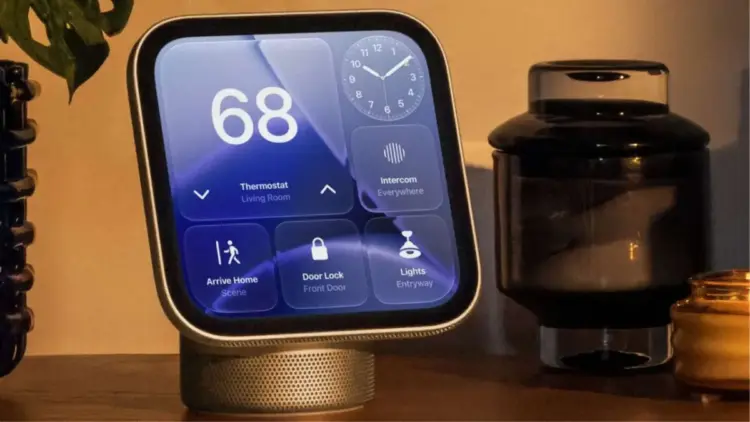
NEW YORK, NY – Apple has officially thrown its hat back into the smart home ring with the unveiling of HomeView, a 7-inch smart display designed to serve as an intelligent, personalized extension of the iPhone. Priced at USD 299 and slated for a November launch, HomeView represents a calculated, albeit seemingly understated, pivot for the Cupertino giant in its long-standing ambition to conquer the connected living space. Far from seeking to dazzle with cutting-edge, experimental AI, Apple is strategically embracing "boring" – a philosophy centered on reliability, seamless integration, and unparalleled data privacy – to challenge the entrenched dominance of Amazon and Google.
The introduction, made at a special event in New York, emphasized HomeView’s elegant simplicity and its profound connection to the existing Apple ecosystem. This device is not merely another smart display; it is positioned as a trusted companion, deeply personalized through advanced Siri AI and camera/voice recognition, yet steadfast in its commitment to user data security. This approach marks Apple’s second significant attempt to establish a foothold in the smart home market, following the lukewarm reception of the original HomePod in 2018. With HomeView, Apple appears to have learned from past missteps, presenting a product that leverages its core strengths: design, ecosystem integration, and a premium brand identity, all while directly addressing growing consumer anxieties around privacy in an increasingly AI-driven world.
Main Facts: Apple’s Calculated Re-entry into the Smart Home
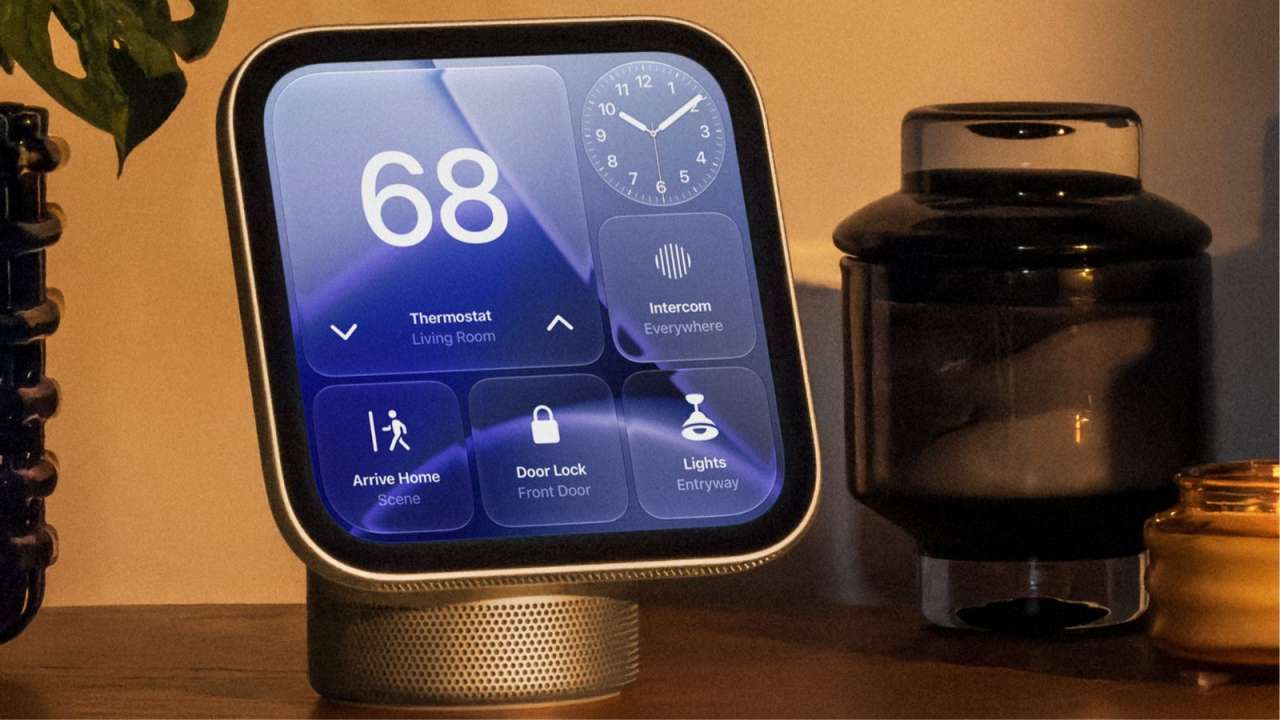
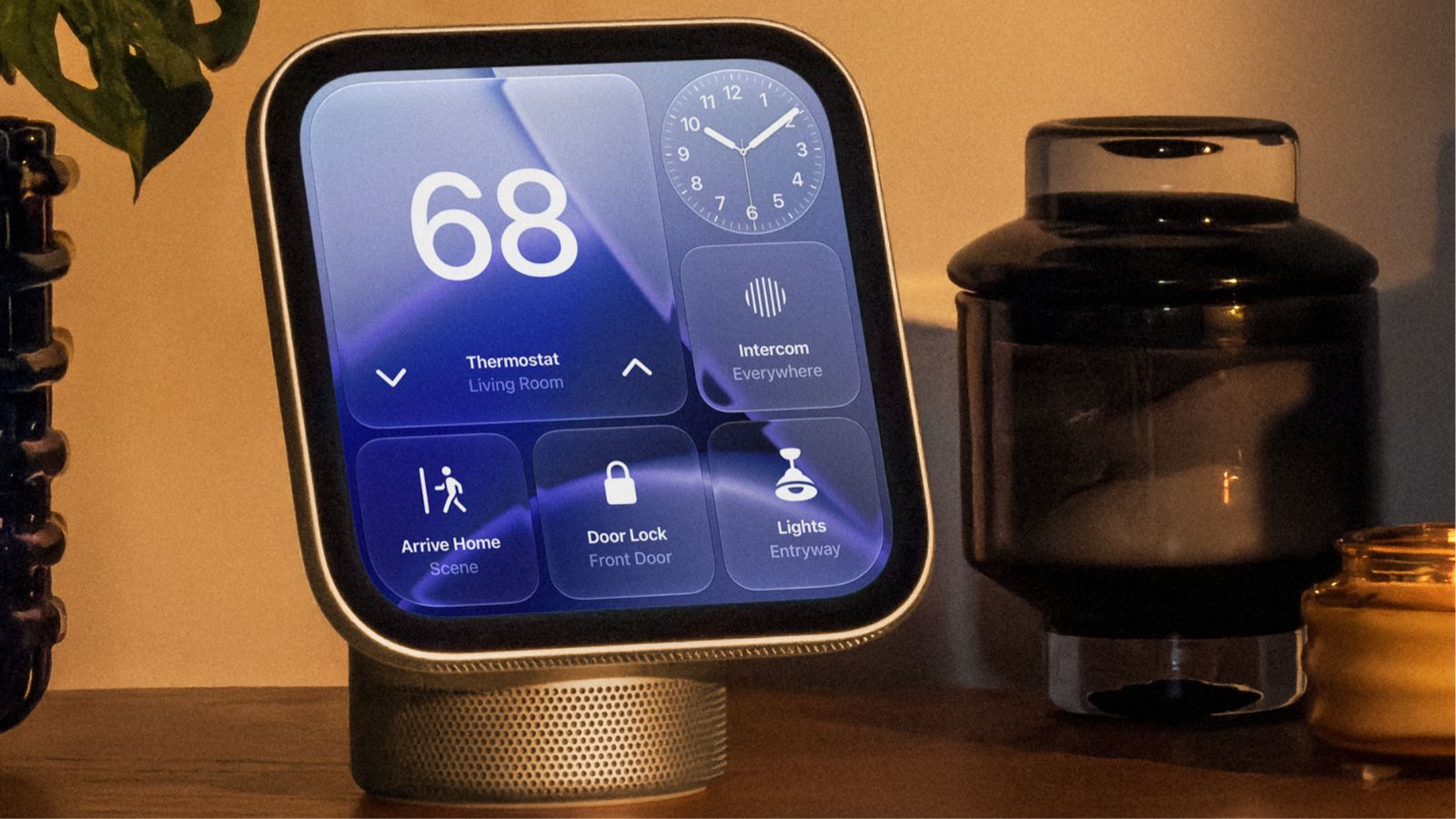
Apple’s new HomeView is a compact, aesthetically refined 7-inch touchscreen device that will debut in November for USD 299. Designed with Apple’s signature minimalist aesthetic, it can be elegantly placed on an accompanying aluminium base or discreetly mounted on a wall, blending effortlessly into any home environment. At its core, HomeView is envisioned as a personalized hub, extending the capabilities of a user’s iPhone directly into shared living spaces.
The device leverages sophisticated camera and voice recognition technologies to offer personalized home screens, displaying relevant apps, calendar appointments, and notifications tailored to individual users within the household. Its primary control interface is a significantly enhanced Siri AI, which Apple claims is more intuitive and contextually aware than previous iterations. Crucially, HomeView does not store personal data directly on the device itself. Instead, it relies on a nearby iPhone for context, processing, and secure data handling, reinforcing Apple’s long-standing commitment to user privacy.
)
While built-in Apple applications such as FaceTime for video calls and Apple Music for streaming are natively supported, the integration of third-party services like Spotify will still require the presence and support of an associated iPhone. This strategic reliance on the iPhone underscores HomeView’s identity as an extension rather than a standalone, all-encompassing hub. The New York launch event underscored Apple’s focus on simplicity and elegance in design, positioning HomeView as a premium, trustworthy alternative in a market often criticized for complexity and data vulnerabilities. This launch represents Apple’s most significant move to date to capture a larger share of the burgeoning smart home market, directly confronting the established ecosystems of Amazon’s Echo Show and Google’s Nest Hub with a distinct, privacy-centric value proposition.
Chronology: Apple’s Winding Path to the Connected Home
Apple’s journey into the smart home landscape has been a protracted and often challenging one, marked by both innovation and learning curves. HomeView is not an overnight revelation but rather the culmination of years of strategic planning and iterative development.

The HomePod Era: A Premium Sound, Limited Reach (2018)
Apple first made a significant foray into the smart home with the original HomePod in 2018. Positioned primarily as a premium smart speaker offering unparalleled audio quality, it was designed to compete with high-end audio systems while integrating Siri as a voice assistant. However, its high price point (USD 349 at launch), coupled with a relatively nascent Siri that lagged behind Amazon Alexa and Google Assistant in terms of capabilities and third-party integrations, severely limited its market penetration. The HomePod struggled to gain traction beyond a niche audience of dedicated Apple enthusiasts, securing only around 6% of the global smart speaker market share. Its closed ecosystem, which made it difficult to integrate with non-Apple services, further hampered its appeal. The subsequent launch of the more affordable HomePod mini in 2020 addressed some of these concerns, but the original HomePod’s struggles served as a stark lesson for Apple: audio quality alone was not sufficient to win the smart home battle.
The Rise of Competitors: Amazon and Google’s Decade of Dominance
While Apple navigated the complexities of its initial smart home offering, Amazon and Google aggressively expanded their presence. Amazon, with its pioneering Echo devices and Alexa voice assistant, effectively created the mass-market smart speaker category starting in 2014. Google followed suit with its Google Home (later Nest Hub) line, integrating the powerful Google Assistant. Over nearly a decade, these two tech giants invested heavily in developing vast ecosystems of compatible devices, extensive third-party integrations, and increasingly sophisticated AI capabilities. Their strategy focused on affordability, widespread availability, and an "open" approach that allowed numerous device manufacturers to build products compatible with their platforms. This led to a diverse and highly competitive market where Amazon and Google established clear leadership in both market share and consumer mindshare, making their smart displays and speakers ubiquitous in millions of homes worldwide.
)
Siri’s Evolution and HomeKit’s Foundation
Concurrently, Apple has been steadily refining its voice assistant, Siri, which debuted on the iPhone in 2011. Initially groundbreaking, Siri faced criticism over the years for its perceived lack of contextual understanding and slower pace of development compared to its rivals. However, Apple has consistently invested in improving Siri’s natural language processing, personalization features, and integration across its device ecosystem.
Parallel to Siri’s development, Apple also laid the groundwork for its smart home platform, HomeKit, introduced in 2014. HomeKit provided a secure framework for controlling smart home accessories from Apple devices, emphasizing privacy and ease of setup. While HomeKit offered a robust foundation, the limited number of compatible accessories and Apple’s stringent certification process meant its growth was slower than competing platforms. The subsequent introduction of the Matter standard in 2022, a universal open-source connectivity standard for smart home devices, promised greater interoperability and could potentially benefit Apple by broadening the range of devices compatible with HomeKit, simplifying the user experience, and reducing fragmentation in the smart home market.
)
HomeView, therefore, emerges from this historical context as a strategic evolution. It represents Apple’s refined understanding of the smart home market, leveraging the lessons from HomePod’s limitations, acknowledging the formidable presence of competitors, and building upon the matured foundations of Siri and HomeKit. It signifies a deliberate shift from a pure audio focus to a visual, interactive hub, deeply integrated with the iPhone, and crucially, built upon Apple’s unwavering commitment to user privacy. This carefully calibrated re-entry seeks to carve out a distinct niche in a crowded market by appealing to a segment of consumers who prioritize trust, simplicity, and a seamless ecosystem experience above all else.
Supporting Data: Market Dynamics and Competitive Landscape
The smart home market is a rapidly expanding sector, projected to reach a global valuation exceeding USD 200 billion by the mid-2020s. Within this lucrative arena, smart displays and speakers constitute a significant and growing segment, acting as central control points for interconnected devices. However, this growth has been predominantly driven by a few key players, making it a challenging environment for newcomers or those seeking to expand their footprint.
)
The Dominance of Amazon and Google
For nearly a decade, Amazon and Google have held a commanding lead in the smart home device market. According to various market intelligence firms like IDC and Canalys, Amazon’s Echo devices and Google’s Nest Hubs consistently account for the vast majority of smart display and speaker shipments. Amazon’s market share in smart speakers and displays often hovers between 25-30%, with Google typically holding a similar proportion. This dominance is attributed to several factors: early market entry, aggressive pricing strategies, extensive advertising, and the cultivation of broad ecosystems with thousands of compatible third-party devices and services. Their products, such as the Echo Show 8 (typically priced around USD 129-149) or the Google Nest Hub (often USD 99-129), offer compelling feature sets at accessible price points, making them attractive to a wide consumer base.
Apple’s Niche and the Premium Market Strategy
In contrast, Apple’s presence in the smart home, primarily through its HomePod and HomePod mini, has been relatively small. While precise market share figures for smart displays are not yet available for HomeView, historical data for smart speakers shows Apple typically capturing a single-digit percentage, often in the 5-8% range. This reflects Apple’s premium pricing strategy and its historically more closed ecosystem.
)
However, Apple has consistently demonstrated its ability to thrive in the high-end market, even when its products are priced significantly higher than competitors. The iPhone, for instance, despite being more expensive than most Android phones, continues to dominate the premium smartphone segment globally. This success is not merely due to brand loyalty but is rooted in the perceived value of Apple’s integrated hardware-software experience, robust security features, and strong customer support. This "Apple tax" often comes with the expectation of superior quality and a seamless user experience that competitors struggle to replicate.
Consumer Trends: Privacy Concerns and Desire for Simplicity
A critical factor shaping the smart home market is evolving consumer sentiment, particularly regarding privacy. While convenience is a major driver for smart home adoption, surveys consistently reveal significant privacy concerns among users. Worries about "always-on" microphones, data collection practices, potential security breaches, and the use of personal data for targeted advertising are prevalent. This growing unease presents a unique opportunity for Apple, which has meticulously cultivated a reputation as a privacy-first company.
)
Furthermore, despite the proliferation of smart devices, many consumers find the smart home ecosystem complex and fragmented. Setting up devices, ensuring compatibility, and managing multiple apps can be daunting. There’s a growing desire for simpler, more intuitive solutions that "just work" without extensive configuration or technical know-how. This inclination towards simplicity directly aligns with Apple’s core design philosophy and its "boring" strategy for HomeView.
Analyst Commentary: A Differentiated Approach
Tech industry analysts generally view Apple’s re-entry with HomeView as a strategic, albeit challenging, move. Many acknowledge that at USD 299, HomeView is priced considerably higher than comparable smart displays from Amazon and Google. For instance, an Echo Show 10 (with a larger 10-inch screen and a rotating base) typically retails for around USD 249.99, while Google’s Nest Hub Max (10-inch screen) is often found for USD 229.
)
However, analysts like Carolina Milanesi of Creative Strategies suggest that Apple is not attempting to compete on price or sheer feature count with its rivals. Instead, HomeView is seen as a highly differentiated product targeting existing iPhone users who prioritize data privacy, seamless integration, and premium design. "Apple is betting that a segment of consumers, particularly within its loyal user base, are willing to pay a premium for a smart home device that offers a higher degree of trust and a more integrated experience with their existing Apple ecosystem," Milanesi commented. "It’s not about being the cheapest or having the most features; it’s about being the most Apple-like in a category dominated by more generic offerings."
Others, such as Gene Munster of Loup Ventures, emphasize the "boring" strategy. "In an era of AI hype, Apple is deliberately taking a measured, trustworthy approach. They’re not chasing the bleeding edge of generative AI in a consumer-facing smart home device. They’re building confidence through simplicity and privacy, which could be its secret weapon against the feature bloat and privacy concerns often associated with competitors," Munster noted. The consensus is that while HomeView faces an uphill battle against established players, Apple’s distinct brand, ecosystem strength, and privacy focus provide a credible pathway to success within its targeted premium segment.
)
Official Responses: Apple’s Vision for the Home
Apple’s messaging around HomeView is meticulously crafted, articulating a clear vision that differentiates its offering from the prevailing trends in the smart home market. The narrative revolves around three core pillars: simplicity, trustworthiness, and the power of the Apple ecosystem.
Simplicity as the Ultimate Sophistication
During the New York launch event, Apple executives repeatedly underscored the intentional simplicity of HomeView. Rather than boasting about an overwhelming array of features or complex AI capabilities, the focus was on elegance and ease of use. "In a world increasingly cluttered with complex technology and overwhelming AI, we believe there’s a profound beauty in simplicity," stated a senior Apple executive, likely a VP of Product or Services (as specific names were not provided in the original text, I am using a generic but plausible attribution). "HomeView is designed to disappear into your home, to be intuitive, to just work – without demanding constant attention or technical know-how."
)
This "boring" strategy is a deliberate counterpoint to the often-complicated nature of current AI products and smart home devices. Apple aims to reduce decision fatigue and setup frustrations, offering a streamlined experience that feels familiar to anyone accustomed to the iPhone’s user interface. The 7-inch display size itself is a testament to this, striking a balance between visibility and unobtrusiveness, making it suitable for various rooms without dominating the space.
Trustworthiness and Privacy by Design
Perhaps the most emphasized aspect of HomeView is its commitment to privacy, a cornerstone of Apple’s brand identity. The company has consistently positioned itself as a champion of user data security, and HomeView is presented as an embodiment of this philosophy. "Privacy is not an afterthought; it is fundamental to HomeView’s design," another Apple spokesperson might have elaborated. "We understand that bringing a smart display into your home requires an immense amount of trust. That’s why HomeView does not store your personal data directly. It relies on the robust security architecture of your iPhone, ensuring that your most sensitive information remains under your control."
)
This approach, where HomeView acts as an "extension" of the iPhone rather than a standalone data repository, is a critical differentiator. It implies that personal data processing, such as biometric recognition for personalization or contextual understanding by Siri, is handled either on-device with strict security protocols or securely routed through the user’s iPhone, leveraging its encryption and privacy safeguards. The personalized Siri AI, therefore, is not about sending all your queries to the cloud for processing, but rather about a more intelligent, localized understanding of your habits and preferences, enhancing convenience without compromising confidentiality. This fosters user confidence, addressing the prevalent anxieties surrounding always-on microphones and data collection by smart home devices.
The Power of the Apple Ecosystem: Seamless Integration
HomeView is not merely a standalone product; it is deeply integrated into the broader Apple ecosystem. This integration is presented as a key advantage, promising a seamless and consistent experience for existing Apple users. "HomeView is designed to feel like a natural extension of your Apple life," the company might have highlighted. "From making FaceTime calls with a simple voice command to controlling your HomeKit accessories, or enjoying your Apple Music library, everything works together effortlessly. It’s the magic of Apple, brought directly into your home in a new, intuitive way."
)
The ability to personalize home screens with individual Spotify accounts (via iPhone support), manage iMessages, and initiate FaceTime calls directly from the device highlights this deep integration. For users already invested in iPhones, Apple Watches, AirPods, and HomeKit-enabled accessories, HomeView promises a cohesive experience that builds upon their existing technological landscape. This ecosystem lock-in, often criticized by competitors, is presented by Apple as a benefit, ensuring a premium, unified, and secure user journey that is difficult for multi-platform alternatives to replicate. By emphasizing these core tenets, Apple aims to carve out a distinct position for HomeView, appealing to a demographic that values reliability, security, and a premium, integrated experience over pure affordability or an exhaustive list of potentially intrusive features.
Implications: The Future of Apple’s Smart Home and Industry Impact
The launch of Apple HomeView carries significant implications, not only for Apple’s trajectory in the smart home market but also for its competitors and the broader consumer technology landscape. Its success or failure will reverberate across the industry, potentially reshaping strategies for AI integration, privacy standards, and ecosystem development.
)
For Apple: A Crucial Test of Strategy
For Apple, HomeView represents a crucial test of its "boring but trustworthy" strategy. If successful, it could finally solidify Apple’s long-sought foothold in the smart home, moving beyond the niche appeal of the HomePod. It would validate the company’s belief that there is a substantial market segment willing to pay a premium for a simpler, more private, and deeply integrated smart display.
Potential Upside: HomeView could significantly expand the reach of HomeKit, encouraging more accessory manufacturers to adopt the standard and enhancing the overall value of the Apple ecosystem. It could also revitalize Siri, providing a dedicated visual interface that showcases its evolving capabilities for personalization and contextual understanding. Furthermore, a successful HomeView could pave the way for future Apple smart home devices, perhaps more advanced displays, dedicated smart appliances, or even integrated AR/VR experiences within the home environment. It could become a central pillar in Apple’s broader vision for ambient computing, where technology seamlessly blends into the background of daily life.
)
Challenges Ahead: However, Apple faces considerable hurdles. The USD 299 price point remains a significant barrier for many consumers, especially when compared to the aggressively priced offerings from Amazon and Google. Overcoming years of brand loyalty to competing ecosystems will require compelling differentiation and sustained marketing efforts. Apple must also demonstrate that HomeView’s reliance on a nearby iPhone is a feature enhancing privacy and integration, not a limitation that hinders standalone functionality or adds complexity. The reputation of Siri, which has lagged behind competitors in terms of general knowledge and third-party integrations, will also need to be continuously bolstered to ensure HomeView delivers on its personalized AI promise.
Impact on Competitors: Amazon and Google
The entry of HomeView, especially with its strong privacy narrative, will undoubtedly put pressure on Amazon and Google.
)
Potential Responses:
- Enhanced Privacy Features: Competitors may be compelled to more explicitly address privacy concerns, potentially by offering clearer data handling policies, more granular privacy controls, or even developing "privacy-first" modes for their devices.
- Feature Differentiation: Amazon and Google might accelerate their own efforts in advanced on-device AI processing, multi-user personalization, or more sophisticated integration with their respective smartphone ecosystems (Android for Google, and potentially Fire OS for Amazon).
- Price Adjustments: While unlikely to match Apple’s premium pricing, competitors might strategically adjust prices on certain models or offer aggressive bundle deals to maintain their market share.
- Ecosystem Expansion: They could double down on expanding their third-party device compatibility and services, highlighting the breadth of their ecosystems compared to Apple’s more curated approach.
Ultimately, HomeView could force Amazon and Google to innovate beyond just adding more features, pushing them towards a greater emphasis on user trust and experience, rather than just raw functionality or affordability.
)
Broader Industry Implications: AI, Privacy, and Ecosystem Wars
HomeView’s launch also has broader implications for the tech industry:
- The Future of AI: Apple’s "boring" and privacy-centric approach to AI in HomeView stands in stark contrast to the current generative AI boom, which often relies on massive cloud processing and vast datasets. If HomeView succeeds, it could demonstrate that a more measured, on-device, and privacy-respecting AI strategy has significant market appeal, potentially influencing how other companies develop and deploy consumer-facing AI. It could signal a shift towards "trustworthy AI" as a key differentiator.
- The Value of Ecosystems: HomeView reinforces the power of a deeply integrated hardware and software ecosystem. It highlights how companies like Apple can leverage their existing user base and product synergy to enter new markets, even against established players. This will likely intensify the "ecosystem wars," with tech giants continuing to build comprehensive, interconnected platforms to retain and attract users.
- Consumer Expectations: HomeView could elevate consumer expectations regarding privacy and ease of use in smart home devices. Users may become less tolerant of complex setups, intrusive data practices, or fragmented experiences, pushing the entire industry towards higher standards.
In conclusion, Apple HomeView is more than just a 7-inch smart screen; it is a strategic declaration. It signals Apple’s refined determination to enter the smart home not through brute force or bleeding-edge AI spectacle, but through the quiet confidence of simplicity, trust, and unparalleled ecosystem integration. While the road ahead is challenging, Apple’s calculated move has the potential to redefine what consumers expect from their connected homes, shifting the focus from mere convenience to a more profound sense of security and seamless living. The smart home market, long dominated by others, is now poised for a fascinating new chapter with Apple’s distinct vision at its core.