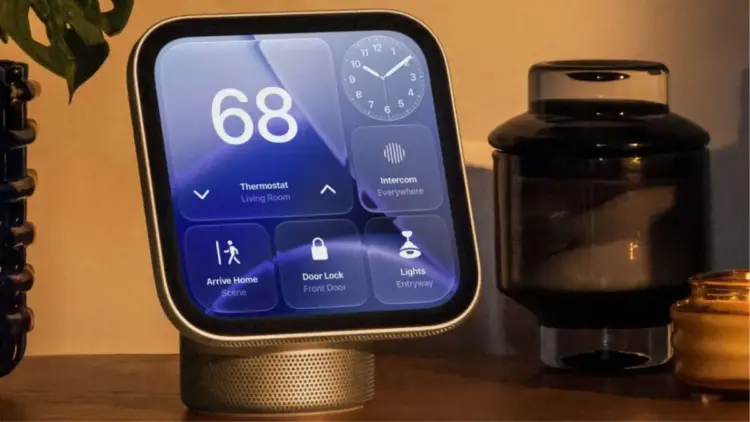
CUPERTINO, CA – October 14, 2026 – Apple, a titan in consumer electronics, has officially announced its latest foray into the smart home market with the introduction of HomeView, a 7-inch smart display designed to serve as a sophisticated extension of the iPhone experience. Priced at USD 299 and slated for a November launch, HomeView represents Apple’s refined strategy to carve out a significant presence in a domain currently dominated by tech giants Amazon and Google. Far from a flashy, feature-laden gadget, Apple positions HomeView as a "boring" yet trustworthy device, emphasizing simplicity, seamless integration, and unparalleled privacy – qualities the company believes are its secret weapons against entrenched competition.
Main Facts: Introducing HomeView and Apple’s Strategic Pivot
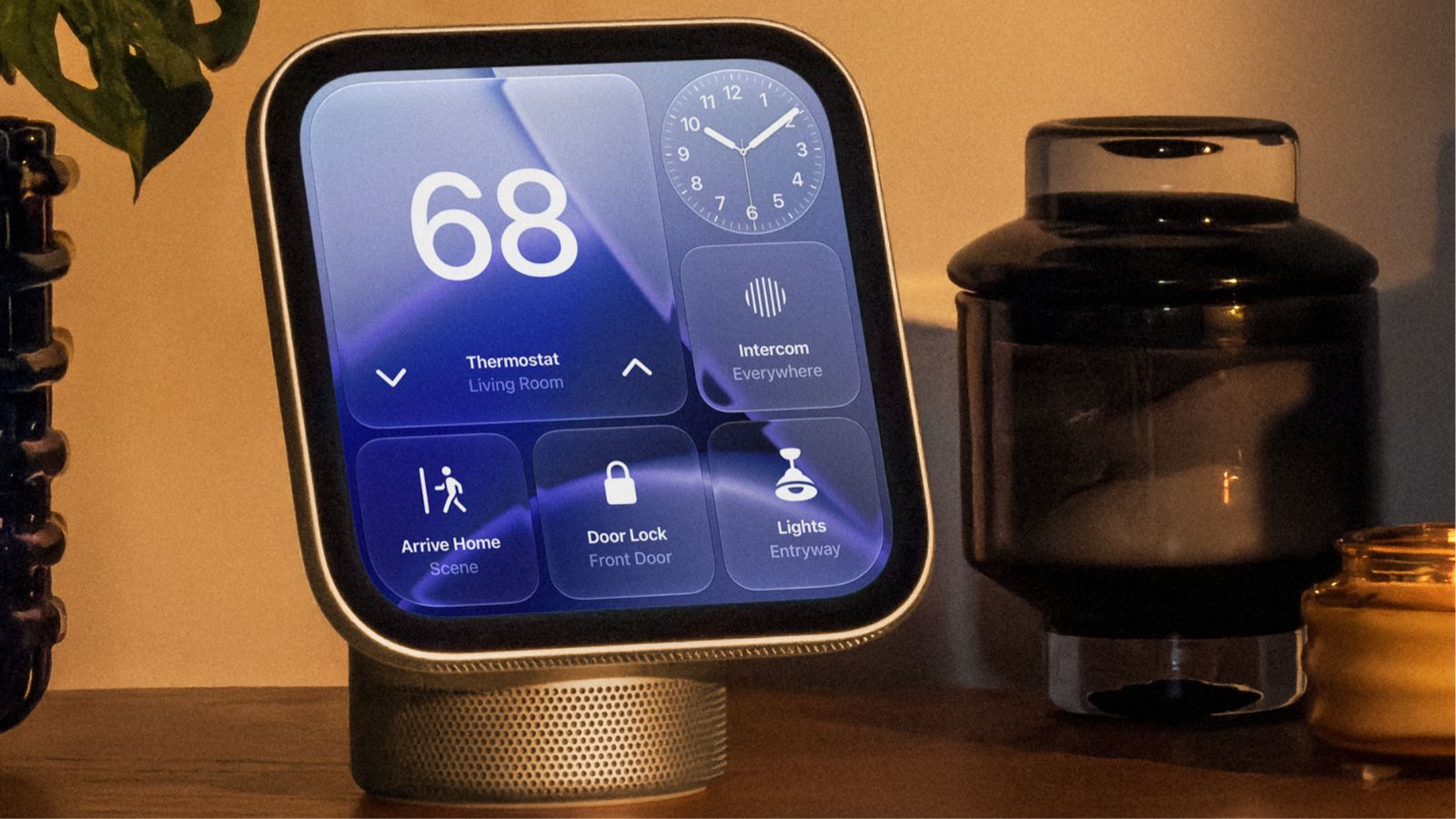
The Apple HomeView is a sleek, 7-inch touchscreen device that can be elegantly placed on an aluminum base or discreetly mounted on a wall, embodying Apple’s signature minimalist design philosophy. At its core, HomeView is envisioned not as a standalone smart hub, but rather as a highly personalized extension of the user’s iPhone. This deep integration is central to its functionality, allowing for a seamless handoff of tasks and information, and leveraging the iPhone’s robust processing power and secure data storage.
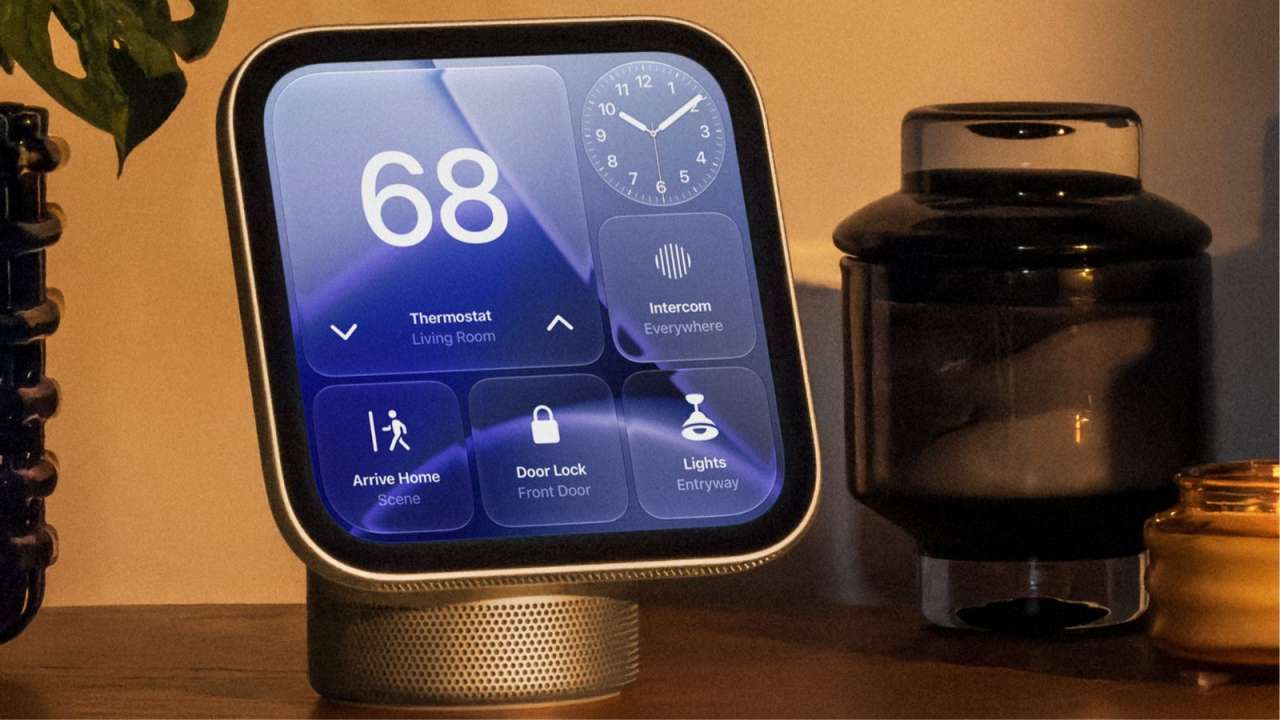
Key to HomeView’s personalized experience is an advanced iteration of Siri AI. Utilizing integrated camera and voice recognition technologies, HomeView intelligently adapts its interface to the individual user present. This means personalized home screens displaying relevant apps, calendar appointments, and even curated photo albums tailored to whoever is interacting with the device. For instance, a simple "Hey Siri" could bring up a family member’s specific reminders, or display their preferred Spotify playlist, all while maintaining strict user privacy.
The device is priced at USD 299, positioning it at the higher end of the smart display market, a segment where Amazon’s Echo Show and Google’s Nest Hub have long offered more budget-friendly alternatives. However, Apple’s consistent success in the premium market, exemplified by the iPhone’s enduring appeal despite its higher cost, suggests a calculated move to target users willing to pay a premium for a superior, integrated, and secure experience. HomeView will support native Apple applications such as FaceTime for video calls and Apple Music for audio streaming. Crucially, while third-party apps like Spotify can be accessed, their full functionality often relies on the presence and context provided by a nearby iPhone, underscoring the device’s "extension" identity.
)
Apple’s strategic messaging around HomeView pivots on the concept of "boring" as a virtue. In an era where many AI products are perceived as overly complex, intrusive, or prone to errors, Apple aims to offer a device that is simple, reliable, and, above all, trustworthy. This strategy is a direct response to growing consumer apprehension regarding data privacy and the often-overwhelming feature sets of competing smart home devices. By tightly integrating HomeView within its established ecosystem and emphasizing on-device processing where possible, Apple seeks to foster user confidence in its approach to data privacy and functional reliability.
Chronology: Apple’s Smart Home Journey and the Road to HomeView
Apple’s journey into the smart home market has been a long and often challenging one, marked by a cautious approach and a steadfast commitment to its core principles of design, user experience, and privacy. The introduction of HomeView is not an isolated event but rather the culmination of years of development, learning from past endeavors, and adapting to an evolving technological landscape.

Early Forays: HomeKit (2014)
Apple’s initial significant step into the smart home arena came in 2014 with the introduction of HomeKit, a framework designed to allow developers to integrate their smart home accessories with Apple’s ecosystem. HomeKit’s primary innovation was its emphasis on security and privacy, requiring manufacturers to adhere to stringent standards and enabling users to control their devices securely through the Home app on iOS. While HomeKit laid a crucial foundation for interoperability and secure communication, it was a software framework, not a hardware product, and its impact was limited by the relatively small number of compatible accessories in its early years. It highlighted Apple’s cautious approach, prioritizing a secure foundation over rapid market penetration.
The HomePod Era: A Premium Sound, Limited Reach (2018)
In 2018, Apple made its first major hardware play in the smart home with the launch of the HomePod. Positioned as a high-fidelity smart speaker, the HomePod delivered exceptional audio quality, rivaling premium audiophile systems. However, its high price point (initially USD 349), coupled with a relatively limited Siri functionality compared to Alexa and Google Assistant, and a late entry into a market already saturated with smart speakers, severely hampered its commercial success. The HomePod struggled to gain traction, capturing only an estimated 6% of the smart speaker market share. Its focus on audio quality overshadowed its smart home capabilities, and its restrictive ecosystem meant it didn’t play well with non-Apple devices, a significant hurdle in the fragmented smart home landscape.
)
Course Correction: The HomePod Mini (2020)
Learning from the original HomePod’s challenges, Apple introduced the HomePod Mini in 2020. With a more accessible price point of USD 99, a compact design, and improved Siri capabilities, the HomePod Mini saw better reception. It integrated Apple’s U1 chip for precise location awareness, enabling features like Handoff for audio playback and the innovative Intercom function for family communication across devices. The HomePod Mini offered a clearer vision of Apple’s smart home ambitions, emphasizing affordability, connectivity, and practical family-oriented features, but it still lacked a visual interface, a growing trend in the market.
Embracing Interoperability: The Matter Standard (2022 onwards)
A significant shift in Apple’s smart home strategy has been its active involvement in the development and adoption of the Matter standard. Launched in 2022, Matter is an industry-unifying connectivity standard designed to enable smart home devices from different manufacturers to work together seamlessly and securely. Apple’s commitment to Matter, alongside Google, Amazon, and Samsung, signals a move away from its historically closed ecosystem approach in certain smart home contexts. This strategic pivot acknowledges the reality that consumers desire interoperability and simplifies the smart home experience, reducing frustration with incompatible devices. HomeView, launching post-Matter’s widespread adoption, is perfectly positioned to leverage this new standard, potentially serving as a central hub for a wider array of smart home devices than ever before.
)
The Genesis of HomeView: Why Now?
The timing of HomeView’s launch in 2026 reflects several converging factors. The smart home market has matured, with consumers becoming more accustomed to voice assistants and connected devices. There’s also a clear demand for visual interfaces in the home, moving beyond mere audio interaction to include video calls, recipe displays, and personalized information at a glance. Furthermore, the growing concerns around data privacy and security have created an opportune moment for Apple to differentiate itself with its "trustworthy" and "simple" approach. HomeView represents Apple’s most comprehensive attempt yet to marry its powerful ecosystem with the evolving needs of the modern smart home, aiming to finally establish a firm foothold where its previous attempts found limited success. It’s a calculated move to leverage its massive iPhone user base, offering them a device that feels like a natural extension of their most personal technology.
Supporting Data: Market Dynamics, Competition, and Apple’s Niche
The smart home market is a vast and rapidly expanding sector, with projections estimating its global value to reach hundreds of billions of dollars in the coming years. This growth is driven by increasing adoption of IoT devices, advancements in AI, and a growing consumer desire for convenience, security, and energy efficiency. Within this landscape, smart displays have emerged as a particularly popular category, blending the utility of a smart speaker with the visual richness of a tablet.
)
The Dominant Players: Amazon and Google
For nearly a decade, Amazon and Google have been the undisputed leaders in the smart display segment.
- Amazon’s Echo Show line: Ranging from the compact Echo Show 5 to the larger Echo Show 15, Amazon offers a variety of sizes and price points, making smart displays accessible to a broad demographic. Their strength lies in Alexa’s vast ecosystem of skills, deep integration with Amazon services (shopping, Prime Video), and a relatively low entry barrier. However, concerns about Amazon’s data collection practices and the sheer volume of features can sometimes lead to a perception of complexity.
- Google’s Nest Hub line: Google’s offerings, such as the Nest Hub and Nest Hub Max, are renowned for their integration with Google Assistant, YouTube, Google Photos (making them excellent digital photo frames), and their commitment to privacy with features like on-device processing for some voice commands. Google’s rich information graph and seamless integration with its suite of services are significant advantages. Yet, like Amazon, the breadth of features can sometimes be overwhelming for users seeking straightforward functionality.
Despite their decade-long head start, neither Amazon nor Google has managed to create an unassailable lead in the smart home market. Market shares fluctuate, and consumer loyalty is often tied to specific features or price points rather than a holistic brand experience across all smart home categories. This fragmentation and the lack of a clear, dominant leader present a significant opportunity for Apple.
)
Apple’s Premium Niche and Pricing Strategy
At USD 299, HomeView is positioned above many of its direct competitors. For instance, Amazon’s Echo Show 8 typically retails for around USD 129-149, and Google’s Nest Hub for USD 99-129, with larger models like the Echo Show 10 or Nest Hub Max often priced closer to USD 249-279. This higher price point is consistent with Apple’s long-standing strategy of targeting the premium market segment.
- Justification for the Premium: Apple’s success with the iPhone, which consistently commands a higher price than most Android smartphones yet dominates the premium segment, provides a clear precedent. Consumers within Apple’s ecosystem are often willing to pay more for perceived superior build quality, design aesthetics, seamless integration across devices, and, crucially, a strong emphasis on privacy and security. The HomeView’s aluminum base and elegant design are likely to appeal to this discerning customer base.
- Privacy as a Differentiator: In a world increasingly wary of data collection, Apple’s privacy-centric approach is a powerful selling point. The original article highlights that HomeView "does not store personal data directly but relies on a nearby iPhone for context." This implies that sensitive personal data processing, such as biometric authentication for user recognition or detailed contextual analysis, largely happens on the user’s iPhone or locally on the HomeView with robust encryption, rather than being continuously uploaded to cloud servers. This contrasts sharply with the cloud-heavy processing models often employed by competitors, which can raise legitimate privacy concerns among consumers.
- Ecosystem Lock-in and Loyalty: HomeView is designed primarily for existing iPhone users. This "walled garden" approach, while sometimes criticized, is also Apple’s greatest strength. By offering a device that so deeply integrates with the iPhone, Apple reinforces its ecosystem, making it even more appealing for users to remain within the Apple fold. The personalized Siri AI, FaceTime integration, and seamless interaction with Apple Music and other services are powerful incentives for those already invested in the Apple universe.
The smart home market is not just about raw features; it’s increasingly about trust, simplicity, and how well devices integrate into a user’s existing digital life. Apple believes there is a significant market for a simpler, more elegant gadget that prioritizes these aspects, leveraging its brand reputation and loyal customer base to carve out its unique space.
)
Official Responses and Industry Reactions: The "Boring is a Strategy" Narrative
While Apple typically remains tight-lipped until official product unveilings, its consistent messaging around HomeView allows us to infer its official stance and anticipate industry reactions. The core of Apple’s communication strategy for HomeView revolves around its "boring" nature – a deliberate and counter-intuitive marketing angle designed to resonate with a specific consumer need.
Apple’s Official Narrative: Simplicity, Trust, and Elegance
Apple’s announcement event in New York likely emphasized key themes:
)
- "Boring as a Strategy": This is perhaps the most striking element of Apple’s messaging. In an industry obsessed with groundbreaking AI, complex algorithms, and an ever-expanding list of features, Apple is consciously choosing to highlight simplicity and reliability. This isn’t an admission of lack of innovation; rather, it’s a strategic pivot to address user fatigue with overly complicated tech and growing apprehension about privacy. "Boring" here means predictable, secure, and effortlessly functional – qualities that build trust.
- Trustworthiness and Privacy: Apple consistently positions itself as a champion of user privacy. For HomeView, this means stressing that personal data isn’t stored directly on the device but leverages the iPhone’s secure enclave and on-device processing capabilities. The personalized Siri AI is designed to recognize individuals and tailor experiences without compromising their data. This emphasis on privacy is a direct response to public scrutiny faced by other tech companies regarding data handling.
- Seamless Integration and Elegance: The device is designed to be an "iPhone extension," implying a fluid, intuitive experience that feels natural to existing Apple users. The physical design, with its premium materials and minimalist aesthetic, reinforces Apple’s commitment to elegance and a cohesive user experience within the home. HomeView is not just a gadget; it’s a piece of furniture that complements the modern living space.
Industry Analyst Perspectives and Early Reception
Initial reactions from industry analysts are likely to be mixed, reflecting both skepticism given HomePod’s past and optimism rooted in Apple’s unique strengths:
- Skepticism from HomePod’s Legacy: Some analysts might initially view HomeView with caution, drawing parallels to the original HomePod’s limited success. The USD 299 price point, again higher than many competitors, will undoubtedly be a point of contention for those looking at market share purely from a price-sensitive perspective. Questions will arise about whether Apple has truly learned from its past mistakes or if it’s merely repeating a premium-only strategy in a mass-market category.
- Optimism for Ecosystem Lock-in: Many will acknowledge Apple’s undeniable advantage: its vast, loyal ecosystem. HomeView is designed to be highly appealing to the hundreds of millions of iPhone users worldwide. For this demographic, the promise of seamless integration, enhanced privacy, and the familiar Apple user experience could easily justify the higher price. Analysts will likely predict strong adoption within the existing Apple user base, rather than a significant expansion into new demographics.
- The "Boring" Strategy as a Differentiator: The "boring is a strategy" narrative is likely to resonate positively with a segment of the market, particularly privacy advocates and consumers who prioritize reliability over bleeding-edge, potentially buggy, AI features. This approach could be seen as a smart move to capture a niche that feels underserved by the current smart home offerings.
- Siri’s Continued Evolution: Siri’s performance relative to Alexa and Google Assistant will remain a key metric. While Apple has continually improved Siri, its perceived capabilities often lag behind competitors in terms of breadth of knowledge and contextual understanding. Analysts will be keen to see if the "personalized Siri AI" in HomeView represents a significant leap forward in its intelligence and utility.
- Impact on Competitors: While HomeView might not immediately decimate the market share of Amazon and Google, its presence will undoubtedly spur further innovation and potentially force competitors to re-evaluate their own privacy policies and design philosophies. Apple’s entry legitimizes the visual smart display category even further and adds another layer of competitive pressure.
Ultimately, the industry will be watching closely to see if Apple’s deliberate emphasis on simplicity and trust can truly translate into a compelling user experience that differentiates HomeView in a crowded market.
)
Implications: Reshaping the Smart Home Landscape and Apple’s Future
The launch of Apple HomeView carries significant implications, not only for Apple’s standing in the smart home market but also for the broader industry, consumer expectations, and the future trajectory of connected living.
Strengthening the Apple Ecosystem:
HomeView is poised to become another crucial component in Apple’s ever-tightening ecosystem. By seamlessly integrating with the iPhone, Apple Music, FaceTime, and HomeKit, it makes the Apple experience even more sticky and comprehensive. For existing Apple users, HomeView offers a compelling reason to further invest in the brand, creating a more cohesive and personalized digital environment within their homes. This deepened integration could enhance user loyalty and make it even harder for users to switch to competing platforms. HomeView could serve as a visual hub for HomeKit accessories and, crucially, for Matter-compatible devices, further solidifying Apple’s role as a central orchestrator of the connected home.
)
Impact on Competitors and Market Dynamics:
While HomeView may not immediately capture a dominant market share, its entry will undoubtedly send ripples through the smart home industry. Amazon and Google, despite their established positions, will have to contend with a premium competitor that excels in user experience, design, and, critically, privacy.
- Privacy Pressure: Apple’s strong emphasis on privacy with HomeView could force competitors to re-evaluate and enhance their own data handling practices, potentially leading to industry-wide improvements in privacy standards.
- Design and Simplicity: HomeView’s minimalist design and "boring is a strategy" approach might inspire competitors to streamline their own offerings, moving away from feature bloat towards more focused and intuitive user experiences.
- Targeting the Premium Segment: Apple’s success with HomeView could validate the strategy of targeting the high-end smart home market, potentially encouraging other brands to innovate in premium design and specialized functionalities.
The Evolution of the Smart Home Experience:
HomeView contributes to the ongoing evolution of what a "smart home" truly means. It shifts the focus from merely automating tasks to creating a personalized, context-aware living space. The emphasis on individual recognition and tailored content suggests a future where smart devices are not generic tools but intelligent companions that adapt to the unique needs of each family member. This move towards highly personalized, secure interactions could set a new benchmark for smart home devices, pushing the industry beyond simple voice commands to more sophisticated, visually driven, and context-aware interactions.
)
Challenges and Potential Roadblocks:
Despite its strengths, HomeView faces several challenges:
- Price Sensitivity: The USD 299 price point, while justified for Apple’s target demographic, remains a significant barrier for a large portion of the market. Its appeal may remain confined to existing Apple users and affluent consumers.
- Siri’s Perception: Despite improvements, Siri still faces perception challenges when compared to the broader knowledge base and conversational fluency of Google Assistant and Alexa. The success of HomeView will heavily depend on how much the "personalized Siri AI" truly elevates its capabilities and utility.
- Third-Party App Reliance: The reliance on an iPhone for full third-party app functionality could be seen as a limitation by users expecting a fully independent smart display. While it reinforces the "iPhone extension" concept, it might constrain the device’s standalone utility in certain scenarios.
- Matter Integration Complexity: While Apple’s commitment to Matter is positive, the real-world implementation and seamlessness of integrating a wide array of Matter-compatible devices will be crucial for HomeView to become a true central hub for the smart home.
In conclusion, Apple’s HomeView represents a mature and calculated move into the smart home market. By learning from past experiences, leveraging its unparalleled ecosystem, and doubling down on its core values of simplicity, elegance, and privacy, Apple is not just launching a new product; it is attempting to redefine consumer expectations for smart home devices. While the path to dominance in this crowded market remains challenging, HomeView’s "boring" strategy might just be the secret weapon Apple needs to build trust and carve out its unique and valuable niche in the future of connected living.
)
Find your daily dose of All Latest News including Sports News, Entertainment News, Lifestyle News, explainers & more. Stay updated, Stay informed- Follow DNA on WhatsApp.