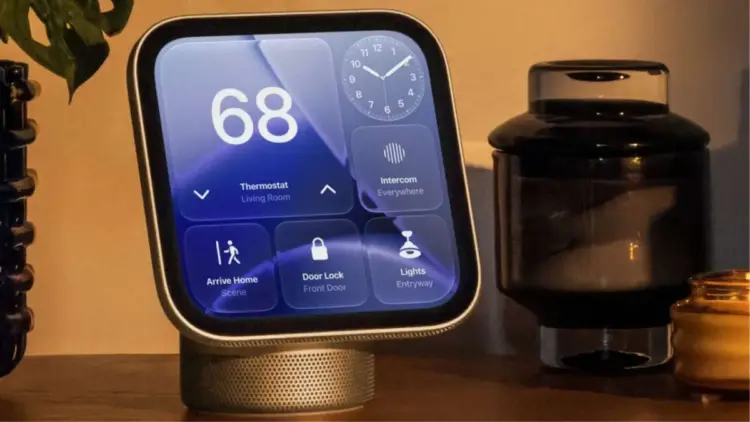
NEW YORK, NY – October 14, 2026 – Apple has officially launched its latest foray into the smart home landscape with the introduction of HomeView, a 7-inch smart display designed to seamlessly extend the iPhone experience into the heart of the home. Priced at USD 299 and slated for a November release, HomeView represents a significant strategic pivot for the Cupertino giant, moving beyond its previous audio-centric smart speaker attempts to directly challenge the established dominance of Amazon and Google in the smart display segment.
Dubbed by some as "boring" due to its understated design and emphasis on core functionality, Apple is strategically positioning HomeView as a trustworthy, privacy-centric alternative in an increasingly complex and data-hungry AI market. Leveraging personalized Siri AI and a deep integration with the iPhone ecosystem, HomeView aims to carve out a premium niche, banking on user confidence and Apple’s renowned design philosophy to succeed where its predecessor, the HomePod, struggled to gain significant traction.
Main Facts: Apple’s HomeView Enters the Arena
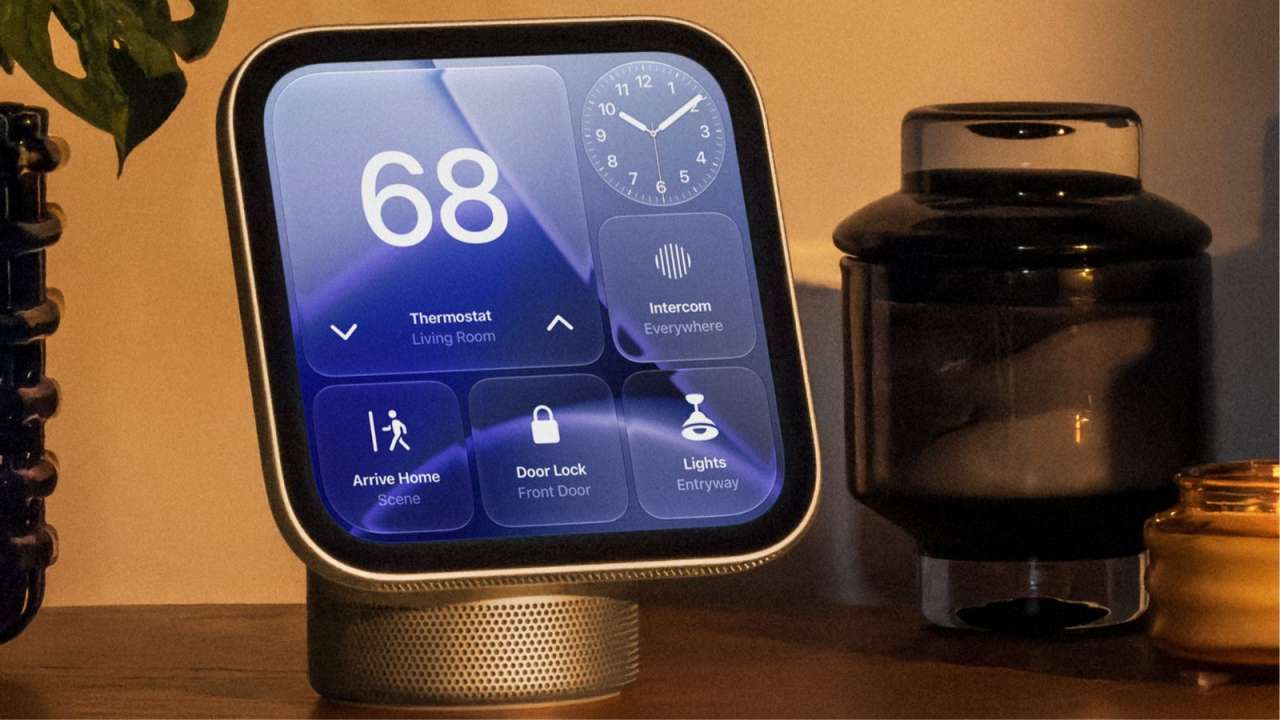
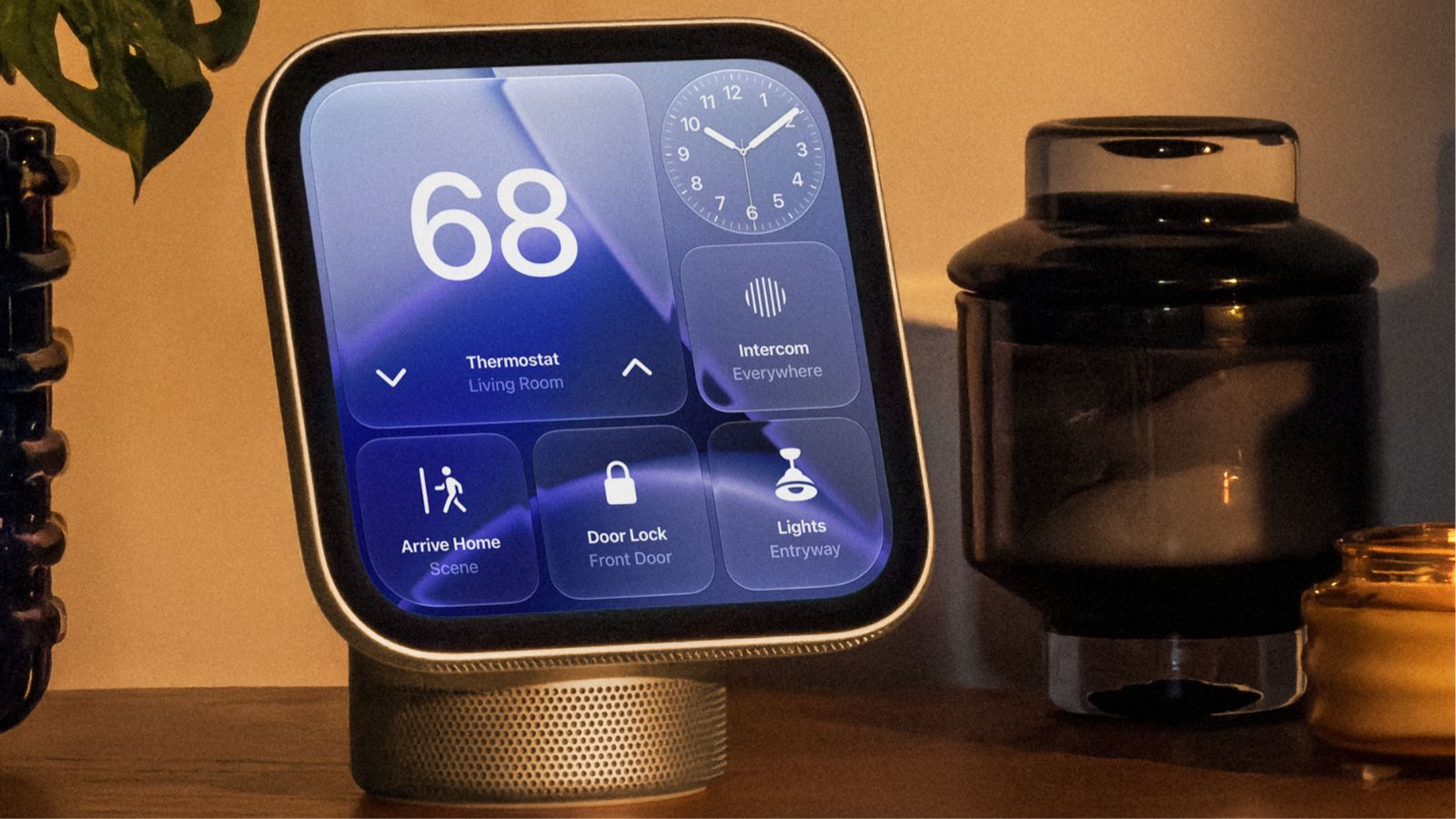
At a recent event in New York, Apple formally introduced HomeView, a device that, at first glance, appears deceptively simple. It features a crisp 7-inch touchscreen, housed within a sleek, minimalist design characteristic of Apple products, offering versatility through an aluminum base for tabletop placement or the option for wall-mounting. This dual-placement capability underscores its ambition to be a ubiquitous presence within the modern home.
HomeView is designed not as a standalone computing device in the traditional sense, but rather as an intelligent extension of the user’s iPhone. Its core functionality revolves around a personalized Siri AI, which utilizes on-device camera and voice recognition to tailor content, apps, and calendar appointments to individual users within a household. This personalization is a key differentiator, promising a more intuitive and relevant experience for each family member.
)
Crucially, Apple has emphasized that HomeView does not store personal data directly on the device. Instead, it intelligently relies on a nearby iPhone for context and secure data processing, reinforcing Apple’s long-standing commitment to user privacy. While built-in Apple applications like FaceTime and Apple Music are natively supported, the integration of third-party apps such as Spotify will require the assistance of a paired iPhone, further cementing HomeView’s role as an ancillary device within the Apple ecosystem.
The USD 299 price point immediately positions HomeView at the higher end of the smart display market, notably above many comparable offerings from Amazon and Google. However, this pricing strategy is consistent with Apple’s premium brand identity and its proven ability to command higher prices in markets where it offers a compelling blend of design, performance, and ecosystem integration. The November launch aims to capture the lucrative holiday shopping season, hoping to entice existing iPhone users seeking to deepen their engagement with the Apple smart home.

A Chronology of Apple’s Smart Home Ambitions: From Siri to HomeView
Apple’s journey into the smart home market has been characterized by cautious steps, ambitious ventures, and a consistent learning curve. HomeView is not an isolated product but the culmination of nearly a decade of strategic development and market observation.
The Dawn of Siri and HomeKit
The foundational technology for Apple’s smart home vision began with the introduction of Siri in 2011 alongside the iPhone 4S. While initially a voice assistant for smartphones, Siri’s potential for broader application in controlling devices was evident. This potential was formally recognized with the unveiling of HomeKit in 2014, a framework designed to allow developers to integrate their smart home accessories with Apple’s ecosystem, enabling control via iOS devices and Siri. HomeKit laid the groundwork for secure, reliable communication between smart home devices, albeit with a relatively slow adoption rate due to stringent security requirements and a somewhat fragmented accessory market.
)
The HomePod Era: A Focus on Audio Fidelity (2018-2020)
Apple’s first major hardware push into the smart home came with the launch of the HomePod in February 2018. This device was primarily marketed as a premium smart speaker, emphasizing unparalleled audio quality above all else. With a launch price of USD 349, it was positioned directly against high-end audio systems and smart speakers like the Google Home Max.
The HomePod, while praised for its sound, faced several significant challenges. Its high price point limited its appeal, especially when compared to the much more affordable Amazon Echo and Google Home devices that had already flooded the market. More critically, Siri’s capabilities on the HomePod were notably more constrained than its competitors’ voice assistants, lacking broad third-party service integration and struggling with complex queries. Its reliance on the Apple ecosystem, while a strength for loyal users, became a barrier for others. The absence of a visual interface was also a major drawback as smart displays from competitors began to gain traction. Consequently, the HomePod struggled to capture significant market share, reportedly hovering around a modest 6% by some estimates, indicating a clear need for a revised strategy.
)
Recognizing the limitations, Apple introduced the HomePod mini in October 2020. This more compact and affordable (USD 99) version retained the focus on audio quality and Siri integration but at a price point that made it more competitive. The HomePod mini saw greater success, expanding Apple’s footprint in the smart speaker market and serving as a hub for HomeKit, later supporting the Matter standard. However, it still lacked the visual component that was increasingly becoming a staple in the smart home.
Embracing Connectivity: Apple and the Matter Standard
In a significant move towards broader smart home interoperability, Apple joined Amazon, Google, and others in forming the Connectivity Standards Alliance (CSA), leading to the development and release of the Matter standard in 2022. Matter aims to simplify smart home setup and improve compatibility across different brands and ecosystems. Apple’s enthusiastic adoption of Matter signals a willingness to engage with the wider smart home industry, moving beyond a purely closed ecosystem approach, recognizing that true smart home convenience requires seamless interaction between diverse devices. This commitment to Matter paves the way for HomeView to integrate more broadly with existing smart home setups, enhancing its appeal.
)
HomeView: A Strategic Reimagining (2026)
The unveiling of HomeView in 2026 marks Apple’s most comprehensive and arguably most strategic effort yet to establish a strong presence in the smart home. It represents a direct response to the lessons learned from the HomePod, acknowledging the market’s demand for a visual interface and a more integrated, personalized experience. HomeView is not just a smart display; it is Apple’s refined vision for ambient computing, where technology fades into the background, providing seamless assistance and connectivity, all while upholding the company’s core tenets of privacy and design elegance. It signifies a maturation of Apple’s smart home strategy, combining past successes with a keen understanding of current market dynamics.
Supporting Data: Decoding Apple’s Smart Home Strategy
To truly understand HomeView’s potential and Apple’s rationale, it’s essential to examine the broader smart home market, the competitive landscape, and Apple’s unique design philosophy.
)
The Exploding Smart Display Market
The smart display market has seen explosive growth over the past half-decade. According to various market research firms, smart displays, which combine the functionality of a smart speaker with a visual touchscreen, are increasingly becoming central hubs in smart homes. Consumers value the ability to not only issue voice commands but also to see visual information, make video calls, watch videos, manage calendars, and control other smart devices through a graphical interface.
Key Market Players and Their Approaches:
)
- Amazon (Echo Show series): Amazon has been a trailblazer, offering a range of Echo Show devices at aggressive price points. Their strategy revolves around deep integration with the Alexa ecosystem, Amazon’s vast retail services, and a wide array of third-party skills. Amazon’s displays often emphasize entertainment (Prime Video, music streaming) and communication (Alexa Calling, Drop In). Their strength lies in market penetration and a vast developer community.
- Google (Nest Hub series): Google’s Nest Hub devices leverage the power of Google Assistant and Google’s unparalleled AI capabilities. They excel at providing visual information (weather, recipes, directions), seamless integration with YouTube and Google Photos, and robust smart home control. Google’s advantage is its search prowess and AI-driven personalization.
Both Amazon and Google have enjoyed a significant head start, having iterated on their smart display offerings for nearly a decade. Despite this, neither has managed to create an insurmountable lead, leaving room for a new entrant with a compelling proposition. Consumers still express concerns regarding data privacy, complexity of setup, and interoperability issues across different brands.
The "Boring is a Strategy" Deep Dive
Apple’s framing of HomeView as "simple and trustworthy," contrasting it with the "complicated nature of current AI products," is a deliberate and profound strategic statement. This "boring" is not a pejorative but a carefully cultivated brand attribute. It implies:
)
- Reliability and Predictability: In a world of rapidly evolving, sometimes unpredictable AI, Apple aims for consistent, dependable performance. Users want technology that works without constant tweaking or unexpected behaviors.
- Security and Privacy: This is arguably the most critical aspect of the "boring" strategy. Apple has consistently positioned itself as a champion of user privacy, often contrasting its approach with data-driven business models of competitors. HomeView’s architecture, which processes personal data on the iPhone rather than storing it directly on the device, is a tangible manifestation of this commitment. This fosters user confidence, especially concerning cameras and microphones in the home.
- User-Centric Design: "Boring" can also mean intuitive. Apple prioritizes an effortless user experience, stripping away unnecessary complexity. The focus is on core utility that seamlessly integrates into daily life, rather than overwhelming users with an endless array of features.
- Trust in the Ecosystem: By being an "iPhone extension," HomeView leverages the inherent trust users already place in their Apple devices. This integration ensures a familiar interface, consistent security protocols, and seamless hand-off of tasks.
This approach contrasts sharply with the "move fast and break things" mentality often associated with early-stage AI development. Apple is betting that in the long run, users will gravitate towards a simpler, more secure, and less intrusive smart home experience, even if it means sacrificing some bleeding-edge, unproven AI features.
Technical Details and User Experience Enhancements
HomeView’s technical specifications, while seemingly modest, are strategically chosen to enhance the user experience within the Apple ecosystem:
)
- 7-inch Touchscreen: This size is a sweet spot for a secondary display in various rooms (kitchen, bedroom, living room) – large enough for clear visuals, but not so large as to dominate a space.
- Aluminum Base/Wall Mount: This design flexibility caters to diverse home aesthetics and user preferences, making it adaptable to various settings.
- Camera and Voice Recognition for Personalization: This is where HomeView truly shines. Imagine walking into the kitchen, and HomeView, recognizing your face or voice, automatically displays your personalized calendar, your Spotify playlist, or a list of your preferred recipes. This contextual awareness aims to make the device feel truly personal and proactive.
- Personalized Siri AI: Beyond basic commands, Siri on HomeView is designed to learn individual user preferences. This means different family members can have their own Spotify accounts, receive their specific iMessages, or engage in private FaceTime calls, with Siri intelligently routing content based on who is interacting with the device.
- iPhone Reliance for Context and Data Security: This architectural choice is central to Apple’s privacy promise. By offloading sensitive personal data processing and storage to the user’s iPhone (which is already secured with Face ID/Touch ID and Apple’s robust encryption), HomeView minimizes its own data footprint. This addresses a major concern for many smart home device owners: where their personal data resides and how it’s protected. It also means that much of HomeView’s intelligence is powered by the iPhone’s advanced processors and secure enclave.
- App Integration: While core Apple services like FaceTime and Apple Music are deeply integrated, the requirement for iPhone support for third-party apps like Spotify reinforces HomeView’s role as an "extension." This ensures a consistent, secure experience managed through the familiar iOS environment, rather than fragmenting the user’s digital identity across multiple devices.
Pricing Strategy and Market Position
The USD 299 price point is undeniably premium for a 7-inch smart display. For context, Amazon’s Echo Show 8 typically retails for around USD 150, and the Echo Show 10 (with a larger, rotating screen) is around USD 250. Google’s Nest Hub Max, which features a 10-inch screen and a camera, is often priced similarly to HomeView or slightly lower.
Apple’s justification for this pricing strategy lies in several factors:
)
- Brand Value: Apple products consistently command a premium due to brand perception, design, and perceived quality.
- Ecosystem Lock-in: For existing iPhone users, the seamless integration and personalized features offer significant value that competitors cannot easily replicate. This reduces the cognitive load of managing another smart device.
- Privacy Differentiator: Apple is betting that consumers are willing to pay a premium for enhanced data privacy and security, particularly for a device with a camera and microphone in their home.
- Target Market: HomeView is not aimed at the budget-conscious mass market but at the affluent segment of iPhone users who prioritize a cohesive and secure smart home experience. This mirrors the iPhone’s success in dominating the premium smartphone market despite being more expensive than most Android alternatives.
By positioning HomeView as a premium, privacy-focused extension of the iPhone, Apple seeks to avoid a direct price war with Amazon and Google, instead creating its own segment within the smart display market.
Official Responses and Apple’s Underlying Philosophy
While specific direct quotes from Apple executives regarding HomeView are sparse in the initial reports, the product’s design, features, and marketing implicitly communicate Apple’s official stance and underlying philosophy.
)
Emphasis on Simplicity and Elegant Design
Apple’s launch event for HomeView, much like all its product unveilings, would have underscored the device’s minimalist aesthetics and intuitive user interface. The company consistently promotes the idea that technology should be beautiful, functional, and unobtrusive. The choice of materials, the seamless integration of hardware and software, and the straightforward setup process would have been highlighted as testaments to Apple’s enduring design principles. The "simplicity" isn’t just about ease of use; it’s about reducing cognitive load and creating a harmonious interaction with technology.
Privacy as a Core Differentiator
Apple’s narrative around privacy is not just a feature; it’s a fundamental tenet of its corporate identity. For HomeView, this manifests directly in its architecture. The emphasis on local processing (or processing on a nearby, secure iPhone) for sensitive data, rather than sending everything to cloud servers, is a deliberate strategic choice. Apple would frame this as respecting the user’s home as a private space, where personal conversations and visual data remain secure. This message directly counters growing consumer unease about the data collection practices of other tech giants. HomeView is designed to build "user confidence in data privacy and functionality," a phrase that encapsulates Apple’s commitment.
)
Ecosystem Integration as the Ultimate Value Proposition
The repeated characterization of HomeView as an "iPhone extension" is Apple’s clear strategic message. It’s not just a smart display; it’s another node in the deeply integrated Apple ecosystem. This implies a seamless experience for users already invested in iPhones, iPads, Apple Watches, and HomePods. The ability to leverage existing Apple IDs, iCloud data, and services without additional setup is a powerful incentive. Apple’s "official" stance would be that HomeView enhances and completes the Apple user experience within the home, making it more convenient, connected, and personalized.
Lessons Learned from HomePod and a Reimagined Approach
While Apple typically avoids explicit admissions of "failure," the design and positioning of HomeView implicitly acknowledge the shortcomings of the original HomePod. The inclusion of a screen, the focus on visual information and video communication (FaceTime), and the emphasis on personalized AI for multiple users all suggest that Apple has listened to market feedback. HomeView is presented not as a replacement for HomePod, but as a complementary, evolved solution that addresses a different set of user needs in the smart home, signifying a matured and more comprehensive approach. It’s a "second attempt to win the home market" that learns from past experiences.
)
Implications: The Future Landscape of the Smart Home
Apple’s HomeView enters a crowded but still evolving smart home market, and its implications could be far-reaching, impacting not only Apple’s trajectory but also the strategies of its competitors and the expectations of consumers.
Impact on Apple’s Ecosystem and Market Share
HomeView could significantly strengthen Apple’s overall ecosystem. By providing a visual, interactive hub for the home, it encourages deeper engagement with Apple services (Apple Music, FaceTime, Apple Fitness+), facilitates control of HomeKit and Matter-compatible devices, and potentially drives sales of other Apple hardware. If HomeView succeeds in capturing a substantial share of the premium smart display market, it could provide Apple with a critical foothold in the ambient computing future, where devices seamlessly blend into the environment. Its success is not just about unit sales but about reinforcing the value proposition of being an "all-Apple" household.
)
Challenges for Competitors: Amazon and Google
Apple’s entry with a privacy-first, premium device could force Amazon and Google to re-evaluate their own strategies. While they dominate on price and breadth of features, concerns about data privacy are growing. HomeView might push competitors to:
- Enhance Privacy Features: Invest more in on-device processing and clearer data policies.
- Improve Ecosystem Integration: Deepen the synergy between their smart displays and their respective smartphone operating systems (Android for Google, and potentially a more integrated Fire OS for Amazon).
- Refine User Experience: Focus more on seamless, personalized experiences rather than just feature bloat.
The competitive pressure from Apple, even in a niche segment, often catalyzes innovation across the entire industry.
)
Consumer Adoption and Market Segmentation
The USD 299 price point will undoubtedly be a barrier for some, but it’s likely a deliberate strategy to target affluent consumers already invested in the Apple ecosystem. The success of HomeView will depend on whether this demographic values Apple’s unique blend of privacy, design, and seamless integration enough to justify the premium. If successful, it could further segment the smart home market, with Apple catering to the "premium privacy" segment, while Amazon and Google continue to battle for the mass market and budget-conscious consumers.
Future Development and Evolution
HomeView, as Apple’s first smart display, is likely just the beginning. Future iterations could include:
)
- Larger Screen Sizes: To compete with larger displays from competitors or cater to different room sizes.
- Advanced AI Features: As Apple’s on-device AI capabilities mature, HomeView could gain more sophisticated contextual awareness and proactive assistance without compromising privacy.
- Deeper Integration with Apple TV and Health: Imagine HomeView serving as a central hub for family health monitoring data from Apple Watch or providing interactive content linked to Apple TV.
- Modular Design: The ability to add modules or customize functionality could also be a future direction.
The "Boring" Success Metric
Ultimately, the success of Apple’s "boring is a strategy" will be a fascinating case study. In an era of rapid AI advancements and sometimes unsettling data practices, Apple is betting that a cautious, privacy-first, and reliably simple approach will resonate more deeply with consumers in the long run. If HomeView can establish itself as the trusted, indispensable visual hub for the Apple home, it could redefine what "smart" truly means in the context of personal technology – less about flashy features and more about secure, seamless, and truly personal assistance. Apple believes there is a market for a simpler gadget that links closely with the iPhone and tackles privacy issues, and HomeView is their boldest attempt yet to prove it.