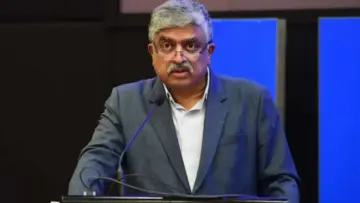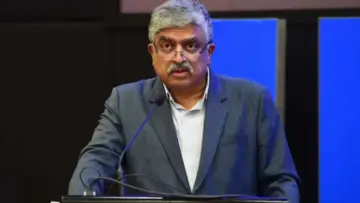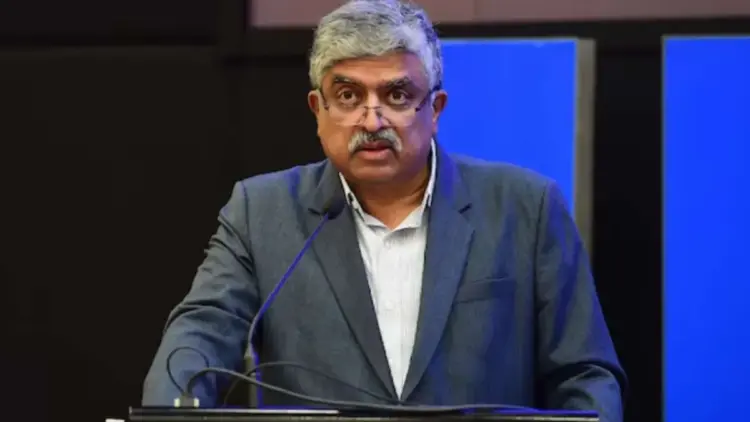
New Delhi, India – October 14, 2026 – In a bold move to tackle the persistent menace of examination paper leaks that plague India’s education system, Nandan Nilekani, the visionary co-founder of Infosys and a prominent figure in India’s digital transformation, has put forth a radical proposal: leveraging Artificial Intelligence (AI) to generate question papers at the eleventh hour. This innovative suggestion, unveiled at the prestigious Bloomberg New Economy Forum 2026, signifies a significant departure from traditional examination practices and underscores the urgent need for comprehensive reforms. Nilekani, who currently heads a six-member government-appointed task force on exam reforms, believes this technological intervention, coupled with a widespread shift to computer-based testing, could be the silver bullet to safeguard the integrity of national examinations.
The deep-seated issue of paper leaks has not only undermined the credibility of crucial entrance and recruitment examinations but has also fueled widespread student protests and damaged the aspirations of countless deserving candidates. The sheer economic incentive associated with acquiring and selling leaked papers has created a formidable challenge for examination bodies. Nilekani’s proposal directly addresses this by aiming to dismantle the very foundation of this illicit trade.
The AI Imperative: Dismantling the Economic Incentive
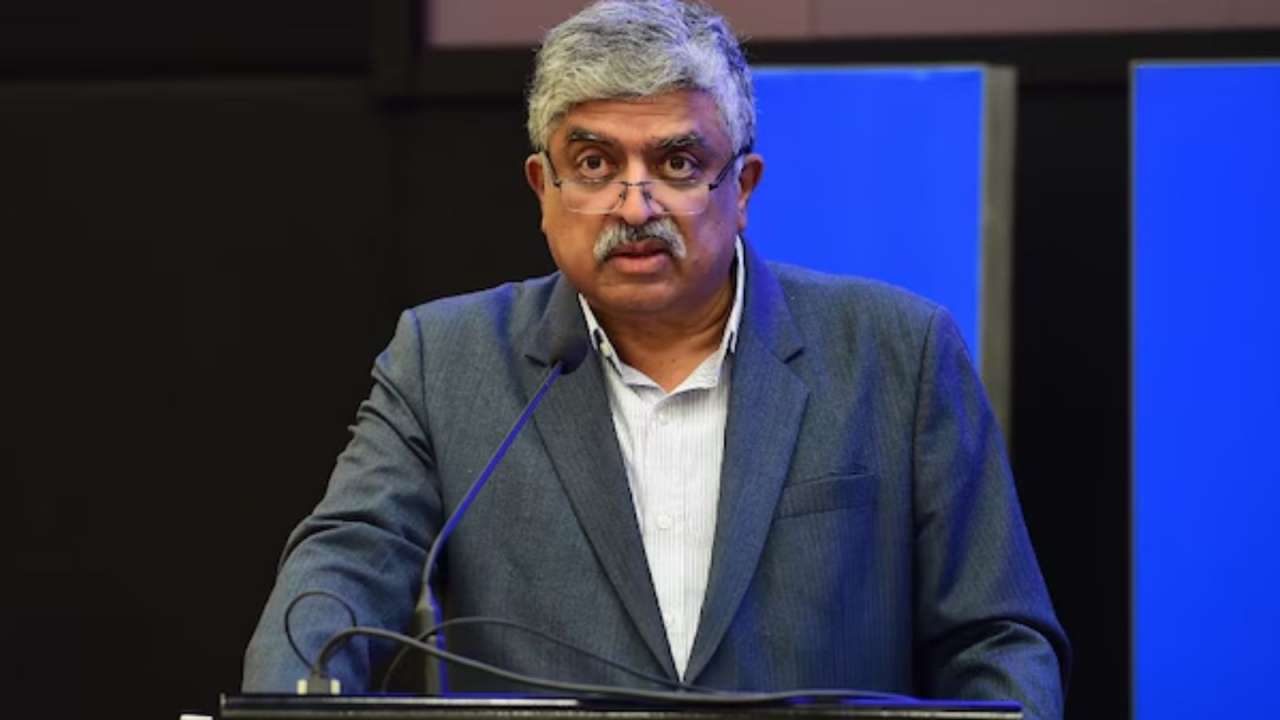
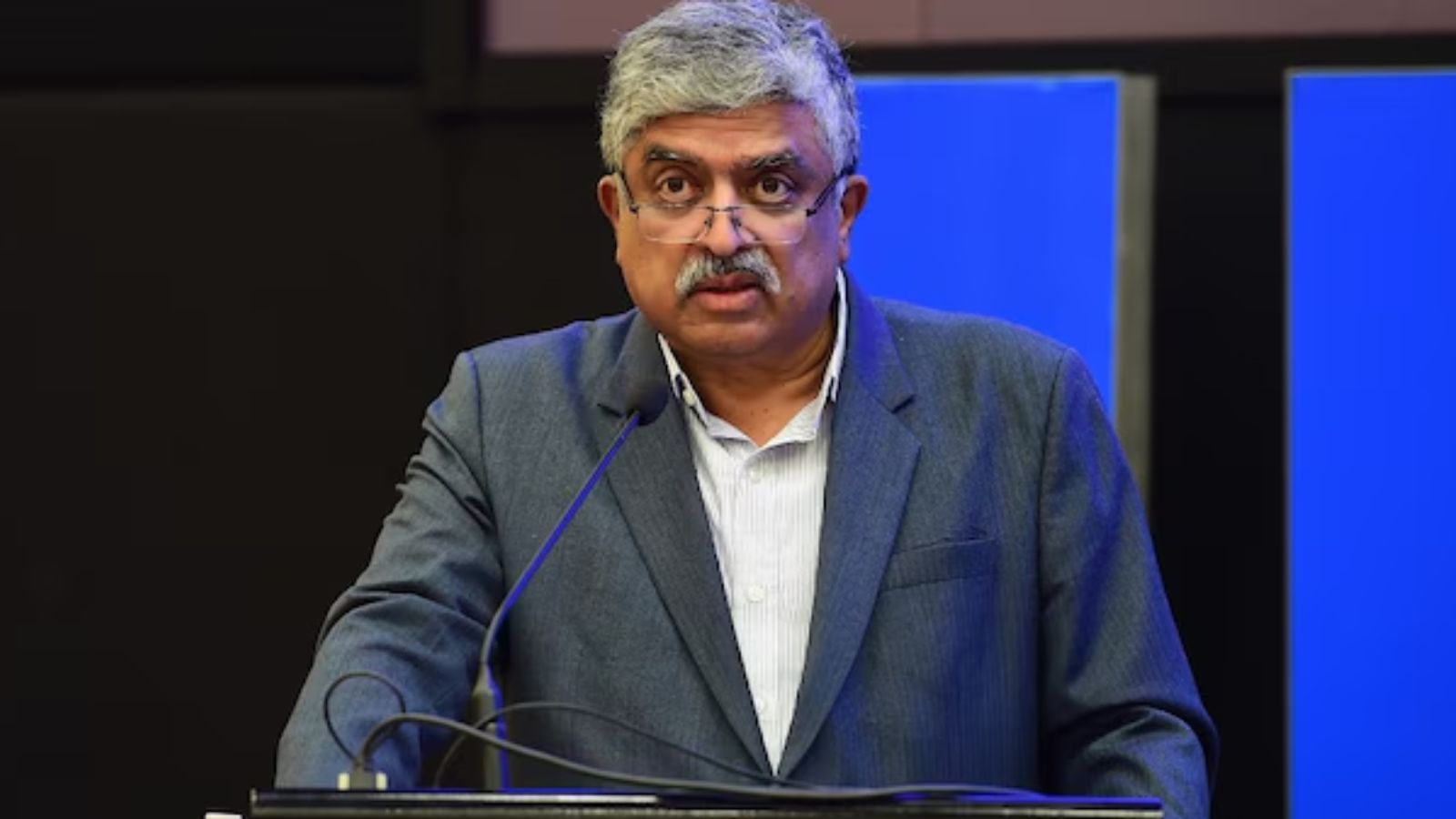
Nandan Nilekani articulated his revolutionary idea with clarity, stating, "Why do we need to have something called ‘a question paper’? Because that creates an economic incentive for it to be sold. One way to look at how to solve it is to have a massive bank of questions, and only at the last minute generate the question paper for the day." This conceptual shift envisions a dynamic system where the specific set of questions a candidate encounters is generated just before the examination commences, rendering pre-leakage and subsequent sale virtually impossible.
The current system, where question papers are prepared weeks or months in advance, provides a substantial window of opportunity for unscrupulous individuals and syndicates to intercept and disseminate them. This leads to unfair advantages for those who have access to the leaked content, while honest candidates are left disheartened and disillusioned. Nilekani’s AI-driven approach aims to eliminate this vulnerability by introducing an element of unpredictability and real-time generation.
)
The proposed model hinges on the creation of an extensive and diverse question bank, meticulously curated and constantly updated with questions of varying difficulty levels and subject matter. AI algorithms would then be employed to select and assemble these questions into unique, randomized question papers for each examination session. This would not only prevent leaks but also potentially enhance the fairness of the examination by ensuring that each candidate receives a distinct set of questions, thereby mitigating the possibility of identical scores due to identical papers.
However, Nilekani acknowledged that the feasibility of such a system is intrinsically linked to the adoption of computer-based testing (CBT). He explicitly stated, "He added that this model would only be possible if exams are held in computer-based test mode." This interdependence highlights the need for a dual-pronged reform strategy. While the AI component addresses the generation of question papers, the shift to CBT provides the necessary infrastructure and security protocols to implement such a dynamic system effectively.

A Paradigm Shift: Embracing Computer-Based Testing for National Examinations
The task force, under Nilekani’s leadership, is not merely contemplating AI-generated papers in isolation. It is actively advocating for a comprehensive transition to computer-based testing (CBT) for all major examinations conducted across the country. This push for digital assessment is seen as a crucial enabler for the AI-driven question paper generation model and offers several other inherent advantages in terms of efficiency, accuracy, and security.
"The committee is looking at how to make sure all exams are done on CBT. That requires a network of locations. We have 1,50,000 locations where young candidates can take a test and that needs to be expanded," Nilekani elaborated, underscoring the logistical considerations involved in this ambitious undertaking. The current infrastructure, while extensive, needs to be augmented and standardized to accommodate the massive scale of national examinations conducted through CBT.
)
The benefits of CBT extend beyond leak prevention. It allows for faster processing of results, reduces the environmental impact associated with printing millions of papers, and offers robust security features like biometric authentication, digital proctoring, and secure exam environments. Furthermore, CBT can facilitate adaptive testing, where the difficulty of questions adjusts based on the candidate’s performance, providing a more accurate assessment of their abilities.
However, the transition to CBT is not without its challenges, particularly in a country like India with a vast and diverse population, and a significant digital divide. Nilekani’s statement, while optimistic about the existing infrastructure, did not delve into the intricate details of how this would be implemented in remote rural areas with limited internet connectivity and a pronounced disparity in digital literacy between urban and rural students. This aspect requires careful planning and targeted interventions to ensure inclusivity and equitable access to examinations.
)
Navigating the Digital Divide and Infrastructure Challenges
The National Testing Agency (NTA), the primary body responsible for conducting many of these examinations, is reportedly collaborating with the All India Council for Technical Education (AICTE) to identify suitable IT infrastructure and government institutions for establishing standardized testing centers. This strategic partnership aims to leverage existing government assets and ensure a secure and reliable testing environment, while consciously avoiding private centers due to inherent integrity concerns that have often been associated with them in the past.
The development of a robust network of testing centers is paramount. This involves not only ensuring adequate physical space and computing resources but also establishing reliable internet connectivity, power backup systems, and stringent security protocols. The task force’s mention of expanding from 1,50,000 locations suggests a significant investment in infrastructure and training of personnel to manage these centers effectively.
)
Addressing the digital divide will require a multi-faceted approach. This could include providing subsidized internet access, establishing community-based testing centers with shared resources, and offering digital literacy training programs for students in underserved regions. The government might also need to explore hybrid models that combine online and offline components for certain stages of the examination process, ensuring that no candidate is disenfranchised due to technological limitations.
The Genesis of the Task Force: A Response to Systemic Failures
The establishment of the six-member task force on exam reforms, spearheaded by Nandan Nilekani, was a direct consequence of the escalating crisis of paper leaks. The resignation of the then Education Minister Dharmendra Pradhan in July 2026, amidst widespread protests and public outcry over recurring leaks, highlighted the urgency and gravity of the situation. The government recognized the need for a dedicated body comprising experts from diverse fields to devise sustainable solutions.
)
The task force, which has a three-month mandate to submit its report, has been actively engaged in a comprehensive review of the existing examination ecosystem. It has conducted an impressive 18 internal meetings and engaged in extensive consultations with over 40 stakeholders, including students, parents, educators, and representatives from various examination bodies such as the National Recruitment Agency (NRA), the Staff Selection Commission (SSC), and the Railway Recruitment Boards (RRB). This inclusive approach has allowed them to gather over 50,000 suggestions, providing a rich dataset for informed decision-making.
The composition of the task force itself reflects the government’s commitment to bringing in top-tier expertise. Apart from Nandan Nilekani, the panel includes distinguished individuals such as former ISRO chief S. Somanath, whose expertise in complex technological systems is invaluable, and former IB director Tapan Deka, bringing insights into national security and intelligence gathering, which can be crucial in combating examination malpractices.
)
Implications and the Road Ahead
Nandan Nilekani’s proposal to use AI for last-minute question paper generation, coupled with the push for computer-based testing, represents a paradigm shift in how India approaches its examination system. If implemented successfully, this could significantly curb paper leaks, restore faith in the fairness of examinations, and ensure that meritocracy truly prevails.
However, the success of this initiative will hinge on several critical factors:
)
- Technological Robustness: The AI algorithms must be sophisticated enough to generate a vast array of unique and fair question papers, while the CBT infrastructure must be secure and reliable.
- Inclusivity: Concerted efforts must be made to bridge the digital divide and ensure that students from all socio-economic backgrounds have equal access to the examination system.
- Implementation Strategy: A phased and well-planned rollout, with pilot programs and continuous monitoring, will be crucial to identify and address any unforeseen challenges.
- Cost-Effectiveness: The transition to CBT and the development of AI systems will require significant financial investment, which needs to be carefully managed.
- Stakeholder Buy-in: Continuous engagement and communication with students, parents, educators, and examination bodies will be essential to build consensus and ensure smooth adoption.
The coming months will be critical as the task force finalizes its recommendations. The nation will be watching with bated breath to see if Nandan Nilekani’s visionary proposal can indeed usher in a new era of integrity and fairness in Indian examinations, thereby safeguarding the future of millions of aspiring students. This initiative, if successful, could serve as a model for other countries grappling with similar challenges in their education systems, demonstrating the transformative power of technology when harnessed for the greater good.