Introduction: The Evolution of the "Big, Brawny" Brand
For decades, the name Mahindra & Mahindra has been synonymous with ruggedness, off-road capability, and "big, brawny" diesel-powered SUVs. From the iconic Thar to the sophisticated XUV700, the Indian automaker has carved a niche for itself as the premier purveyor of vehicles that command authority on the road. However, as the global and domestic automotive landscapes shift toward sustainable mobility and fuel efficiency, even the most traditional manufacturers must adapt.
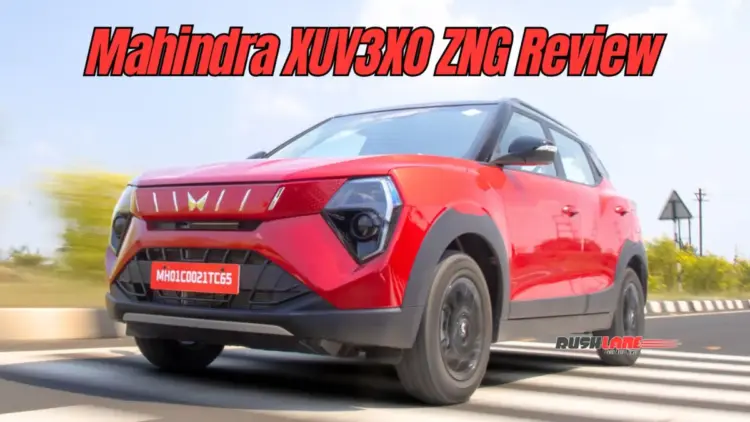
Enter the Mahindra XUV3XO ZNG. Pronounced "Zing," this vehicle represents a historic pivot for the company. It marks Mahindra’s serious entry into India’s rapidly growing CNG (Compressed Natural Gas) passenger vehicle market. While Mahindra previously dabbled in the segment with the KUV100 Trip, the XUV3XO ZNG is a different beast altogether—a premium, feature-loaded, and high-performance offering designed to challenge the status quo of "underpowered" CNG cars.
Main Facts: Pricing, Variants, and Market Positioning
The XUV3XO ZNG is not merely a base-model fleet vehicle; it is a direct assault on the premium sub-compact SUV segment. Mahindra has launched the ZNG range with a competitive starting price of Rs 9.99 lakh (ex-showroom). To cater to a wide range of buyers, the company offers four distinct trims, ensuring that those who prioritize frugality do not have to sacrifice luxury.
The variant under our lens is the range-topping REVX A ZNG, priced at Rs 12.27 lakh (ex-showroom). This price point puts it in direct competition with the Tata Nexon i-CNG and the Maruti Suzuki Brezza S-CNG. However, Mahindra’s proposition is unique: they claim to offer a "no-compromise" experience, where the transition from petrol to CNG results in zero perceptible loss in performance—a bold claim in a segment where "CNG lag" is a common complaint.

Key Specifications at a Glance:
- Engine: 1.2L 3-cylinder Turbo Petrol MPFI
- CNG Injection: 10 Bar High-Pressure System (Segment First)
- Power: 114 PS (Identical to Petrol)
- Torque: 200 Nm (Identical to Petrol)
- Transmission: 6-speed Manual
- Certified Mileage: 24.7 km/kg
- Boot Space: Approximately 270 Litres (Dual-cylinder setup)
Chronology: The Journey to "Zing"
The road to the XUV3XO ZNG began with the radical rebranding of the XUV300 into the XUV3XO earlier this year. Mahindra realized that to stay relevant in the sub-4-meter SUV space, it needed more than just a mechanical update; it needed a technological overhaul.
- Phase 1: The XUV3XO Launch: Mahindra introduced the XUV3XO with a focus on segment-first features like a Level 2 ADAS and a panoramic sunroof, successfully shedding the "dated" image of its predecessor.
- Phase 2: Market Observation: Throughout 2023 and 2024, the Indian market saw a massive surge in CNG adoption due to rising petrol prices and the expansion of the CNG filling network. Competitors like Tata Motors introduced "Twin Cylinder" technology, solving the perennial problem of zero boot space.
- Phase 3: The ZNG Reveal: Mahindra responded not just by copying the twin-cylinder layout, but by engineering a high-pressure injection system that maintains turbo-petrol performance levels.
- Phase 4: Commercial Rollout: In late 2024, the XUV3XO ZNG hit the showrooms, aiming to capture the urban commuter who wants low running costs without losing the "thrill of the drive."
Technical Deep-Dive: Supporting Data on Performance and Engineering
The most significant differentiator of the XUV3XO ZNG is its heart. Most CNG vehicles in India utilize a 5-bar or 6-bar pressure injection system. Mahindra has upped the ante with a 10-bar pressure CNG injection system.
Why 10 Bar Matters
In traditional CNG systems, the fuel is injected at lower pressures, often leading to a leaner mix and a noticeable drop in power (usually 10-15%) compared to petrol mode. By utilizing a 10-bar system, Mahindra ensures better atomization and a more consistent fuel-air mixture. This is the technical wizardry that allows the ZNG to produce the same 114 PS and 200 Nm as its petrol-only counterpart.
During our test drive through the congested, stop-and-go traffic of Mumbai, the benefit was immediate. There was no "gasping" for air when overtaking, and the turbocharger kicked in with the same urgency found in the standard MPFI petrol engine. Mahindra’s data suggests a 0-100 km/h sprint in just under 12 seconds—a figure that shames many petrol-only SUVs in the same category.
Efficiency vs. Practicality
While the certified mileage of 24.7 km/kg is respectable, it is not segment-leading (some rivals claim upwards of 26 km/kg). However, Mahindra argues that the trade-off for superior driveability is worth the marginal difference in fuel economy. The ZNG features a sophisticated trip computer in the TFT cluster that provides real-time CNG fuel levels, mileage data, and even an "Estimated Time of Arrival" based on current fuel consumption—a level of data integration rarely seen in CNG vehicles.

Design and Interior: The Premium Quotient
Visually, Mahindra has opted for subtlety. The only external differentiator is the "ZNG" badge on the tailgate. The vehicle retains the XUV3XO’s aggressive stance, C-shaped LED DRLs, and 17-inch diamond-cut alloys (on higher trims).
Inside, the REVX A ZNG variant is a revelation for a CNG buyer. Usually, manufacturers reserve their best features for petrol or diesel top-ends. Mahindra has broken this trend by equipping the ZNG with:
- A Massive Panoramic Sunroof: A segment-first for a CNG SUV, adding an airy feel to the cabin.
- Dual-Zone Climate Control: Allowing the driver and passenger to set individual temperatures.
- Adrenox Infotainment: A crisp touchscreen with wireless Apple CarPlay and Android Auto.
- Leatherette Upholstery: Providing a premium tactile feel that belies the "economical" nature of the fuel.
The Storage Solution
The "Twin Cylinder" setup is the star of the show in terms of packaging. By splitting the CNG tank into two smaller cylinders placed under the luggage floor, Mahindra has managed to retain a usable 270 litres of boot space. In our practical test, we successfully stowed two cabin-sized suitcases and two backpacks. Furthermore, the 60:40 rear seat split remains functional, allowing for expansion when carrying longer items.
Crucially, Mahindra has managed to keep the spare wheel—repositioned under the boot floor. This is a significant advantage over the Maruti Brezza S-CNG, which often forces owners to choose between a spare tyre and luggage space.
Drive Dynamics: Handling the Extra Weight
Adding CNG cylinders and high-pressure plumbing adds significant weight to the rear of the vehicle. To counter this, Mahindra’s engineers have re-tuned the rear suspension.

During our drive, the XUV3XO ZNG felt remarkably planted. The suspension tuning mimics the XUV3XO Diesel, which is naturally heavier than the petrol version. It absorbs potholes with a "thud" rather than a "crash," and the body roll is well-contained. The steering remains light and city-friendly but weighs up sufficiently at highway speeds.
The only minor gripe is the clutch feel. It has a slightly "springy" return action, which takes a few kilometers to get used to. However, it is not heavy, making it manageable for daily commutes. The 6-speed manual gearbox is precise, though the absence of an automatic (AMT or Torque Converter) option is a missed opportunity, especially given that Tata offers an AMT on the Nexon i-CNG.
Official Responses and Market Implications
Mahindra’s leadership has been vocal about the "ZNG" philosophy. According to internal sources, the name was chosen to signify "Zing"—energy and excitement—aiming to distance the product from the "boring and slow" stigma attached to CNG.
Strategic Implications
The launch of the XUV3XO ZNG has three major implications for the Indian market:
- The Death of the "CNG Compromise": By matching petrol performance, Mahindra is forcing other manufacturers to upgrade their CNG kits. The "10-bar" standard may soon become the benchmark.
- Premiumization of Green Tech: By offering high-end features like a panoramic sunroof and dual-zone AC in a CNG car, Mahindra is targeting a wealthier demographic that wants to save on fuel costs without sacrificing lifestyle.
- Diesel Displacement: With the 1.5L diesel engines becoming increasingly expensive due to BS6 Phase 2 norms, the XUV3XO ZNG serves as a viable alternative for high-mileage users who previously had no choice but to buy a diesel.
Conclusion: Should You Buy the XUV3XO ZNG?
The Mahindra XUV3XO ZNG is a masterclass in modern automotive packaging. It successfully addresses the three biggest hurdles to CNG adoption: lack of power, lack of boot space, and lack of premium features.

Pros:
- Class-leading performance (114 PS/200 Nm).
- Usable boot space with a spare wheel included.
- High-end features like a panoramic sunroof and dual-zone AC.
- Robust build quality and 5-star safety heritage.
Cons:
- No automatic transmission option.
- Mileage is slightly lower than some key rivals.
- The clutch takes some getting used to.
If you are an urban dweller who covers significant distances and is tired of the rising cost of petrol, but you refuse to drive a car that feels like a "downgrade" in performance or luxury, the XUV3XO ZNG is currently the most compelling package on the market. Mahindra hasn’t just entered the CNG race; they have redefined the rules of the game. For those looking for a safe, performant, and versatile SUV, the "Zing" is definitely worth a test drive.