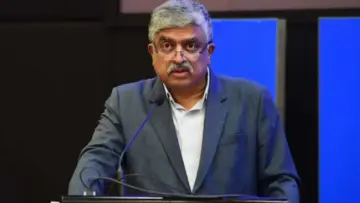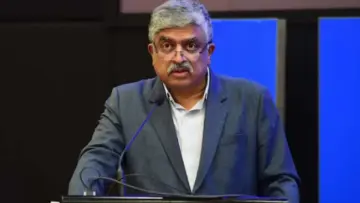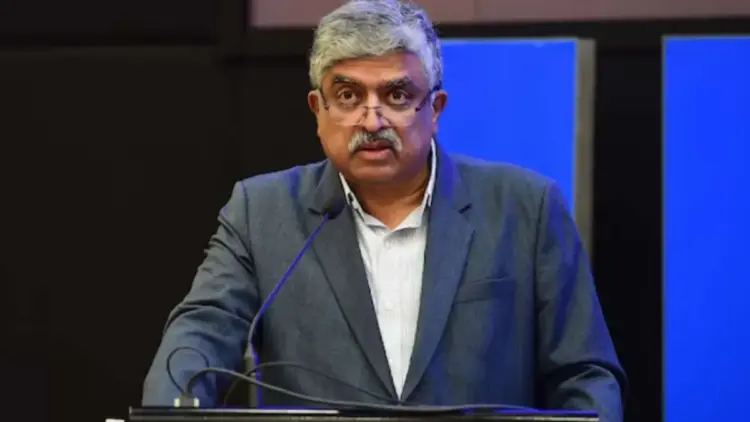
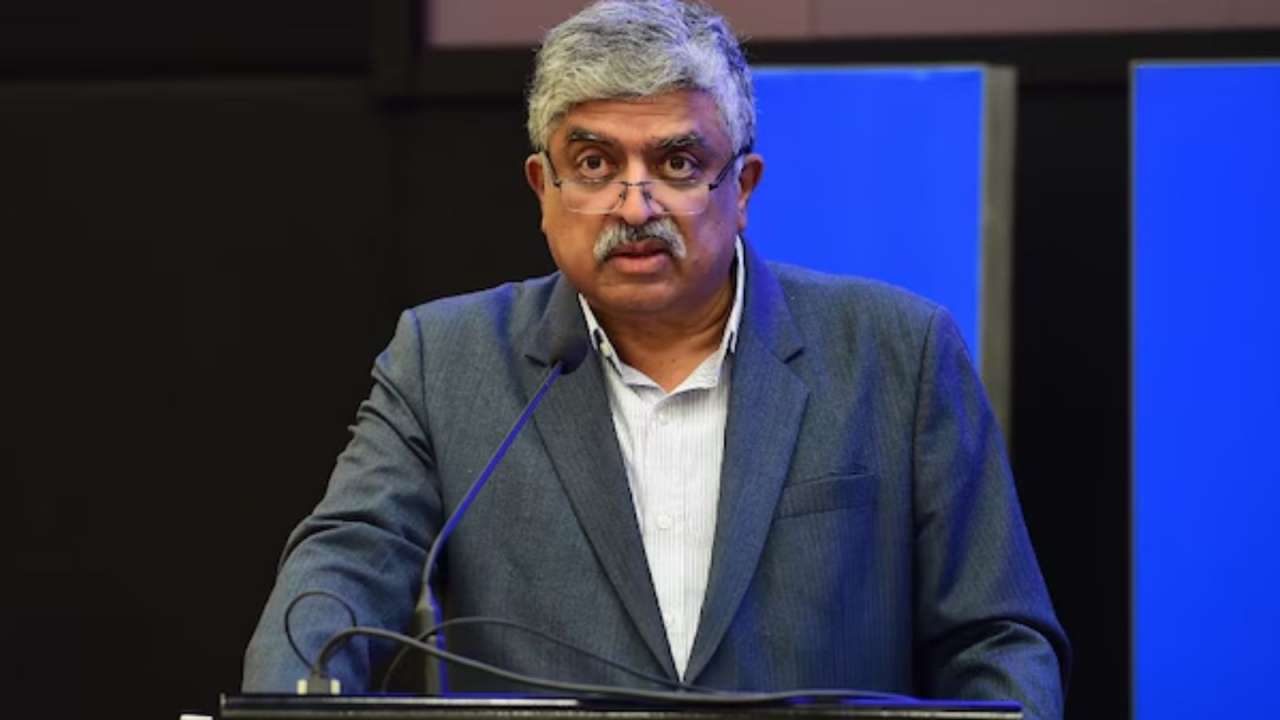
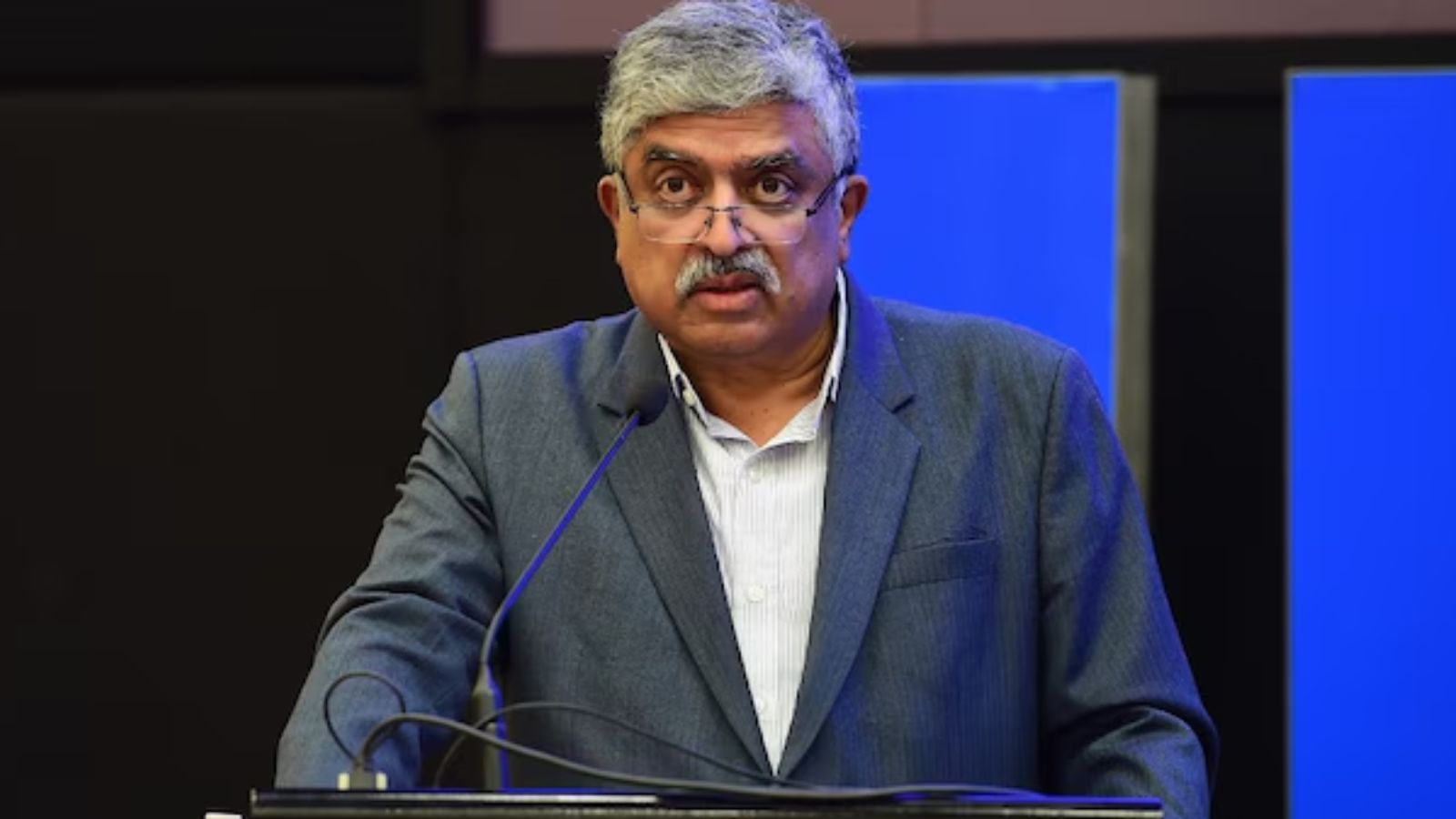
New Delhi, India – In a bold move to combat the pervasive issue of examination paper leaks, Nandan Nilekani, the visionary co-founder of Infosys and a pivotal figure in India’s digital revolution, has put forth a groundbreaking proposal: the generation of question papers using Artificial Intelligence (AI) at the eleventh hour. This innovative suggestion, made at the Bloomberg New Economy Forum 2026, underscores a significant shift in thinking about how India’s crucial examinations are administered. Nilekani, who is currently heading a high-powered, six-member task force on exam reforms established by the central government in July, believes this radical approach, coupled with a widespread adoption of computer-based testing, could be the key to restoring faith in the integrity of academic and professional assessments.
The persistent spectre of paper leaks has cast a long shadow over India’s examination system, affecting everything from school board exams to competitive entrance tests for higher education and government jobs. These leaks not only undermine the meritocratic principles of selection but also inflict immense psychological and financial distress on countless aspirants who have dedicated years to preparation. Nilekani’s proposal directly addresses the economic incentive that fuels these illicit activities, aiming to disrupt the very mechanism that allows for the illicit trade of question papers.
)
The AI-Powered Citadel: Disrupting the Leak Economy
At the heart of Nilekani’s proposition lies a fundamental re-imagining of the question paper itself. "Why do we need to have something called ‘a question paper’?" he questioned at the forum, highlighting the inherent vulnerability of a static, pre-determined set of questions. "Because that creates an economic incentive for it to be sold." His proposed solution is a radical departure from traditional practices: the creation of a "massive bank of questions" from which, only at the very last minute, a unique question paper for the day would be generated.

This dynamic generation process, powered by advanced AI algorithms, would render the traditional model of paper leaks virtually obsolete. The element of surprise, a cornerstone of fair examination, would be reinforced, as the specific set of questions would exist only for a fleeting period before the exam commences. This would drastically curtail the window of opportunity for any malicious actors to intercept, leak, and monetize the content.
)
However, Nilekani acknowledged that this sophisticated model is intrinsically linked to a technological shift. "This model would only be possible if exams are held in computer-based test mode," he stated. This implies a significant investment in digital infrastructure and a comprehensive strategy to ensure equitable access for all students, regardless of their geographical location or socio-economic background. While he did not explicitly address the potential risks of a large question bank itself being compromised, the emphasis on last-minute generation suggests a focus on securing the generation process and the temporary storage of the final paper rather than the entire repository.
)
The Digital Imperative: Embracing Computer-Based Testing
The call for a nationwide shift to Computer-Based Testing (CBT) is a crucial corollary to Nilekani’s AI-driven proposal. The task force, under his leadership, is actively exploring the feasibility and implementation strategies for making CBT the norm for all major examinations. "The committee is looking at how to make sure all exams are done on CBT," Nilekani emphasized. "That requires a network of locations. We have 1,50,000 locations where young candidates can take a test and that needs to be expanded."
)
This vision necessitates a substantial scaling up of existing testing facilities and the establishment of new ones, particularly in underserved regions. The ambition is to create a robust network of secure testing centres, leveraging existing infrastructure where possible. The National Testing Agency (NTA), the primary body responsible for conducting many of these examinations, is reportedly collaborating with the All India Council for Technical Education (AICTE) to identify suitable government institutions for establishing these standardized testing centres. The decision to avoid private centres stems from a desire to mitigate integrity concerns often associated with private entities, further reinforcing the commitment to transparency and fairness.
)
A Chronology of Concern and Reform
The urgency behind Nilekani’s proposals can be traced back to a series of high-profile paper leak incidents that have rocked the nation. The most recent catalyst for the formation of the exam reforms task force was the resignation of Education Minister Dharmendra Pradhan in July, amidst widespread protests and public outcry over repeated paper leaks in crucial examinations. This marked a critical juncture, signalling the government’s recognition of the gravity of the issue and the need for a decisive, systemic overhaul.
)
The six-member task force, handpicked for their expertise and experience, was officially constituted on July 26. Beyond Nilekani, its distinguished members include former ISRO chief S. Somanath, renowned for his leadership in India’s space program, and former IB director Tapan Deka, bringing invaluable insights into national security and intelligence. This diverse panel was given a three-month mandate to deliver its recommendations.
)
In pursuit of its objective, the task force has embarked on an intensive period of deliberation and consultation. It has conducted 18 internal meetings, meticulously dissecting the complexities of the existing examination system. Furthermore, it has engaged in extensive dialogue with stakeholders, holding 40 meetings with students, parents, educators, and representatives from various exam bodies, including the National Recruitment Agency (NRA), the Staff Selection Commission (SSC), and the Railway Recruitment Boards (RRB). This comprehensive engagement has yielded a wealth of information, with over 50,000 suggestions gathered, underscoring the widespread desire for reform and the diverse perspectives on how to achieve it.
)
Supporting Data: The Pervasive Impact of Leaks
While the provided text does not contain specific statistical data on the frequency or impact of paper leaks, their prevalence is widely acknowledged through media reports and public discourse. These leaks have not only led to the cancellation of examinations, causing significant logistical and financial burdens, but have also fueled a thriving black market for leaked papers. The economic incentive for leaks is undeniable, as evidenced by the reported instances of candidates paying exorbitant sums for leaked papers, only to face the disappointment of cancelled exams or the stigma of unfair advantage.
)
The psychological toll on genuine aspirants is immeasurable. Years of hard work and dedication can be rendered futile by the unfair advantage gained by those who procure leaked papers. This erosion of trust in the examination system has far-reaching consequences, impacting student morale, educational institutions’ reputations, and the overall credibility of the selection processes for vital public and private sector roles. The economic implications are also substantial, with the cost of re-conducting examinations, investigating leakages, and the lost productivity of those who are unfairly excluded from opportunities running into millions of rupees annually.
)
Official Responses and the Road Ahead
The formation of the task force and Nilekani’s proactive proposals represent a significant official response to the escalating crisis of paper leaks. The government’s willingness to explore such radical solutions signals a departure from incremental fixes and a commitment to systemic change. The involvement of eminent personalities like S. Somanath and Tapan Deka lends considerable weight and credibility to the reform efforts.
)
The task force’s mandate to deliver recommendations within three months indicates a sense of urgency. The comprehensive stakeholder consultation process ensures that the proposed solutions are grounded in the realities faced by students and exam administrators. The focus on leveraging existing government infrastructure for testing centres, as reported by The Hindu, suggests a pragmatic approach to implementation, aiming for cost-effectiveness and enhanced security.
)
However, significant challenges remain. The digital divide, particularly in rural and remote areas, presents a substantial hurdle for the widespread adoption of computer-based testing. Ensuring seamless internet connectivity and access to devices for all eligible candidates will require substantial investment and strategic planning. The task force will need to devise robust strategies to address these disparities and ensure that the transition to CBT is inclusive and equitable.
)
Implications: A Paradigm Shift in Education and Recruitment
Nandan Nilekani’s vision of AI-generated question papers and a fully digitized examination system has profound implications for the future of education and recruitment in India. If successfully implemented, these reforms could:
)
- Restore Meritocracy: By effectively eliminating paper leaks, these measures would ensure that selection is based purely on merit, fairness, and genuine preparation.
- Enhance Efficiency: Computer-based testing can significantly streamline the examination process, from question setting and invigilation to result processing, leading to faster and more accurate outcomes.
- Reduce Corruption: The disruption of the economic incentive for leaks and the increased transparency of digital processes can significantly curb corrupt practices.
- Modernize Infrastructure: The push for CBT will necessitate upgrades to technological infrastructure across the country, potentially fostering digital literacy and connectivity.
- Improve Global Competitiveness: A robust and transparent examination system is crucial for attracting international talent and for India’s educational institutions to gain global recognition.
The journey towards implementing these transformative changes will undoubtedly be complex, requiring collaboration across government agencies, educational institutions, and technology providers. However, with Nandan Nilekani at the helm of the reform efforts, and a clear articulation of the challenges and potential solutions, India appears poised on the cusp of a much-needed revolution in its examination system, aiming to build a more equitable and trustworthy future for its students and professionals. The success of these ambitious proposals could serve as a blueprint for other nations grappling with similar challenges in ensuring the integrity of their assessment processes.