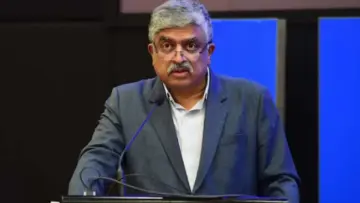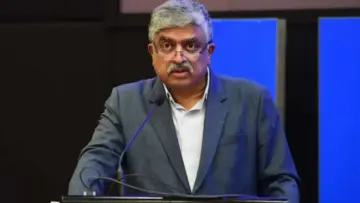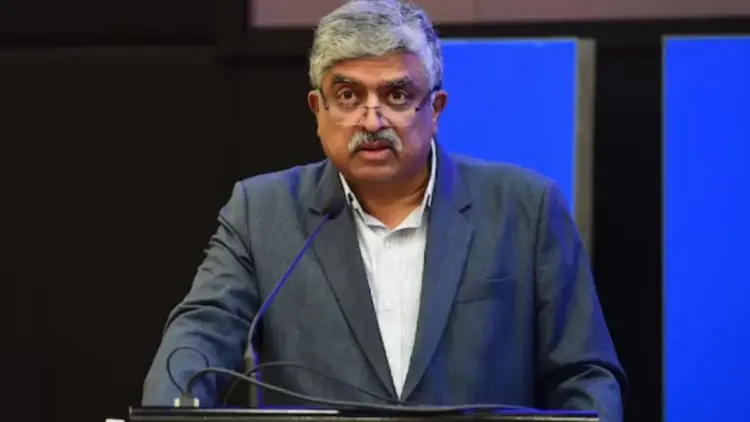
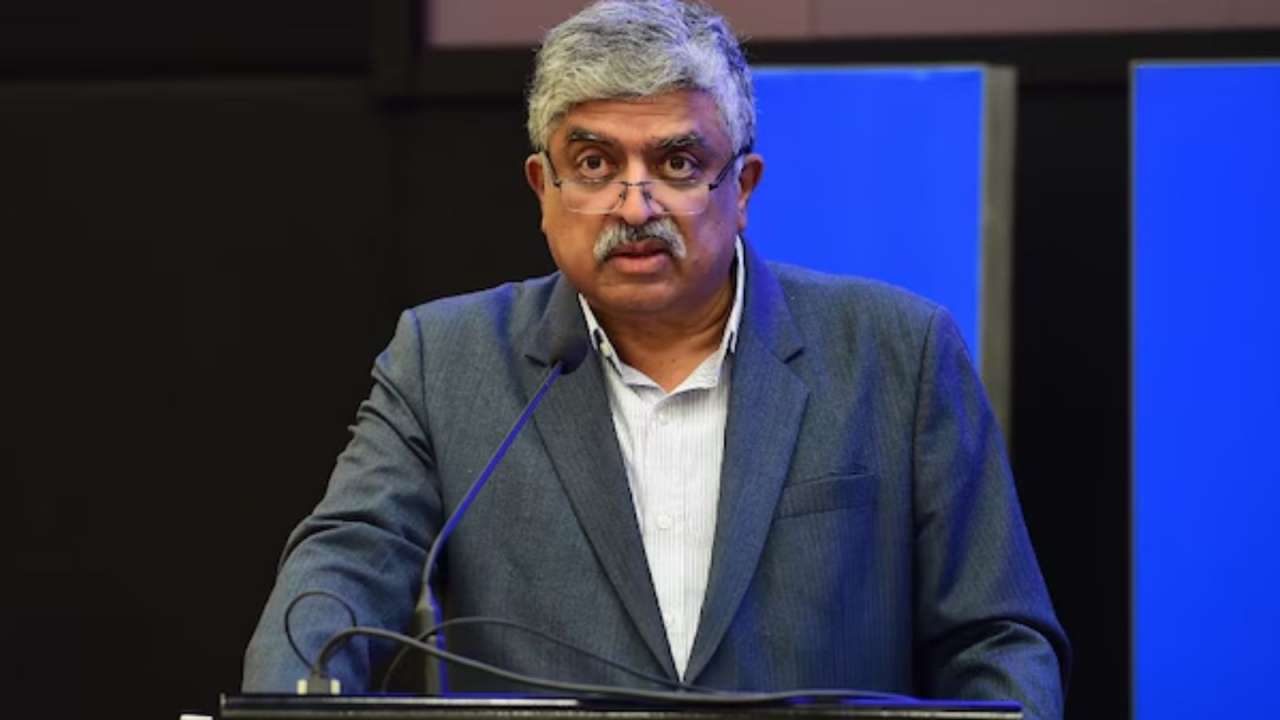
New Delhi, India – October 14, 2026 – In a bold move to combat the pervasive issue of exam paper leaks, Nandan Nilekani, the visionary co-founder of Infosys and a leading figure in India’s digital revolution, has put forth a groundbreaking proposal: the generation of examination papers using Artificial Intelligence (AI) at the eleventh hour. This innovative concept, unveiled at the Bloomberg New Economy Forum 2026, suggests a fundamental paradigm shift in how high-stakes examinations are conducted, advocating for a complete transition to computer-based testing (CBT) modes to bolster security and ensure fairness for millions of aspiring students across the nation.
Nilekani, who heads a crucial six-member task force on exam reforms established by the central government in July, articulated his vision with a focus on dismantling the very economic incentives that fuel paper leaks. The current system, he argued, inherently creates a vulnerability by pre-determining question papers, making them a lucrative commodity for leak and sale. By leveraging AI to dynamically generate papers only moments before an exam, the rationale is to eliminate this window of opportunity for malfeasance, thereby safeguarding the integrity of the examination process.
The Alarming Persistence of Paper Leaks: A National Crisis
The spectre of exam paper leaks has cast a long shadow over India’s educational landscape for years, eroding trust in meritocratic selection and causing immense distress to students who diligently prepare for these crucial gateways to higher education and employment. From the National Eligibility cum Entrance Test (NEET) for medical admissions to various recruitment examinations conducted by the Staff Selection Commission (SSC) and the Railway Recruitment Board (RRB), instances of leaked papers have become a recurring and deeply concerning phenomenon. These leaks not only undermine the fairness of the selection process but also lead to protracted legal battles, delayed results, and a pervasive sense of disillusionment among the student community.
The financial implications are also substantial. The illicit trade surrounding leaked papers often involves significant sums of money, with promises of guaranteed selection for exorbitant fees. This criminal enterprise preys on the aspirations of young individuals and their families, perpetuating a cycle of corruption and inequality. The government’s establishment of the task force, led by a figure of Nilekani’s stature, underscores the gravity with which this issue is being addressed.
)
Nilekani’s Novel Solution: AI as the Guardian of Exam Integrity
Nandan Nilekani’s proposal to harness AI for last-minute question paper generation is a direct response to the deep-seated vulnerabilities of the traditional paper-based examination system. "Why do we need to have something called ‘a question paper’? Because that creates an economic incentive for it to be sold," Nilekani stated at the forum, succinctly highlighting the core of the problem. "One way to look at how to solve it is to have a massive bank of questions, and only at the last minute generate the question paper for the day."
This approach envisions a comprehensive, AI-managed question bank comprising a vast repository of meticulously curated questions, categorized by subject, difficulty level, and topic. Upon activation, the AI would dynamically assemble a unique question paper for each examination centre, or even for each individual candidate, based on pre-defined parameters and randomization algorithms. This would render any prior leak of a specific question paper entirely futile, as the paper itself would not exist in a predetermined form until the very moment of the exam.

While Nilekani acknowledged that the feasibility of this model hinges on the widespread adoption of computer-based testing, he did not explicitly address whether the massive question bank itself could be susceptible to leaks or unauthorized access. This remains a critical area for further consideration and robust security protocols to be implemented. The technical infrastructure required for such a system would necessitate sophisticated AI algorithms capable of generating coherent, balanced, and error-free question papers in real-time, while also ensuring adequate differentiation between questions to prevent collusion.
The Imperative of a Digital Leap: Embracing Computer-Based Testing
The success of Nilekani’s AI-driven solution is inextricably linked to a fundamental shift towards computer-based testing (CBT) for all major examinations. "The committee is looking at how to make sure all exams are done on CBT. That requires a network of locations," Nilekani explained. The task force is reportedly exploring the feasibility of leveraging the existing infrastructure of approximately 1.5 lakh locations where young candidates currently take tests, with a focus on expanding this network to accommodate the widespread adoption of CBT.
)
This proposed transition to CBT offers several inherent advantages beyond the AI-generated question paper concept. Digital platforms allow for more sophisticated proctoring mechanisms, including AI-powered surveillance and biometric authentication, which can further deter malpractices. Furthermore, CBT can significantly expedite the examination and evaluation process, leading to faster results and a more efficient system overall.
However, the push for CBT also brings to the forefront significant challenges, particularly concerning the digital divide that persists in many parts of India. Nilekani’s statement did not elaborate on the specific strategies for addressing the unique challenges faced by students in areas with limited internet connectivity or inadequate digital literacy. Bridging this gap will be paramount to ensuring equitable access to examinations and preventing the exclusion of a significant segment of the student population.
)
The National Testing Agency (NTA), the primary body responsible for conducting many of these examinations, is reportedly collaborating with the All India Council for Technical Education (AICTE) to identify suitable IT infrastructure and government institutions for establishing standardized testing centres. The decision to avoid private centres, as reported by The Hindu, stems from lingering concerns about their integrity and the potential for their compromise. This collaborative effort aims to build a robust and secure network of testing facilities that can support the transition to CBT.
The Genesis of the Task Force: A Response to Mounting Pressure
The formation of the six-member task force on exam reforms, announced on July 26, was a direct consequence of the escalating protests and public outcry against recurrent paper leaks. The resignation of Education Minister Dharmendra Pradhan amidst this pressure highlighted the urgent need for a comprehensive and decisive approach to address the systemic issues plaguing the examination system.
)
The task force, chaired by Nandan Nilekani, brings together a formidable array of expertise. Its members include former ISRO chief S. Somanath, renowned for his leadership in India’s space program, and former IB director Tapan Deka, who brings extensive experience in national security and intelligence. This diverse composition ensures that the task force can approach the complex problem of exam reforms from multiple perspectives, encompassing technological, administrative, and security considerations.
With a mandate to submit its report within three months, the task force has been diligently engaged in its work. It has reportedly conducted 18 internal meetings and engaged in extensive consultations with over 40 stakeholders, including students, parents, educators, and representatives from various examination bodies such as the NTA, SSC, and RRB. This broad engagement has facilitated the gathering of over 50,000 suggestions, providing a rich dataset for informing their recommendations.
)
Implications and the Road Ahead
Nandan Nilekani’s proposal, while ambitious, represents a potential watershed moment in the ongoing battle against exam malpractices. The integration of AI into question paper generation, coupled with a decisive shift towards computer-based testing, could fundamentally alter the landscape of examinations in India.
For Students: The primary implication is the promise of a fairer and more transparent examination system. If implemented successfully, this could alleviate the anxiety and frustration associated with the constant threat of paper leaks, allowing students to focus on their studies and compete on a level playing field.
)
For Educational Institutions: The shift to CBT will necessitate significant investment in digital infrastructure and training for personnel. Universities and examination bodies will need to adapt their processes and embrace new technologies to facilitate this transition.
For the Government: The success of this initiative will be a testament to the government’s commitment to systemic reform and its ability to implement complex technological solutions at scale. It could also pave the way for similar innovations in other public service delivery mechanisms.
)
Technological Advancements: The implementation of AI-generated question papers will push the boundaries of AI development in India, fostering innovation in natural language processing, algorithm design, and secure data management.
Addressing the Digital Divide: The success of the CBT model hinges on the government’s ability to bridge the digital divide. This will require targeted interventions, including increased internet penetration in rural areas, provision of digital devices, and comprehensive digital literacy programs. Without these measures, the transition to CBT risks exacerbating existing inequalities.
)
The journey from proposal to widespread implementation will undoubtedly be complex, fraught with technical challenges, logistical hurdles, and the need for robust stakeholder buy-in. However, the urgency of the situation and the potential of Nandan Nilekani’s vision offer a beacon of hope for a more secure, equitable, and meritocratic future for examinations in India. The coming months will be critical in determining how this revolutionary proposal takes shape and transforms the educational landscape for generations to come.