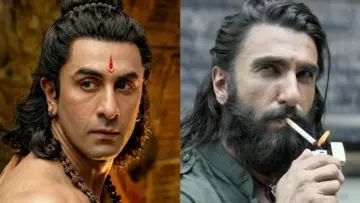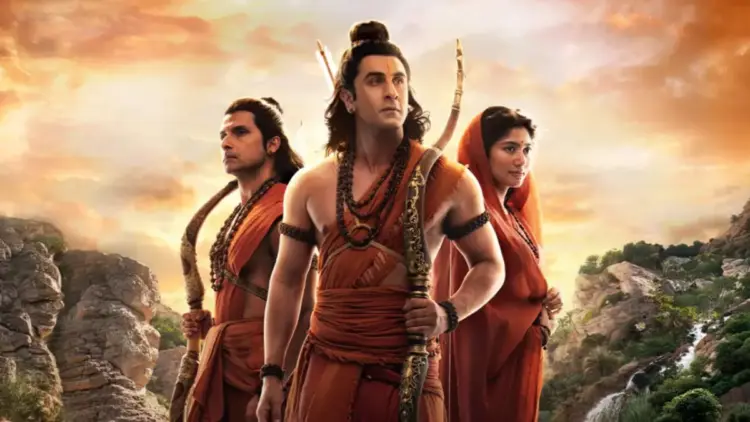
Mumbai, India – [Insert Date] – The monumental cinematic adaptation of the revered Indian epic, "Ramayana: Part One," starring Ranbir Kapoor as Lord Rama, Sai Pallavi as Sita, and Yash as the formidable Ravana, continues to shatter box office records. In a mere 12 days since its theatrical debut, the Nitesh Tiwari-directed magnum opus has amassed an astounding ₹792.60 crore net in India and a staggering ₹1437.25 crore gross worldwide. Despite a natural, yet significant, 57.3% drop in collections on its second Monday, the film’s enduring appeal and grand scale have solidified its position as a colossal box office phenomenon.
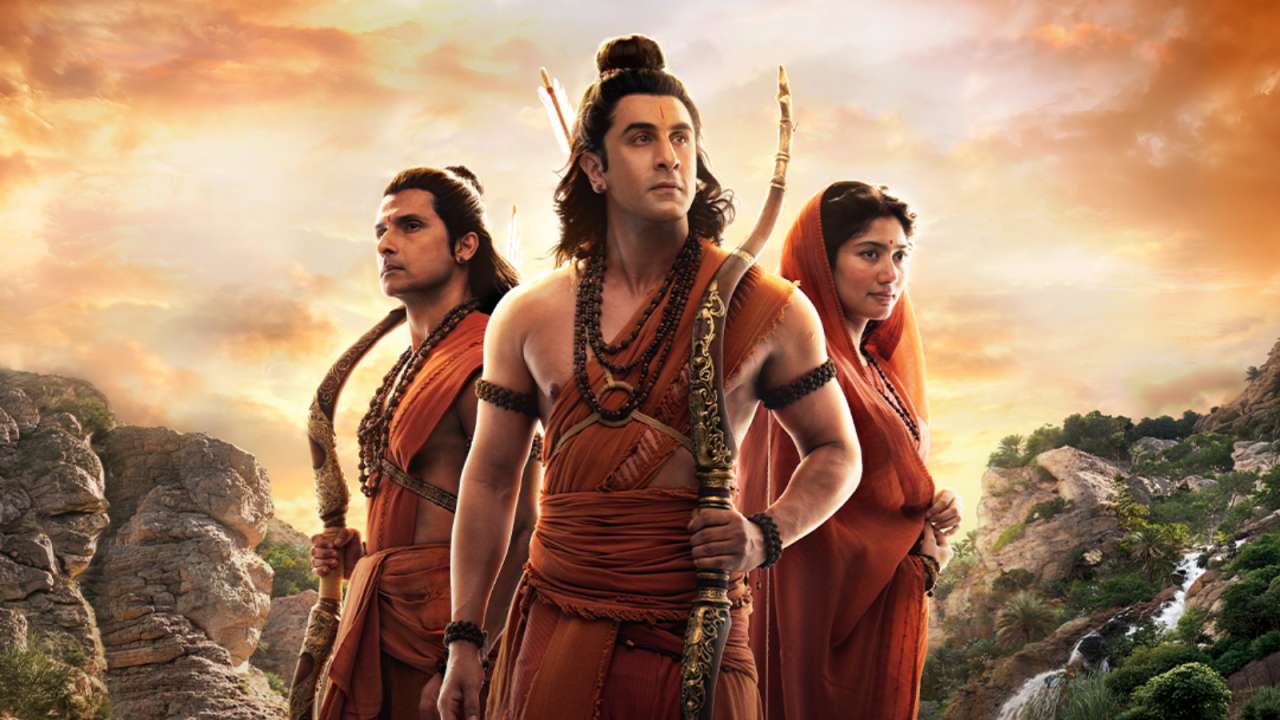
The film, which premiered on November 5th, has been a consistent crowd-pleaser, drawing audiences with its breathtaking visuals, ambitious production, and faithful yet cinematic rendition of a story deeply ingrained in the cultural fabric of India. The initial 11 days of its run saw the film accumulate ₹760.60 crore net domestically and ₹1,389 crore globally, setting a blistering pace from its opening weekend.
A Box Office Titan: Unpacking the Numbers
The second Monday, November 16th, saw "Ramayana: Part One" collect ₹32 crore net in India. This figure represents a considerable, though not unexpected, decline from the ₹75 crore earned on its second Sunday. Such a drop is a common pattern for films after their initial surge, particularly for event-level releases that tend to peak over weekends. However, even with this dip, the film’s cumulative India net collection has soared to ₹792.60 crore, with its India gross reaching ₹947.25 crore.

The international market has also been a significant contributor to the film’s success. On Monday alone, "Ramayana: Part One" added ₹10 crore to its overseas gross earnings, bringing the total overseas collection to an impressive ₹490 crore. This robust performance across borders underscores the universal appeal of the epic narrative and the film’s masterful execution. The combined worldwide gross collection now stands at an extraordinary ₹1437.25 crore, a testament to the film’s phenomenal reach and commercial viability.

A Constellation of Stars: The Ensemble Powerhouse
Beyond the central trio, "Ramayana: Part One" boasts an expansive and star-studded ensemble cast, each actor contributing significantly to the film’s authenticity and grandeur. Sunny Deol portrays the loyal and powerful Hanuman, while Ravi Dubey embodies the devoted Lakshman. Veteran actor Arun Govil, who famously played Lord Rama in the iconic television series, takes on the role of King Dashratha, bringing a layer of nostalgic resonance to the film.

The supporting cast is equally impressive, featuring Lara Dutta as the complex Queen Kaikeyi, Rakul Preet Singh as the enchanting Surpanakha, and Vivek Oberoi as Vidyutjihva. Kunal Kapoor appears as Lord Indra, Sheeba Chadha as the manipulative Manthara, and Indira Krishnan as Queen Kaushalya. Anupam Kher adds gravitas to his role as Jatayu. This carefully curated ensemble not only elevates the performances but also lends an air of legitimacy and widespread appeal to the ambitious project. The collective talent on display ensures that every character, no matter how small, is brought to life with depth and conviction, enriching the overall viewing experience.

Behind the Vision: Nitesh Tiwari and the Producers’ Ambition
Directed by the acclaimed filmmaker Nitesh Tiwari, known for his nuanced storytelling and ability to connect with audiences, "Ramayana: Part One" is a monumental undertaking. The film is produced by Namit Malhotra’s Prime Focus Studios, in collaboration with the eight-time Oscar-winning visual effects powerhouse DNEG and Yash’s own production house, Monster Mind Creations. This collaboration signifies a commitment to unparalleled technical excellence and a global vision for the project.

The decision to adapt the Ramayana into a multi-part cinematic experience was a bold one, recognizing the epic’s vast scope and intricate narrative. The first installment, released during the festive Diwali season of 2026, has clearly set a high bar for its successor.

A Glimpse into the Future: "Ramayana: Part Two" on the Horizon
The anticipation for the subsequent parts of this epic saga is already palpable. "Ramayana: Part Two" is slated for a grand release during Diwali 2028. This strategic staggered release plan allows ample time for the intricate post-production work, including the groundbreaking visual effects that are a hallmark of the series, and also builds sustained audience interest over several years.

Adding another layer of prestige to the project is the musical collaboration between two legendary Oscar-winning composers: A.R. Rahman and Hans Zimmer. Their combined musical prowess promises to deliver a score that is both emotionally resonant and grand in scale, perfectly complementing the visual spectacle and narrative depth of the "Ramayana" films. This unique partnership between Indian and Western musical titans further underscores the global ambitions and artistic integrity of this cinematic endeavor.

Implications and the Future of Indian Cinema
The unprecedented success of "Ramayana: Part One" has far-reaching implications for the Indian film industry. It demonstrates the immense potential of adapting revered mythological tales for a contemporary audience, provided they are executed with exceptional quality and a strong directorial vision. The film’s ability to resonate with both domestic and international viewers highlights the growing global appetite for culturally rich and visually stunning cinematic experiences.

Furthermore, the film’s box office performance reaffirms the power of star-driven content coupled with high production values. The investment in cutting-edge visual effects and a meticulously crafted narrative has evidently paid off, setting a new benchmark for epic filmmaking in India. The success of "Ramayana: Part One" is likely to inspire more ambitious projects and encourage producers to explore grand narratives that can captivate audiences on a global scale. As the industry looks towards the future, the "Ramayana" saga stands as a shining example of what can be achieved when creativity, technology, and a deep understanding of storytelling converge. The anticipation for "Ramayana: Part Two" is now amplified, with audiences eagerly awaiting the next chapter of this epic journey.