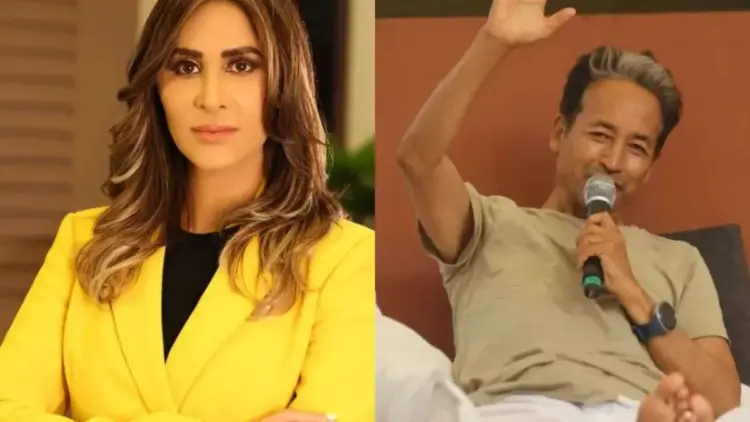
New Delhi, India – July 18, 2026 – In a powerful display of solidarity, renowned celebrity beauty expert Dr. Shagun Gupta has publicly voiced her staunch support for the ongoing hunger strike led by innovator and activist Sonam Wangchuk. Dr. Gupta’s intervention transcends mere celebrity endorsement, positioning her statement as a profound reflection on the moral imperative to support peaceful dissent that champions national interests and the future of India’s youth. Her impassioned declaration, made across her social media platforms, unequivocally states that her allegiance lies with the Constitution and the nation, not with any specific political party.
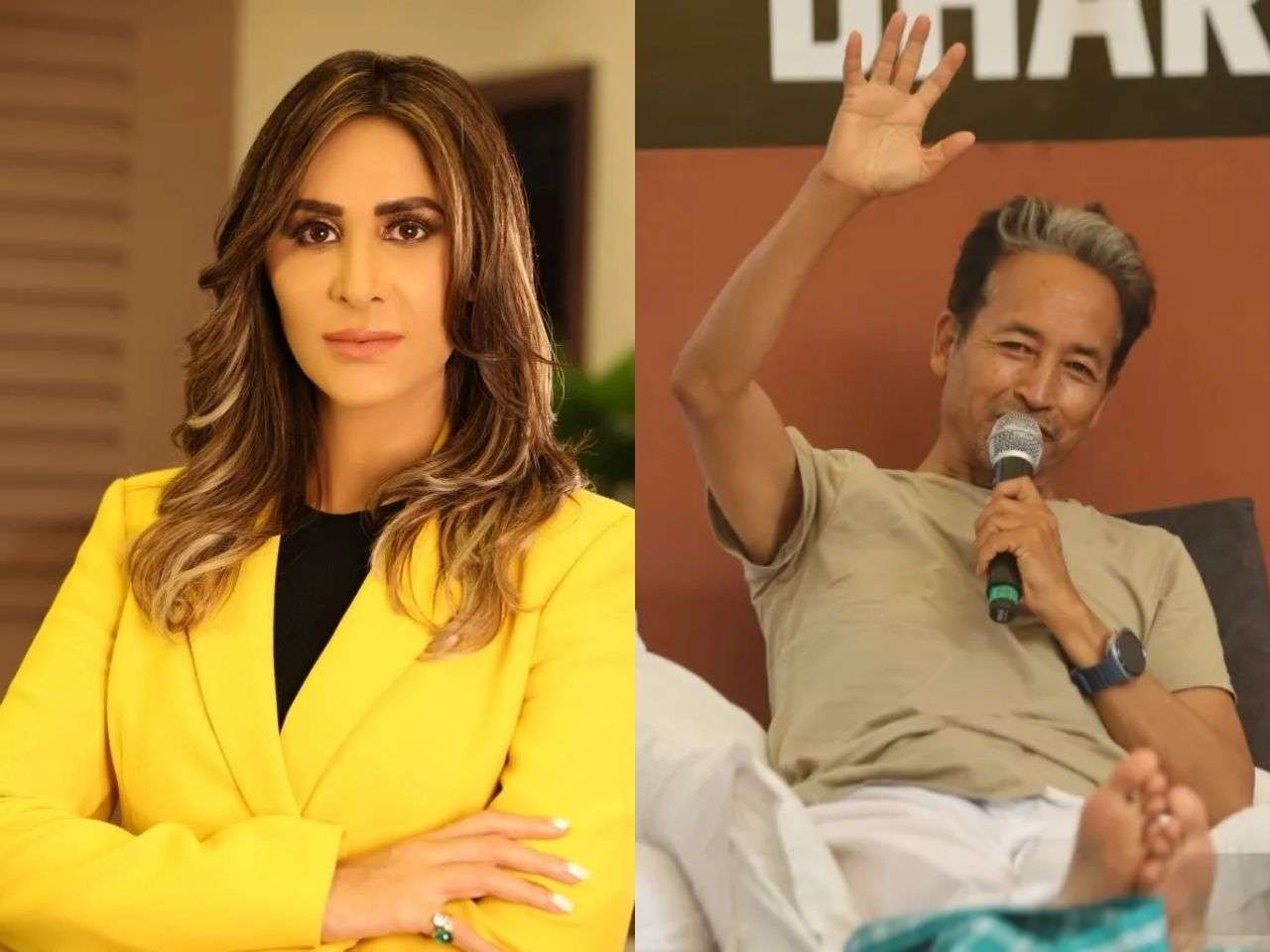
The activist’s protest, now entering its third week, has ignited a national conversation, drawing attention to critical issues surrounding educational integrity and governmental accountability. While supporters anxiously monitor Wangchuk’s declining health and fervently hope for a swift resolution, Dr. Gupta’s timely statement amplifies the urgency and significance of his demands. Her voice, emanating from the lifestyle and celebrity sphere, underscores the broad-based nature of this concern, resonating beyond political circles and into the lives of everyday citizens.

The Core of the Protest: Education, Accountability, and National Future
Sonam Wangchuk, a celebrated engineer and education reformist, embarked on an indefinite hunger strike at Delhi’s Jantar Mantar on July 1, 2026. His primary demand centers on the resignation of Union Education Minister Dharmendra Pradhan. Wangchuk alleges a severe lapse in governance under Pradhan’s tenure, specifically citing the numerous paper leaks that have plagued competitive examinations, most notably the NEET-UG 2026. The tragic consequence of these leaks, which have led to widespread distress and, alarmingly, to the suicides of at least 12 students, forms the crux of Wangchuk’s moral outrage and the driving force behind his extreme form of protest.

Wangchuk’s protest is not merely a reaction to a single event but a broader indictment of systemic failures that undermine the meritocratic principles essential for national progress. He argues that the repeated occurrences of exam malpractices erode the trust of millions of aspiring students and their families, creating an environment of unfairness and despair. His hunger strike is a potent symbol of his commitment to safeguarding the integrity of the Indian education system, which he believes is fundamental to the nation’s future prosperity and global standing.

Dr. Shagun Gupta’s Unwavering Stance: "My Silence is Never for Sale"
Dr. Shagun Gupta, a prominent figure in Bollywood’s beauty and cosmetology circuit, has articulated her support for Sonam Wangchuk with remarkable clarity and conviction. In a series of social media posts that have garnered significant attention, she has emphasized her principled stance, dissociating her advocacy from any partisan politics.

"The future of the country and its youth and India is my home," Dr. Gupta declared. "My silence is never for sale. When the future of my nation, the dignity of its people, or the power of education calls, I will stand with courage. My loyalty is to the Constitution of India, to truth, and to my country—not to any political party." This powerful statement directly addresses the often-politicized nature of public discourse in India, asserting that concerns for national well-being should transcend political divides.

She further elaborated on the motivations behind her support: "I stand with Sonam Wangchuk not because of politics or headlines, but because I believe every peaceful voice raised for education, our environment, and India’s future deserves to be heard. My loyalty is to India, its people, and my conscience. India First. Always." This reiteration of her core values highlights her belief in the power of collective action and the importance of amplifying voices that advocate for fundamental societal improvements.

Dr. Gupta’s statement is particularly significant as it comes from an individual whose profession is often perceived as being detached from socio-political activism. Her willingness to engage with and champion such a cause demonstrates a growing awareness and concern among a wider segment of the public regarding issues of governance and social justice.

Chronology of Sonam Wangchuk’s Protest and Growing Support
The events leading up to and during Sonam Wangchuk’s hunger strike paint a picture of escalating concern and a persistent, yet so far unanswered, call for governmental action.

- Early July 2026: Sonam Wangchuk announces his intention to commence an indefinite hunger strike at Jantar Mantar, Delhi, to protest the alleged inaction and systemic failures within the Ministry of Education. His specific demand for the resignation of Minister Dharmendra Pradhan is clearly articulated.
- July 1, 2026: Wangchuk begins his hunger strike. Initially, the protest garners attention from a dedicated group of supporters and a segment of the media.
- Mid-July 2026: As Wangchuk’s health begins to deteriorate, the protest gains wider traction. Social media platforms become crucial in disseminating information and mobilizing support. Calls for government intervention grow louder.
- July 15-18, 2026: Several Bollywood personalities and public figures begin to voice their opinions. While some, like Aamir Khan, have faced criticism for their initial perceived lack of engagement or claimed ignorance, others, including Dr. Shagun Gupta, have offered unequivocal support. The online discourse reveals a stark contrast between those who actively support Wangchuk and those who either remain silent or appear to dismiss his concerns. Viral videos of public figures like Vivek Oberoi appearing to evade questions about the protest and Manoj Tiwari making dismissive remarks have also fueled public debate and criticism.
- July 18, 2026: Dr. Shagun Gupta releases her strong statement of support, emphasizing her commitment to national interests and truth above political affiliations. This statement serves to further legitimize Wangchuk’s cause and encourages broader public engagement.
The prolonged nature of the hunger strike, coupled with the increasing visibility of figures like Dr. Gupta aligning with Wangchuk, suggests a growing public demand for accountability and reform within the education sector.

Supporting Data: The Scale of the Educational Crisis
The gravity of Sonam Wangchuk’s protest is underscored by the systemic issues plaguing India’s competitive examination landscape. The NEET-UG 2026 paper leak is not an isolated incident but part of a disturbing pattern:

- NEET-UG 2026 Paper Leak: This particular leak, which involved alleged irregularities in multiple examination centers, has been the most immediate catalyst for Wangchuk’s protest. Reports indicate that the leak compromised the integrity of the examination for hundreds of thousands of aspiring medical students. The subsequent investigation has revealed deep-seated corruption and administrative negligence.
- Student Suicides: The devastating consequence of these leaks has been the reported suicides of at least 12 students who, disillusioned and despairing, saw their dreams shattered by the unfairness of the system. This statistic alone represents a profound human tragedy and a severe indictment of the authorities responsible for ensuring fair examination processes.
- Other Competitive Exams: The NEET-UG leak is symptomatic of a larger problem. Over the past few years, various other major competitive exams, including those for government jobs and other professional courses, have been marred by allegations of paper leaks, malpractices, and administrative lapses. This has created an environment of deep mistrust and anxiety among the student community.
- Impact on Meritocracy: The repeated instances of exam irregularities directly undermine the principle of meritocracy, which is essential for identifying and nurturing talent within the country. When opportunities are perceived to be unfairly distributed, it not only disheartens genuine aspirants but also has long-term implications for the quality of professionals entering various critical sectors.
- Economic and Social Costs: The cost of these leaks extends beyond the emotional toll on students. It involves the financial burden on families who invest heavily in coaching and preparation, the wastage of administrative resources in conducting re-examinations, and the erosion of public faith in educational institutions.
The data surrounding these issues paints a grim picture, providing a factual basis for the urgency and moral imperative behind Sonam Wangchuk’s peaceful protest.

Official Responses and Public Scrutiny
The response from official quarters to Sonam Wangchuk’s hunger strike has been varied and, for many, insufficient. While the government has acknowledged the existence of exam irregularities and has initiated investigations, concrete actions that address the core demands of accountability and systemic reform have been slow to materialize.

- Government Investigations: The Ministry of Education and relevant investigative agencies have launched probes into the NEET-UG 2026 paper leak. These investigations aim to identify culprits and bring them to justice. However, the pace and transparency of these inquiries are often questioned by activists and the public.
- Ministerial Statements: Union Education Minister Dharmendra Pradhan has issued statements condemning the leaks and assuring the public that action will be taken. However, he has not publicly addressed the demand for his resignation. Critics argue that these statements, while acknowledging the problem, lack the decisive leadership and accountability expected in such a crisis.
- Lack of Direct Engagement: A significant point of contention has been the perceived lack of direct, substantive engagement between the government and Sonam Wangchuk. Activists and supporters have repeatedly called for dialogue and a commitment to implement reforms, but the response has often been perceived as dismissive or bureaucratic.
- Public Figures’ Reactions: The reactions of public figures, both within and outside the political sphere, have amplified the public discourse. Viral videos showing celebrities like Vivek Oberoi and Manoj Tiwari responding to questions about Wangchuk’s protest have drawn considerable criticism. Oberoi’s alleged evasion and Tiwari’s dismissive remarks have been interpreted by many as a lack of empathy and understanding for the seriousness of the issue. Conversely, figures like Dr. Shagun Gupta have provided a counterpoint, demonstrating genuine concern and a commitment to national well-being. Aamir Khan’s initial claim of not knowing Wangchuk also drew sharp criticism, with netizens unearthing old videos of the actor applauding the activist, leading to accusations of selective engagement.
The ongoing scrutiny from the public and media highlights the expectation for greater transparency, accountability, and decisive action from the government in addressing the deep-seated issues within the education system.

Implications of the Protest and Dr. Gupta’s Support
Sonam Wangchuk’s hunger strike, amplified by the support of influential figures like Dr. Shagun Gupta, carries significant implications for Indian society and governance:

- Empowerment of Peaceful Dissent: The protest reinforces the power of peaceful, non-violent resistance as a legitimate tool for citizens to hold the government accountable. Wangchuk’s unwavering commitment, even at personal risk, serves as an inspiration for civic engagement.
- Shifting Public Discourse: The involvement of individuals from diverse backgrounds, including the lifestyle and entertainment industries, signifies a broadening of public concern beyond traditional activist circles. This indicates a growing awareness of the interconnectedness of educational integrity with national progress.
- Demand for Ethical Governance: The protest is a clear call for a more ethical and responsible approach to governance, particularly in sectors as crucial as education. It highlights the need for transparency, accountability, and a genuine commitment to public welfare over political expediency.
- The Role of Celebrities and Influencers: Dr. Gupta’s intervention underscores the potential for celebrities and influencers to leverage their platforms for positive social change. Her principled stand, emphasizing national duty over political affiliation, sets a commendable example for others in the public eye.
- Future of Education Reform: The sustained attention on the NEET-UG 2026 paper leak and the broader issues it represents could catalyze much-needed reforms in examination processes, governance structures within educational bodies, and mechanisms for ensuring accountability. The protest may well mark a turning point in the ongoing struggle for educational integrity in India.
In conclusion, Dr. Shagun Gupta’s strong endorsement of Sonam Wangchuk’s hunger strike transcends mere celebrity endorsement. It represents a powerful affirmation of the principles of truth, national duty, and the unwavering commitment to the future of India. As the protest continues, her voice, alongside the growing chorus of concerned citizens, serves as a potent reminder that the fight for educational integrity and governmental accountability is a collective endeavor, demanding the attention and support of all who hold the nation’s future dear.