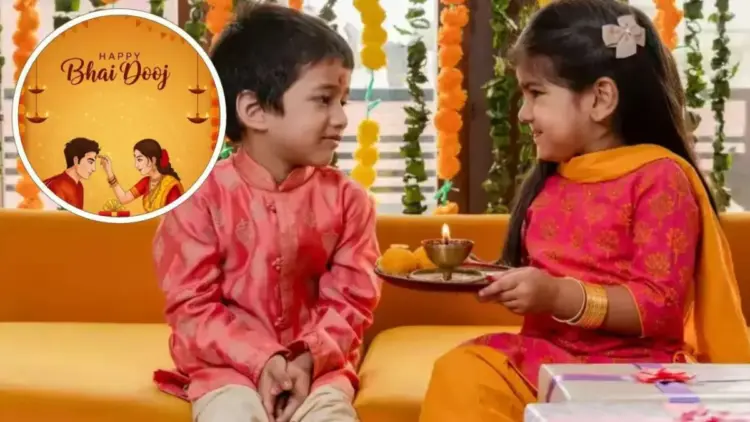
New Delhi, India – November 11, 2026 – As the vibrant hues of Diwali fade, the hearts of brothers and sisters across India are set to glow with the warmth of another cherished tradition: Bhai Dooj. In 2026, this auspicious festival, dedicated to the profound and enduring bond between siblings, will be celebrated on Wednesday, November 11. While some may have harboured a brief moment of confusion between November 10th and 11th, the definitive date, as per the lunar calendar, firmly places the festivities on the latter. The day is marked by sisters performing the sacred ’tilak’ ceremony for their brothers, offering prayers for their long life, robust health, and abundant happiness, a ritual steeped in centuries of tradition and affection.
Unpacking the Date: Navigating the Nuances of Dwitiya Tithi
The precise timing of many Hindu festivals is intricately linked to the lunar cycle, and Bhai Dooj is no exception. Celebrated on the Dwitiya Tithi (second day) of the Shukla Paksha (waxing moon phase) in the month of Kartik, immediately following the festivities of Diwali, the exact commencement and conclusion of this tithi dictate the celebration day.
In 2026, the Dwitiya Tithi is slated to begin at 2:00 PM on November 10th and will extend until 3:53 PM on November 11th. Given that the tithi will be prominently visible and observed during the daylight hours of November 11th, the festival will be officially observed on this day. This adherence to the lunar calendar ensures that the sanctity and traditional observance of Bhai Dooj are maintained, providing clarity and a unified approach to its celebration across the nation.
The Sacred ‘Tilak Muhurat’: An Auspicious Window for Blessings
The heart of the Bhai Dooj celebration lies in the ’tilak’ ceremony. This ritual is not merely symbolic; it is an invocation of blessings and a reaffirmation of the protective pact between siblings. The most auspicious time for performing this sacred rite is during the ‘Aparahna’ era, which generally refers to the period after midday.
For the year 2026, the ’tilak muhurat’ (auspicious timing) in New Delhi is specifically scheduled from 1:10 PM to 3:20 PM on November 11th. This significant window spans a total of two hours and ten minutes, offering ample time for sisters to perform the tilak and the accompanying aarti (a ritual of waving lamps) for their brothers. It is during this carefully designated period that the blessings are believed to be most potent, enhancing the spiritual significance of the sister’s prayers and the brother’s acceptance of them. While the specific timing might vary slightly based on geographical location due to differing sunrise and sunset times, the principle of observing the Aparahna era remains constant.
The Genesis of Bhai Dooj: A Divine Narrative of Love and Protection
The origins of Bhai Dooj are deeply rooted in Hindu mythology, offering a profound narrative that underscores the unique and invaluable bond between brothers and sisters. The most widely recounted legend centres around Lord Yama, the deity of death, and his sister, Yamuna, the river goddess.

According to the lore, on this particular day, Lord Yama, who was usually preoccupied with his duties, decided to visit his sister. Yamuna, overjoyed by her brother’s arrival, welcomed him with immense love and affection. She performed the ’tilak’ ceremony, applying a sacred mark on his forehead, and then lovingly prepared a feast for him. Pleased beyond measure by his sister’s devotion, genuine affection, and the purity of her intentions, Lord Yama bestowed a powerful boon upon her. He declared that any brother who receives the ’tilak’ from his sister on this auspicious day, with love and sincerity, will be blessed with a long, prosperous, and healthy life, free from the clutches of untimely death.
This divine narrative elevates Bhai Dooj from a simple festival to a deeply spiritual occasion, emphasizing the power of a sister’s love and prayers in safeguarding her brother. It also highlights the concept of ‘Bhaubandh’ – the unbreakable thread of sibling connection.

Variations in Nomenclature and Celebration Across India
While the core sentiment and rituals of Bhai Dooj remain consistent, the festival is known by various names across different regions of India, reflecting the diverse cultural tapestry of the nation. These regional appellations add a unique flavour to the celebration, even as the underlying essence of sibling love remains universal.
- Bhai Dooj: This is the most widely recognized name for the festival.
- Bhau Beej: Popular in Maharashtra, Goa, and Gujarat, ‘Bhau’ means brother.
- Bhai Phonta: Celebrated predominantly in West Bengal, where ‘Phonta’ refers to the tilak mark.
- Bhai Tika: Common in Nepal and some parts of North India, where ‘Tika’ also signifies the ceremonial mark.
Regardless of the name, the fundamental ritual involves sisters applying the tilak, performing aarti, and praying for their brothers’ well-being. In return, brothers often present their sisters with gifts, sweets, and assurances of their unwavering support and protection. This exchange of affection and promises solidifies the reciprocal nature of the sibling relationship. It’s important to distinguish Bhai Dooj from Raksha Bandhan. While Raksha Bandhan, celebrated earlier in the year, involves the tying of a sacred thread (rakhi) by a sister around her brother’s wrist as a symbol of protection, Bhai Dooj focuses on the sister’s active blessings through the tilak and aarti after the lights of Diwali have illuminated homes.

Supporting Data: The Astrological Significance and Cultural Resonance
The astrological underpinnings of Bhai Dooj are crucial to understanding its timing and significance. The Kartik month holds a special place in the Hindu calendar, often associated with purification and auspicious beginnings. The Shukla Paksha, or the waxing phase of the moon, is traditionally considered a period of growth and prosperity, making the Dwitiya Tithi within this phase an ideal time for invoking blessings.
The concept of ‘Aparahna’ as the auspicious time for the tilak ceremony is also rooted in ancient astrological texts. This period is believed to be most conducive for performing rituals that seek divine favour and long-term well-being. The duration of the ’tilak muhurat’ being approximately two hours and ten minutes allows for a focused and unhurried performance of the rituals, ensuring that the sister can offer her prayers with full concentration and devotion.

Culturally, Bhai Dooj plays a vital role in strengthening family ties. In an increasingly mobile society, where families might be geographically dispersed, festivals like Bhai Dooj provide a crucial opportunity for siblings to reconnect, reaffirm their bonds, and create lasting memories. The act of a sister travelling to her brother’s home, or vice versa, or simply coming together for the rituals, emphasizes the importance of kinship and mutual support.
The shared meal that often follows the rituals is another significant aspect, symbolizing unity and the sharing of joys and sorrows. The exchange of gifts, while not the primary focus, serves as a tangible expression of affection and appreciation.

Official Responses and Societal Impact
While there are no "official responses" in the governmental sense for a cultural festival, the widespread observance of Bhai Dooj by millions across India and the diaspora signifies its deep cultural integration. Religious scholars and astrologers play a crucial role in disseminating accurate information regarding the dates and muhurats, ensuring that the traditions are observed correctly. Media outlets, like DNA, contribute to this by publishing detailed guides and explanations, helping to clarify any ambiguities and educate the public.
The societal impact of Bhai Dooj is profound. It actively promotes gender equality by acknowledging and celebrating the protective and nurturing role of sisters, while simultaneously recognizing the responsibility of brothers to safeguard their sisters. The festival fosters a sense of community and belonging, reinforcing the values of love, respect, and mutual dependence within families.

In an era where traditional values are sometimes challenged, festivals like Bhai Dooj serve as anchors, reminding individuals of their cultural heritage and the enduring strength of familial bonds. They provide a structured framework for expressing emotions and reinforcing relationships that might otherwise be taken for granted. The meticulous adherence to the dates and timings, as provided by astrological calculations and disseminated by religious authorities and media, underscores the collective commitment to preserving these cherished traditions.
Implications for the Future: Preserving a Cherished Legacy
As India continues its journey of modernization and globalization, the preservation of cultural festivals like Bhai Dooj becomes increasingly important. The emphasis on accurate information regarding dates and timings, coupled with an understanding of the underlying mythology and significance, ensures that the festival remains relevant and meaningful for younger generations.

The continuity of Bhai Dooj will depend on several factors:
- Education and Awareness: Continued efforts to educate younger generations about the historical and cultural significance of the festival will be crucial.
- Adaptability within Tradition: While the core rituals should be preserved, there’s always room for subtle adaptations in how the festival is celebrated to resonate with contemporary lifestyles, without compromising its essence.
- Technological Integration: In the digital age, platforms can be used to share information, connect with distant relatives, and even virtually participate in ceremonies, ensuring that distance does not diminish the spirit of the festival.
- Reinforcing Core Values: The most critical implication for the future is the consistent reinforcement of the core values of love, protection, respect, and mutual support that Bhai Dooj embodies.
In conclusion, Bhai Dooj 2026, on November 11th, will be more than just a date on the calendar; it will be a vibrant testament to the indomitable spirit of sibling love. As sisters perform the sacred tilak and brothers reciprocate with love and promises, the festival will continue to weave its magic, strengthening the threads that bind families together, one blessed celebration at a time. The meticulous observance of the ’tilak muhurat’ from 1:10 PM to 3:20 PM in New Delhi serves as a guiding light for this heartfelt celebration, ensuring that the ancient blessings continue to flow for generations to come.