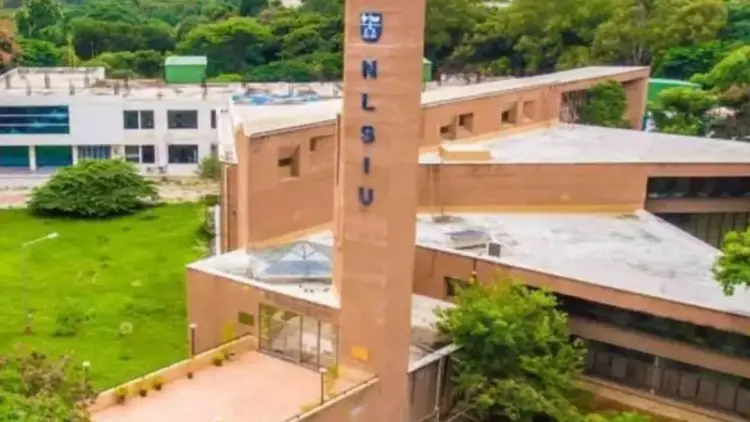
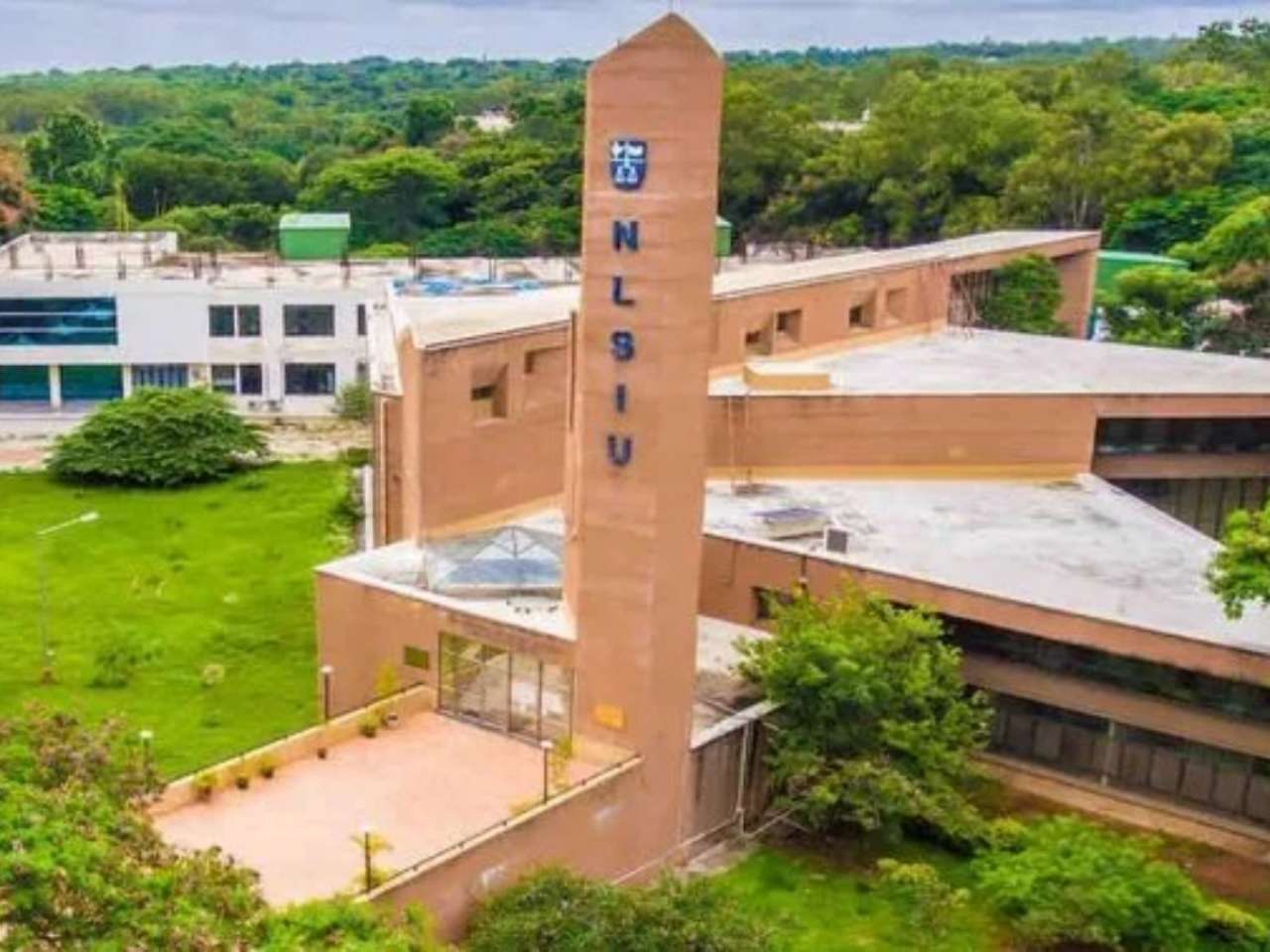
Bengaluru, India – In a move that has sent ripples through the legal education fraternity, the National Law School of India University (NLSIU) Bengaluru has officially cancelled its 34th Annual Convocation for the graduating batch of 2026. The decision, announced on August 27th, comes in the wake of a burgeoning controversy surrounding the proposed presence of Chief Justice of India (CJI) Surya Kant and Bar Council of India (BCI) Chairman Manan Kumar Mishra as distinguished guests. The university cited "unavoidable circumstances" as the reason for the abrupt cancellation, leaving students to receive their degrees in absentia.
This abrupt decision follows a similar, albeit resolved, situation at NALSAR University of Law, Hyderabad, where students had also voiced objections to CJI Surya Kant’s participation as chief guest. The controversy at NLSIU, though less publicly detailed at this stage, appears to be intrinsically linked to the broader discourse on student agency, the role of the judiciary in academic ceremonies, and the perception of judicial overreach in educational institutions. The cancellation not only deprives graduating students of a traditional milestone but also raises pertinent questions about the delicate balance between institutional authority and student dissent within premier legal academia.
The Unfolding Controversy: A Timeline of Events
The sequence of events leading to the cancellation of NLSIU’s 2026 convocation paints a picture of escalating tensions and a swift, decisive institutional response.
- Early August 2026 (Approximate): NLSIU Bengaluru, through its official channels, informs the graduating batch of 2026 that its 34th Annual Convocation is scheduled to take place on September 12th. The initial communication likely outlined the standard protocols and expected attendance of dignitaries, with CJI Surya Kant and BCI Chairman Manan Kumar Mishra reportedly slated to be part of the proceedings.
- Mid-August 2026: Reports begin to surface, primarily through student forums and unconfirmed sources, of significant reservations and objections from a segment of the graduating student body regarding the proposed presence of CJI Surya Kant and BCI Chairman Mishra. The specific nature of these objections, while not immediately articulated publicly by the university, are understood to be rooted in concerns about the judiciary’s role in academic discourse and potential implications for institutional autonomy.
- August 26, 2026 (Evening/Night): The controversy appears to reach a critical juncture, prompting urgent consultations within the university administration. The exact triggers for this accelerated decision-making process remain unclear, but it is probable that the intensity of student dissent, coupled with the potential for further public scrutiny or disruption, played a significant role.
- August 27, 2026: NLSIU Bengaluru issues a formal notice announcing the cancellation of the 34th Annual Convocation for the 2026 graduating batch. The notice, brief and to the point, cites "unavoidable circumstances" as the sole reason for the cancellation. It also outlines the alternative arrangement for the conferral of degrees: in absentia, with options for students to receive their certificates via courier or campus collection.
- August 28, 2026 (and onwards): News of the cancellation breaks, attracting media attention and prompting reactions from various stakeholders, including student groups and legal commentators. The incident draws parallels with the recent controversy at NALSAR University of Law, Hyderabad, further fueling discussions on the subject.
Degrees in Absentia: An Unprecedented Alternative
With the convocation ceremony now a non-starter, NLSIU Bengaluru has assured its graduating students that their academic achievements will not go unrecognized. The university has stated that degrees for all graduating students will be conferred "in absentia," a process that will be subject to the approval of its governing bodies. This provision allows for the formal award of degrees without the physical presence of the graduates at the ceremony.
To facilitate this alternative, NLSIU has outlined a practical approach for students:
- Certificate Distribution: Graduating students will be provided with the option to receive their hard-earned certificates either through postal courier directly to their registered addresses or by collecting them in person from the university campus.
- Procedural Details: The university has pledged to share a dedicated form and further comprehensive details regarding the process of certificate issuance with the graduating batch. This will likely include timelines, collection procedures, and any necessary documentation required.
While this arrangement ensures that students receive their academic credentials, it undoubtedly falls short of the traditional celebratory experience that a convocation ceremony typically offers. The absence of a formal gathering means missing out on the camaraderie, the shared pride with peers and faculty, and the symbolic culmination of years of rigorous academic pursuit.

Echoes of NALSAR: A Pattern of Judicial Scrutiny
The cancellation at NLSIU is not an isolated incident; it echoes a recent controversy at another prestigious National Law University, NALSAR University of Law, Hyderabad. In that instance, students had also raised objections to the proposed participation of CJI Surya Kant as the chief guest at their convocation. The grounds for dissent, though varying in specific articulation, often revolved around concerns about the perceived politicization of academic events and the appropriateness of judicial figures delivering convocation addresses in certain contexts.
The NALSAR situation escalated to a point where the Bar Council of India (BCI) initially intervened by issuing an order that effectively froze the enrolment of NALSAR’s entire 2026 graduating batch with state bar councils. This was presented as a measure pending an inquiry into the matter. However, following a reassessment, the BCI ultimately withdrew this restrictive order. The Council concluded that the majority of students had not intended to engage in any act of disrespect, leading to an amended order that permitted all students from the graduating batch to enroll with the state bar council of their choice.

The NALSAR incident, and its resolution, set a precedent and likely influenced the climate surrounding student dissent in legal academia. The swift intervention by the BCI in that case, and its subsequent withdrawal, underscored the sensitive nature of such disputes and the potential for significant repercussions. The current situation at NLSIU suggests that the underlying tensions that surfaced at NALSAR have not entirely dissipated and continue to inform student sentiment and institutional responses.
Official Responses and Reactions
While NLSIU Bengaluru has maintained a concise official statement citing "unavoidable circumstances," broader reactions have emerged from various quarters, highlighting the complex socio-political dimensions of the issue.

NLSIU Bengaluru’s Official Stance:
The university’s statement, issued on August 27th, was brief and formal: "Despite our collective best efforts, due to unavoidable circumstances, we are unable to hold the 34th Annual Convocation. The degrees of all graduating students will be conferred in absentia, subject to the approval of the Governing Bodies. Students will have the option of receiving their certificates by courier or collecting them from the campus. The university will share a form and further details regarding the process with the graduating batch." This statement deliberately avoids elaborating on the specific "circumstances," leaving room for interpretation.

Student Perspective (Inferred):
While not explicitly quoted in the provided text, the fact that students "reportedly objected" implies a collective expression of concern. These objections are likely rooted in a desire for academic institutions to maintain a degree of autonomy from direct judicial influence in their internal affairs and ceremonial functions. Concerns might also stem from perceptions of the judiciary’s role in broader societal issues, leading students to question the appropriateness of certain judicial figures as guests of honor. The cancellation, from a student perspective, might be seen as an acknowledgment of their concerns, albeit achieved through an undesirable outcome.

Saurav Das and the Cockroach Janta Party:
Saurav Das, co-convenor of the Cockroach Janta Party, offered a more spirited reaction to NLSIU’s decision. His statement, "I hope the NLSIU graduating batch organises its own graduation ceremony and invites the most honourable guest to felicitate them. Do it the Gen-Z way!" suggests a playful but perhaps pointed critique of the situation. This sentiment encourages students to reclaim their celebratory moment and suggests that institutional disruptions can be overcome through alternative, student-led initiatives. The phrase "Gen-Z way" implies a desire for innovation, self-determination, and perhaps a less formal, more authentic mode of celebration.

The Bar Council of India (BCI):
As seen in the NALSAR case, the BCI holds significant influence in matters concerning legal education and professional practice. While the BCI has not issued a direct statement regarding the NLSIU cancellation in the provided text, its previous actions at NALSAR indicate its awareness and potential involvement in such controversies. The BCI’s role in balancing the interests of students, institutions, and the legal profession is crucial in navigating these sensitive situations. Its ultimate stance or involvement, if any, will be closely watched.

Broader Implications for Legal Education
The cancellation of the NLSIU convocation, stemming from student objections to high-profile judicial figures, carries significant implications for the landscape of legal education in India:
- Student Agency and Dissent: The incident underscores the growing assertiveness of students in demanding a voice in institutional decision-making, particularly concerning matters that they perceive as impacting academic integrity and autonomy. It highlights the need for universities to establish robust mechanisms for student consultation and grievance redressal.
- Judiciary’s Role in Academia: The recurring controversies surrounding the participation of judicial dignitaries in university ceremonies raise fundamental questions about the boundaries between the judiciary and academic institutions. While the judiciary plays a vital role in upholding the rule of law, its direct involvement in academic ceremonies needs careful consideration to avoid perceptions of undue influence or politicization.
- Institutional Autonomy: The ability of universities to conduct their affairs, including selecting guests for their ceremonies, without undue external pressure is crucial for maintaining academic freedom and institutional autonomy. The situation at NLSIU and NALSAR raises concerns about whether external bodies, such as the BCI, are overstepping their mandate in intervening in academic matters.
- The Future of Convocations: The trend of cancellations or modified ceremonies could potentially diminish the significance of these traditional milestones. Universities may need to rethink the format and guest selection process for convocations to ensure inclusivity and avoid potential controversies, perhaps by adopting more diverse or student-nominated guest lists.
- Public Perception and Trust: Such controversies can impact public perception of the legal fraternity and legal education. Maintaining a professional and apolitical image for institutions of higher learning, especially those shaping future legal professionals, is paramount.
The NLSIU Bengaluru convocation cancellation is more than just an administrative decision; it is a symptom of evolving dynamics within legal academia. It serves as a potent reminder of the complex interplay between student aspirations, institutional governance, and the revered, yet sometimes debated, role of the judiciary in society. As legal education continues to mature, finding a harmonious balance that respects all stakeholders will be an ongoing and critical challenge.