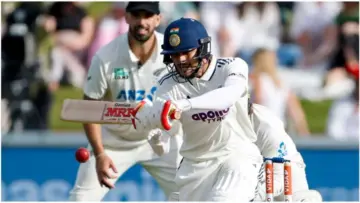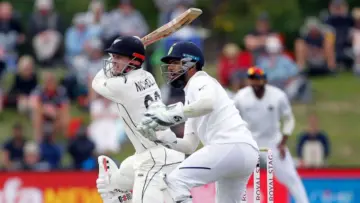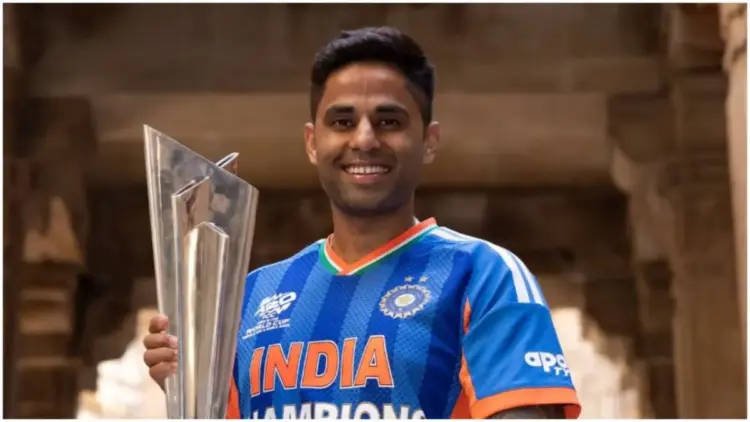
Mumbai, India – In a landscape where cricketing narratives often swing between triumphs and tribulations, the story of Suryakumar Yadav presents a particularly unsettling paradox. Just months after leading India to an historic ICC T20 World Cup victory, a feat that should have cemented his status as an indispensable asset, the dynamic batsman finds his position in the national setup shrouded in uncertainty. Despite a blistering return to domestic cricket, showcasing his signature explosive form, a recent report from the Press Trust of India (PTI), citing a top BCCI source, suggests that the "Mr. 360" is currently not in the selectors’ immediate plans for white-ball formats. This revelation has sent ripples through the cricketing fraternity, prompting questions about selection philosophy, talent management, and the true value of domestic performances.
The Core Dilemma: A World Cup Captain Sidelined
The central conundrum surrounding Suryakumar Yadav is stark: how can a player who captained his nation to a global title, and is currently demonstrating scintillating form in premier domestic tournaments, find himself outside the national reckoning? The 33-year-old, known affectionately as SKY for his audacious stroke play and ability to dismantle bowling attacks from any angle, has been a revelation in T20 international cricket. His unorthodox yet highly effective batting style has often been the catalyst for India’s aggressive approach in the shortest format.
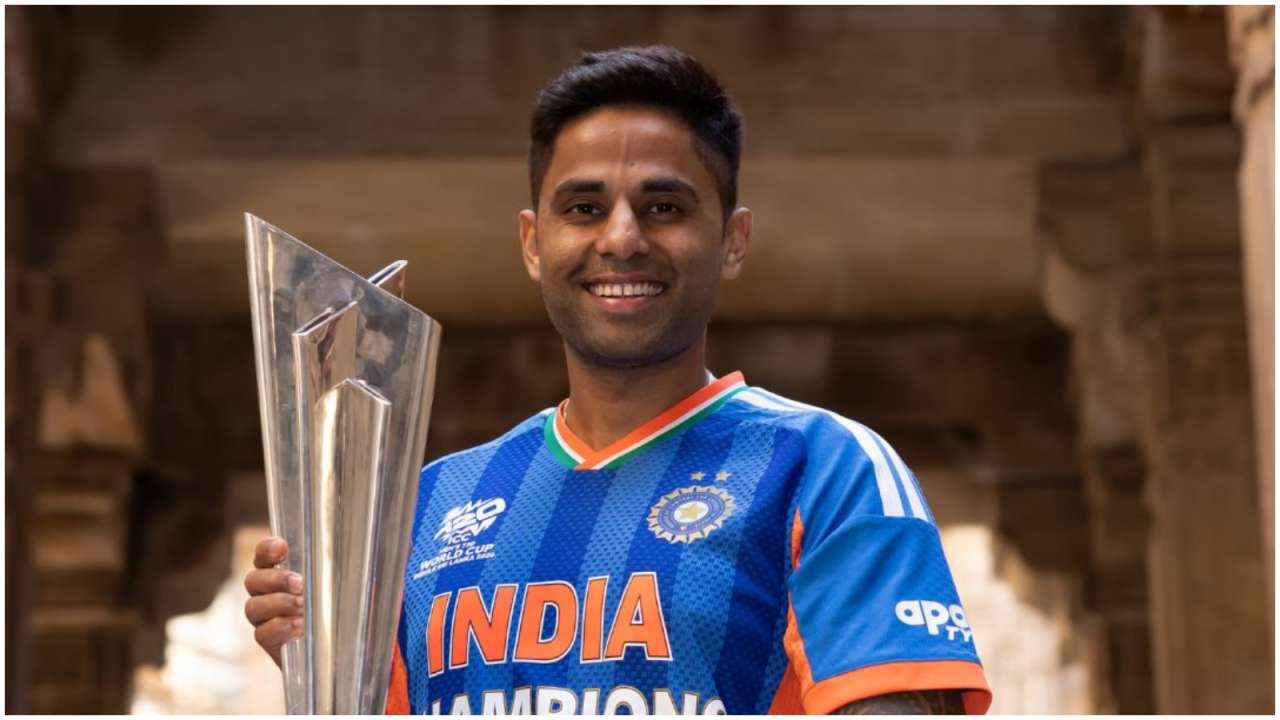
However, the euphoria of the T20 World Cup triumph earlier this year was surprisingly followed by a significant shift. Not only was Yadav removed from the captaincy role, but he has since found himself conspicuously absent from Team India’s selection plans across white-ball formats. This abrupt change, following a period of unprecedented success under his leadership, has left many observers and fans perplexed. The latest report, which attributes the decision to a lack of available slots in a fiercely competitive squad, casts a long shadow over the future of one of India’s most exciting batting talents.
A Chronology of Contrasts: From Pinnacle to Periphery
Suryakumar Yadav’s journey in recent months has been a dramatic sequence of highs and unexpected lows, painting a vivid picture of the challenges faced by even the most accomplished players in a talent-rich cricketing nation like India.
The Pinnacle: T20 World Cup Triumph
The year began with Yadav at the helm of the Indian T20I squad, leading them through a gruelling ICC T20 World Cup campaign. His leadership was lauded for its calm demeanour, strategic acumen, and ability to inspire confidence within a relatively young squad. Under his captaincy, India navigated challenging group stages and crucial knockout matches, ultimately lifting the coveted trophy. While his own personal batting form during the tournament was solid, it was his captaincy that truly shone, demonstrating a maturity and tactical understanding that belied his often free-spirited batting style. The victory was a significant milestone for Indian cricket, and Yadav, as the captain, was at the forefront of this historic achievement, lauded by fans and pundits alike.
The Unforeseen Shift: Post-World Cup Shake-Up
However, the celebrations were short-lived for Yadav’s personal standing within the team. In the immediate aftermath of the World Cup triumph, a series of selection decisions saw him not only relieved of the captaincy but also subsequently overlooked for national squads across both T20I and ODI formats. The reasons for this sudden demotion and exclusion were not explicitly articulated by the selectors at the time, leading to widespread speculation. Some suggested a strategic pivot towards younger talent for the long term, while others pondered if his perceived T20 specialisation was being viewed as a hindrance in other formats. Regardless of the underlying rationale, the shift was profound, moving him from the epicentre of national glory to the periphery of selection discussions.

The Domestic Comeback: A Statement of Intent
Undeterred by his national team exclusion, Suryakumar Yadav channeled his energies back into the domestic circuit. His return to action was marked by his participation in the prestigious Syed Mushtaq Ali Trophy (SMAT), India’s premier domestic T20 competition. Here, he was not only appointed skipper of the Mumbai side but also approached the tournament with a clear intent: to reaffirm his undeniable class and irresistible form.
His performances in SMAT were nothing short of spectacular, serving as a powerful testament to his enduring skill and hunger for runs. He led his team from the front, orchestrating victories with both his captaincy and, more emphatically, his bat. These performances were not merely about accumulating runs; they were about dominating bowling attacks, accelerating scoring rates, and single-handedly turning the tide of matches – precisely the qualities that had made him a global T20 superstar. His domestic run was widely seen as a compelling argument for his immediate reinstatement into the national squad, making the latest report even more perplexing.

Supporting Data: A Batting Masterclass in SMAT
Suryakumar Yadav’s recent performances in the Syed Mushtaq Ali Trophy have been a masterclass in aggressive, impactful batting, providing concrete evidence of his current peak form. These numbers, far from being ordinary, are the kind that typically force a selector’s hand.
-
Unbeaten 60 off 21 balls vs. Hyderabad: On November 14, Yadav unleashed a brutal assault against the Hyderabad bowlers. His unbeaten 60 came off a mere 21 deliveries, showcasing an incredible strike rate of 285.71. This innings was studded with six boundaries and five towering maximums, as Mumbai effortlessly chased down a target of 173 runs with seven wickets and plenty of overs to spare. The innings wasn’t just about quick runs; it was about the ease with which he found gaps and cleared the ropes, demonstrating his unique 360-degree hitting prowess.

-
82 off 29 balls vs. Gujarat: Just days later, against Gujarat, Yadav elevated his game even further. He bludgeoned 82 runs from just 29 balls, striking at an astounding 282.75. This innings featured an impressive nine boundaries and seven colossal sixes. Once again, his explosive hitting enabled Mumbai to chase down a formidable target of 199 runs in a mere 16 overs, underlining his ability to dictate the pace of the game and single-handedly decimate opposition bowling attacks.
-
Quickfire 25 off 12 deliveries vs. Goa: Even in a relatively shorter innings against Goa, Yadav maintained his high strike rate, scoring 25 runs off just 12 balls, including three maximums. These cameos, while not centuries, were crucial in maintaining momentum and ensuring Mumbai’s dominance in the tournament.

These innings are not isolated flashes of brilliance but consistent demonstrations of his ability to score rapidly and decisively. His strike rates in these games are among the highest seen in professional cricket, reinforcing his reputation as one of the most destructive white-ball batsmen in the world. For many, these performances should logically place him at the forefront of national selection discussions, making the "no space" argument particularly difficult to reconcile.
Official Responses: The BCCI’s Stance and Underlying Dynamics
The recent report, attributed to a top BCCI source speaking to PTI (as referenced in the original ANI report), offers the clearest indication yet of the selection committee’s current thinking regarding Suryakumar Yadav. The statements from the source are both candid and revealing, highlighting the complex dynamics at play within Indian cricket.

The BCCI source stated unequivocally: "Surya is no longer part of our selection plans at the moment. We haven’t even been able to find a place for Yashasvi Jaiswal in the white-ball setup."
This initial statement is a blunt assessment of Yadav’s current standing. It suggests a decisive shift in strategy, moving beyond his recent achievements and focusing on the existing team composition. The inclusion of Yashasvi Jaiswal’s name is particularly insightful, as it points to a broader challenge: the sheer abundance of top-tier talent in Indian cricket, creating an intense bottleneck for national team spots. Jaiswal, a highly promising young opener with a stellar record in domestic cricket and glimpses of brilliance internationally, also finds himself waiting in the wings for consistent white-ball opportunities, underscoring the depth of competition.

The source further elaborated: "Yes, Surya is working hard and performing well in List A cricket. However, the question is where we can accommodate him in the current Indian team. At present, there simply isn’t a place available. We haven’t even been able to find a spot for a young player like Yashasvi Jaiswal in white-ball cricket, so where would Surya fit into the current combination? As things stand, we are not considering him for the team in the present scenario."
Deconstructing "No Space":
This explanation is crucial for understanding the selection committee’s perspective. It’s not a question of Yadav’s talent or form, which is explicitly acknowledged ("performing well"). Instead, it boils down to the strategic allocation of resources and the existing balance of the squad.

- Fixed Batting Order and Roles: The current Indian white-ball setup likely has established players occupying key batting positions. Openers, number three, middle-order anchors, and finishers are roles often filled by players who have consistently performed and built chemistry. Disrupting this established order, especially when the incumbents are also performing adequately, is a significant decision.
- Strategic Focus on Multi-Format Players: While Yadav is a T20 specialist par excellence, the selectors might be prioritising players who can adapt across formats (ODIs and Tests), or those who bring specific all-round skills to the table. In a team looking for long-term solutions, a pure T20 specialist might be seen as less versatile, particularly in ODI cricket where his approach might need slight recalibration.
- Youth vs. Experience Dilemma: The mention of Jaiswal highlights a delicate balance. The team management is clearly keen on integrating young talent for future cycles. This naturally creates a squeeze on spots, especially for players in Yadav’s age bracket, who, despite their current form, might be seen as having a shorter runway compared to emerging stars.
- Team Combination and Balance: Cricket selection is not merely about picking the best individual players but crafting the best team. This involves balancing left-handers and right-handers, power hitters and accumulators, and ensuring adequate bowling resources. It’s possible that Yadav’s specific skill set, while phenomenal, doesn’t align with the current desired balance or strategic direction of the team.
- Format Specificity: While the report states "white-ball format," it’s important to consider if the emphasis is more on ODIs, given the upcoming cricketing calendar. Yadav’s ODI numbers, while not poor, haven’t been as consistently dominant as his T20I statistics. If the focus is on ODI preparations, his T20 exploits in SMAT might not directly translate into an immediate ODI spot.
The BCCI source’s statements, therefore, paint a picture not of dismissal of Yadav’s talent, but of a calculated, albeit harsh, selection policy driven by existing team dynamics and strategic long-term planning.
Implications: What Lies Ahead for SKY and Indian Cricket?
The news of Suryakumar Yadav’s current exclusion, despite his stellar domestic form and recent captaincy triumph, carries significant implications for both the player and the broader landscape of Indian cricket.

For Suryakumar Yadav: A Test of Resolve
For SKY, this situation presents a formidable challenge that transcends mere cricketing form. It becomes a test of mental fortitude, resilience, and adaptability.
- Sustained Domestic Excellence: The most immediate path for Yadav is to continue his phenomenal run in domestic cricket. If "no space" is the issue, then consistently overwhelming the selectors with undeniable performances might eventually force a reconsideration. His ability to perform under pressure is well-documented, and he will need to tap into that resolve.
- Format Adaptation: While he is a T20 maestro, perhaps a more concerted effort to adapt and demonstrate sustained excellence in List A (50-over) cricket could open doors, especially if the team is looking for ODI specialists.
- Waiting Game: Unfortunately, a part of his strategy might involve a waiting game. Injuries to current incumbents, a dip in form for others, or a strategic shift in team composition could create an opening.
- The "T20 Specialist" Label: This episode underscores the double-edged sword of being labelled a "T20 specialist." While it brings fame and riches, it can sometimes limit opportunities in formats where versatility or different skill sets are prioritised. Yadav might need to actively counter this perception.
For Indian Cricket’s Selection Policy: A Talent Management Dilemma
The Suryakumar Yadav saga highlights a recurring dilemma for Indian cricket: how to effectively manage an overflowing talent pool while maintaining a clear selection philosophy.

- Value of Domestic Cricket: If a player performing exceptionally in domestic cricket, even after leading the national side to a World Cup, cannot find a place, it raises questions about the direct correlation between domestic performance and national selection. While domestic cricket is crucial, its weight in the selection matrix needs to be transparent.
- Balancing Youth and Experience: The inclusion of Yashasvi Jaiswal in the BCCI source’s statement clearly indicates a focus on integrating young talent. However, striking a balance between nurturing youth and retaining experienced, in-form players is critical. Over-reliance on future potential at the expense of current excellence can sometimes be detrimental.
- Transparency and Communication: While selection decisions are often shrouded in secrecy, clearer communication regarding the rationale behind such significant exclusions could help manage expectations for players and fans alike. What specific criteria are being prioritised when "no space" is the issue?
- Role Definition: The "no space" argument suggests that specific roles are already defined and filled. This implies a very structured approach to team building. However, sometimes exceptional talent can create its own space or adapt to a new role, a factor that selectors might need to consider.
For Other Talents (e.g., Yashasvi Jaiswal): A Shared Predicament
Yashasvi Jaiswal’s situation, explicitly mentioned by the BCCI source, underscores that Yadav is not alone in this predicament. Many young, immensely talented cricketers are performing exceptionally well, only to find the national team doors tightly shut due to the fierce competition. This creates a challenging environment where even consistent brilliance doesn’t guarantee a spot, potentially leading to frustration among the next generation of stars.
The Road Ahead: An Unpredictable Journey
The immediate future for Suryakumar Yadav remains unpredictable. Upcoming bilateral series, particularly in the white-ball formats, will be keenly watched for any changes in selection strategy. Major tournaments further down the line could also force a re-evaluation of team compositions. For now, Yadav’s journey serves as a powerful reminder of the relentless competition and the often-unforgiving nature of elite international cricket, where even a World Cup-winning captain, in peak form, can find himself waiting for an opportunity that seems increasingly elusive. The cricketing world watches with bated breath, hoping that the ‘Mr. 360’ will soon find his rightful place back in the national colours, where his unique brand of cricket can once again electrify audiences globally.