Mumbai, India – The highly anticipated cinematic adaptation of the Hindu epic, "Ramayana: Part One," helmed by acclaimed director Nitesh Tiwari, finds itself embroiled in a significant controversy. The Vishwa Hindu Parishad (VHP), a prominent Hindu nationalist organization, has formally announced its intention to petition the government for a complete ban on the film. The VHP alleges that the movie fundamentally distorts the revered Hindu epic, portrays Ravana in a manner that glorifies him, and consequently, deeply hurts the religious sentiments of the Hindu community. This controversy emerges at a time when "Ramayana: Part One," starring Ranbir Kapoor as Lord Rama, Sai Pallavi as Sita, and Yash as Ravana, continues to achieve remarkable success at the box office.
The VHP’s stance is not merely a passing criticism; the organization has meticulously reviewed the film and articulated specific objections to its narrative choices. Their critique centers on the perceived departure from established tenets of the Ramayana, asserting that the changes transcend mere cinematic dramatization and constitute a direct assault on the values and teachings embedded within the epic. The VHP is also actively exploring legal avenues to challenge the film’s certification, potentially invoking provisions of the Cinematograph Act.
A Detailed Examination of the VHP’s Allegations
H3: Alleged Distortion of Key Narratives
The core of the VHP’s protest lies in what they describe as a deliberate distortion of pivotal events and character portrayals within the Ramayana. VHP International President Alok Kumar, speaking to PTI, outlined several specific concerns following the organization’s internal review of the film.
Kumar contended that the film misrepresents the significance of Lord Rama’s 14-year exile. According to the VHP, the exile was not merely a punitive measure but a profound period intended to foster Lord Rama’s connection with diverse segments of society, enabling him to understand and empathize with their struggles. The VHP emphasizes the importance of episodes like Rama’s interactions with Mata Ahalya and Nishadraj, viewing them as crucial narratives that convey messages of dignity, equality, and the outright rejection of caste-based discrimination.
Furthermore, the VHP president alleged that "Ramayana: Part One" frames Rama’s exile primarily as a mission to rescue Sita, thereby diminishing its broader purpose of eradicating demonic forces and uniting society against them. This interpretation, according to the VHP, overlooks the epic’s profound philosophical and social dimensions.

H3: The "Glorification" of Ravana
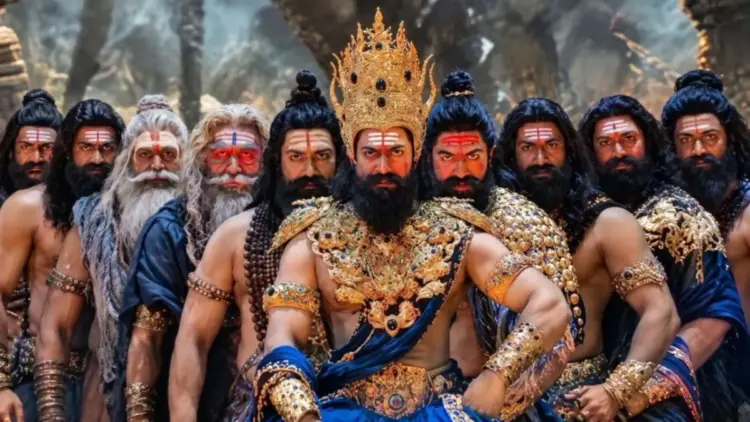
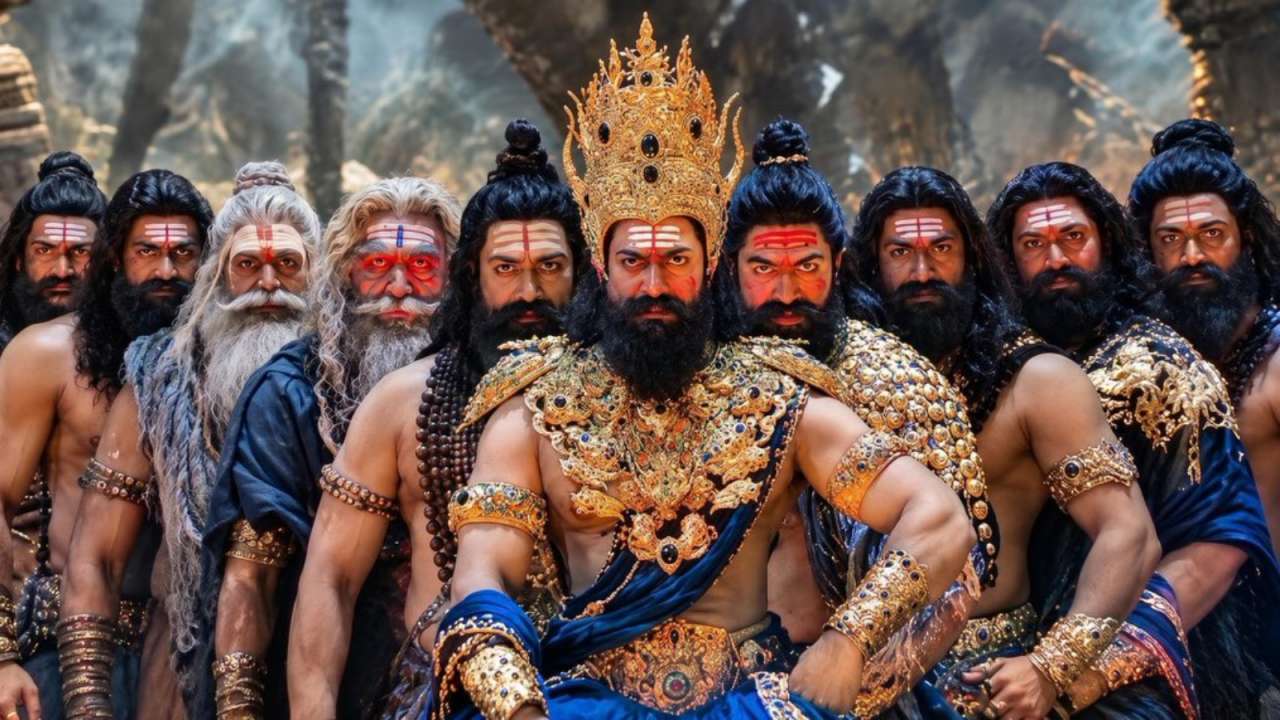
Perhaps the most incendiary accusation leveled by the VHP is the alleged glorification of Ravana, the antagonist of the Ramayana. Kumar stated that the film presents Ravana not as the embodiment of evil but as a figure who champions the oppressed. This portrayal, in the VHP’s view, is a grave misrepresentation that undermines the moral framework of the epic and the widely held reverence for Lord Rama as "Maryada Purushottam" – the ideal man.

"This is part of a conspiracy to undermine the faith of Indians and attack the religious beliefs of Hindu society," Kumar declared, reiterating that Lord Ram stands as an exemplary figure for all. The VHP views the portrayal of Ravana as a savior as a direct affront to the core values of Hinduism.
H3: Questioning the Censor Certificate

The VHP has also expressed strong reservations about how "Ramayana: Part One" obtained its censor certificate. Kumar questioned the certification process, suggesting that attempts to undermine religious beliefs should not pass regulatory scrutiny. The organization is actively examining the legal framework, specifically the Cinematograph Act, to determine the grounds for challenging the film’s certification.
"Attempts to undermine religious beliefs could attract legal action for promoting enmity, inciting conflict, and hurting religious sentiments," Kumar warned. He urged the public to exercise caution and stated the VHP’s commitment to approaching the government to seek a ban on the film’s exhibition.

Echoing these sentiments, VHP general secretary Bajrang Lal Bagra criticized the alleged distortion of events, asserting that the film promotes a "political narrative" that has deeply offended the sentiments of millions of Hindus. "Society will never accept such attempts to play with the sentiments of the Hindu community," Bagra stated firmly.
Chronology of the Controversy
While the specific timeline of the VHP’s review and subsequent public announcement is not detailed in the provided text, the controversy has emerged during the film’s highly successful theatrical run. The VHP’s actions suggest a considered review process followed by a decisive public stance.

- Film Release and Initial Success: "Ramayana: Part One" was released and quickly garnered significant box office attention and critical acclaim for its ambitious scale and production.
- VHP Internal Review: The Vishwa Hindu Parishad conducted a thorough review of the film.
- Public Allegations and Demands: The VHP publicly announced its objections, alleging distortion and glorification, and declared its intention to seek a ban and explore legal challenges.
- Ongoing Box Office Performance: Despite the controversy, the film continues to perform exceptionally well at the box office, indicating a divided public sentiment or a disconnect between the controversy and the audience’s viewing choices.
Supporting Data: The Film’s Box Office Triumph
The controversy surrounding "Ramayana: Part One" unfolds against the backdrop of its phenomenal commercial success. The ambitious epic has emerged as a major box office phenomenon, a testament to its widespread appeal.
- Domestic Collection: The film has reportedly collected close to ₹950 crore net in India.
- Worldwide Collection: Globally, the film has surpassed expectations, grossing over ₹1700 crore.
This remarkable financial performance highlights the significant audience interest in the project, even as it faces criticism from certain religious organizations. The success also underscores the considerable investment and marketing efforts behind the film, making any potential ban a complex proposition with significant economic implications.

Official Responses and Potential Implications
At the time of this report, there has been no official statement from the filmmakers, the actors, or the government regarding the VHP’s demands for a ban. The Ministry of Information and Broadcasting, responsible for film certification and regulation, has yet to address the allegations. Similarly, the producers of the film, Namit Malhotra and Nitesh Tiwari, along with the lead actors, have remained silent on the matter.
The implications of the VHP’s demands are multifaceted:

- Censorship Debate: A potential government intervention to ban the film would reignite the perennial debate surrounding freedom of expression versus the protection of religious sentiments in India.
- Legal Challenges: The VHP’s exploration of legal options could lead to protracted court battles, potentially impacting the film’s distribution and exhibition, even if a full ban is not imposed.
- Impact on Future Productions: The controversy could set a precedent, making filmmakers more cautious about adapting religious texts and potentially influencing creative liberties taken in future projects.
- Public Discourse: The demands for a ban are likely to fuel public discourse on the interpretation of religious epics in contemporary media and the role of religious organizations in shaping cultural narratives.
- Economic Repercussions: A ban, if enacted, would have significant economic consequences for the producers, distributors, and exhibitors, given the film’s substantial box office earnings and the already announced plans for "Ramayana: Part Two," slated for a Diwali 2028 release.
The VHP’s strong stance and their commitment to pursuing legal and governmental avenues suggest that this controversy is unlikely to fade away quickly. The coming weeks will be crucial in determining how the authorities and the film industry respond to these allegations, and what impact this will have on the future of cinematic adaptations of India’s rich cultural heritage.