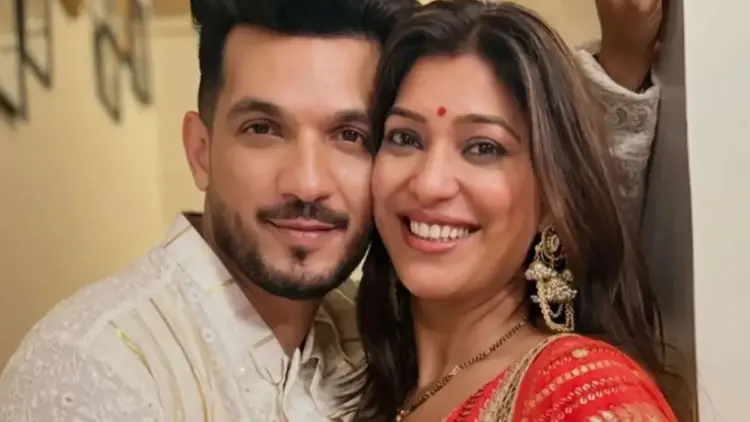
Television personality Arjun Bijlani finds himself at the center of a social media storm, as a clip from the reality show "Pati Patni Aur Panga 2" has sparked accusations of body-shaming his wife, Neha. However, Bijlani’s swift and robust defense has garnered significant attention, with many netizens expressing admiration for his stance on marital communication and his unwavering support for his wife. The incident highlights the fine line between playful banter and hurtful commentary in the public eye, particularly in the age of instant digital scrutiny.
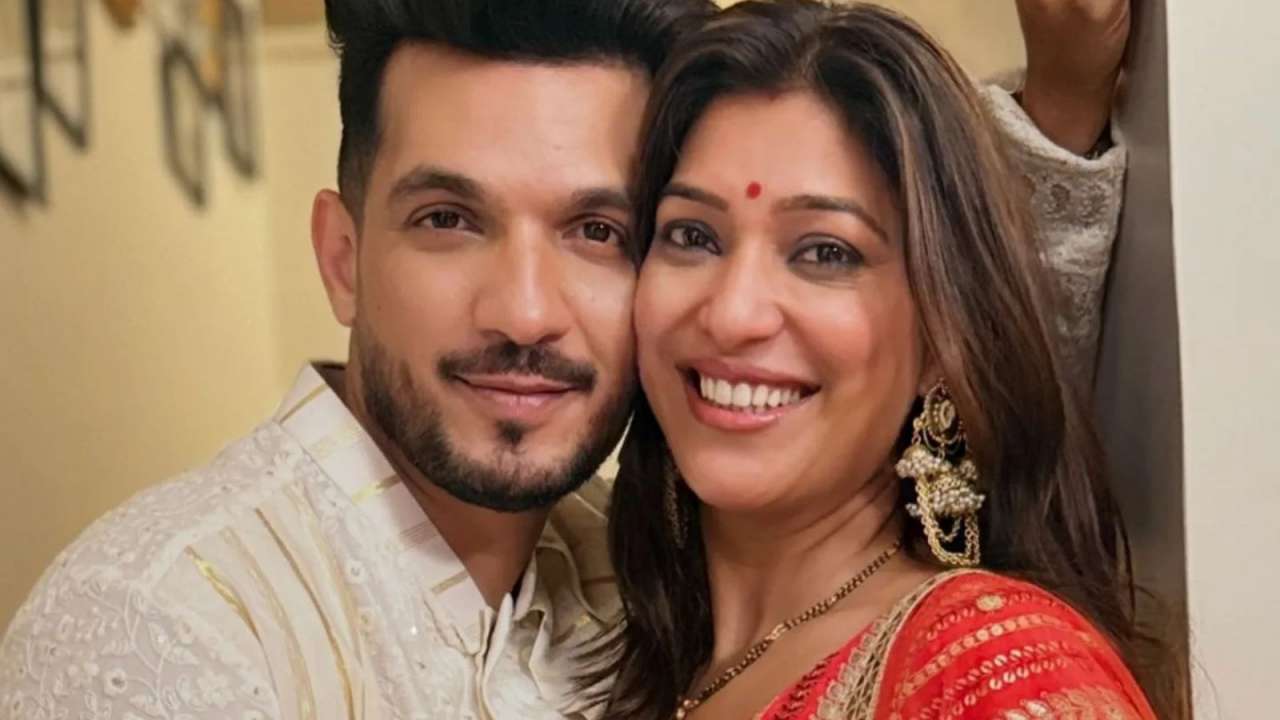
The Controversy Unfolds: A Viral Clip Sparks Outrage
The controversy ignited following the circulation of a video segment from "Pati Patni Aur Panga 2," a reality show that often delves into the dynamics of celebrity relationships. In the clip, Arjun Bijlani, known for his roles in popular Indian television series, is seen engaging in a conversation with the show’s host, Munawar Faruqui. The discussion, as reported, veered towards the food habits of his wife, Neha.
Bijlani’s remark, reportedly made in jest, stated: "Neha 8 ghante soti hogi, par 16 ghante charti rehti hai" (Neha probably sleeps for eight hours but keeps eating for sixteen). The accompanying visual showed Mrs. Bijlani appearing visibly uncomfortable with the comment. Fellow celebrity guest Divyanka Tripathi, present with her husband Vivek Dahiya, attempted to diffuse the situation by emphasizing that Neha’s eating habits were a shared experience for the group, even joining Neha for pizza later.

However, the seemingly lighthearted exchange was interpreted by a segment of the online audience as insensitive and a public display of body-shaming. The clip quickly went viral, attracting a barrage of criticism directed at Bijlani. Netizens expressed their dismay, questioning the actor’s choice of words and the appropriateness of such a comment about his wife on national television. The narrative of Bijlani "insulting his wife" gained traction, fueling the online backlash.

A Swift and Unapologetic Rebuttal: Bijlani’s Defense
In the face of mounting criticism, Arjun Bijlani did not shy away from addressing the accusations. He took to social media platform X (formerly Twitter) to issue a strong and unequivocal defense of his actions and intentions. His response was not only directed at the specific incident but also served as a broader commentary on marital communication and the nature of online scrutiny.

In a widely shared post, Bijlani articulated his perspective: "We spoke about food habits; I wasn’t body-shaming her. You look at everything from a negative lens. Me telling my wife about health and food habits is love, not anything else. I don’t care what others do in their life, but I do care and love my wife. So I will continue telling her what’s good for her, and she can do the same to me. That’s why we are together for 23 years. Haters, move on. Find something else on the net to comment on. Baaki Aapki ki marzi."

This statement, characterized by its directness and conviction, resonated with a significant portion of his followers and the general public. Bijlani framed his comment not as an insult, but as a genuine expression of care and concern for his wife’s well-being, a sentiment he believes is reciprocated in their long-standing relationship. He explicitly differentiated his intention from body-shaming, asserting that his words stemmed from a place of love and a desire for mutual health consciousness.

The Nuances of Marital Banter and Public Perception
The incident underscores the complex dynamics of humor within relationships, particularly when exposed to public interpretation. What might be understood as playful teasing or affectionate banter between two individuals in private can be misconstrued when aired on a public platform and subsequently dissected by a global audience.

Supporting Data and Online Reactions:

- The Viral Clip: The clip itself, shared across various social media platforms and news aggregators, became the focal point of the debate. Its virality amplified the reach of both the original comment and the subsequent reactions.
- Netizen Critiques: A significant number of tweets and comments expressed disapproval, with phrases like "insensitivity," "public humiliation," and "disrespectful" being frequently used. Some users pointed out Neha’s visible discomfort as evidence of the comment’s negative impact.
- Bijlani’s Supporters: Conversely, a substantial contingent of netizens lauded Bijlani’s response. They lauded his courage to speak out against what they perceived as unfair criticism and praised his transparent approach to marital communication. Comments like "Well said, Arjun!" and "This is what true love looks like!" appeared frequently.
- The "23 Years" Argument: Bijlani’s reference to his 23-year-long marriage was a key element of his defense. This longevity was presented as evidence of a strong, communicative, and mutually respectful relationship, where such discussions are part of their dynamic.
Expert and Public Opinion: A Divided House
The debate surrounding Arjun Bijlani’s comments has sparked discussions among relationship experts and the general public alike. While some defend Bijlani’s right to engage in private marital banter, others emphasize the importance of considering the impact of words, especially in a public forum.

Expert Perspectives (Hypothetical, based on common discourse):

- Positive Communication Advocate: Experts in positive communication might argue that while the intent might have been benign, the public nature of the comment and Neha’s visible discomfort suggest a need for greater awareness of how one’s words can be perceived. They might advise celebrities to be mindful of the audience and context when engaging in personal discussions on television.
- Relationship Dynamics Analyst: Analysts focusing on relationship dynamics could point to Bijlani’s defense as an example of a healthy, albeit publicly demonstrated, communication style within a long-term marriage. They might suggest that the ability to discuss sensitive topics like health and diet openly, even with lighthearted jabs, is a sign of trust and comfort between partners. The key, they would argue, is whether Neha felt genuinely hurt or if it was a momentary awkwardness in a playful exchange.
Public Opinion Split:

The public reaction has been notably divided, reflecting varying interpretations of the incident:

- The "Overreaction" Camp: This group believes that the backlash is an overreaction to a minor, lighthearted comment. They feel that Bijlani’s explanation is valid and that people are too quick to judge celebrities. They emphasize the long duration of his marriage as proof of a healthy relationship.
- The "Context Matters" Camp: This group acknowledges that while Bijlani’s intentions might have been good, the public setting and his wife’s reaction are important considerations. They advocate for a more sensitive approach to comments about physical appearance or habits, regardless of the relationship’s history. They might argue that even within a loving relationship, certain comments can be hurtful.
Implications and Future Considerations
The Arjun Bijlani incident serves as a salient reminder of the amplified scrutiny faced by public figures in the digital age. Every word, gesture, and interaction can be captured, dissected, and disseminated, leading to swift judgments and public opinion shifts.

Key Implications:

- The Power of Social Media: This event highlights the immense power of social media to shape narratives and hold individuals accountable, for better or worse. A single viral clip can trigger a widespread debate, influencing public perception.
- Celebrity Scrutiny: Celebrities are perpetually under a microscope, and their personal lives, even when presented in a controlled environment like a reality show, are subject to public interpretation and criticism.
- Defining "Body-Shaming": The incident reignites the ongoing conversation about what constitutes "body-shaming." While blatant insults are universally condemned, the lines can blur when it comes to playful teasing and comments about habits that could be perceived as related to physical appearance.
- The Importance of Intent vs. Impact: Bijlani’s defense focuses on his intent (love and care), while critics emphasize the impact of his words (discomfort and potential hurt). This highlights the perennial debate in communication studies and interpersonal relationships.
Looking Ahead:

For public figures like Arjun Bijlani, navigating the landscape of public opinion requires a delicate balance. While authenticity and genuine expression are valued, so too is an awareness of the potential impact of one’s words on a diverse and often critical audience. Bijlani’s confident defense suggests a belief in the strength of his marital bond and his ability to communicate openly with his wife. The internet’s reaction, however, indicates that the public will continue to weigh in on such matters, holding celebrities to a perceived standard of conduct, even in their personal interactions. The conversation, no doubt, will continue to evolve as media platforms and societal expectations continue to shift.