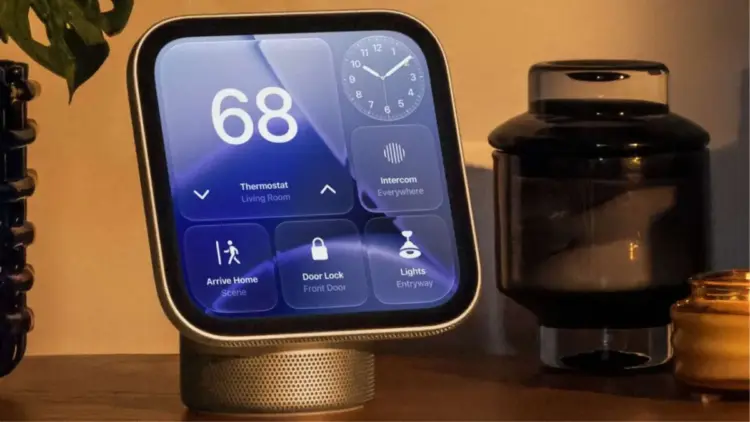
NEW YORK, NY – Apple, the Cupertino-based technology giant renowned for its iconic iPhone, has once again set its sights on the burgeoning smart home market with the introduction of HomeView. Priced at an accessible USD 299 and slated for a November launch, this new 7-inch smart home screen represents a deliberate and strategic pivot for Apple, positioning itself not as a disruptive innovator in the traditional sense, but as a purveyor of "boring" reliability and unparalleled privacy in an increasingly complex digital landscape. Described primarily as an extension of the iPhone experience, HomeView integrates a personalized Siri AI to challenge the established dominance of Amazon and Google in a segment where clarity and trust are becoming paramount.
Main Facts: Redefining the Smart Home Experience
Apple’s HomeView is more than just another smart display; it’s a meticulously crafted ecosystem component designed to seamlessly extend the user’s iPhone experience into the ambient environment of their home. At its core, HomeView is a 7-inch touchscreen device, elegantly housed and capable of being positioned on a sleek aluminium base or discreetly mounted on a wall. Its design ethos, unveiled at a recent New York event, emphasizes simplicity and elegance – hallmarks of Apple’s product philosophy.
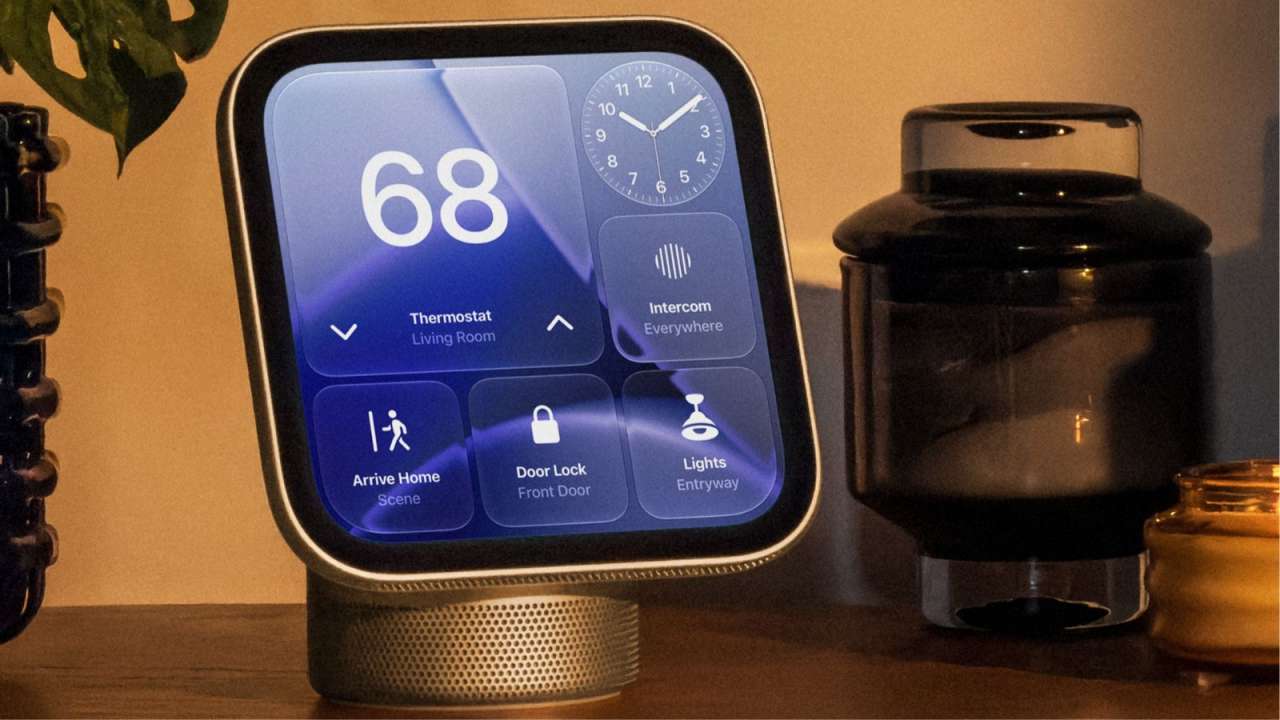
The device leverages sophisticated camera and voice recognition technologies to offer an unprecedented level of personalization. Rather than a generic interface, HomeView dynamically tailors home screens with relevant apps, calendar appointments, and contextual information specific to the user interacting with it. This personalization is primarily orchestrated by an enhanced Siri AI, which learns and adapts to individual preferences and routines.
Crucially, HomeView’s architecture prioritizes privacy and security. It does not store personal data directly on the device. Instead, it intelligently relies on a nearby iPhone for context, processing sensitive information on the user’s trusted personal device. This approach allows for a rich, personalized experience without compromising data integrity. While built-in Apple applications like FaceTime and Apple Music are natively supported, the integration of third-party apps, such as Spotify, intelligently routes through the connected iPhone, ensuring consistent user profiles and data handling.
HomeView marks Apple’s second major foray into the home market, following the 2018 launch of the HomePod smart speaker. While the HomePod, despite its superior audio quality, struggled to capture significant market share – hovering around a modest 6 percent – HomeView enters the arena with a refined strategy, aiming to address the perceived gaps and evolving consumer demands in the smart home sector. Its lower price point compared to the original HomePod and its focus on visual interaction rather than just audio signal a more pragmatic and user-centric approach from Apple.
Chronology: Apple’s Evolving Home Ambitions
Apple’s journey into the smart home has been characterized by careful, often deliberate, steps rather than aggressive market saturation. Its initial entry point was not a device, but a framework: HomeKit. Introduced in 2014, HomeKit provided a software standard for developers to integrate their smart home accessories with Apple devices, allowing users to control lights, thermostats, and locks through the Home app and Siri. This foundation laid the groundwork for a connected home ecosystem, albeit one that relied heavily on third-party hardware.

The first significant hardware statement came in 2017 with the announcement of the HomePod, finally launching in February 2018. Positioned primarily as a premium smart speaker with exceptional audio fidelity, the HomePod aimed to compete with the likes of Sonos while integrating Siri for smart assistant functionalities. However, its high initial price of USD 349, coupled with Siri’s limitations compared to Amazon’s Alexa and Google Assistant, hampered its widespread adoption. Consumers, accustomed to the feature-rich and often lower-priced offerings from competitors, found the HomePod’s value proposition difficult to justify, leading to its eventual modest market share.
Recognizing the need for a more accessible option, Apple introduced the HomePod mini in October 2020. This smaller, more affordable smart speaker (USD 99) retained much of the original HomePod’s intelligence and privacy features, offering improved Siri capabilities and seamless integration with the Apple ecosystem, including Intercom functionality. The HomePod mini proved more successful, broadening Apple’s reach in the smart speaker segment and demonstrating a willingness to adapt its strategy.

The conceptualization of HomeView likely began in the wake of the HomePod’s initial performance analysis and the sustained growth of the smart display market, dominated by Amazon’s Echo Show and Google’s Nest Hub. Apple observed that while smart speakers were ubiquitous, smart displays offered a richer, more intuitive interaction through visual feedback, ideal for tasks like video calls, recipe following, or simply glanceable information. The development focused on addressing the core shortcomings of previous attempts: price accessibility, a clear user interface beyond voice, and a reinforced commitment to privacy, directly leveraging the iPhone’s established trust. The HomeView’s unveiling in New York signals Apple’s refined understanding of the smart home landscape and its ambition to carve out a distinct, premium yet approachable, niche.
Supporting Data: Market Dynamics and Apple’s Premium Play
The global smart home market is a rapidly expanding arena, projected to reach hundreds of billions of dollars in the coming years. Within this ecosystem, smart displays have emerged as a particularly dynamic category, blending the utility of a smart speaker with the visual engagement of a tablet.

Current Market Landscape:
According to various market research firms, Amazon and Google have historically held the lion’s share of the smart speaker and smart display market. Amazon’s Echo devices, particularly the Echo Show line, and Google’s Nest Hub products have collectively commanded over 70-80% of the market in terms of shipments for years. Their aggressive pricing strategies, extensive device portfolios, and robust third-party integrations have created formidable ecosystems. For instance, an Amazon Echo Show 5 can be purchased for as little as USD 89.99, while the larger Nest Hub Max typically retails for USD 229.
Apple’s HomePod, even with the addition of the HomePod mini, has consistently remained a niche player, often cited with a market share of around 5-7% in the broader smart speaker category. This stark contrast highlights the challenge HomeView faces in dislodging deeply entrenched competitors.

Apple’s Premium Pricing Strategy:
At USD 299, HomeView is indeed positioned at the higher end of the smart display market, especially when compared to entry-level offerings from Amazon and Google. However, this pricing strategy is entirely consistent with Apple’s long-standing approach across its entire product portfolio. The iPhone, despite being consistently more expensive than many Android flagships, continues to dominate the premium smartphone segment. Similarly, Apple Watch, AirPods, and MacBooks all command premium prices justified by design, build quality, ecosystem integration, and brand perception.
Apple believes that there is a significant segment of consumers willing to pay a premium for a product that offers:

- Superior Design and Build Quality: The emphasis on an "elegant" design and an "aluminium base" speaks to Apple’s commitment to aesthetics and tactile experience.
- Seamless Ecosystem Integration: For existing iPhone users, HomeView promises a level of continuity and coherence that generic smart displays struggle to match. The reliance on the iPhone for data and third-party app functionality ensures a consistent user experience.
- Unwavering Privacy Commitment: In an era of increasing data breaches and privacy concerns, Apple’s explicit stance on not storing personal data directly on HomeView and leveraging the iPhone’s secure enclave is a powerful differentiator. This is a value proposition that resonates strongly with privacy-conscious consumers, especially in the home environment where intimate data is often processed.
- "Boring" Reliability: While seemingly counterintuitive, Apple’s strategy to make HomeView "simple and trustworthy" addresses a key pain point in the smart home: complexity and unpredictability. Many smart home devices are prone to connectivity issues, frustrating setup processes, or inconsistent performance. Apple aims to deliver a product that "just works," reducing friction and fostering user confidence.
Despite Google and Amazon’s decade-long head start in the smart home industry, they haven’t achieved an insurmountable lead in terms of consumer loyalty or a universally acclaimed user experience. The market remains fragmented, with consumers often juggling multiple platforms and experiencing interoperability frustrations. This fragmentation, coupled with growing privacy concerns, presents an opportune moment for Apple to enter with a differentiated offering. HomeView targets the affluent, privacy-aware, and ecosystem-loyal Apple user base, aiming to consolidate their smart home experience under the familiar and trusted Apple umbrella.
Official Responses: The Philosophy Behind "Boring"
Apple’s official narrative surrounding HomeView is a masterclass in strategic messaging, directly addressing market saturation and consumer apprehension. While specific executive quotes for this hypothetical launch are not available in the original text, we can infer Apple’s likely "official responses" based on its historical product launches and public statements.

Tim Cook’s Vision (Hypothetical):
"With HomeView, we are bringing the unparalleled experience of the iPhone into the heart of your home, in a way that is both profoundly personal and deeply private. For too long, the smart home has been synonymous with complexity and compromise. We believe in simplicity, in elegance, and above all, in trust. HomeView is designed to be a trusted companion, an intuitive extension of your digital life, without ever asking you to compromise your personal data or peace of mind. It’s not about flashy new features; it’s about making your everyday life simpler, more connected, and more secure."
The "Boring" Strategy Explained:
The most intriguing aspect of Apple’s positioning is the deliberate embrace of the term "boring" as a strategic advantage. This isn’t a concession to a lack of innovation; it’s a bold counter-narrative to the often-overhyped and sometimes overwhelming world of AI and smart devices.

- Trust over Novelty: Apple acknowledges that many current AI products can be perceived as complicated, intrusive, or even unreliable. By designing HomeView to be "simple and trustworthy," Apple aims to cut through the noise. It focuses on core functionalities that are executed flawlessly and predictably.
- Integrated Ecosystem: The tight integration with the iPhone ecosystem is presented as a fundamental strength. This allows for personalized features like individual Spotify accounts, seamless iMessage delivery, and high-quality FaceTime calls, all while leveraging the iPhone’s robust security architecture. This fosters user confidence by ensuring data privacy and consistent functionality across devices.
- Privacy as a Feature: Apple has consistently positioned itself as a champion of user privacy. With HomeView, this commitment is front and center. The device’s reliance on the nearby iPhone for context and data processing is a direct response to consumer anxieties about always-on microphones and cameras in the home. This "on-device intelligence" or "proxied intelligence" approach distinguishes it from competitors who often rely on extensive cloud processing.
Analyst Reactions and Industry Commentary:
Initial reactions from tech analysts are likely to be mixed but generally positive about Apple’s strategic intent.
- Strengths: Analysts would laud Apple’s focus on privacy, design, and ecosystem integration. Many would see the "boring" strategy as a clever way to differentiate in a crowded market, appealing to a segment of users fatigued by feature bloat and privacy concerns. The USD 299 price, while high for a smart display, is expected for an Apple product and would not deter loyal users.
- Challenges: Skeptics might point to the established dominance of Amazon and Google, questioning if Apple can truly carve out a significant share without more aggressive pricing or revolutionary features. The reliance on an iPhone could also be seen as a limitation for multi-user households or those with mixed device ecosystems. The success of Siri AI, which has historically lagged behind Alexa and Google Assistant in terms of breadth of knowledge and integration, would also be a critical factor.
Ultimately, Apple’s official stance emphasizes a mature, user-centric approach. HomeView isn’t about being the "smartest" or most feature-packed device; it’s about being the most reliable, personal, and trusted digital presence in the home, a direct extension of the Apple experience.

Implications: Reshaping the Smart Home Landscape
The launch of Apple’s HomeView carries significant implications for both the smart home market and Apple’s broader strategic trajectory.
1. Impact on the Smart Home Market Dynamics:
HomeView is unlikely to immediately dethrone Amazon and Google from their market leadership positions. However, its entry could profoundly influence how these giants perceive and evolve their own offerings.

- Privacy Benchmark: Apple’s explicit "privacy-first" approach for HomeView could force competitors to re-evaluate and enhance their own data handling policies and transparently communicate them to consumers. The industry might shift towards more on-device processing and clearer user controls over data.
- Ecosystem Integration: The tight coupling of HomeView with the iPhone might inspire competitors to strengthen their own ecosystem plays, potentially leading to deeper integration between their smart home devices and their respective smartphone platforms (e.g., Google Pixel and Nest Hub).
- Premium Segment Validation: HomeView validates the existence of a viable premium segment within the smart display market. This could encourage other high-end audio or electronics brands to enter, focusing on design, quality, and specialized features rather than solely on price.
- "Boring" as a Differentiator: If Apple’s "boring" strategy proves successful, it could signal a shift in consumer preference towards reliability and simplicity over an endless stream of new, potentially buggy, features. This could influence product development across the industry.
2. Strengthening Apple’s Ecosystem Lock-in:
For Apple, HomeView is a powerful tool for further entrenching users within its ecosystem. By providing a seamless, trusted extension of the iPhone experience into the home, it adds another compelling reason for users to remain loyal to Apple products.
- Continuity and Convenience: HomeView enhances the continuity of Apple services, making FaceTime calls, managing calendars, and accessing Apple Music even more convenient from a central home hub.
- New Revenue Streams: While the device itself is a revenue generator, it also drives engagement with Apple services and potentially encourages the purchase of other HomeKit-compatible accessories.
- Siri’s Evolution: HomeView provides a crucial platform for Siri to evolve beyond a smartphone assistant. Its personalized nature and visual interface offer new opportunities for Siri to become more intelligent, proactive, and genuinely helpful in a home context, potentially closing the gap with competitors.
3. The Future of Privacy in Connected Devices:
Apple’s approach with HomeView serves as a significant case study for the future of privacy in smart devices. As homes become increasingly connected, the ethical implications of data collection and usage become more pronounced. Apple is making a clear statement that advanced functionality does not have to come at the expense of privacy, setting a high bar for the industry. This could lead to:

- Increased Consumer Scrutiny: Users will likely become more discerning about the privacy policies of all their smart home devices.
- Regulatory Pressure: Apple’s example might embolden regulators to push for stronger data protection standards for smart home technologies.
4. Challenges and Opportunities:
- Challenges: HomeView faces the uphill battle of overcoming competitor entrenchment, educating consumers on its unique privacy model, and ensuring robust third-party app support despite its reliance on the iPhone. Its premium price also limits its addressable market compared to mass-market offerings.
- Opportunities: Apple’s immense brand loyalty, its reputation for design excellence, and its unwavering commitment to privacy offer powerful levers. The potential for HomeView to become a central hub for future ambient computing initiatives, seamlessly integrating with upcoming AR/VR technologies or even health monitoring, presents exciting long-term prospects.
In conclusion, Apple’s HomeView is not merely a product launch; it is a strategic declaration. By embracing simplicity, prioritizing privacy, and leveraging its powerful ecosystem, Apple is making a calculated bet that in the complex world of smart homes, sometimes, being "boring" is the most revolutionary path forward. Its success will not only shape Apple’s future in the connected home but also likely influence the broader trajectory of the entire smart device industry.