Mumbai, India & Islamabad, Pakistan – As anticipation builds for the global release of the Pakistani drama "Jo Bachay Hain Sang Samait Lo" on Netflix, a resurfaced photograph featuring actor Hamza Ali Abbasi alongside Hafiz Saeed, the designated terrorist and founder of Lashkar-e-Taiba, has ignited a firestorm of controversy. The image, coupled with Abbasi’s past supportive remarks about Saeed, has left Indian audiences and netizens deeply miffed, prompting widespread condemnation and calls for Netflix to reconsider its platforming decisions.
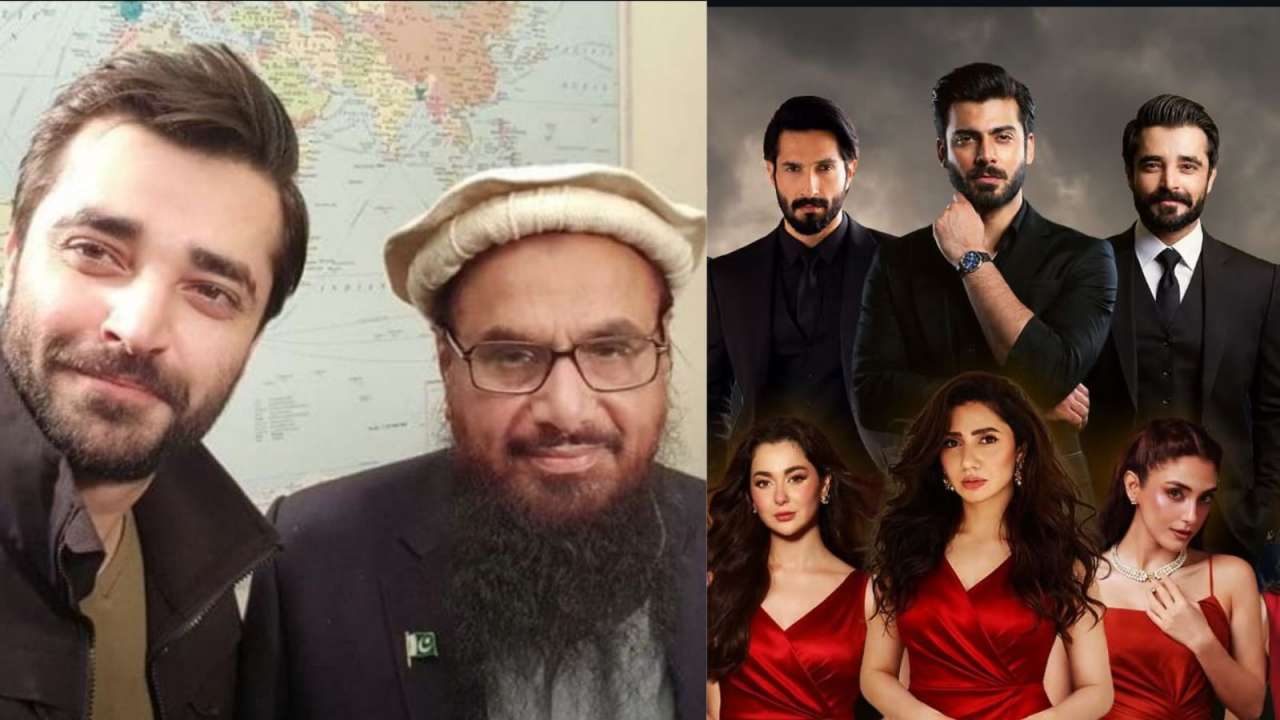
The drama, slated for a December 4th release on the streaming giant, has become an unexpected focal point of geopolitical tensions and public scrutiny due to this revelation. While the show itself is the intended subject of media attention, the controversy surrounding one of its lead actors has overshadowed its impending debut, raising serious questions about due diligence and content moderation on global streaming platforms.
The Controversial Photograph and Hamza Ali Abbasi’s Past Statements
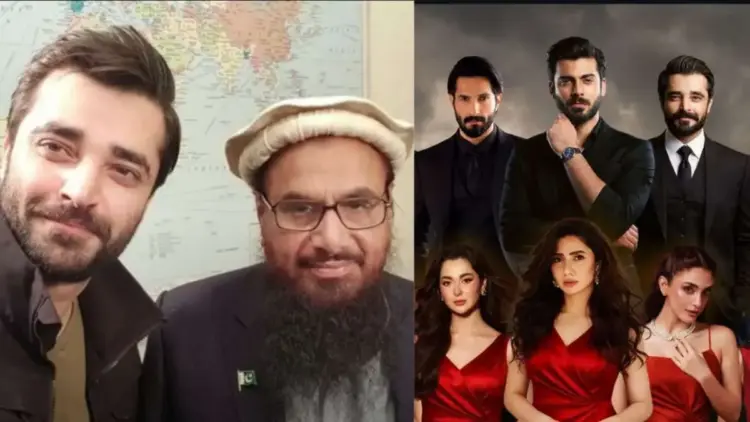
The photograph in question, originally shared by Hamza Ali Abbasi on December 31, 2017, depicts the actor in conversation with Hafiz Saeed. What has particularly incensed many is Abbasi’s accompanying caption, in which he described Saeed as "one of the nicest, most polite ppl I have met who promotes religious tolerance & humanity. He is also, unfortunately, the most misunderstood man in Pakistan right now." Abbasi further stated that he had the "pleasure of interviewing him again to clarify the propaganda abt him."

This description stands in stark contrast to the international perception of Hafiz Saeed, who is widely recognized as the mastermind behind numerous terrorist attacks, including the devastating 2008 Mumbai assaults that claimed the lives of 166 people. The United Nations Security Council has designated Lashkar-e-Taiba as a terrorist organization, and Saeed himself carries a bounty of $10 million from the U.S. Department of State for his involvement in terrorism.

Abbasi’s attempt to portray Saeed as a misunderstood figure promoting tolerance and humanity has been met with widespread disbelief and anger, particularly in India, which has been a direct victim of Saeed’s terror campaigns. Netizens have vehemently questioned Netflix’s vetting process, with many expressing shock and disappointment that a platform as influential as theirs would feature an artist with such perceived ties to a globally condemned terrorist.

Public Outcry and Calls for Cancellation
The resurfaced image and Abbasi’s comments have triggered a torrent of online criticism, with the hashtag #BoycottNetflix and #JoBachayHainSangSamaitLo trending on various social media platforms. Indian subscribers of Netflix have been particularly vocal, lambasting the streaming service for providing a platform to a Pakistani production that features an actor who has, in their view, shown support for a known terrorist.

"Netflix, did you check who you are giving the platform to?" questioned one irate user on Twitter. Another expressed outrage, stating, "He has always supported terrorism. Shame on Indians who are supporting him." The sentiment was echoed by many who felt that the platform was disregarding the victims of terrorism and the deep-seated pain caused by Saeed’s actions.

A particularly poignant comment highlighted the gravity of the situation: "His past statements deserve answers. India’s 26/11 victims deserve to be remembered. And Netflix must be prepared to face legitimate questions about the people it puts on its global platform." This sentiment underscores the emotional and historical context that fuels the anger, linking the actor’s past associations directly to the suffering of victims and their families.

The demand for cancellation extends beyond mere online venting. There are growing calls for Netflix to conduct a thorough review of its content acquisition policies and to exercise greater caution in selecting projects and talent, especially when dealing with productions from regions with a history of cross-border terrorism. The perceived lack of due diligence on Netflix’s part is seen as a significant oversight that undermines its commitment to responsible content curation.

Chronology of Events and Public Reaction
The timeline leading to the current controversy can be traced back to Hamza Ali Abbasi’s 2017 social media post. While the image and caption may have existed for years, their virality and the subsequent public outcry have been amplified by the impending release of "Jo Bachay Hain Sang Samait Lo" on a global platform like Netflix.

- December 31, 2017: Hamza Ali Abbasi shares a photograph with Hafiz Saeed on social media, accompanied by remarks praising Saeed and describing him as "misunderstood."
- Early November 2023: As Netflix announces the upcoming release of "Jo Bachay Hain Sang Samait Lo," the old photograph and Abbasi’s accompanying statements begin to resurface and gain traction online.
- Mid-November 2023 onwards: The controversy escalates with a significant surge in online discussions, particularly on Indian social media platforms. Hashtags related to boycotting Netflix and condemning the show gain momentum.
- Late November 2023: News outlets, including DNA India, report on the viral photograph and the ensuing outrage, further amplifying the issue. The date of the show’s release, December 4, 2023, becomes a focal point for the public’s anticipation of Netflix’s response.
The speed at which this story has gained traction highlights the interconnectedness of global media and the power of social media in shaping public opinion and influencing corporate decisions. What might have been a relatively contained incident in 2017 has now become a major PR crisis for Netflix due to the international reach of its platform.

Supporting Data and Contextual Information
To understand the depth of the outrage, it’s crucial to consider the context surrounding Hafiz Saeed and the impact of terrorism on India.

- Hafiz Saeed’s Terrorist Designations: Saeed is listed as a Specially Designated Global Terrorist by the U.S. Department of the Treasury and is a subject of UN sanctions. His organization, Lashkar-e-Taiba, is responsible for numerous attacks in India, including the 2001 Indian Parliament attack, the 2006 Mumbai train bombings, and the aforementioned 2008 Mumbai attacks.
- Impact of the 2008 Mumbai Attacks: The 26/11 attacks were a series of coordinated shootings and bombings that lasted for four days, resulting in the deaths of 166 people, including foreign nationals, and injuring hundreds more. These attacks deeply scarred the Indian psyche and remain a painful reminder of the human cost of terrorism.
- Pakistani Actors and Indian Sentiment: Historically, there has been a complex relationship between Indian entertainment industries and Pakistani artists. Following major terror attacks attributed to Pakistan-based groups, there have been periods of heightened tension and calls to ban Pakistani artists from working in India. The current controversy taps into this existing sensitivity.
- Netflix’s Global Reach: Netflix operates in over 190 countries and boasts a subscriber base of over 247 million paid memberships globally. Its decision to feature content with actors who have faced such accusations has far-reaching implications for its brand image and its relationship with audiences worldwide.
The juxtaposition of Hamza Ali Abbasi’s past statements with the ongoing suffering caused by terrorism creates a potent cocktail of public anger. The perceived insensitivity of the actor’s past remarks, coupled with the platforming of his work by a global entity, has amplified the demand for accountability.

Official Responses and Lack Thereof
As of the writing of this article, neither Netflix nor Hamza Ali Abbasi has issued a formal statement addressing the resurfaced photograph and the ensuing controversy. This silence from both parties has only fueled further speculation and frustration among netizens.

- Netflix: The streaming giant has a policy of not commenting on ongoing content acquisition or specific user feedback. However, the scale of the backlash and the potential reputational damage might compel them to reconsider their stance. Their silence could be interpreted as an attempt to let the situation de-escalate, or it could signify a lack of immediate action.
- Hamza Ali Abbasi: Abbasi, known for his outspoken nature, has not yet commented on the viral photograph or the renewed criticism. His previous statements suggest a belief in his own perspective, but the current intensity of the backlash might necessitate a more considered response.
The absence of official responses leaves a void that is being filled by public speculation and demands. The onus is now on Netflix to clarify its content vetting procedures and on Abbasi to address his past remarks in light of the widespread condemnation.

Implications for Netflix and the Entertainment Industry
The controversy surrounding Hamza Ali Abbasi and "Jo Bachay Hain Sang Samait Lo" carries significant implications for Netflix and the broader entertainment industry:
- Content Due Diligence: This incident highlights the critical need for rigorous due diligence in selecting talent and content, especially for global platforms that reach diverse audiences with varying sensitivities. The ease with which past social media activity can resurface means that platforms must be proactive in their vetting processes.
- Reputational Risk: Netflix, as a global brand, faces substantial reputational risk when associated with controversial figures or content that offends large segments of its audience. The current backlash could lead to subscriber churn and damage its carefully cultivated image.
- Geopolitical Sensitivity: The entertainment industry is increasingly intertwined with geopolitical realities. Decisions about content and talent can have unintended consequences and spark diplomatic or public relations crises. Platforms need to navigate these sensitivities with greater awareness.
- Future Content Acquisition: This controversy may prompt Netflix and other streaming services to re-evaluate their content acquisition strategies, potentially leading to stricter guidelines for talent and a more thorough examination of their backgrounds.
- Actor Accountability: The incident also places a spotlight on the accountability of actors and public figures for their past statements and associations. The digital footprint is permanent, and public figures must be mindful of the long-term implications of their pronouncements.
As "Jo Bachay Hain Sang Samait Lo" approaches its release date, the shadow of this controversy looms large. The decision of how Netflix and Hamza Ali Abbasi choose to address this situation will undoubtedly set a precedent for how similar issues are handled in the future, impacting not only the show’s reception but also the broader landscape of global entertainment and its ethical considerations. The world is watching to see if Netflix will prioritize responsible curation and address the legitimate concerns of its global audience.