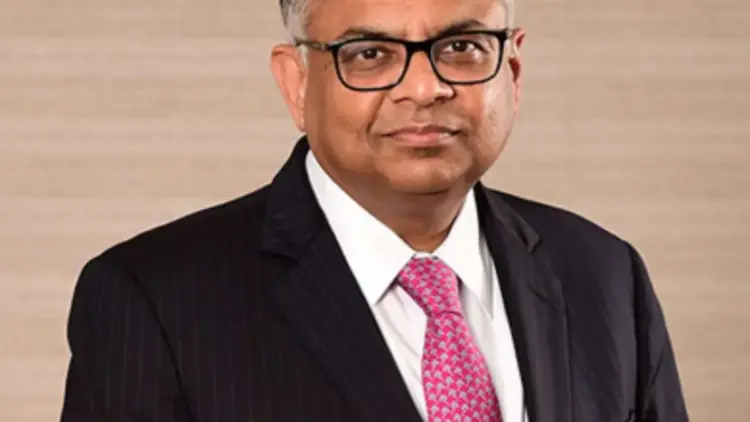
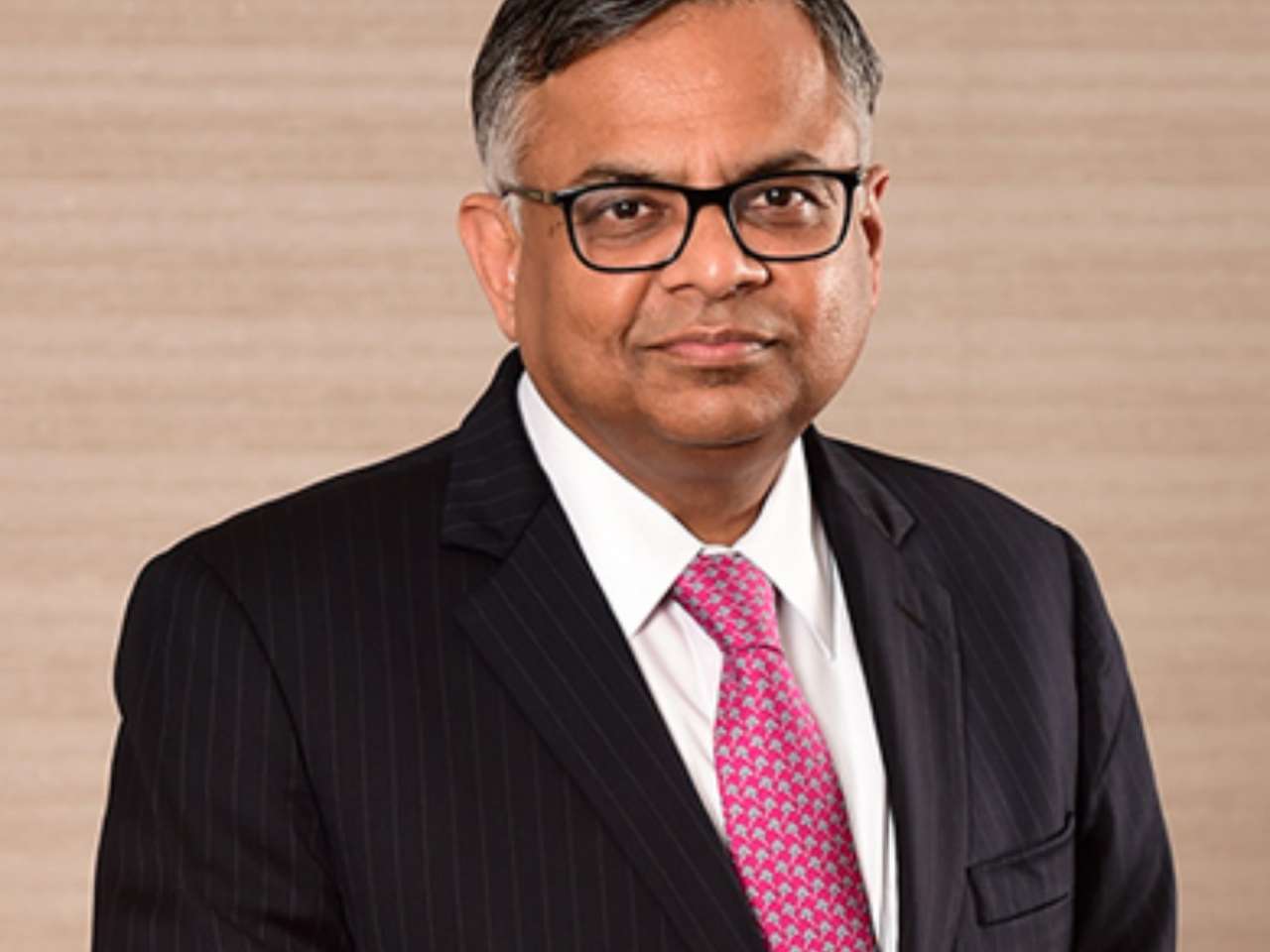
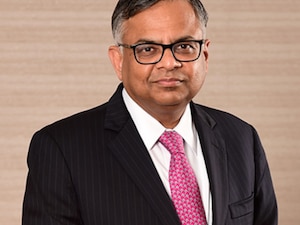
Mumbai, India – India’s venerable Tata Group, a conglomerate synonymous with industrial might and ethical business practices, finds itself once again at the epicentre of a high-stakes boardroom battle. In a dramatic escalation, the Tata Trusts, the majority shareholders of the group’s holding company, Tata Sons, have approached the Bombay High Court, directly challenging the reappointment of N Chandrasekaran as Executive Chairman for a third term. This unprecedented legal manoeuvre not only casts a shadow over the leadership stability of the sprawling empire but also threatens to derail critical strategic decisions, including the highly anticipated initial public offering (IPO) of Tata Sons.
The move by the Trusts signals a profound breakdown in consensus at the very pinnacle of the group, echoing past corporate governance controversies that have plagued the salt-to-software conglomerate. Beyond seeking to annul Chandrasekaran’s third term, the Trusts have also petitioned the court to restrain him from exercising his crucial casting vote during the upcoming board meeting on November 30. This meeting is slated to address, among other things, the contentious proposal of taking Tata Sons public – a move that could unlock immense value but also fundamentally alter the group’s ownership dynamics and control structures. Adding another layer of gravity to their challenge, two prominent Trusts, Sir Dorabjee Tata Trust and RD Tata Trust, have sought substantial damages of Rs 50 crore and Rs 15 crore, respectively, from Chandrasekaran.
The legal offensive by the Trusts, which collectively hold over 66% equity in Tata Sons, underscores deep-seated disagreements over leadership, strategy, and corporate governance. For a group that prides itself on stability and long-term vision, this public display of discord signals a period of intense uncertainty and scrutiny, both domestically and internationally.
A Chronology of Conflict: Echoes of Past Battles
The current legal challenge, while specific to N Chandrasekaran’s third term, cannot be viewed in isolation. It unfolds against a backdrop of complex corporate governance debates and past boardroom upheavals that have profoundly shaped the Tata Group’s recent history.
2016: The Ouster of Cyrus Mistry and the Dawn of a New Era
The most significant precedent for the current crisis was the dramatic removal of Cyrus Mistry as Chairman of Tata Sons in October 2016. Mistry, who had succeeded Ratan Tata in 2012 as the first non-Tata family chairman in over 70 years, was unceremoniously ousted, leading to a bitter and protracted legal battle. The Mistry family, through their Shapoorji Pallonji (SP) Group, held an 18.4% stake in Tata Sons and accused the Trusts of undermining corporate governance, interfering in operational decisions, and acting against the interests of minority shareholders. The dispute highlighted the unique power structure of the Tata Group, where the philanthropic Trusts wield immense influence through their majority stake, often seen as guardians of the group’s ethos and long-term vision.
Ratan Tata, then Chairman Emeritus, stepped in as interim chairman following Mistry’s removal, initiating a global search for a new leader.

2017: Chandrasekaran’s Ascent and First Term
In January 2017, Natarajan Chandrasekaran, then the CEO and MD of Tata Consultancy Services (TCS), was appointed Executive Chairman of Tata Sons. His appointment was widely seen as a strategic move to bring stability and a fresh perspective, particularly given his stellar track record at TCS, a jewel in the Tata crown. Chandrasekaran’s initial term focused on consolidating the group’s diverse portfolio, divesting non-core assets, and deleveraging balance sheets. His leadership was credited with steering the group through a challenging period post-Mistry’s exit and delivering improved financial performance across many verticals.
2017-2021: The Mistry-Tata Legal Saga
The legal battle with Mistry’s SP Group continued for years, traversing various judicial forums including the National Company Law Tribunal (NCLT), the National Company Law Appellate Tribunal (NCLAT), and ultimately the Supreme Court of India. Key issues debated included the rights of minority shareholders, the powers of the majority shareholder (Tata Trusts), and the fundamental principles of corporate governance in India’s large, family-controlled conglomerates. While the Supreme Court eventually ruled in favour of Tata Sons and the Trusts in March 2021, upholding Mistry’s removal, the prolonged legal tussle brought unprecedented scrutiny to the group’s internal workings and governance structures.

2022: Reappointment for a Second Term
Following the Supreme Court’s verdict and a period of relative stability, Chandrasekaran was reappointed as Executive Chairman for his second five-year term in February 2022. This reappointment was widely celebrated within the group and by market analysts, signaling continuity and confidence in his leadership. At the time, the decision was seen as a unanimous endorsement, solidifying his position at the helm.
2023: The Seeds of Discontent and the Third Term Challenge
While the exact reasons for the Trusts’ sudden challenge to Chandrasekaran’s third term – which would typically commence after the completion of his current second term – remain to be fully disclosed in the public domain, the legal filing indicates a deep rift. It suggests that underlying disagreements, possibly related to strategic direction, asset management, capital allocation, or even the proposed IPO, have festered to the point where judicial intervention is deemed necessary. The fact that the Trusts have taken such a drastic step, reminiscent of the Mistry era, signals a breakdown in the crucial relationship between the holding company’s leadership and its majority owners. The move to block his casting vote, in particular, points to an expectation of severe dissent among the nominee directors on the board.

Supporting Data and Strategic Context
To understand the full gravity of this situation, it is essential to delve into the structural and strategic underpinnings of the Tata Group and the specific demands made by the Trusts.
The Structure of Tata Group: Tata Sons and Tata Trusts
Tata Sons is the principal holding company and promoter of over 100 Tata Group companies, spanning diverse sectors such as technology (TCS), automotive (Tata Motors), steel (Tata Steel), consumer products (Tata Consumer Products), and hospitality (Indian Hotels). Its unlisted status has long been a subject of discussion, with its valuation often estimated to be in the tens of billions of dollars, primarily driven by its holdings in listed entities, most notably TCS.

Crucially, over 66% of the equity capital of Tata Sons is held by philanthropic trusts, primarily the Sir Dorabji Tata Trust and the Ratan Tata Trust. These trusts are mandated to promote public welfare, education, healthcare, and art. This unique ownership structure means that the vast profits generated by the Tata Group companies ultimately flow to these trusts, which then channel them towards charitable causes. This "trusteeship" model is a cornerstone of the Tata ethos, and the Trusts often see themselves as custodians of the group’s values and long-term legacy, rather than mere financial investors. Any challenge by the Trusts is, therefore, framed as a move to protect the core interests and values of the entire conglomerate.
N Chandrasekaran’s Tenure and Achievements
During his tenure, N Chandrasekaran has been lauded for several strategic achievements:

- Portfolio Rationalization: He has overseen the sale of some non-performing assets and focused on streamlining the group’s vast portfolio.
- Deleveraging: Efforts to reduce debt across various group companies have improved financial health.
- Strategic Acquisitions and Expansions: Notable moves include the acquisition of Air India, a significant step in the aviation sector, and the aggressive push into digital commerce with Tata Digital, aiming to create an Indian super-app ecosystem.
- Strong Financial Performance: Under his leadership, many Tata companies, particularly TCS, have continued to deliver robust financial results, contributing significantly to the group’s overall valuation.
Given this track record, the challenge to his third term is particularly jarring, suggesting that the disagreements run deeper than mere performance metrics.
The Significance of Tata Sons IPO
The proposal to take Tata Sons public is arguably one of the most transformative strategic initiatives under consideration. As an "upper-layer NBFC" (Non-Banking Financial Company) as designated by the Reserve Bank of India (RBI), Tata Sons faces a September 2025 deadline to list on the stock exchanges. An IPO would:

- Unlock Value: It would provide a clear market valuation for the holding company, potentially unlocking significant value for its shareholders, including the Trusts.
- Enhance Transparency: Listing would bring increased regulatory scrutiny and transparency, requiring more disclosures about the group’s financials and governance.
- Access to Capital: It could provide Tata Sons with direct access to public capital markets for future investments and expansion.
- Regulatory Compliance: It is a mandatory requirement for upper-layer NBFCs.
However, an IPO also presents potential challenges:
- Dilution of Control: While the Trusts would likely retain majority control, a public listing could introduce new dynamics with a larger base of public shareholders.
- Valuation Disputes: Agreeing on an IPO valuation can be complex and contentious, especially for a holding company with diverse assets.
- Market Volatility: Exposure to market fluctuations could impact the Trusts’ holdings and the group’s overall stability.
The Trusts’ apparent reluctance or disagreement regarding the IPO, as implied by the timing of their legal challenge ahead of a meeting where it’s a key agenda item, suggests fundamental concerns about its structure, valuation, or implications for their long-term control and philanthropic mission.

The Casting Vote and Damages Sought
The demand to restrain Chandrasekaran from using his "casting vote" is highly significant. In corporate governance, a casting vote is exercised by the chairman in the event of a tie among directors. Preventing its use implies that the Trusts anticipate a deadlock among the nominee directors on the board regarding crucial matters, likely the IPO, and want to ensure that no single individual can unilaterally sway the decision. This indicates a deep mistrust and a belief that Chandrasekaran might use his position to push through decisions against the wishes of a significant faction of the board, likely those aligned with the Trusts.
The claim for damages – Rs 50 crore from Sir Dorabjee Tata Trust and Rs 15 crore from RD Tata Trust – adds another dimension to the legal battle. While the specific grounds for these claims are not yet public, such demands typically arise from alleged breaches of fiduciary duty, corporate malfeasance, decisions causing financial detriment to the company or its shareholders, or actions taken beyond the scope of authority. These are serious allegations that move beyond a simple procedural challenge to an appointment. They suggest the Trusts believe Chandrasekaran’s actions or continued tenure could lead to tangible financial harm or represent a significant deviation from their mandated responsibilities.

Official Responses and Legal Perspectives
As of now, immediate official responses from Tata Sons or N Chandrasekaran regarding the High Court filing are likely to be cautious and measured, pending legal review. However, based on similar past situations and standard corporate practices, certain stances can be anticipated.
From Tata Sons/N Chandrasekaran:
It is highly probable that Tata Sons, and by extension N Chandrasekaran, will vigorously defend his appointment and tenure. Their likely response would emphasize:

- Board Approval: That Chandrasekaran’s previous appointments and any consideration for a third term were approved by the board of directors following due process and in the best interests of the company.
- Performance Record: Highlighting Chandrasekaran’s successful track record in driving growth, streamlining operations, and improving financial health across the group.
- Legal Confidence: Expressing confidence in the judicial process and their ability to demonstrate the legality and propriety of all decisions made.
- Commitment to Governance: Reaffirming Tata Sons’ commitment to the highest standards of corporate governance, even while navigating internal disagreements.
From Tata Trusts:
The legal filing itself serves as the Trusts’ official statement. Their actions suggest:
- Protection of Group Ethos: A deep concern that Chandrasekaran’s continued leadership or specific strategic decisions (like the IPO) might deviate from the group’s long-term vision, ethical framework, or the philanthropic mission of the Trusts.
- Governance Concerns: Belief that the process surrounding his potential third term or his exercise of authority (e.g., casting vote) raises serious corporate governance questions.
- Fiduciary Responsibility: Acting in what they perceive to be the best financial and strategic interests of Tata Sons and the broader Tata ecosystem, including their own philanthropic mandates.
Legal Experts’ Outlook:
Corporate law experts, while refraining from commenting on the specifics of an ongoing case, would generally point to several factors:

- Burden of Proof: The Trusts will bear the burden of proving that Chandrasekaran’s appointment or actions are illegal, improper, or detrimental to the company. This could involve demonstrating breaches of company articles, fiduciary duties, or other corporate governance norms.
- Judicial Intervention: Courts typically exercise caution in interfering with boardroom decisions unless there is clear evidence of illegality, oppression, or mismanagement. The challenge to a chairman’s appointment is a significant matter, requiring strong grounds.
- Damages Claims: The claims for damages would require establishing a direct link between Chandrasekaran’s actions and quantifiable financial loss to the Trusts or the company. This can be a complex and challenging aspect of the legal battle.
- Precedent: The Mistry saga set important precedents regarding the rights of majority and minority shareholders and the role of trusts in controlling industrial conglomerates. This case will likely draw upon those legal interpretations.
- Mediation Potential: Given the stature of the parties involved, there is always a possibility of out-of-court settlement or mediation, especially if a prolonged legal battle threatens the group’s stability and market perception.
Implications and Future Outlook
The current boardroom tussle carries profound implications, not just for the Tata Group but for the broader Indian corporate landscape.
Impact on Tata Group’s Image and Stability:
The most immediate casualty of this public dispute is likely to be the Tata Group’s carefully cultivated image of stability and unity. For decades, the Tata name has been synonymous with trust and sound governance. A renewed internal conflict, especially one involving legal challenges to its top leadership, risks eroding investor confidence, employee morale, and public perception. Uncertainty at the top of a conglomerate of Tata’s size can create ripples across its vast network of companies, potentially impacting strategic planning, partnerships, and market valuations.

Corporate Governance Debate Rekindled:
This episode will undoubtedly reignite the perennial debate surrounding corporate governance in India’s large, often family-influenced, business houses. The unique structure of the Tata Group, with its philanthropic trusts holding majority control, makes it a prime case study. Questions will emerge about the balance of power between the executive leadership, the independent directors, and the nominee directors representing the Trusts. The role of the Trusts as both majority owners and custodians of an ethical legacy will be under renewed scrutiny.
Leadership Uncertainty and Succession Planning:
The legal challenge places N Chandrasekaran’s future at the helm in an uncertain light. Even if the court does not immediately restrain him, the very act of the Trusts initiating legal action against him creates an untenable situation for long-term leadership. It forces a re-evaluation of succession planning and raises questions about who could potentially lead the group should Chandrasekaran’s position become untenable. This uncertainty could hinder crucial decision-making and strategic momentum.

Fate of the Tata Sons IPO:
The proposed IPO of Tata Sons is directly in the crosshairs. With a critical board meeting scheduled for November 30 to discuss this very proposal, the High Court’s intervention and the Trusts’ explicit demand to restrain Chandrasekaran’s casting vote could significantly delay or even derail the listing plans. Investors typically shy away from companies embroiled in internal leadership disputes, making a successful IPO challenging under such circumstances. Any delay would also have regulatory implications, given the RBI’s deadline for upper-layer NBFCs to list.
Broader Economic Impact:
As one of India’s largest and most diversified conglomerates, the Tata Group’s health and stability have significant implications for the Indian economy. Its companies are major employers, taxpayers, and contributors to various critical sectors. Prolonged internal strife could affect investment decisions, job creation, and the overall economic sentiment, particularly in an environment where India is vying for increased foreign investment.

Next Steps:
The immediate focus will be on the Bombay High Court’s proceedings. The court will first hear arguments on the admissibility of the Trusts’ petition and potentially issue interim orders regarding the November 30 board meeting and Chandrasekaran’s casting vote. Simultaneously, back-channel negotiations and discussions are likely to be underway to seek an amicable resolution, given the high stakes involved. A prolonged legal battle would be detrimental to all parties and to the Tata Group’s standing.
The coming weeks and months will be crucial in determining the future leadership and strategic direction of the Tata Group. The outcome of this boardroom battle will not only shape the trajectory of one of India’s most iconic enterprises but also set important precedents for corporate governance in the nation’s evolving business landscape.