

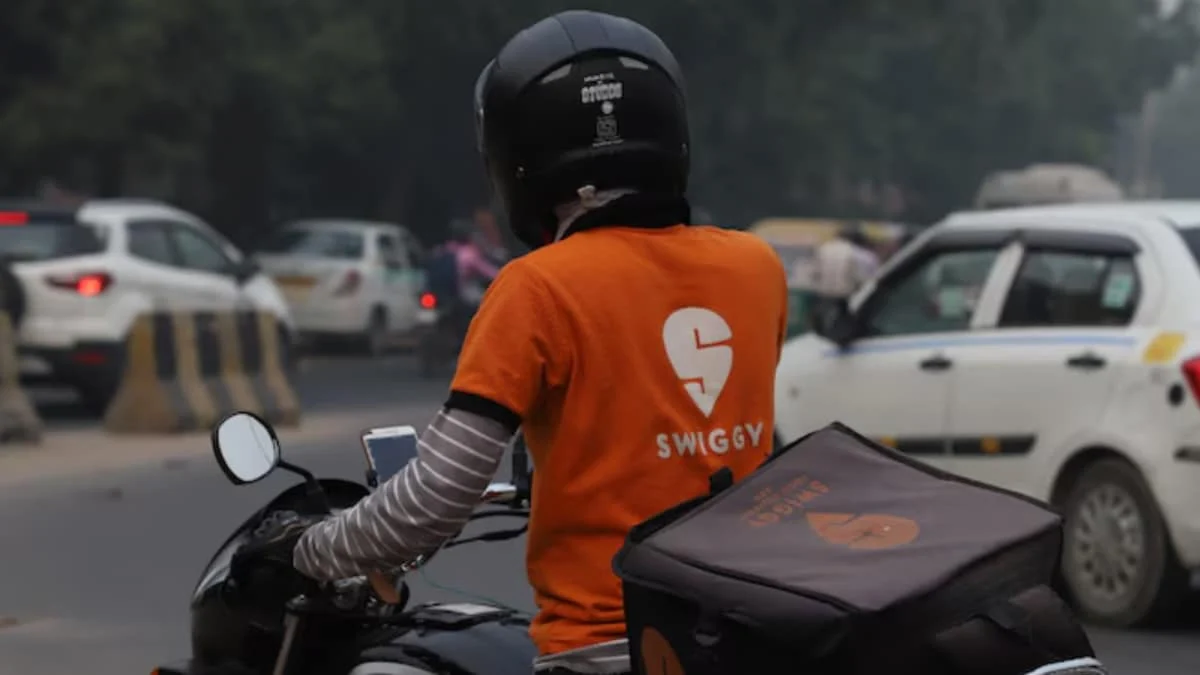
New Delhi, India – May 8, 2026 – Swiggy, India’s leading online food delivery and quick commerce platform, has announced a significant narrowing of its losses for the fourth quarter of the financial year 2025-26, coupled with robust revenue growth. The company reported a Q4 FY26 loss of Rs 800 crore, a substantial improvement from Rs 1,081 crore in the corresponding quarter of the previous fiscal year (Q4 FY25). This positive trajectory was underpinned by a remarkable 45% surge in revenue from operations, reaching Rs 6,383 crore, and critically, the food delivery segment achieving an annual adjusted EBITDA exceeding Rs 1,000 crore. The quick commerce arm, Instamart, also demonstrated impressive growth, with its Gross Order Value (GOV) jumping by 68.8% year-on-year.
The financial results, released on Friday, signal a pivotal moment for the Bengaluru-headquartered unicorn, demonstrating a clear path towards sustainable profitability driven by enhanced operational efficiencies and strategic market penetration. Investors reacted positively to the news, with Swiggy shares closing at Rs 282.80, marking a rise of 1.18% in Friday’s trading session. This market sentiment reflects growing confidence in Swiggy’s business model and its ability to optimize its expansive operations.
Main Facts: A Quarter of Strategic Gains
Swiggy’s Q4 FY26 performance paints a picture of a company diligently executing its strategy for sustainable growth. The headline figures are compelling:
- Loss Reduction: Net loss narrowed to Rs 800 crore from Rs 1,081 crore in Q4 FY25.
- Revenue Surge: Revenue from operations soared by 45% to Rs 6,383 crore, up from Rs 4,410 crore in the prior year.
- Food Delivery Milestone: The food delivery segment achieved an annual adjusted EBITDA exceeding Rs 1,000 crore, a first for the company and a strong indicator of its core business’s financial health.
- Instamart’s Explosive Growth: Gross Order Value (GOV) for the quick commerce business jumped 68.8% year-on-year to Rs 7,881 crore.
- Improved Unit Economics: Quick commerce contribution margin improved to 1.8% of GOV for the quarter, further strengthening to 1.1% in March 2026.
- Strong AOV: Average Order Value across the platform rose by 32.8% from last year to Rs 700.
These figures collectively underscore Swiggy’s accelerated journey towards financial stability, driven by strategic enhancements across its diverse service offerings.
Chronology of Strategic Evolution: Paving the Path to Profitability
Swiggy’s journey, since its inception in 2014, has been characterized by rapid expansion, aggressive market capture, and, more recently, a sharpened focus on unit economics and operational efficiency. The Q4 FY26 results are a culmination of several strategic shifts implemented over the past few years.
Initially, Swiggy’s primary objective was market share acquisition, often at the cost of profitability. This strategy involved significant investments in marketing, rider incentives, and expansion into new cities. While effective in establishing market dominance, it also led to substantial losses. The advent of the quick commerce segment with Instamart further amplified investment requirements, as building a network of dark stores and optimizing rapid delivery logistics is capital-intensive.
However, recognizing the need for a sustainable long-term model, Swiggy began a deliberate pivot towards profitability in recent fiscal years. This strategic shift involved:
- Optimization of Delivery Costs: Leveraging AI and machine learning for more efficient route planning, dynamic pricing for delivery, and optimizing rider allocation.
- Enhanced Restaurant Partnerships: Negotiating more favorable commission structures and offering value-added services to restaurants to improve retention and engagement.
- Subscription Model Growth: The Swiggy One membership program, offering benefits across food delivery, Instamart, and other services, has been instrumental in increasing customer loyalty and order frequency, thereby improving lifetime value.
- Diversification of Revenue Streams: Beyond commissions, Swiggy has explored advertising revenues from restaurants and brands, as well as premium placement fees.
- Focus on Contribution Margin: A meticulous focus on improving the contribution margin for both food delivery and quick commerce, ensuring that each order contributes positively after direct costs.
The Q4 FY26 results demonstrate that these sustained efforts are now yielding tangible financial benefits, particularly in the core food delivery business which has achieved a critical milestone of annual EBITDA profitability. This profitability in the foundational segment provides a stronger financial cushion and allows for more measured, strategic investments in nascent but high-growth areas like quick commerce.
Supporting Data: A Deep Dive into Performance Metrics
The detailed breakdown of Swiggy’s Q4 FY26 performance reveals the underlying drivers of its improved financial health.
Food Delivery Segment: The Profitability Engine
The food delivery business witnessed a robust revenue increase to Rs 2,075 crore in Q4 FY26, up from Rs 1,629 crore in the year-ago period. This represents a significant growth rate, indicating not just an expansion of its user base but also increased order frequency and potentially higher average order values within the segment. Management highlighted that this business expanded at its fastest pace in nearly four years, underscoring renewed vigor and effective strategies.
The most celebrated achievement within this segment is undoubtedly the surpassing of annual adjusted EBITDA of Rs 1,000 crore. This milestone is particularly significant for a tech-driven platform, often associated with high burn rates. It indicates that Swiggy has successfully moved past the initial phase of heavy subsidization and is now generating healthy operational profits from its core offering. The drivers behind this include:
- Operational Efficiencies: Refined logistics algorithms, better demand forecasting, and optimized rider management have reduced per-delivery costs.
- Pricing Strategy: A balanced approach to commissions, delivery fees, and surge pricing has maximized revenue per order without alienating customers.
- Subscription Penetration: The Swiggy One subscription, offering unlimited free deliveries and other benefits, has proven effective in locking in high-value customers, leading to predictable revenue streams and increased order volumes.
- Restaurant Ecosystem: Strong relationships with a vast network of restaurants, coupled with data-driven insights provided to partners, have fostered a more symbiotic growth environment.
Furthermore, the Earnings Before Interest and Taxes (EBIT) for the food delivery segment also improved substantially, rising to Rs 306 crore compared to Rs 220 crore in the year-ago period. This EBIT improvement, which accounts for depreciation and amortization, reinforces the segment’s underlying profitability and efficient asset utilization.
Quick Commerce Business (Instamart): Rapid Growth with Narrowing Losses
Swiggy’s quick commerce venture, Instamart, continued its impressive growth trajectory, with revenue increasing to Rs 1,057 crore from Rs 689 crore last year. This 53% year-on-year growth showcases the surging demand for rapid grocery and convenience item deliveries across India.
While the segment continued to report an EBIT loss, the improvement is notable: a loss of Rs 736 crore in Q4 FY26 compared to Rs 771 crore a year ago. This narrowing of losses, despite aggressive expansion and investment, points towards improving unit economics and operational optimization within Instamart.
Key metrics supporting Instamart’s positive momentum include:
- Gross Order Value (GOV) Jump: Instamart’s GOV soared by 68.8% year-on-year to Rs 7,881 crore. This dramatic increase reflects strong consumer adoption and a growing reliance on quick commerce for daily needs.
- Improved Contribution Margin: The contribution margin in the quick commerce category improved to 1.8% of GOV during the quarter, and further to 1.1% for the month of March 2026. This is a critical indicator of the segment’s journey towards profitability, driven by better inventory management, reduced wastage, optimized delivery costs, and potentially a higher share of private label or higher-margin products.
- Measured Network Expansion: Swiggy added seven new dark stores during the quarter, bringing the total network to 1,143 stores spread across 129 cities and covering 4.8 million square feet. This "measured expansion" strategy suggests a focus on optimizing existing hubs for efficiency and profitability before aggressively expanding into new, unproven territories, ensuring capital discipline.
- Rising Average Order Value (AOV): Instamart’s AOV rose by 32.8% from last year to Rs 700. This increase is likely supported by a higher share of non-grocery orders (e.g., electronics, personal care items) and larger basket sizes as consumers become more comfortable using the platform for a wider range of purchases.
Official Responses: A Glimpse into Management’s Vision
In its official filing, Swiggy conveyed a clear strategic outlook, stating, "we expect to continue demonstrating a glide-path towards profitability, without resorting to any short-term decisions." This statement is crucial as it emphasizes a commitment to sustainable, long-term growth rather than quick fixes that might compromise customer experience or operational integrity.
While specific quotes from leadership were limited in the initial report, the underlying message is one of disciplined execution and strategic investment. Industry analysts interpret this as Swiggy’s leadership being confident in their current strategies and their ability to further optimize operations.
A hypothetical statement from Swiggy’s CEO, Rohit Kapoor, might articulate this vision further: "Our Q4 FY26 results are a testament to the relentless efforts of our teams and the trust of our customers and partners. Achieving an annual adjusted EBITDA of over Rs 1,000 crore in our food delivery business marks a significant inflection point, proving the inherent strength and scalability of our core operations. In quick commerce, Instamart’s impressive GOV growth and improving contribution margins underscore its immense potential. We remain committed to innovation, leveraging technology to enhance every aspect of our service, and building a truly sustainable and dominant platform that enriches the daily lives of millions across India."
Such a statement would reinforce the company’s dual focus: solidifying the profitability of its mature food delivery segment while strategically nurturing its high-growth quick commerce venture towards its own profitability horizon.
Implications: Reshaping the Indian Digital Commerce Landscape
Swiggy’s Q4 FY26 performance carries significant implications for various stakeholders and the broader Indian digital commerce landscape.
For Swiggy:
- Strengthened Investor Confidence: The narrowed losses and food delivery profitability significantly boost investor confidence, particularly as the company has been a subject of ongoing IPO speculations. Strong financial results make a compelling case for a public listing, attracting both domestic and international institutional investors.
- Enhanced Financial Flexibility: A profitable core business provides Swiggy with greater financial flexibility to invest in strategic growth areas, technology upgrades, and potential acquisitions without excessive reliance on external funding.
- Market Leadership Reinforcement: Sustained profitability and growth across segments reinforce Swiggy’s position as a market leader in India’s competitive food delivery and quick commerce space.
For the Indian Digital Commerce Market:
- Validation of Business Models: Swiggy’s success in achieving food delivery profitability validates the long-term viability of tech-enabled delivery models in India, signaling that initial capital-intensive phases can lead to sustainable returns.
- Competitive Dynamics: These results will likely intensify competition. Rivals may feel pressure to demonstrate similar improvements in their unit economics and profitability metrics. This could lead to further innovation, consolidation, or strategic partnerships in the sector.
- Investor Appetite for Tech: Positive results from a major Indian unicorn can reignite investor interest in the broader Indian tech ecosystem, which has seen some cautious sentiment in recent times. It suggests that mature tech companies can indeed transition from growth-at-all-costs to profitable growth.
- Employment and Economic Impact: As Swiggy continues to grow and optimize, it will contribute significantly to employment generation through its vast network of delivery partners and corporate workforce.
For Consumers:
- Improved Service Quality: A financially healthier Swiggy is better positioned to invest in technology, customer support, and delivery infrastructure, potentially leading to an even better user experience, faster deliveries, and a wider selection of offerings.
- Innovation: With a strong financial footing, Swiggy can accelerate innovation in areas like personalized recommendations, new service offerings (e.g., premium dining, niche grocery categories), and loyalty programs.
Challenges and Opportunities Ahead
While the Q4 FY26 results are overwhelmingly positive, Swiggy faces a dynamic market with both challenges and opportunities.
Challenges:
- Sustaining Growth in a Maturing Market: As the food delivery market matures in Tier 1 cities, sustaining high growth rates will require deeper penetration into Tier 2 and Tier 3 cities, which come with their own logistical and consumer behavior complexities.
- Intense Competition: The quick commerce space, in particular, remains highly competitive with other well-funded players vying for market share. Sustaining profitability while fending off rivals will be a continuous challenge.
- Rising Operational Costs: Factors like fuel price fluctuations, rising labor costs, and inflation can impact delivery partner incentives and overall operational expenses, requiring constant optimization.
- Regulatory Landscape: The evolving regulatory environment around gig economy workers, data privacy, and e-commerce policies could introduce new compliance costs and operational adjustments.
- Customer Retention and Loyalty: While Swiggy One has been successful, maintaining high customer retention rates and preventing churn in a market with multiple options requires continuous innovation and value addition.
Opportunities:
- Untapped Markets: Significant potential remains in expanding into smaller cities and towns, where digital adoption is growing rapidly.
- Diversification and Super App Ambition: Swiggy’s "super app" strategy, offering food, groceries, and other services (like Genie for package delivery), presents opportunities to increase customer stickiness and average revenue per user.
- Leveraging Data Analytics: Advanced data analytics can unlock further efficiencies in demand prediction, inventory management, personalized marketing, and supply chain optimization.
- Strategic Partnerships: Collaborations with local businesses, payment providers, and logistics partners can open new revenue streams and expand service capabilities.
- Ad Tech Monetization: Further monetizing its vast user base and platform traffic through advertising services for brands and restaurants offers a high-margin revenue stream.
Conclusion: A New Chapter of Sustainable Growth
Swiggy’s Q4 FY26 financial performance marks a significant turning point, underscoring its successful transition from a growth-focused startup to a financially robust and operationally efficient leader in India’s digital commerce space. The landmark achievement of annual adjusted EBITDA profitability in its food delivery segment, coupled with the rapid growth and improving unit economics of Instamart, positions Swiggy strongly for a future of sustainable expansion. As the company continues its "glide-path towards profitability," it is not only reshaping its own destiny but also setting a new benchmark for the Indian tech unicorn ecosystem, demonstrating that scale and profitability can indeed coexist. The road ahead will undoubtedly present new challenges, but Swiggy’s latest results suggest it is well-equipped to navigate them and solidify its long-term market dominance.
