

MAMALLAPURAM, TAMIL NADU – In an era where the travel industry is increasingly dominated by high-volume resorts and standardized luxury, a new movement toward "slow living" and curated intimacy is taking root along India’s Coromandel Coast. At the forefront of this shift is Isai Karai, a newly unveiled property under the CGH Earth Saha collection. Located approximately 10 kilometers from the UNESCO World Heritage site of central Mamallapuram, Isai Karai represents a departure from traditional hospitality, offering a sanctuary where the rhythm of the day is dictated by nature rather than schedules.
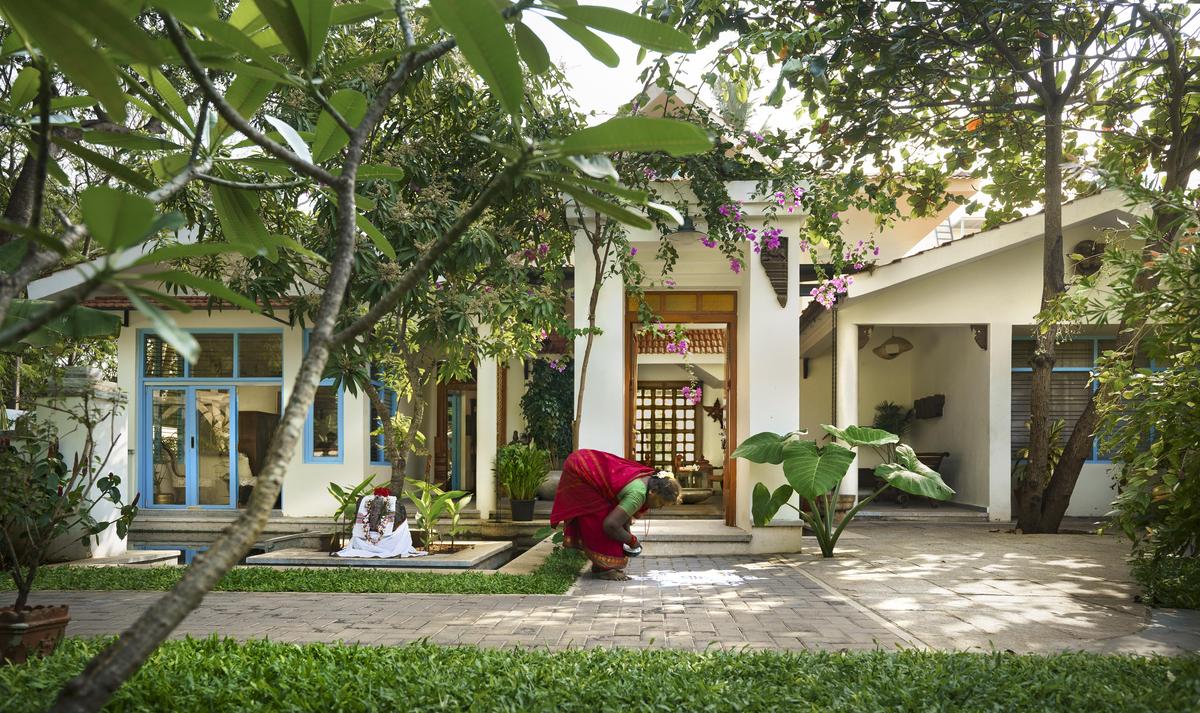
Tucked away amidst a lush half-acre of greenery and situated a mere 150 meters from the Bay of Bengal, the property serves as a bridge between the region’s storied past and a modern desire for private, heritage-steeped escapes.
Main Facts: The Concept of Saha and Isai Karai
Isai Karai is not a hotel in the conventional sense; it is a collaboration between the property’s owner, Mahitha Ravilla, and CGH Earth, a hospitality group renowned for its commitment to environmental sensitivity and local culture. The property is part of "Saha," a boutique brand launched by CGH Earth to cater to a growing demographic of travelers seeking seclusion without sacrificing professional service.
Property Specifications
- Location: East Coast Road (ECR), near Nemmeli Panchayat, Tamil Nadu.
- Structure: A 50-year-old heritage property comprising the Vasunthara Villa (three bedrooms, living, and dining areas) and two independent Kurumba Cottages.
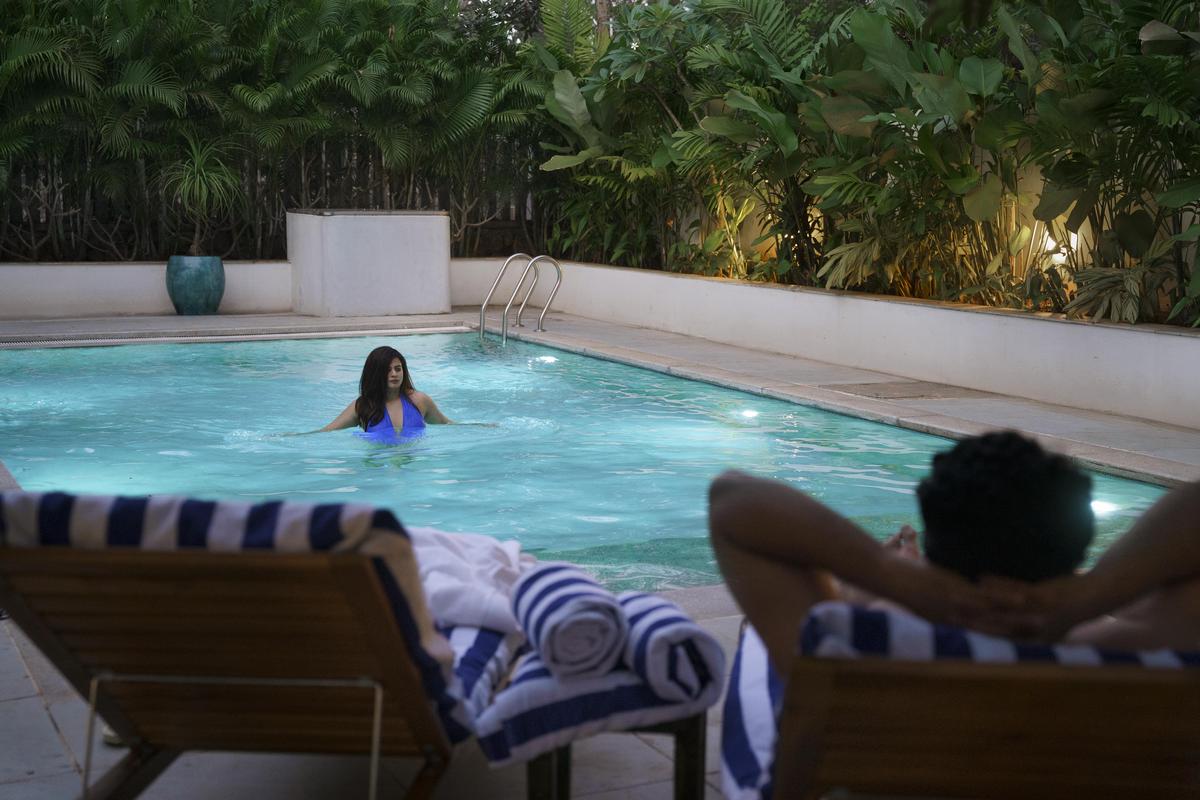
- Key Amenities: Private pool, organic kitchen garden, direct beach access, and personalized concierge services.
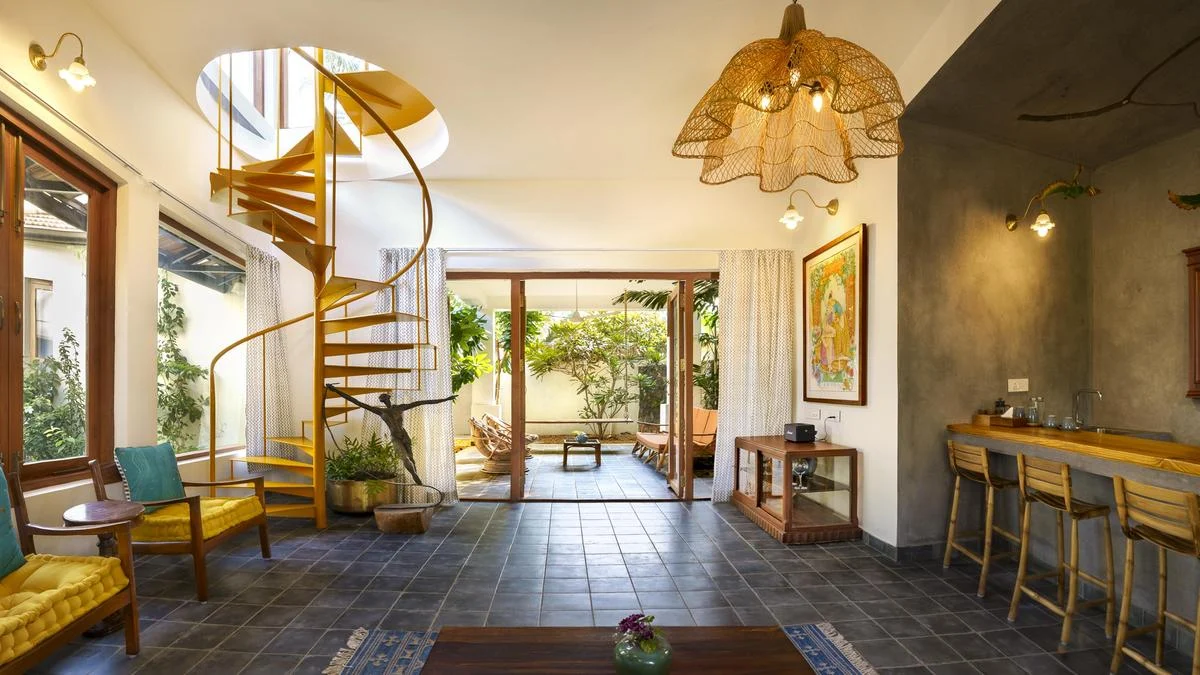
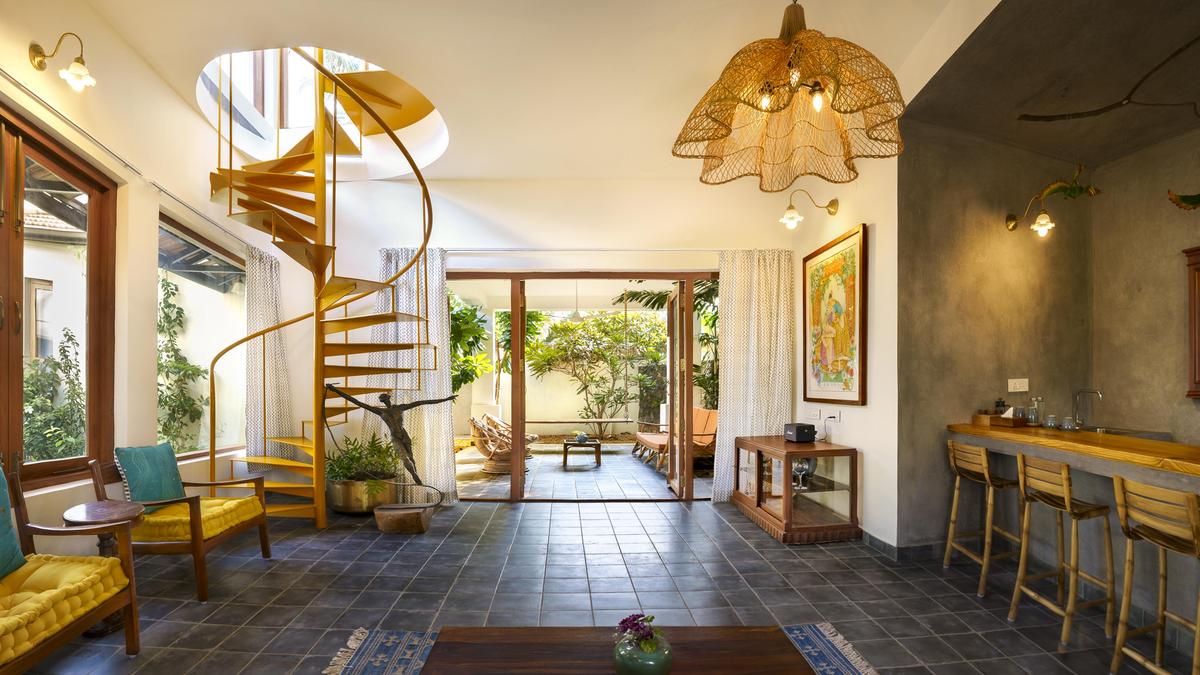
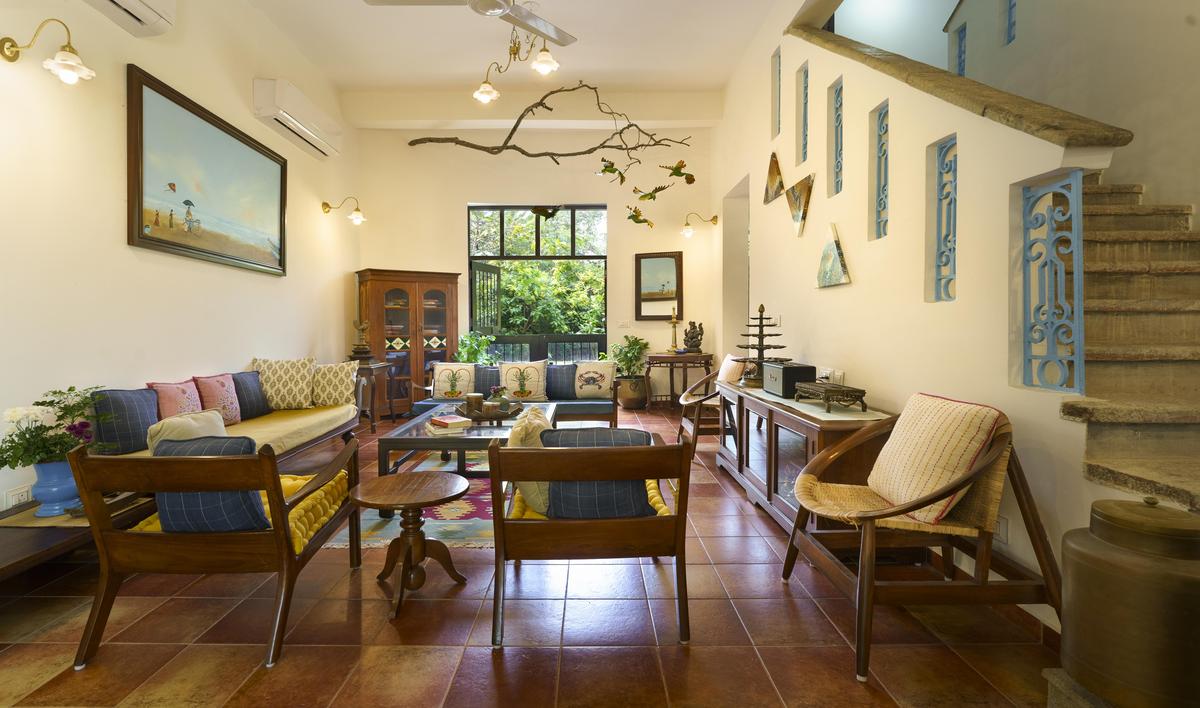
- Design Philosophy: A blend of traditional Tamil architecture and contemporary comfort, featuring authentic Mamallapuram stone carvings and antique furniture.
The property’s name, which translates to "the shore of music," reflects the auditory landscape of the site—a symphony of birdsong, the rustle of tropical foliage, and the rhythmic pulse of the nearby sea.

Chronology: From Private Estate to Boutique Retreat
The transformation of Isai Karai from a private family residence into a curated hospitality experience reflects a broader trend in the Indian luxury market.
The Original Vision
For five decades, the property served as a personal haven for Mahitha Ravilla. Over the years, Ravilla meticulously curated the interiors, hand-picking every artifact, painting, and piece of furniture. The house was designed to be a reflection of her aesthetic sensibilities, deeply rooted in the artistic traditions of Tamil Nadu.
The Saha Partnership
As the travel landscape shifted post-pandemic, the demand for "buyout" properties—where families or small groups can occupy an entire villa—surged. Recognizing this, CGH Earth partnered with Ravilla to integrate Isai Karai into their Saha portfolio. The transition involved thoughtful updates to enhance functionality and comfort while preserving the "original charm" and personal soul of the home.
The Daily Rhythm
A stay at Isai Karai follows a deliberate, slow-paced chronology:
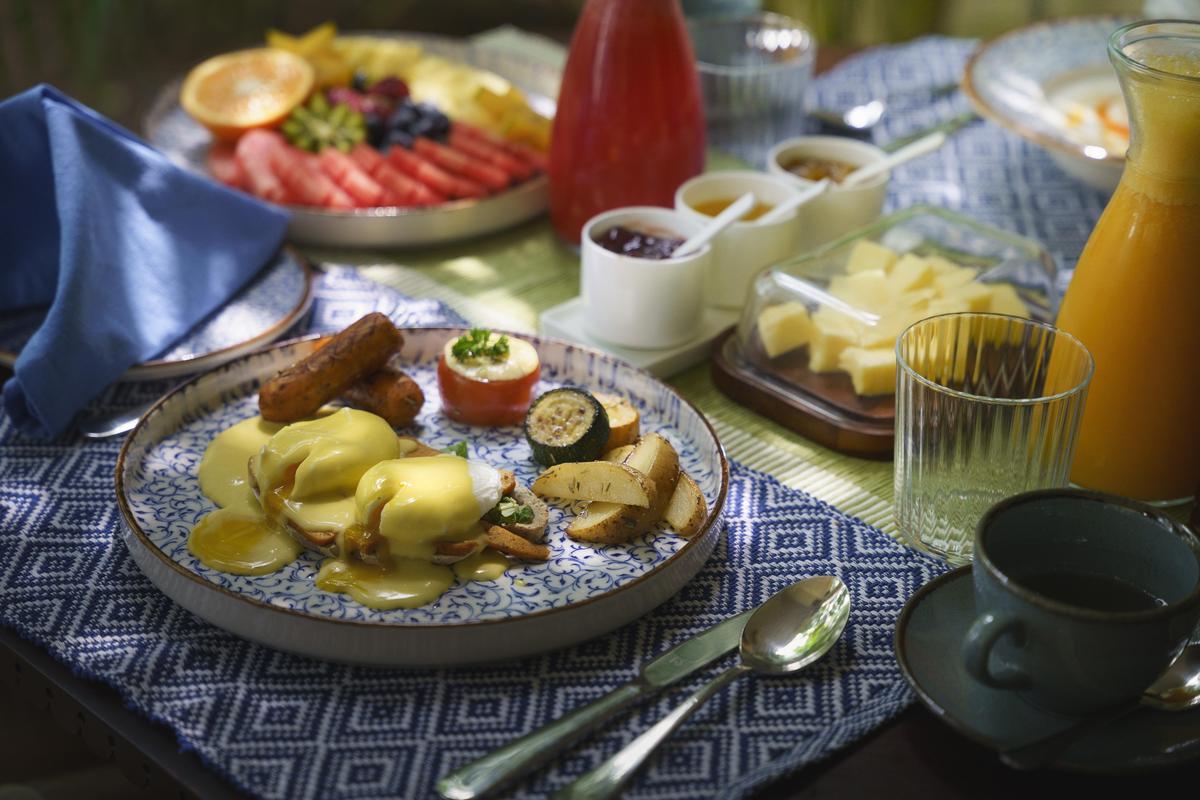
- Morning: Guests are awakened by natural light and the sounds of local fauna. Breakfast is a communal or private affair featuring produce harvested from the on-site garden.
- Mid-Day: Exploration of Mamallapuram’s heritage sites or the local sculpture hubs, guided by experts who provide historical context.
- Afternoon: Rejuvenation through "me-time," reading, or walking the 150 meters to the secluded beach.
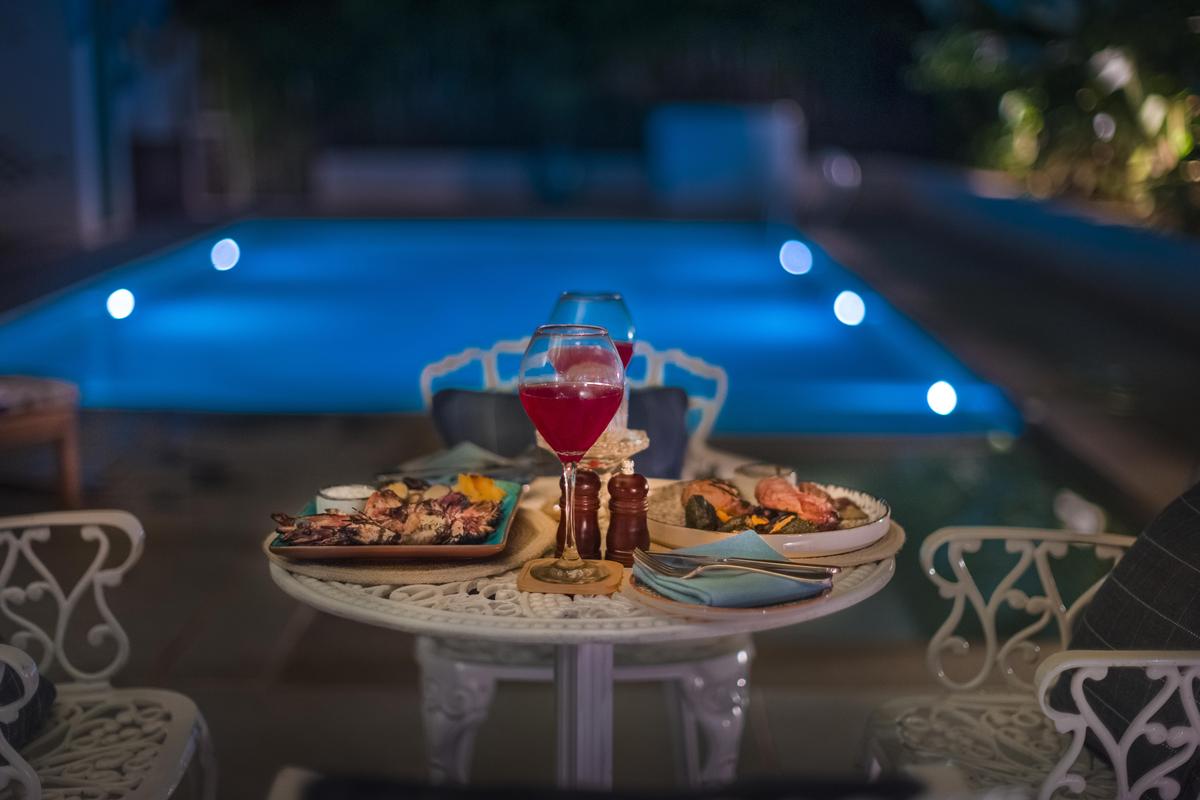
- Evening: Traditional snacks (like bajji) and fresh juices served as a beachside picnic, followed by a poolside barbecue featuring the "catch of the day."
Supporting Data: Architecture, Flora, and the Local Economy
The enrichment of the Isai Karai experience is found in the details of its construction and its integration with the local ecosystem.
Architectural Heritage
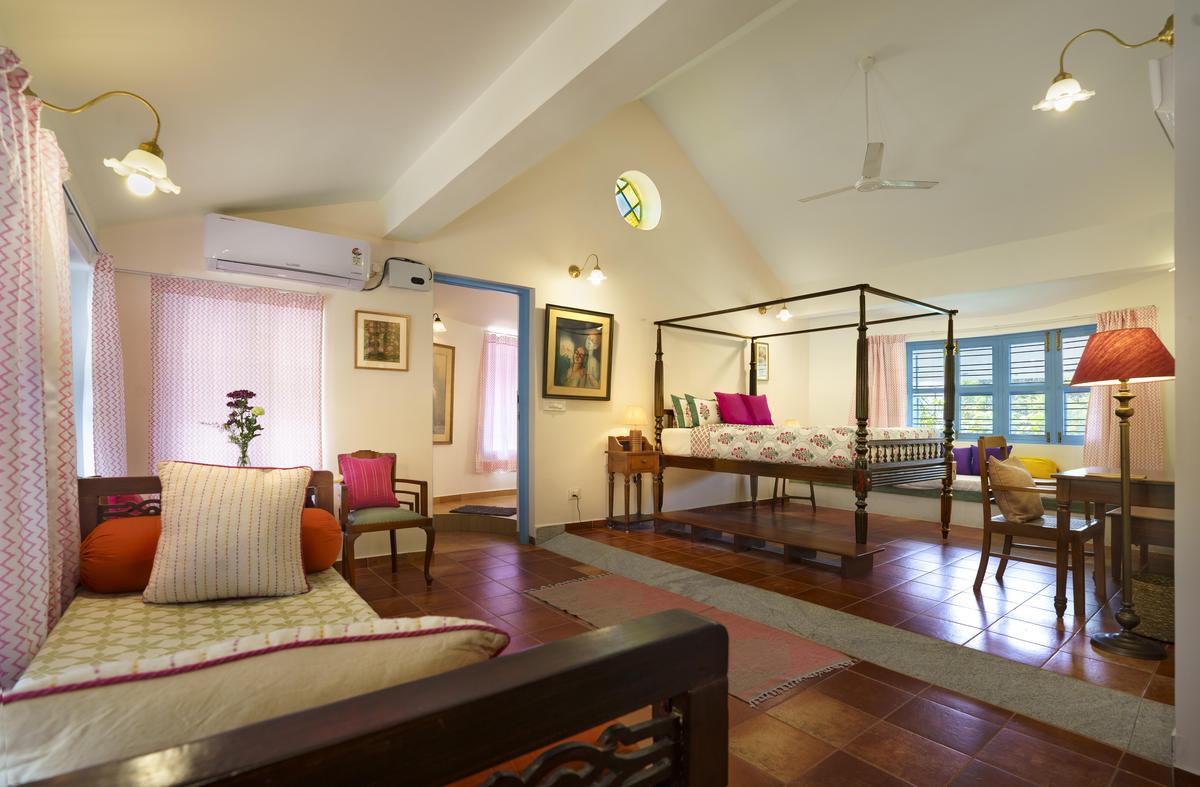
The interiors serve as an ode to Mamallapuram’s centuries-old stone-carving tradition. Each room is uniquely designed, some featuring open-to-sky showers that emphasize a connection with the elements. A standout feature is the inclusion of four-poster beds so high they require rectangular footstools—a nod to colonial-era design. The walls are adorned with vibrant paintings, and cushion covers feature motifs of local marine life, such as crabs and lobsters.
The Edible Landscape
Sustainability at Isai Karai is practiced through its "Garden to Table" initiative. The half-acre plot is a productive botanical garden featuring:
- Fruit Trees: Mango, mulberry, star fruit, Chinese orange, gooseberry, chikoo, guava, and papaya.
- Vegetables and Herbs: Brinjal (eggplant), green chilies, and coriander.
- Culinary Integration: The kitchen staff avoids fixed menus, instead adapting to the daily harvest and the "telephonic negotiations" with local fishermen for fresh vanjaram (king mackerel), squid, and red snapper.
The Sculpture Hub
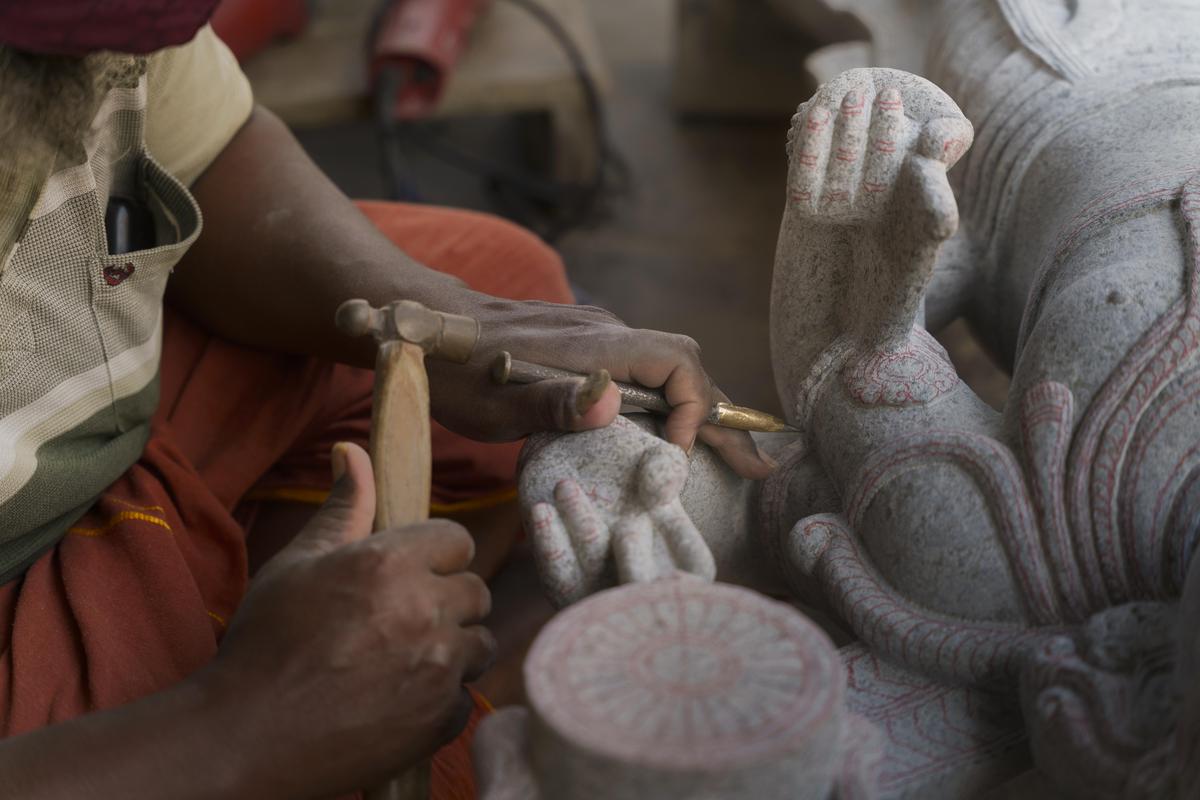
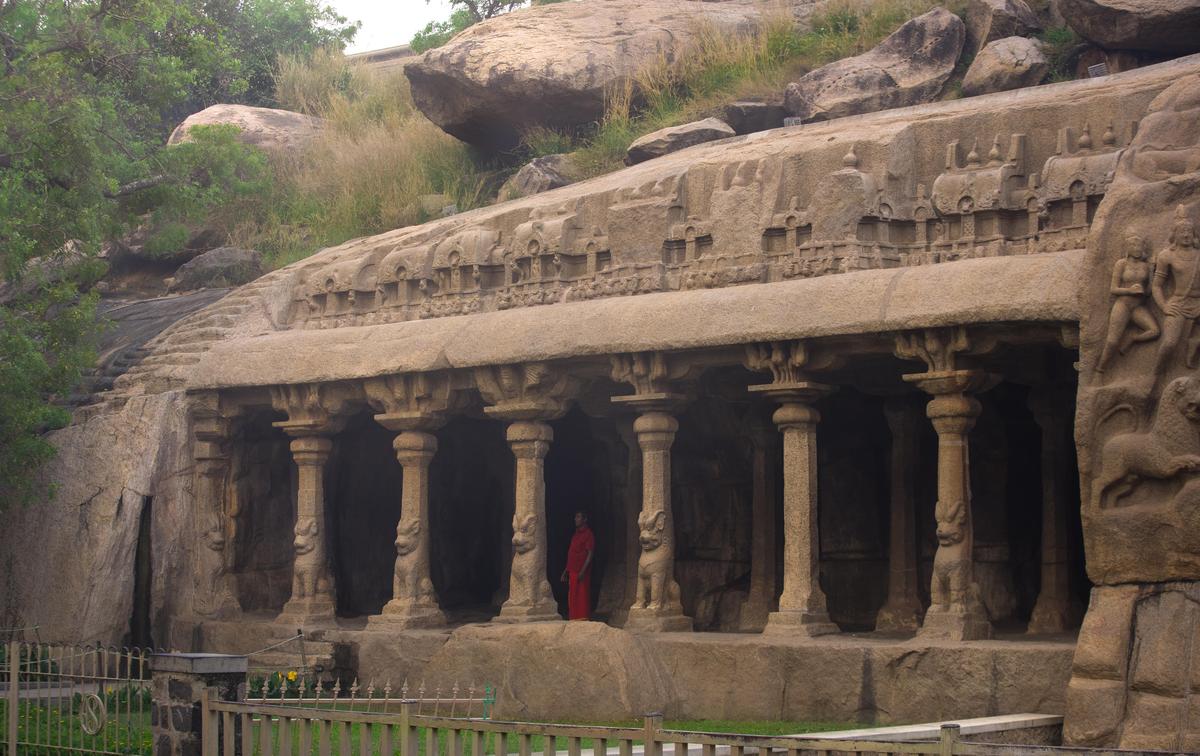
The property’s proximity to Mamallapuram connects guests to a local economy driven by over 200 stone-carving units. Artisans here continue to use traditional chisels alongside modern electric drills to create granite, wood, and metal sculptures commissioned globally. This artisanal industry remains a cornerstone of the region’s identity, with 50% of the work still performed by hand.
Official Responses: The CGH Earth Ethos
George Joseph, Vice President of Operations at CGH Earth, emphasizes that the creation of the Saha brand was a direct response to evolving consumer psychology.
"As travel preferences evolved, we noticed a growing inclination towards smaller, more intimate holiday spaces that offer greater privacy yet personalized service, and thoughtfully curated experiences," Joseph explained. He noted that Saha was conceived to offer "hand-picked cosy escapes like heritage villas steeped in history and serene bungalow retreats that exude an artistic charm."
According to the management, the goal is not just to provide a room but to act as a custodian of the owner’s vision. "The house has retained most of its original charm just as Ms. Mahitha intended it," Joseph added. "Every décor piece… has been personally chosen by her over the years, making the home a deeply personal reflection of her aesthetic sensibilities."
Kavitha Vignesh, the villa manager, represents the "human element" of the Saha service model. Her role combines traditional hospitality with the warmth of a personal host, ensuring that the experience feels more like a visit to a "grandmother’s house" than a commercial stay.

Implications: The Future of Heritage Tourism on the ECR
The emergence of properties like Isai Karai has significant implications for the tourism sector along the East Coast Road (ECR) and in Tamil Nadu at large.
1. Shift in Luxury Paradigms
The success of Isai Karai suggests that "luxury" is being redefined. It is no longer synonymous with gold-plated faucets or massive lobbies, but rather with privacy, personalization, and authenticity. The ability to have a manager know your name and your preference for panakkam (a traditional cooling jaggery drink) is becoming the new gold standard.
2. Preservation of Heritage
By repurposing 50-year-old villas into high-end retreats, hospitality groups are providing an economic incentive for the preservation of heritage architecture. This prevents older estates from being razed for modern high-rises, thereby maintaining the cultural fabric of the Coromandel Coast.
3. Economic Symbiosis
The "local-first" sourcing model—buying fish directly from Nemmeli fishermen and employing local guides—creates a symbiotic relationship between the tourism industry and the local community. This ensures that the wealth generated by high-end tourism trickles down to the grassroots level.
4. Cultural Revivalism
Properties like Isai Karai encourage guests to engage with Mamallapuram beyond a cursory glance at the Shore Temple. By introducing visitors to the sculpture units and the India Seashell Museum (which houses over 40,000 shells), these retreats foster a deeper appreciation for the region’s specialized crafts and natural history.
5. The "Slow Travel" Trend
As urban burnout becomes a global phenomenon, the "sounds of silence" offered at Isai Karai represent a vital market niche. The focus on "slow living"—reading on a plantation chair, watching white flowers fall from trees, and observing the sun behind the 7th-century Olakkannesvara temple—positions Tamil Nadu as a premier destination for wellness and contemplative travel.
In conclusion, Isai Karai is more than just a new addition to the ECR’s hospitality map; it is a testament to the enduring power of personal touch and the timeless appeal of the South Indian coast. As travelers increasingly seek stories over stays, the collaboration between Mahitha Ravilla and CGH Earth Saha provides a blueprint for the future of intimate, soulful luxury.
