

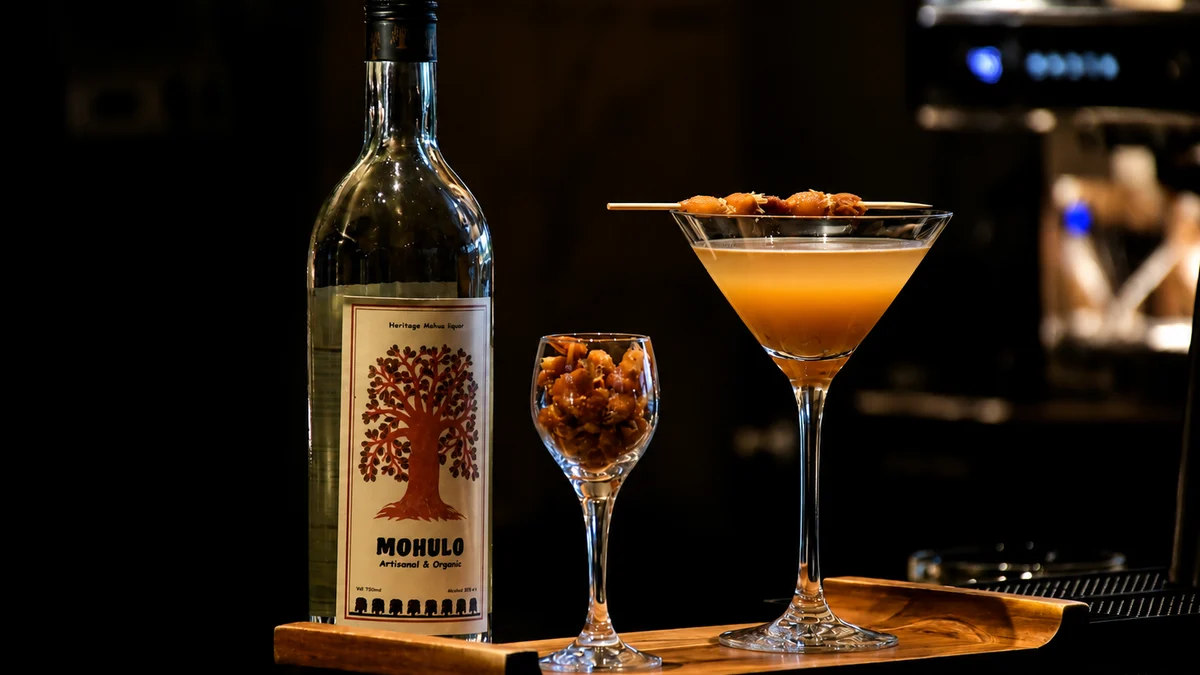
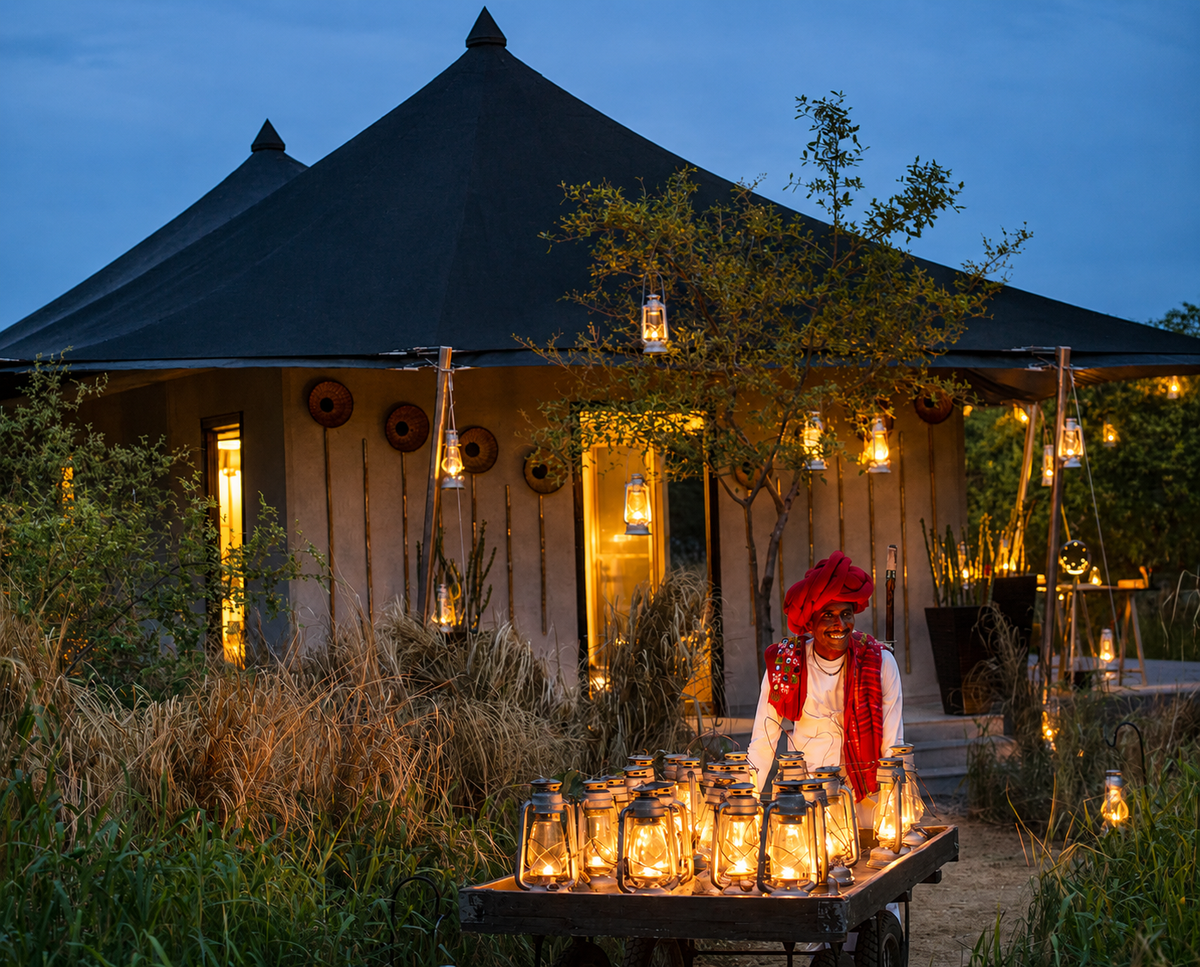
As the sun dips below the horizon of the Satpura landscape—one of India’s oldest and most evocative forest regions—the atmosphere at Bori Safari Lodge undergoes a subtle transformation. Located on the periphery of the Bori Wildlife Sanctuary in Madhya Pradesh, this 12-room retreat, operated by Jehan Numa Wilderness, eschews the frantic energy of India’s more commercial tiger circuits. Here, luxury is defined not by gold-plated amenities, but by an earthier, more sensory immersion.
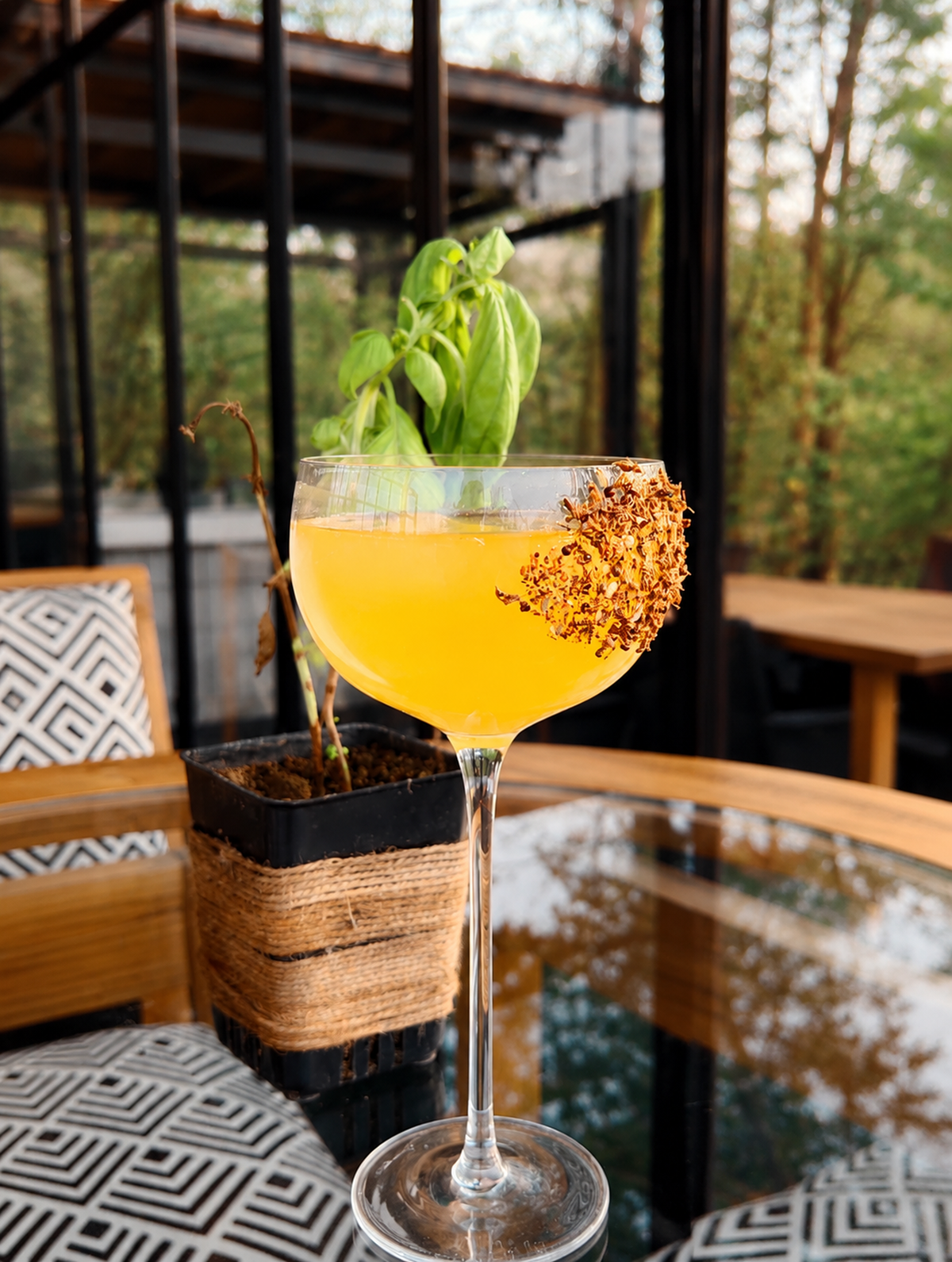
Lanterns flicker along mud-toned pathways, and the air fills with a symphony of cicadas and the metallic calls of drongos. It is in this setting that the "New Indian Safari" reveals itself, not through a pair of binoculars, but through the rim of a cocktail glass. The lodge’s signature drink, the Chapda Chutney Picante, serves as a liquid manifesto for this shift. A smoky, sharp concoction of tequila, agave, and mango, its defining ingredient is chapda—a fiery chutney made from red ants, traditionally harvested by tribal communities across Central India. It is a drink that carries the heat, citrus, and umami tang of the forest floor, signaling a broader evolution in how travelers consume the wilderness.
The Evolution of the Indian Safari: From Checklists to Slow Luxury
Historically, the Indian safari was a rigid, almost paramilitary affair. The itinerary was predictable: an "ungodly" pre-dawn wake-up call, a dusty three-hour game drive characterized by a neck-craning obsession with spotting a Bengal tiger, a brief return for a heavy breakfast, and an evening repeat of the same. Success was measured solely by the "Big Cat" sighting; if the tiger didn’t show, the trip was often deemed a failure.
However, the post-pandemic era has ushered in a demographic shift. A new generation of domestic and international travelers is moving away from the "checklist mentality." While the game drive remains a pillar of the experience, it now shares the stage with slower, more epicurean pleasures. The modern safari-goer seeks a retreat—a few days of being "removed" from urban chaos without sacrificing the sophisticated tastes of city life. This has transformed the safari lodge from a mere base camp into a destination for culinary and mixological exploration.
The Economic Boom of Wildlife Tourism
The shift in traveler behavior is backed by staggering financial projections and footfall data. According to studies published on ResearchGate, India’s protected areas now attract over 4.6 million tourists annually. Tiger reserves alone account for approximately 1.4 million of these visitors, with domestic travelers making up a significant 80% of the market.
Projections by Future Market Insights value India’s safari tourism market at approximately $2.8 billion (₹26,749 crore) by 2025. This figure is expected to nearly double by 2035. The revenue generated on the ground reflects this surge: Ranthambore National Park reportedly generated nearly ₹72 crore by May 2025, while Karnataka’s Bandipur and Nagarahole reserves earned a combined ₹24 crore from safari operations this year. This influx of capital has allowed boutique lodges to invest heavily in "soft luxury" offerings, particularly in their bar and beverage programs.

The Liquid Landscape: Official Responses and Mixological Innovations
The Mahua Renaissance
In the heart of Madhya Pradesh, lodges like Bagh Tola and Taj Mahua Kothi are reclaiming indigenous ingredients that were once overlooked. Mona Vahanvati, co-founder of Bagh Tola near Bandhavgarh National Park, notes that guests are increasingly open to experimentation.
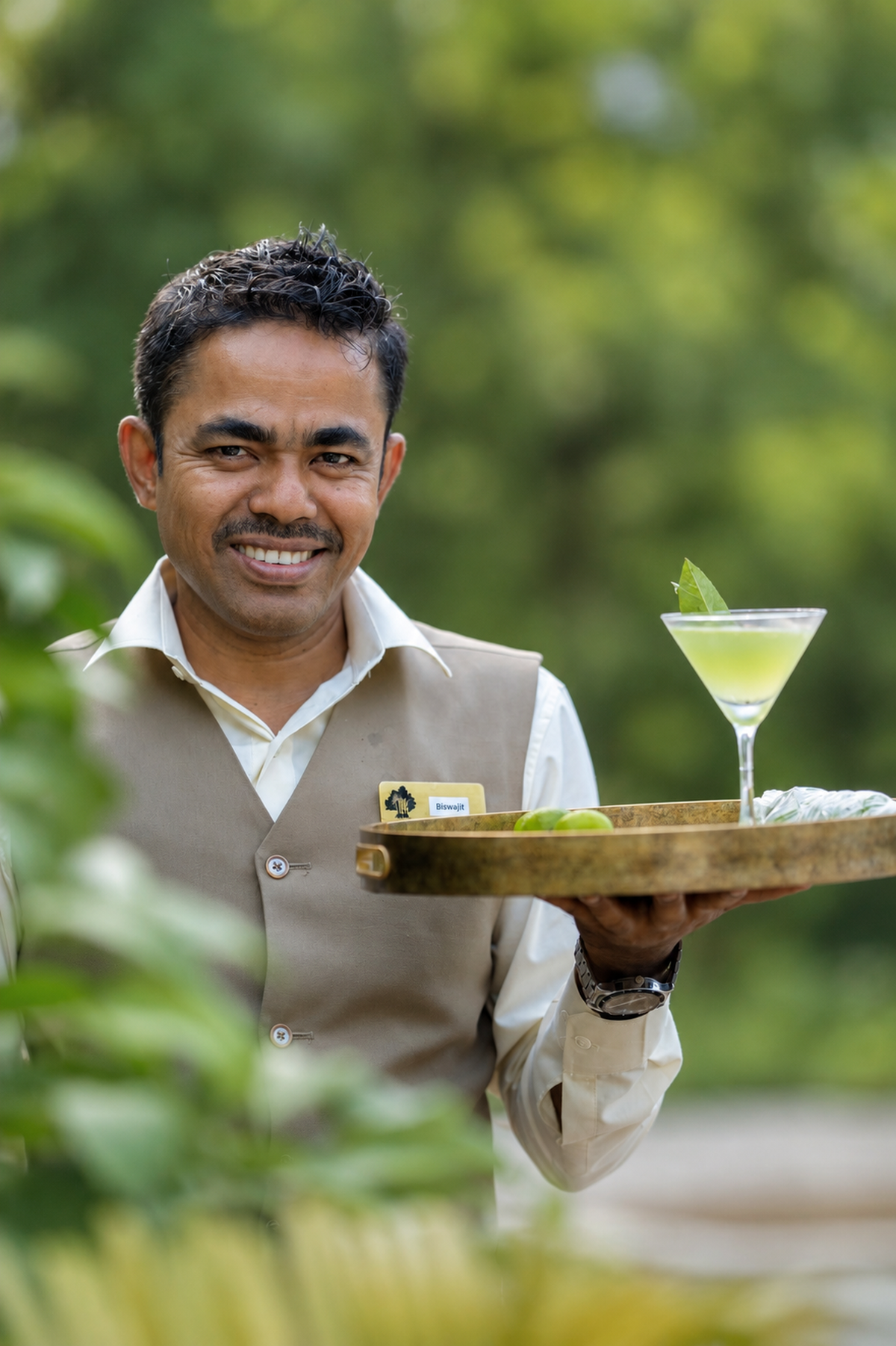
"We usually tell guests, ‘Let us make something for you’ when they return from a drive," Vahanvati explains. "Our mixologist, Biswajeet, often sends a cocktail to get things started because many don’t naturally associate safaris with craft cocktails. Once they try something local, the curiosity takes over."
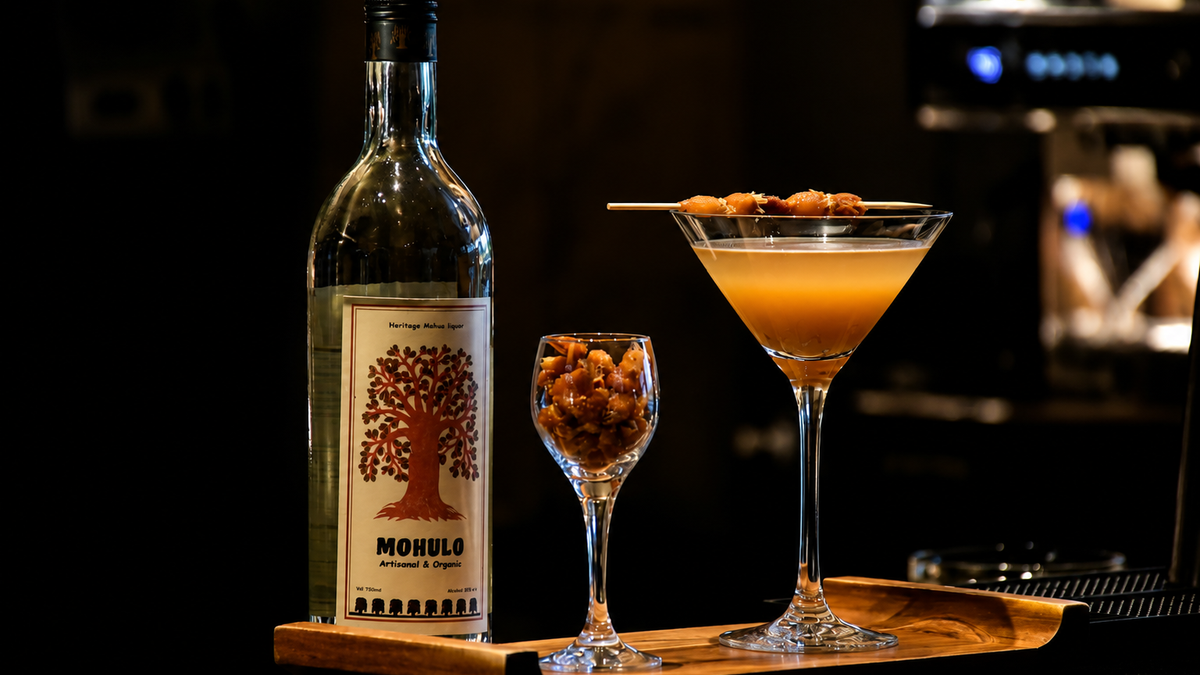
The star of the bar at Bagh Tola is mahua, a spirit distilled from the flowers of the Madhuca longifolia tree. Traditionally a staple of rural and tribal life, mahua has long carried the stigma of being "country liquor." However, by refining and filtering the spirit, mixologists are highlighting its floral and earthy notes.
Tarang Arora, CEO of Amrapali Jewels, recalls a similar experience at The Bamboo Forest Safari Lodge in Tadoba. "They made me a drink called Dhonk, named after the trees where tigers hide. It was served in a clay kulhad and made with mahua, tamarind, jaggery, and ginger. It smelled like the ground after the heat breaks. It wasn’t polished; it was wild, just like the forest."
Desert Tones and High Pungency
The trend extends to the arid landscapes of Rajasthan. At Sujan Jawai, a Relais & Châteaux property set amidst leopard-rich granite hills, the Campfire cocktail uses acacia woodchips—a flora species endemic to the region—to provide a smoky depth to a base of gin and Jägermeister.
Prasad Ramamurthy, a travel journalist and hospitality consultant, highlights the Khargone Margarita at The Oberoi Vindhyavilas as another example of regional storytelling. The drink features tequila infused with Nimar chillies from the Khargone region, known for their vibrant red color and intense heat. By infusing the landscape’s literal fire into a classic cocktail, the lodge creates a sensory link between the guest and the geography.
The Botanical Heritage of the Northeast
In Assam, the intersection of tea culture and wildlife tourism provides a different palette. The Postcard in the Durrung Tea Estate, located near Kaziranga National Park, uses its 1,400-acre surroundings as a pantry.
Resort Manager Tuhin Deb emphasizes that their cocktail program is an educational tool. "Guests ask about ingredients they’ve never heard of, like ou tenga (elephant apple). It becomes part of the experience to understand how local produce can be translated into something contemporary."
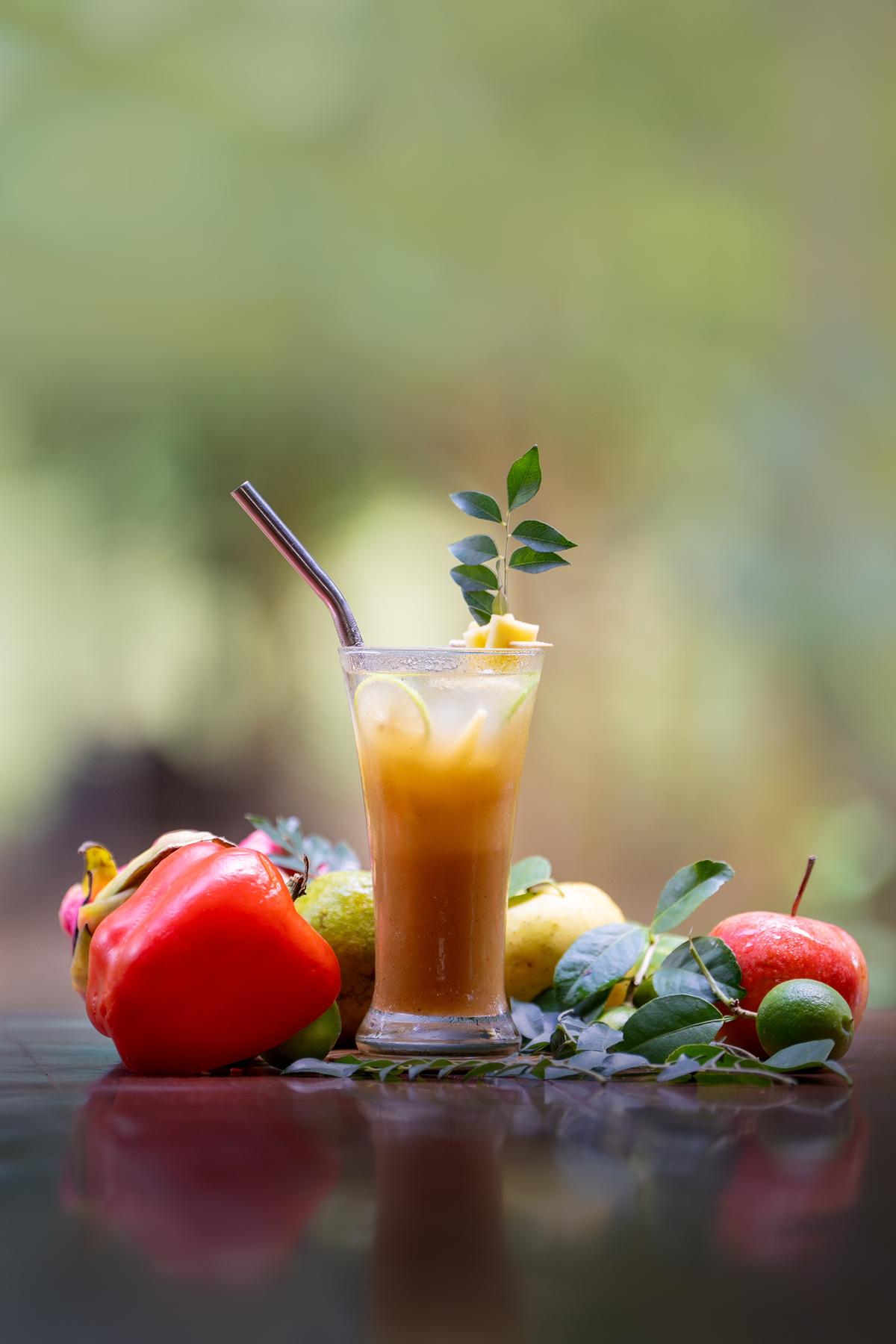
The signature Estate Hibiscus Spritz and the Elephant Apple Collins utilize the tart, regional fruits and the estate’s own cold-brew Assam tea. These drinks serve as a refreshing counterpoint to the humid climate of the Brahmaputra valley, proving that the safari experience is as much about the flora as it is the fauna.
Implications for Sustainable and Cultural Tourism
The enrichment of safari hospitality through local mixology has several long-term implications for the industry:

- Cultural Preservation: By incorporating ingredients like mahua and chapda chutney, luxury lodges are providing a high-end platform for indigenous knowledge and tribal culinary traditions. This helps destigmatize local produce and creates a value chain for forest-dwelling communities.
- Seasonality and Sustainability: The reliance on local botanicals—hibiscus, wild ginger, and regional chillies—encourages a seasonal approach to hospitality. It reduces the carbon footprint associated with importing international spirits and mixers while ensuring the menu evolves with the forest’s natural cycle.
- Diversified Revenue Streams: As the market for safari tourism grows, lodges that offer a holistic "lifestyle" experience—including high-quality F&B—can maintain high occupancy rates even during periods when wildlife sightings might be less frequent (such as during the fringes of the monsoon).
- Educational Engagement: Travelers are no longer passive observers of the landscape. Through the lens of mixology, they learn about botany, tribal folklore, and the delicate balance of the ecosystems they are visiting.
Conclusion: A Toast to the Wild
The modern Indian safari is no longer just a quest for a photograph of a tiger. It has evolved into a multi-sensory journey where the evening "sundowner" is as meticulously crafted as the morning tracking session. Whether it is the sharp tang of a red ant chutney in Satpura, the smoky floral notes of mahua in Bandhavgarh, or the tartness of an elephant apple in Kaziranga, these flavors provide a lingering memory of the wild.
As the industry continues its multibillion-dollar ascent, the focus on hyper-local ingredients and craft mixology serves as a reminder that the most profound experiences often come from the smallest details. In the quiet hours after a game drive, with a cocktail in hand and the forest breathing around them, travelers are finding a new way to connect with India’s ancient wilderness—one sip at a time.
