

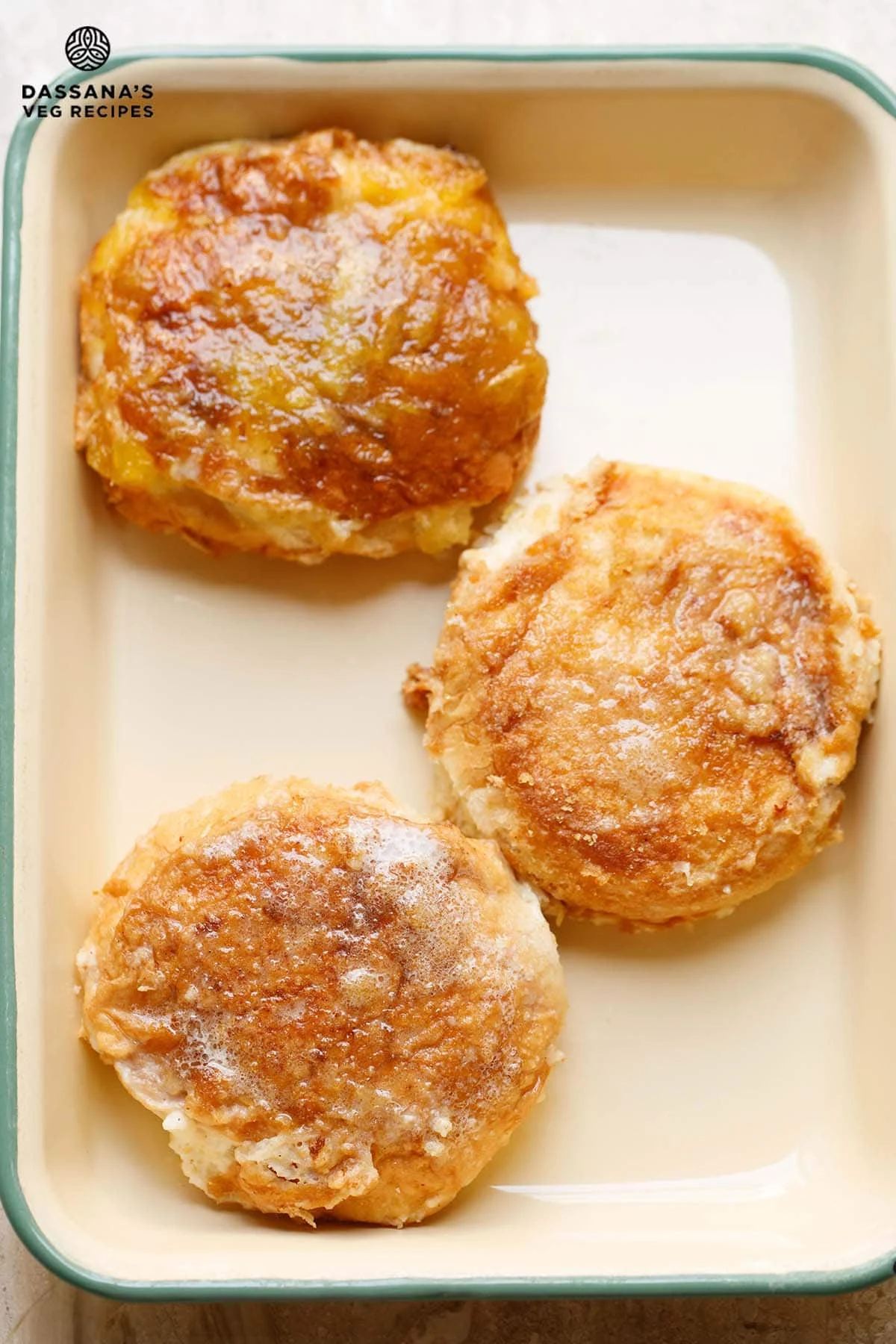
MADURAI, TAMIL NADU — In the labyrinthine streets surrounding the historic Meenakshi Amman Temple, where the air is thick with the scent of jasmine and incense, a different kind of alchemy takes place on the blackened surfaces of heavy iron tawas (griddles). Here, amidst the rhythmic clanging of tea glasses and the hiss of steam, resides a culinary icon of southern India: the Madurai Butter Bun.
While often overshadowed by the city’s more complex offerings like the multi-layered Bun Parotta or the cooling Jigarthanda, the Butter Bun represents the pinnacle of Madurai’s street-food philosophy: transforming humble, everyday ingredients into a decadent sensory experience. It is a dish that defines the "Thoonga Nagaram"—the city that never sleeps—serving as a bridge between a quick breakfast and a late-night indulgence.
I. Main Facts: The Anatomy of a Street-Side Delicacy
The Madurai Butter Bun is deceptively simple, yet its execution requires a specific cadence of heat and timing. Unlike the famous "Bun Maska" of Mumbai’s Irani cafés—which relies on a thick, cold slab of whipped butter or cream tucked into a room-temperature bun—the Madurai version is a cooked preparation. It is a "toasted" snack where the bun, butter, sugar, and milk are fused together through heat.
Key Characteristics:
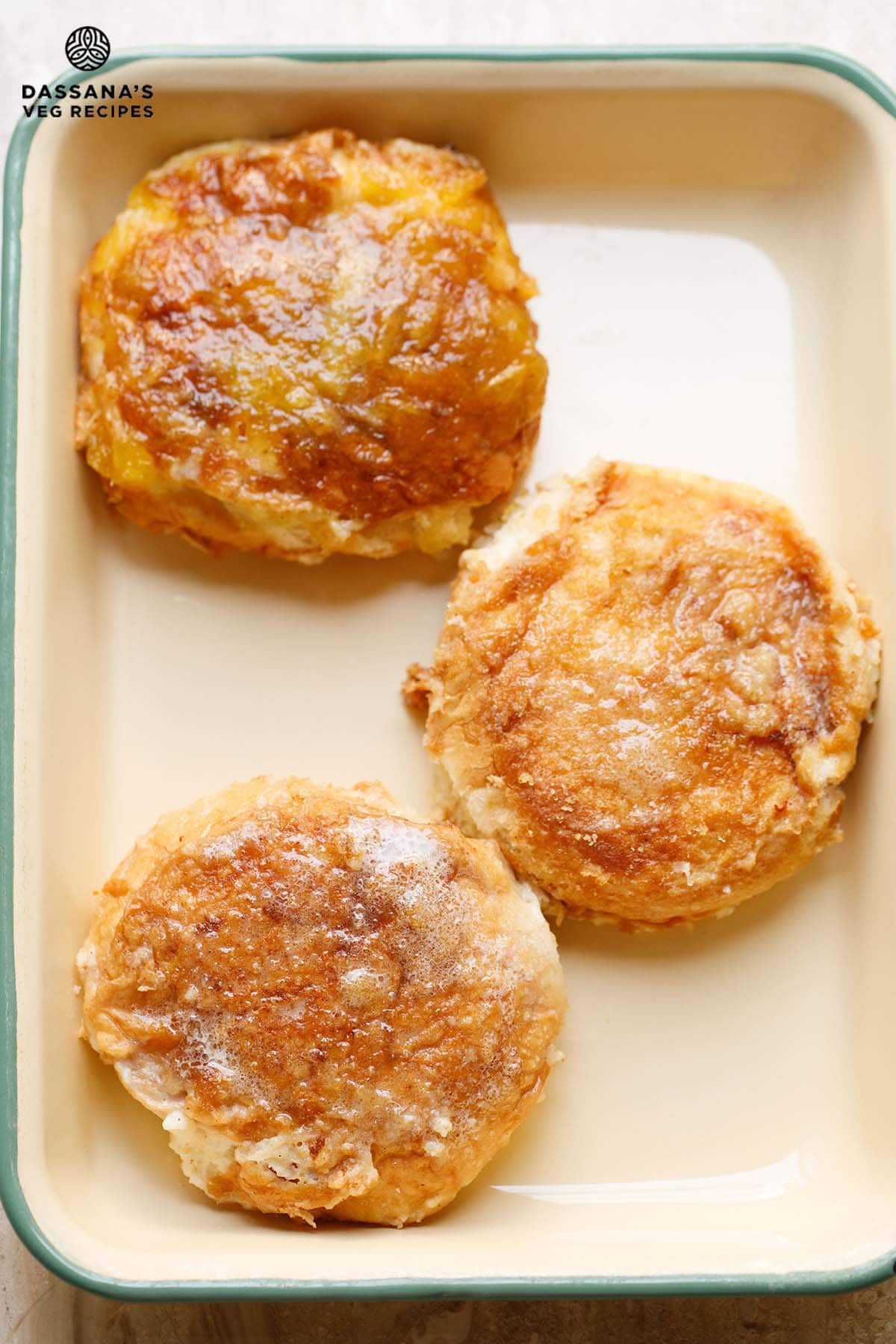
- The Texture Profile: The hallmark of a perfectly executed Madurai Butter Bun is the contrast. The exterior must achieve a light, glass-like crunch from caramelized sugar, while the interior crumb remains moist, soft, and almost pudding-like due to the absorption of milk.
- The Ingredient Synergy: It utilizes four primary components: soft sweet buns (often studded with tutti frutti), generous amounts of butter (traditionally unsalted white butter), granulated sugar, and milk infused with cardamom.
- Cultural Context: In Tamil Nadu, the tea stall (chai kadai) is a social equalizer. The Butter Bun is the quintessential companion to a "strong" Filter Coffee or a frothy Masala Chai, priced to be accessible to the common laborer while remaining delicious enough to attract culinary tourists.
II. Chronology: From Bakery Shelf to the Sizzling Tawa
The journey of a Madurai Butter Bun from a simple bakery item to a caramelized masterpiece follows a specific chronological process that has been perfected by street vendors over decades.
Phase 1: The Preparation and Priming
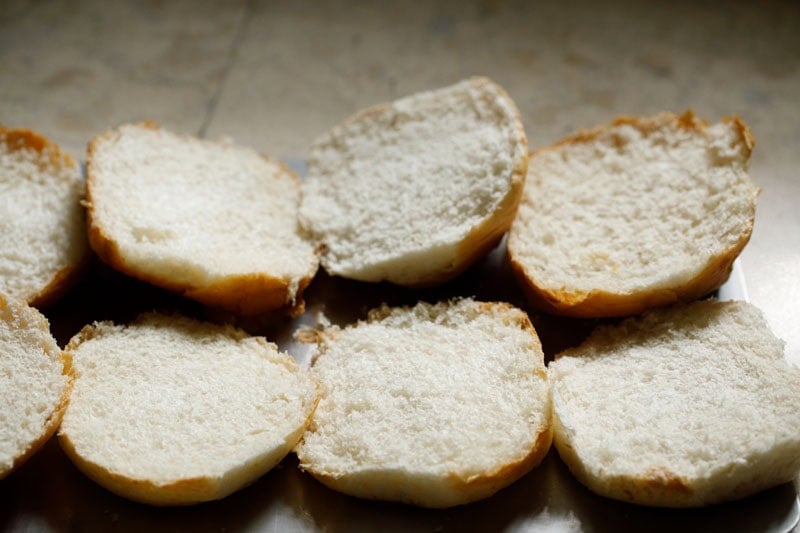
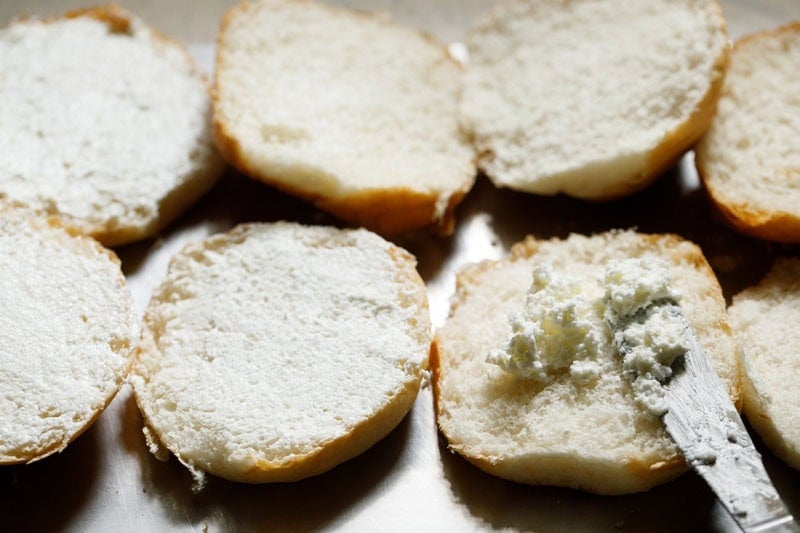
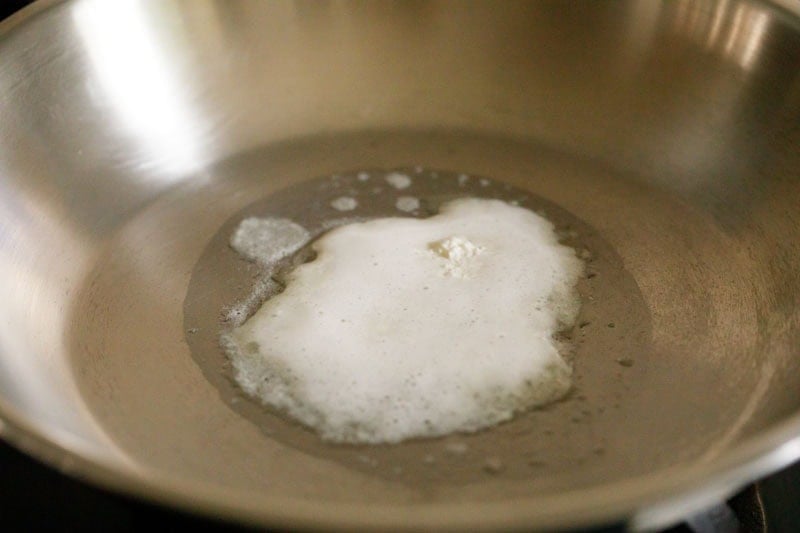
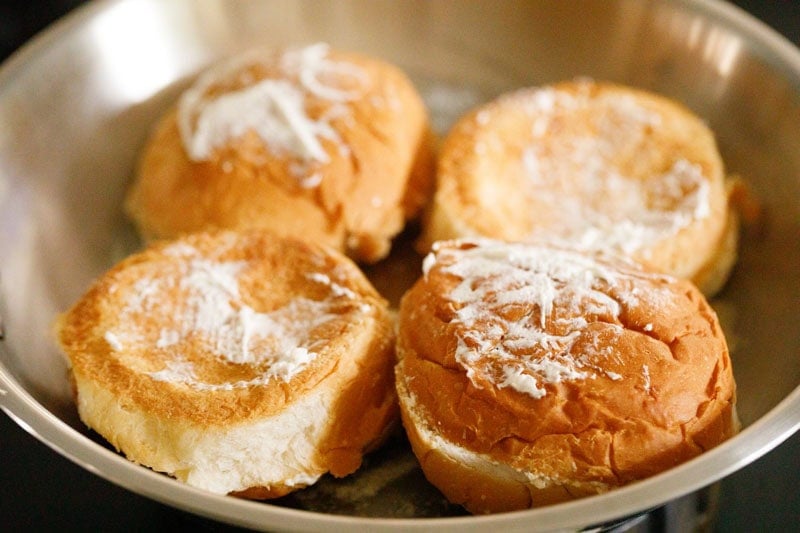
The process begins with the selection of the bun. While standard burger buns or pav can be used, the traditional choice is a "sweet bun." These are sliced horizontally, creating a canvas for the first layer of fat. Vendors typically use homemade white butter (vennai), which has a higher moisture content and a cleaner flavor profile than processed yellow butter. This butter is slathered generously on both inner faces of the bun.
Phase 2: The Sugar and Sealing
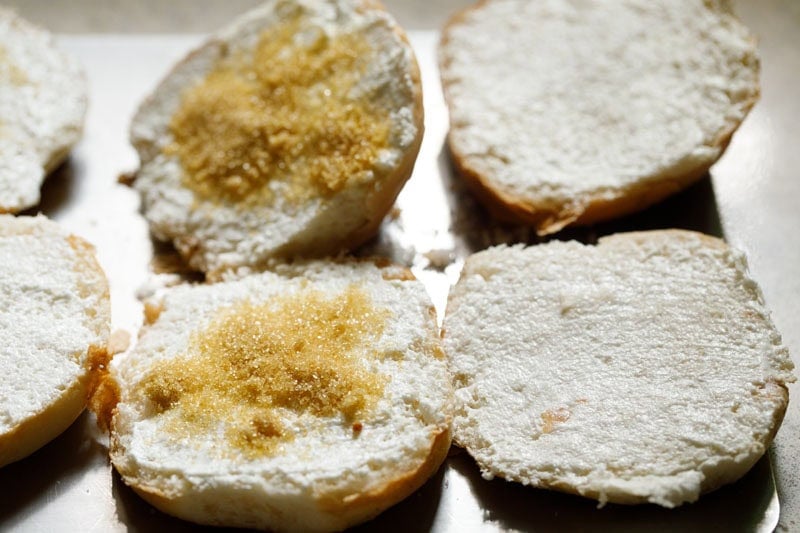
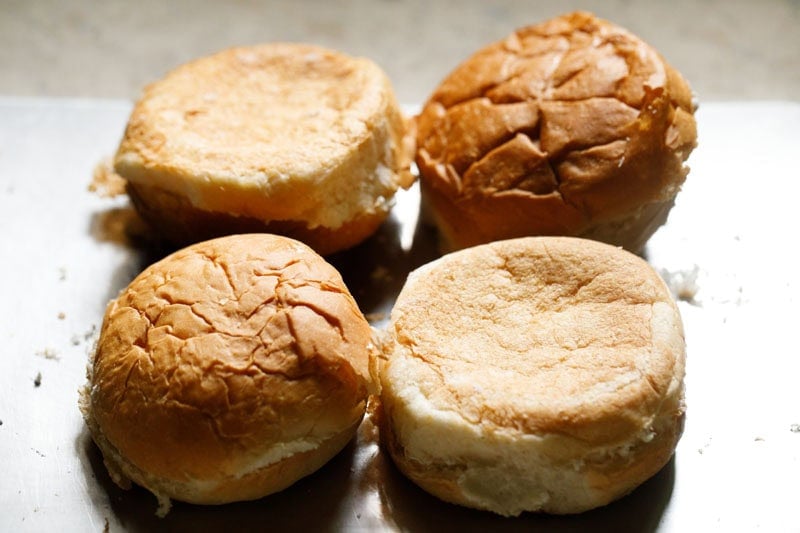
Granulated sugar—often raw or minimally refined—is sprinkled over the buttered surface. This isn’t just for sweetness; it is the catalyst for the Maillard reaction. Once the sugar is applied, the bun is closed, effectively creating a butter-and-sugar sandwich ready for the heat.
Phase 3: The First Toasting
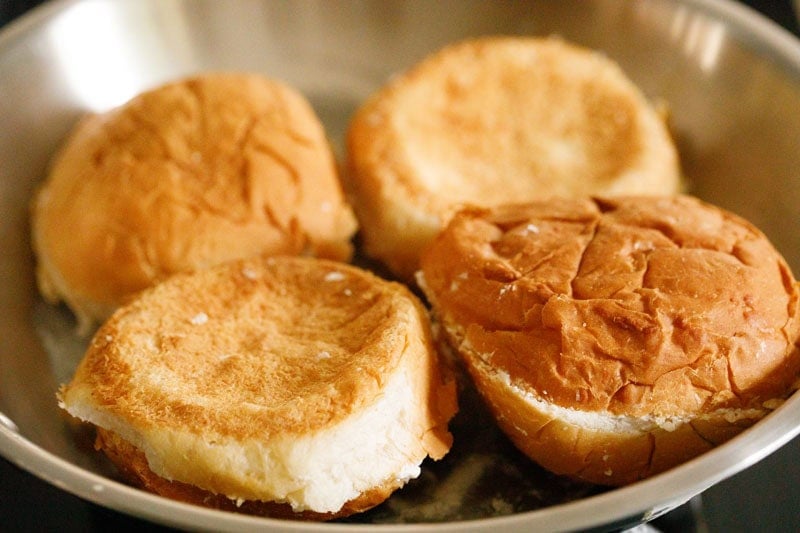
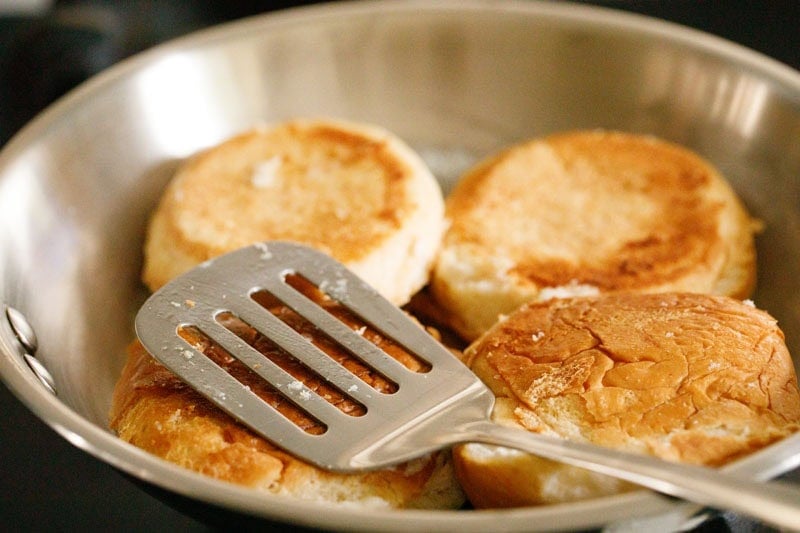
The vendor places the bun on a heavy iron tawa over a medium-low flame. High heat is the enemy here; it would burn the sugar before the heat could penetrate the core. As the bun sits on the griddle, more butter is added to the pan, and the bun is flipped. A spatula is used to press the bun firmly, ensuring every millimeter of the surface makes contact with the heat.
Phase 4: The Milk Infusion (The Secret Step)
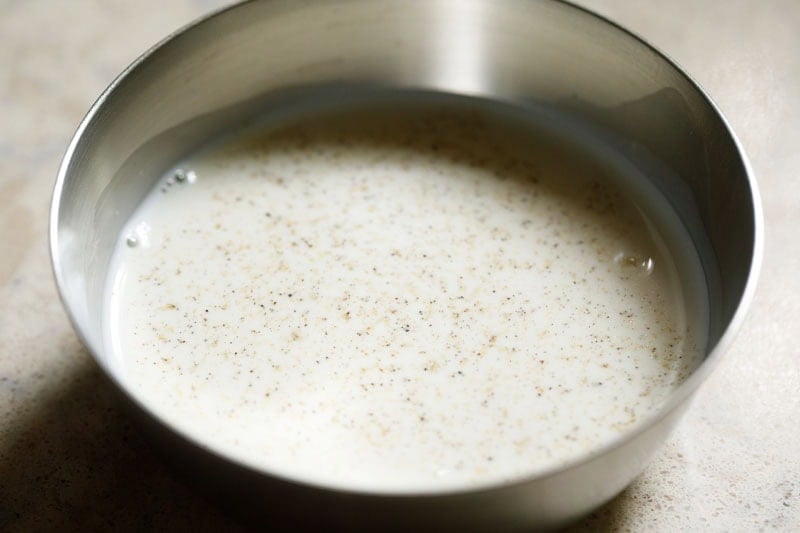
This is where the Madurai Butter Bun differentiates itself from any other toasted bread. The vendor pours a small amount of milk—often flavored with a hint of cardamom—directly onto the pan around the bun and a little over the top. The milk immediately hits the hot iron, creating a cloud of steam. This steam migrates into the bun, softening the gluten structure and creating a creamy, moist interior that mimics the texture of a bread and butter pudding.
Phase 5: The Final Caramelization
As the milk evaporates, the residual sugars from the milk and the added granulated sugar begin to bubble and brown. The vendor flips the bun one last time, allowing the edges to crisp up into a golden-brown crust. The result is a hot, fragrant, and glistening bun that is served immediately, often with an extra dollop of butter on top for good measure.
III. Supporting Data: Nutritional and Technical Specifications
To understand the impact of the Madurai Butter Bun, one must look at its composition. While it is undeniably an indulgent snack, it provides a significant caloric boost, which historically served the city’s working class during long shifts.
Nutritional Breakdown (Per Serving/Bun):
- Calories: Approximately 340 kcal.
- Total Fat: 25g (with 15g being saturated fat).
- Carbohydrates: 26g (of which 12g are sugars).
- Protein: 4g.
- Micronutrients: The addition of milk and butter provides a surprising array of nutrients, including Vitamin A (749 IU), Calcium (70mg), and trace amounts of Vitamin D and Iron.
The Science of the Steam:
The use of milk in the cooking process is a technical masterstroke. Bread is hygroscopic; it wants to absorb moisture. By adding milk to a hot pan, the vendor creates a "wet-heat" environment. The steam prevents the bun from becoming a "rusk" (completely dry and hard) and instead ensures the "soft-inside, crisp-outside" duality that defines the dish.
IV. Official and Cultural Perspectives: The Soul of the Tea Stall
Food historians and local residents alike view the Butter Bun as more than just food; it is a piece of Madurai’s living history.
"Madurai is a city defined by its nocturnal energy," says a local culinary guide. "When the temples close their doors, the street stalls open theirs. The Butter Bun is the fuel for the city’s night owls. It’s cheap, it’s fast, and it’s deeply comforting."
Local tea stall owners, many of whom have operated for three generations, emphasize the importance of the tawa. "A new pan won’t give you the same flavor," explains one vendor near the Periyar Bus Stand. "The iron has to be seasoned by thousands of buns, thousands of splashes of milk. That is where the ‘smoky’ sweetness comes from."
The dish also reflects the regional preference for cardamom. While Western iterations might use cinnamon, the use of elaichi (cardamom) in the milk provides a cooling, floral counterpoint to the heavy fats of the butter, making the snack feel less cloying.
V. Implications: Economic Impact and the Globalization of Street Food
The continued popularity of the Madurai Butter Bun has several broader implications for the region’s economy and the global food landscape.
1. Culinary Tourism and Economic Vitality:
Madurai has seen a surge in "food walks" and culinary tourism. The Butter Bun, along with Jigarthanda, has become a "must-have" experience, driving revenue to small-scale roadside entrepreneurs. These stalls are often family-run businesses that sustain local micro-economies, sourcing milk from nearby dairies and buns from local bakeries.
2. The "Hyper-Local" Trend:
As global food palettes become more adventurous, there is a growing movement toward "hyper-local" snacks. The Madurai Butter Bun is now appearing on the menus of high-end South Indian restaurants in cities like Chennai, Bangalore, and even London and New York. This elevation of street food to "gourmet" status helps preserve traditional cooking methods while introducing them to a wider audience.
3. Adaptability and Innovation:
The recipe’s inherent flexibility—such as the "Jam Variation" or vegan adaptations using plant-based fats and oat milk—ensures its survival in an era of changing dietary preferences. By allowing for such modifications without losing its core identity, the Butter Bun remains relevant to younger, more health-conscious generations.
4. Preservation of Artisanal Skills:
The technique of managing a hot tawa, flipping delicate, milk-soaked bread without breaking it, and achieving the perfect level of caramelization is an artisanal skill. As industrial food production grows, the survival of the Madurai Butter Bun represents the continued value of human touch in the culinary arts.
In conclusion, the Madurai Butter Bun is a testament to the power of simplicity. It does not require exotic ingredients or complex technology. Instead, it relies on the mastery of heat and the thoughtful combination of staples. For anyone visiting the ancient city of Madurai, a bite of this warm, buttery, and sugar-crusted bun is more than just a snack—it is a taste of the city’s enduring and hospitable spirit.
