

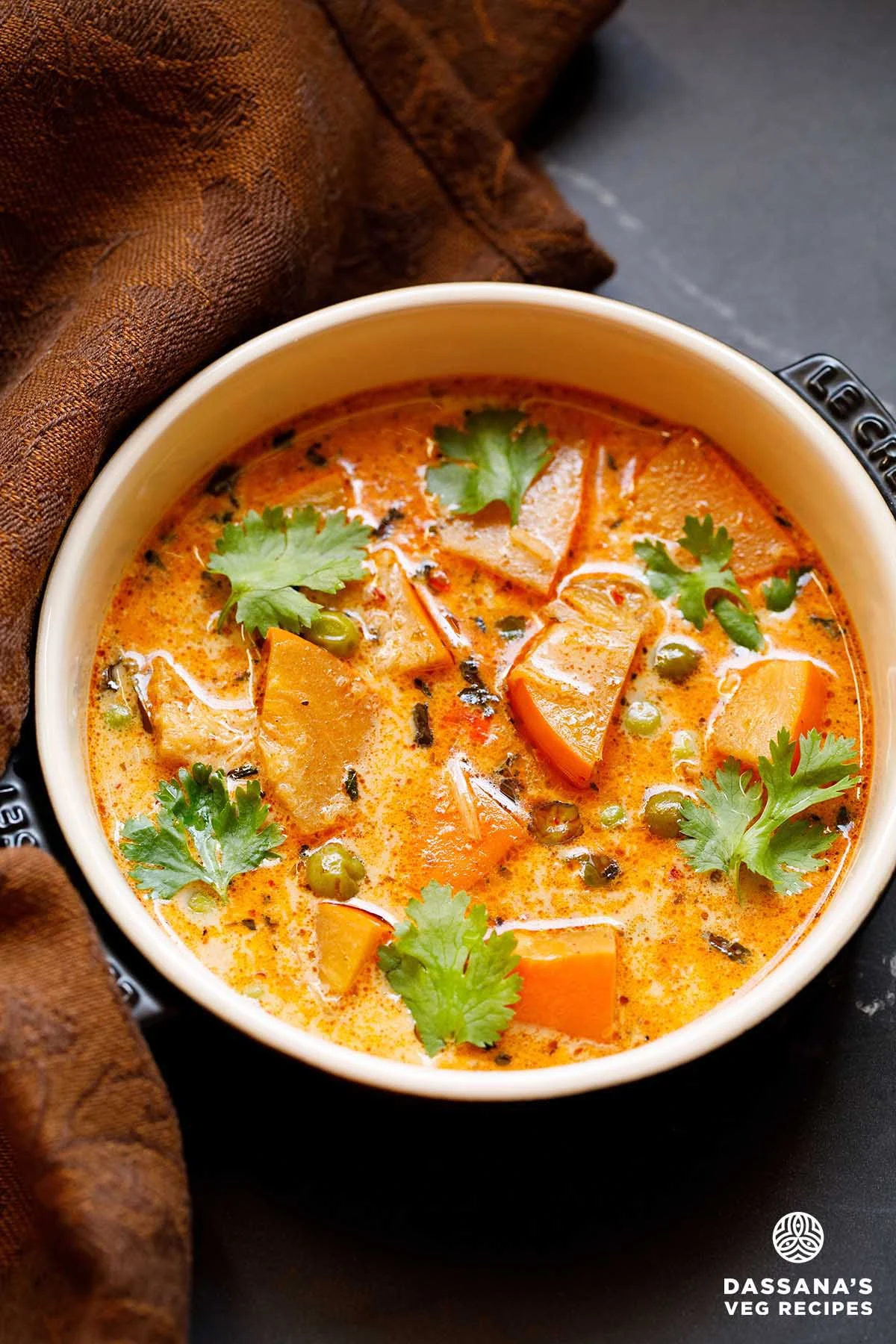
The global gastronomic landscape has seen a significant shift toward plant-based, nutrient-dense, and flavor-forward cuisines. At the forefront of this movement is Thai culinary tradition, renowned for its intricate balance of four essential flavors: sweet, sour, salty, and spicy. Among the diverse repertoire of Thai silvan dishes, the Thai Style Pumpkin Curry—traditionally known as Gaeng Fak Thong—stands out as a masterclass in texture and aromatic depth.
This coconut milk-based curry represents more than just a meal; it is an exercise in culinary harmony, blending the earthy sweetness of harvest vegetables with the aggressive heat of Southeast Asian aromatics. As home cooks and professional chefs alike seek to replicate authentic international flavors, understanding the structural components and procedural nuances of this dish becomes essential.
Main Facts: The Essence of Gaeng Fak Thong
Thai Pumpkin Curry is a foundational pillar of Thailand’s "red curry" family. Unlike its more protein-heavy counterparts that feature duck or seafood, Gaeng Fak Thong prioritizes the pumpkin as its centerpiece. The dish’s identity is defined by its creamy coconut base and the use of a robust red curry paste, which serves as the flavor engine for the entire preparation.
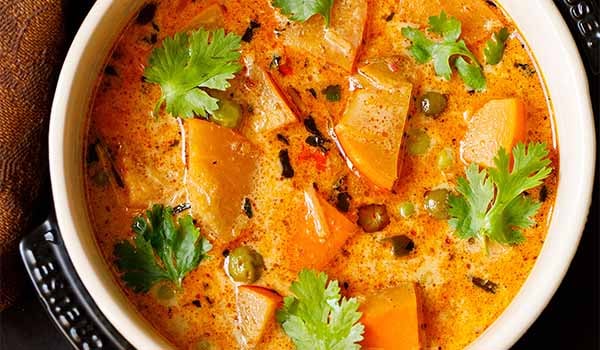
The primary objective of the dish is to achieve a specific mouthfeel: the pumpkin must be fork-tender, nearly melting into the sauce, yet retaining enough structural integrity to be identifiable. The flavor profile is characterized by an initial hit of coconut creaminess, followed by the creeping heat of bird’s eye chillies, and rounded off with the citrusy brightness of lemongrass and kaffir lime.
While the dish is inherently vegetarian in the version presented by culinary experts like Dassana Amit of Veg Recipes of India, it maintains a rich umami profile through the strategic use of soy sauce—a vital substitution for the traditional fish sauce (nam pla) used in non-vegetarian iterations. This adaptability makes it a versatile staple in modern global kitchens, catering to a wide range of dietary requirements without compromising on the authentic Thai "soul" of the dish.
Chronology: The Procedural Evolution of the Curry
The construction of a Thai Pumpkin Curry is a sequential process that requires careful heat management and timing. To understand the dish, one must look at its preparation as a series of phases, each designed to layer flavors.
Phase I: The Activation of Aromatics
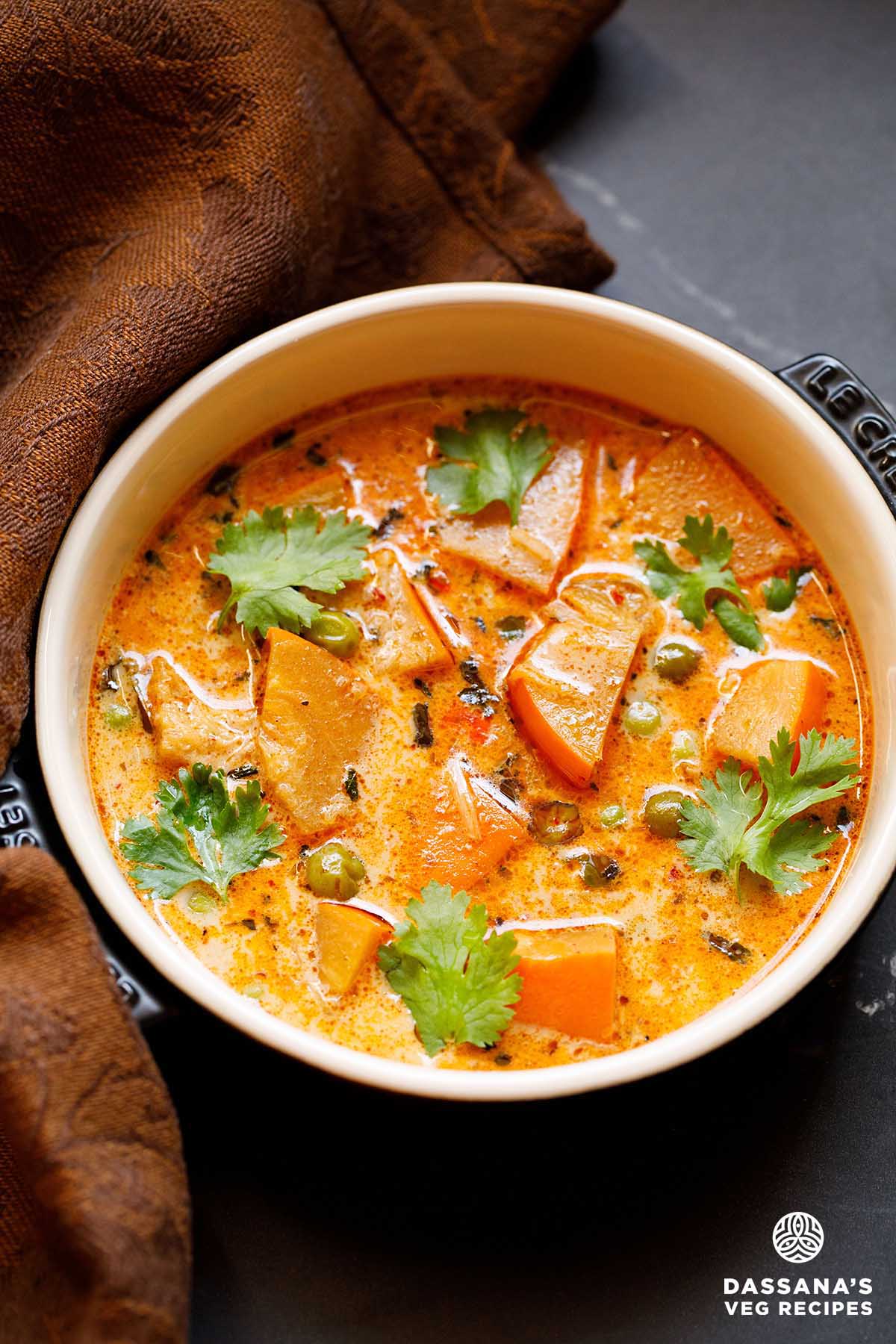
The process begins not with the vegetables, but with the "blooming" of the curry paste. In a pan set to low heat, approximately two tablespoons of coconut oil are heated. The choice of coconut oil is deliberate, as its high smoke point and inherent sweetness complement the coconut milk added later.
Once the oil is shimmering, a quarter-cup of red curry paste (or Panang paste for a nuttier profile) is introduced. This stage is critical; the paste must be sautéed for one to two minutes until the oil begins to separate from the solids. This separation is a visual indicator that the volatile oils in the dried chillies, galangal, and lemongrass within the paste have been fully activated, ensuring a deep, aromatic base.
Phase II: The Integration of Solids
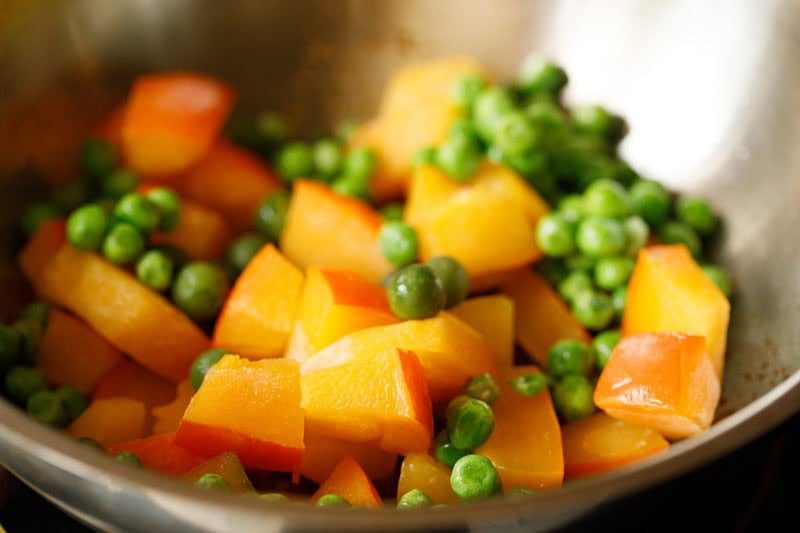
With the aromatic base established, the heat is maintained at a low setting to prevent scorching. Two cups of chopped pumpkin—approximately 200 grams—are added to the pan. For added texture and traditional authenticity, Thai pea eggplants and half a cup of green peas are incorporated.
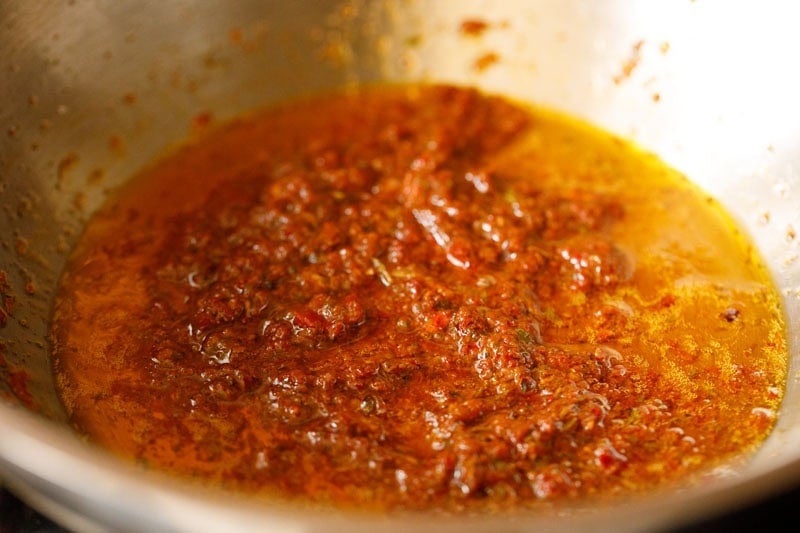
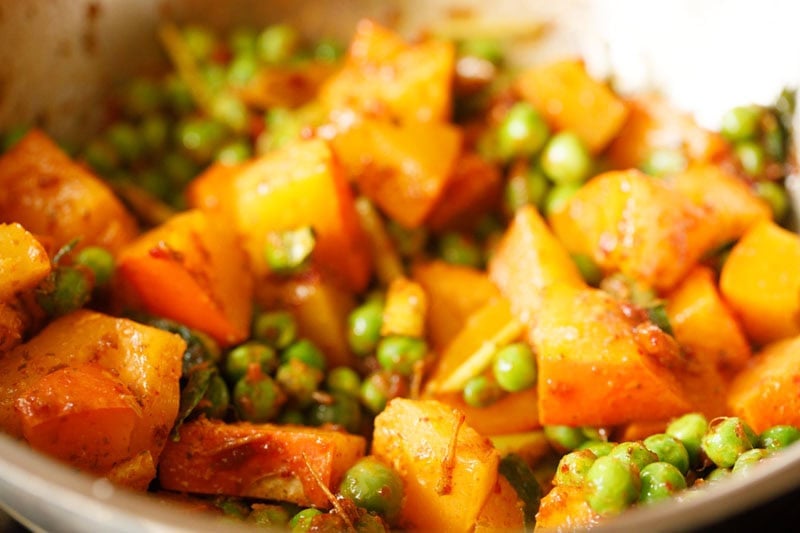
The pumpkin can be prepared with or without the peel. Leaving the skin on provides a rustic texture and prevents the cubes from disintegrating during the simmering process, whereas peeling results in a more refined, velvety finish. These ingredients are tossed in the activated paste for about a minute, ensuring every cube is thoroughly coated in the concentrated spice mixture.
Phase III: The Simmer and Softening
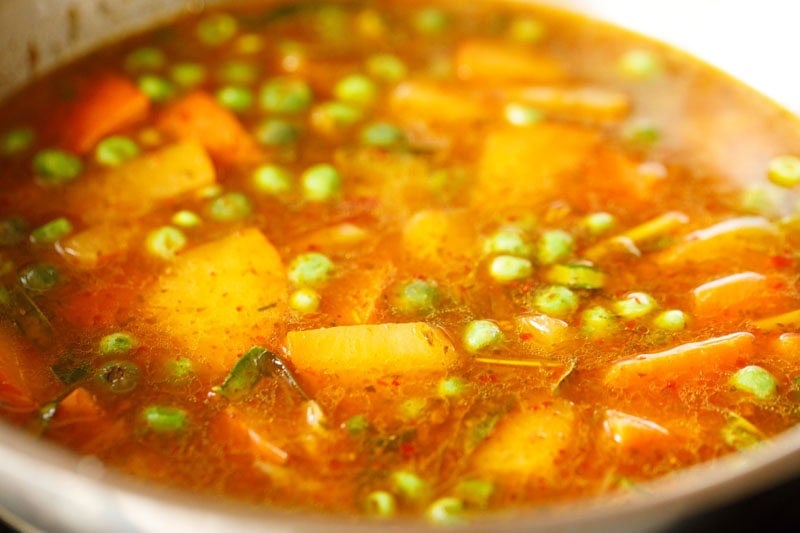
Liquid is then introduced to facilitate the cooking of the dense pumpkin. Approximately 1.25 to 1.5 cups of water are poured into the pan. The mixture is covered and allowed to simmer on medium-low heat. This phase typically lasts between 10 to 15 minutes.
The goal here is "fork-tenderness." If the pumpkin is cut into larger chunks or if the skin is left on, the cooking time may extend to 20 minutes. Precision is required; overcooking leads to a mushy consistency that muddies the clarity of the curry.
Phase IV: The Creaming and Finishing
Once the pumpkin reaches the desired texture, the heat is momentarily turned off. This prevents the coconut milk—the next addition—from curdling or breaking. One cup of thick coconut milk is stirred in, transforming the vibrant red broth into a creamy, pale-orange sauce.
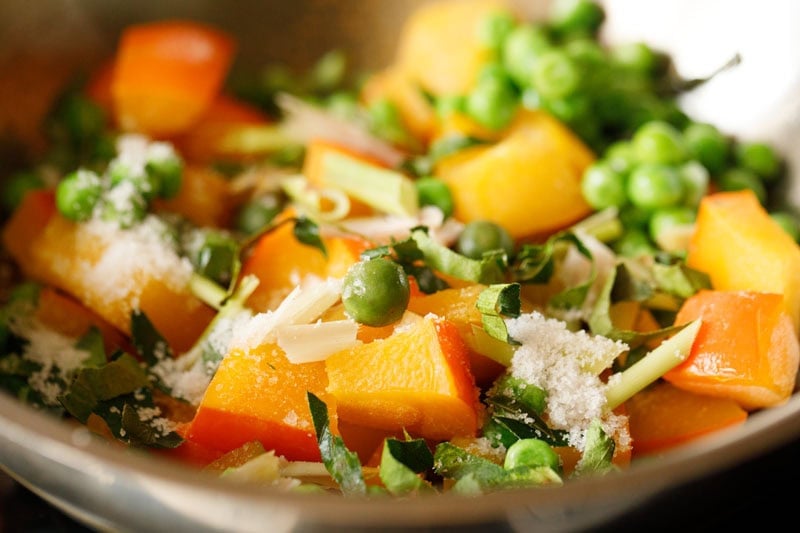
To complete the flavor profile, umami and sweetness are added via dark soy sauce and a teaspoon of raw sugar. The curry is then gently reheated on low until it just reaches the brink of a boil. The final flourish involves stirring in fresh Thai basil or coriander (cilantro) leaves, which provide a cooling, herbaceous contrast to the warm spices.
Supporting Data: Ingredients and Nutritional Profile
The success of Gaeng Fak Thong relies on the quality and specific properties of its components. Below is a breakdown of the key ingredients and the nutritional impact of a standard serving.
Key Ingredients and Their Functions:
- Pumpkin: Provides natural sugars and a soft, absorbent medium for the spices.
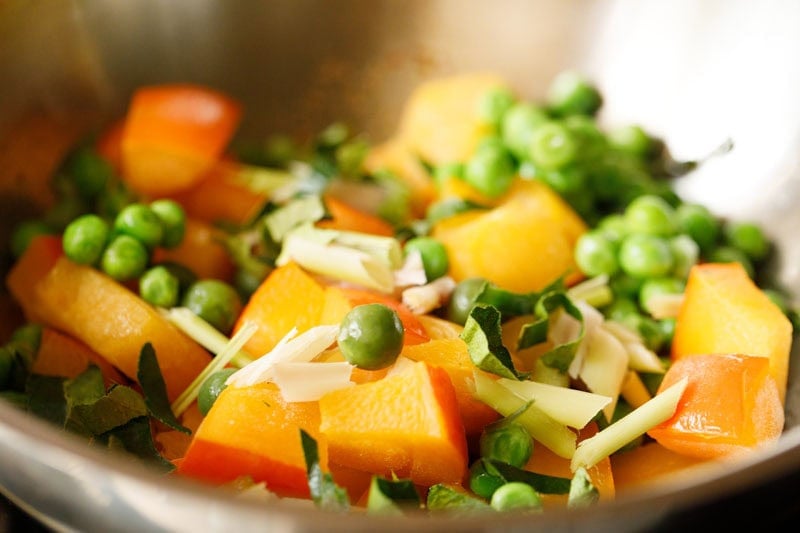
- Kaffir Lime Leaves & Lemongrass: These provide the "top notes" of the dish, offering a high-frequency citrus aroma that cuts through the fat of the coconut milk.
- Bird’s Eye Chillies: Responsible for the "back-of-the-throat" heat.
- Coconut Milk: Acts as the emulsifier, providing body and a fat-soluble base for the spice flavors.
Nutritional Breakdown (Per Serving):
Based on standard recipe formulations, a single serving of Thai Style Pumpkin Curry (approximately 1/4 of the recipe) yields the following data:
- Calories: 234 kcal
- Total Fat: 20g (Saturated Fat: 17g)
- Carbohydrates: 13g (Dietary Fiber: 2g, Sugars: 4g)
- Protein: 3g
- Vitamin A: 6741 IU (135% of Daily Value)
- Sodium: 346mg
- Iron: 3mg
The high Vitamin A content is a direct result of the pumpkin’s beta-carotene, making this dish not only a culinary delight but a significant contributor to ocular and immune health. The fat content, while high, is primarily derived from medium-chain triglycerides (MCTs) found in coconut milk, which are processed differently by the body than long-chain animal fats.
Official Responses: Expert Tips and Technical Guidance
Culinary experts, including the recipe’s developer, emphasize that the flexibility of the dish is its greatest strength, provided certain technical "red lines" are not crossed.
On Paste Selection: While red curry paste is the standard, experts suggest that Panang curry paste offers a thicker, saltier alternative, while Massaman paste can provide a warmer, more "spiced" (cinnamon/cardamom) profile. The choice of paste dictates the "mood" of the curry.
On Consistency Management: A common pitfall is a curry that is either too watery or too thick. The recommendation is to adjust the consistency only at the final stage. If the curry is too dense, a splash of hot water should be whisked in; if too thin, it should be simmered for an additional two minutes before the coconut milk is added.
On Temperature Control: "Do not let the coconut milk boil vigorously," warns the technical guidance. High heat causes the fat to separate from the water in the coconut milk, resulting in a grainy texture rather than a smooth, silky sauce.
Implications: The Cultural and Culinary Context
The proliferation of Thai Pumpkin Curry in international markets carries several implications for the future of global dining. First, it highlights the increasing "culinary intelligence" of home cooks who are now comfortable sourcing specialized ingredients like kaffir lime leaves and Thai bird’s eye chillies.
Secondly, the dish serves as a bridge between culinary traditions. While it is a staple of Thai cuisine, its popularity in regions like India—often served alongside roti or paratha—demonstrates a "fusion" reality where Southeast Asian flavors are integrated into South Asian dining habits. This cross-pollination is a hallmark of the modern era, where the borders between different "Asian" cuisines are becoming increasingly porous.
Finally, the dish underscores the seasonal versatility of the pumpkin. Often relegated to soups or pies in Western contexts, the pumpkin’s role in Gaeng Fak Thong proves that it is a formidable candidate for savory, spicy applications. As food security and sustainable eating become more prominent, utilizing hardy, long-lasting vegetables like pumpkin in high-flavor, plant-based formats will likely remain a dominant trend in the culinary world.
In conclusion, Thai Style Pumpkin Curry is a sophisticated yet accessible dish that rewards the cook’s attention to detail. By balancing the aggressive aromatics of the East with the comforting creaminess of the tropics, it remains a timeless example of Thai culinary excellence.
