

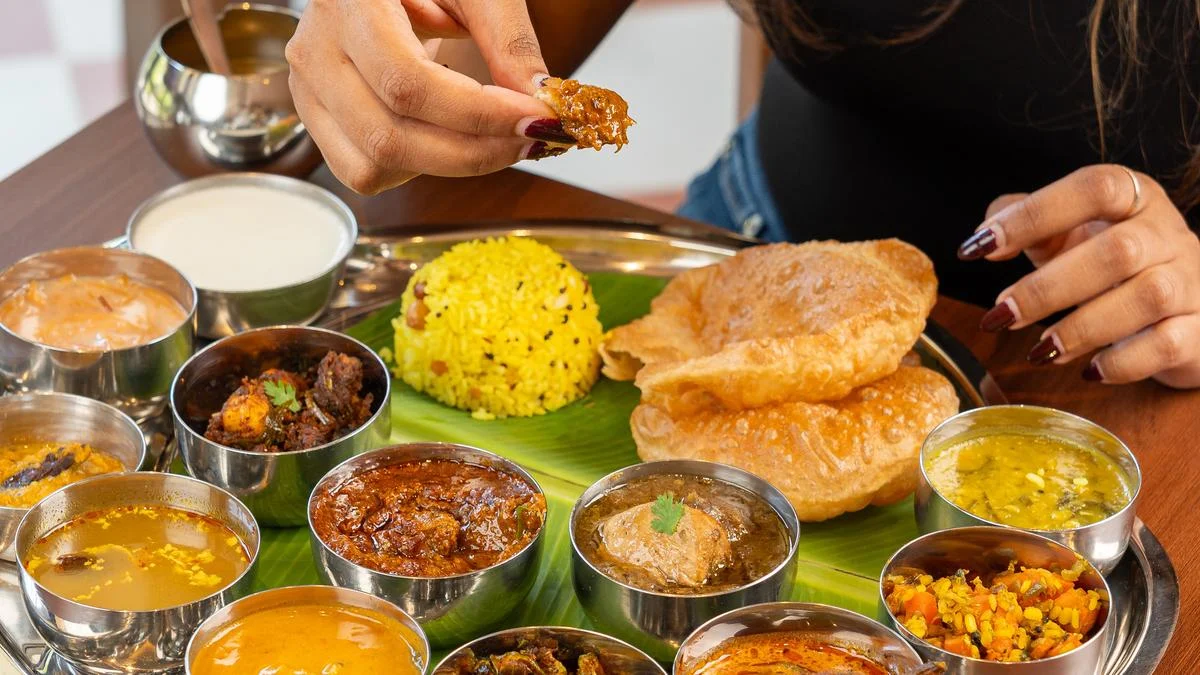
For decades, the culinary identity of Hyderabad was effectively reduced to a single, albeit magnificent, dish: the Dum Biryani. To the outsider, the city was a monolith of long-grain Basmati rice, saffron, and tender goat meat. However, a quiet but potent gastronomic revolution is currently reshaping the city’s landscape. Hyderabad is no longer content with being a one-dish wonder; it is widening the table to reclaim its diverse, hyperlocal, and deeply sophisticated Telugu roots.
This shift is not merely a trend but a structural change in how the city eats, cooks, and presents itself to the world. From the fiery kitchens of Telangana to the seafood-rich coasts of Andhra and the spice-laden plateaus of Rayalaseema, the "Telugu plate" is finally receiving the fine-dining spotlight it has long deserved.
Main Facts: A Paradigm Shift in Palates
The transformation of Hyderabad’s food scene is characterized by a move away from "multi-cuisine" predictability toward "hyperlocal" authenticity. While the city’s love for biryani remains intact, it is no longer the sole protagonist of the culinary narrative. Instead, diners are increasingly seeking out dishes like totakura liver fry, nimmakayya guddu bonda (lemon-infused egg bonda), and chepala pulusu (tangy fish tamarind gravy).
Several key factors define this movement:
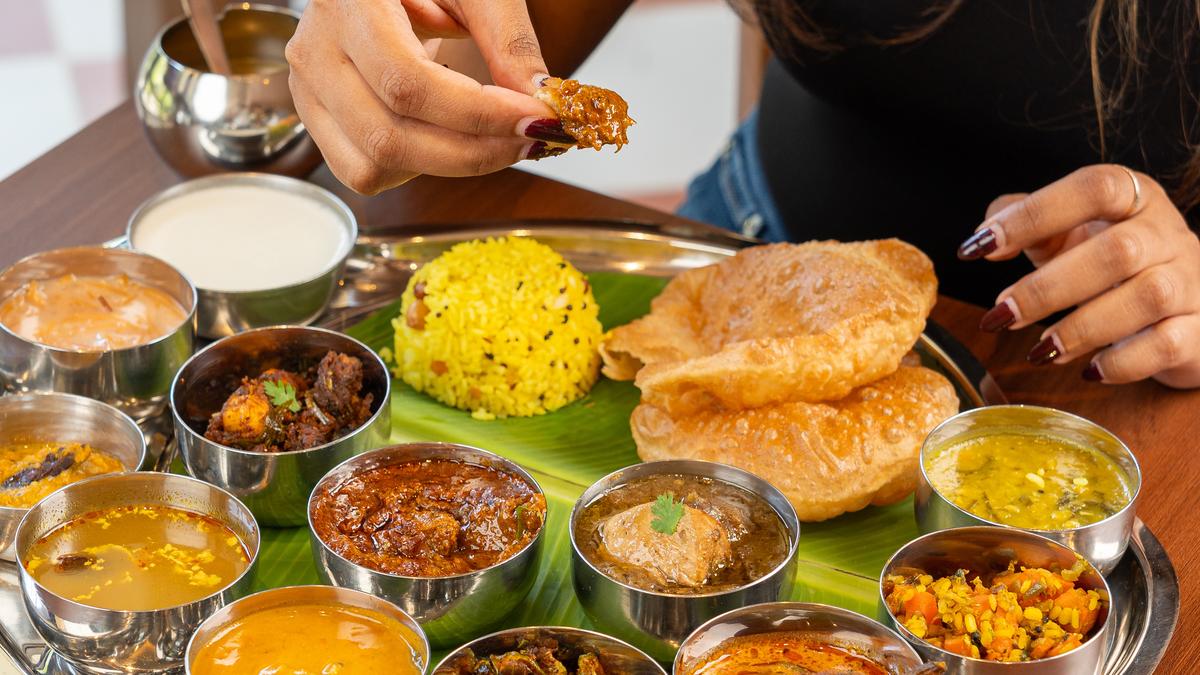
- The Rise of Regional Specialization: Restaurants are moving away from generic menus to focus on micro-cuisines, such as those from Uttar Andhra or the Godavari belt.
- Fine-Dining Sensibilities: Traditional staples like rasam and pappu (dal) are being elevated through sophisticated plating and service styles.
- Ingredient Transparency: A renewed focus on short-grain rice varieties, millets, and indigenous spices is replacing the cream-heavy gravies of North Indian influence.
- Heritage Preservation: Legacy brands and home chefs are collaborating to document and serve "lost" recipes that were previously confined to private homes.
The result is a dining environment where muddapappu avakaya annam (plain dal with mango pickle and rice)—the ultimate Telugu comfort food—is now as likely to be found in a high-end Banjara Hills establishment as it is in a rural household.
Chronology: From Legacy Canteens to Modern Gastronomy
To understand the current boom, one must look at the timeline of Hyderabad’s culinary evolution.
The Foundation (1980s – 1990s):
In 1985, Venugopal Reddy founded Hotel Indu Deluxe, a brand that would become a cornerstone of authentic Telugu dining. During this era, "Telugu food" in the city was largely functional—canteen-style thalis served to the working class and students. While these establishments preserved the flavors, they lacked the "glamour" associated with the Mughlai and Nizami cuisines that dominated the city’s premium hotels.
The Biryani Monolith (2000s – 2015):
As Hyderabad transformed into an IT hub, the global perception of its food became synonymous with the "Paradise" or "Bawarchi" style of biryani. During this period, most new restaurants opted for a "multi-cuisine" approach, pairing biryani with Butter Chicken or Manchurian to appeal to a broad, migrant workforce. Telugu food was often relegated to the background, seen as "too spicy" or "too simple" for formal occasions.
The Regional Resurgence (2016 – 2023):
The tide began to turn as restaurateurs realized that the "one-size-fits-all" menu was losing its charm. Establishments like Spicy Venue began to prove that diners were willing to pay for high-quality, regional comfort food. The pandemic further accelerated this, as people craved the "home-cooked" flavors of their childhoods, leading to a surge in demand for authentic pacchadis (pickles) and vepudus (fries).
The Modern Era (2024 – Present):
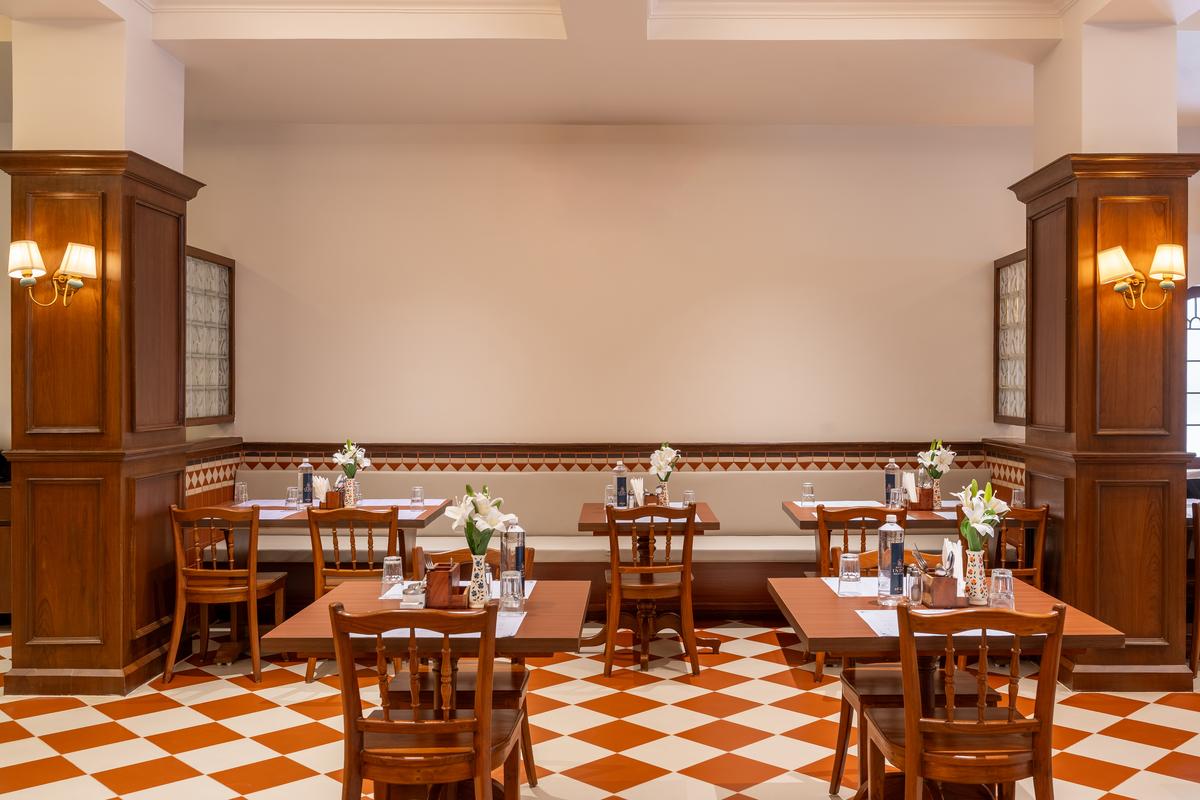
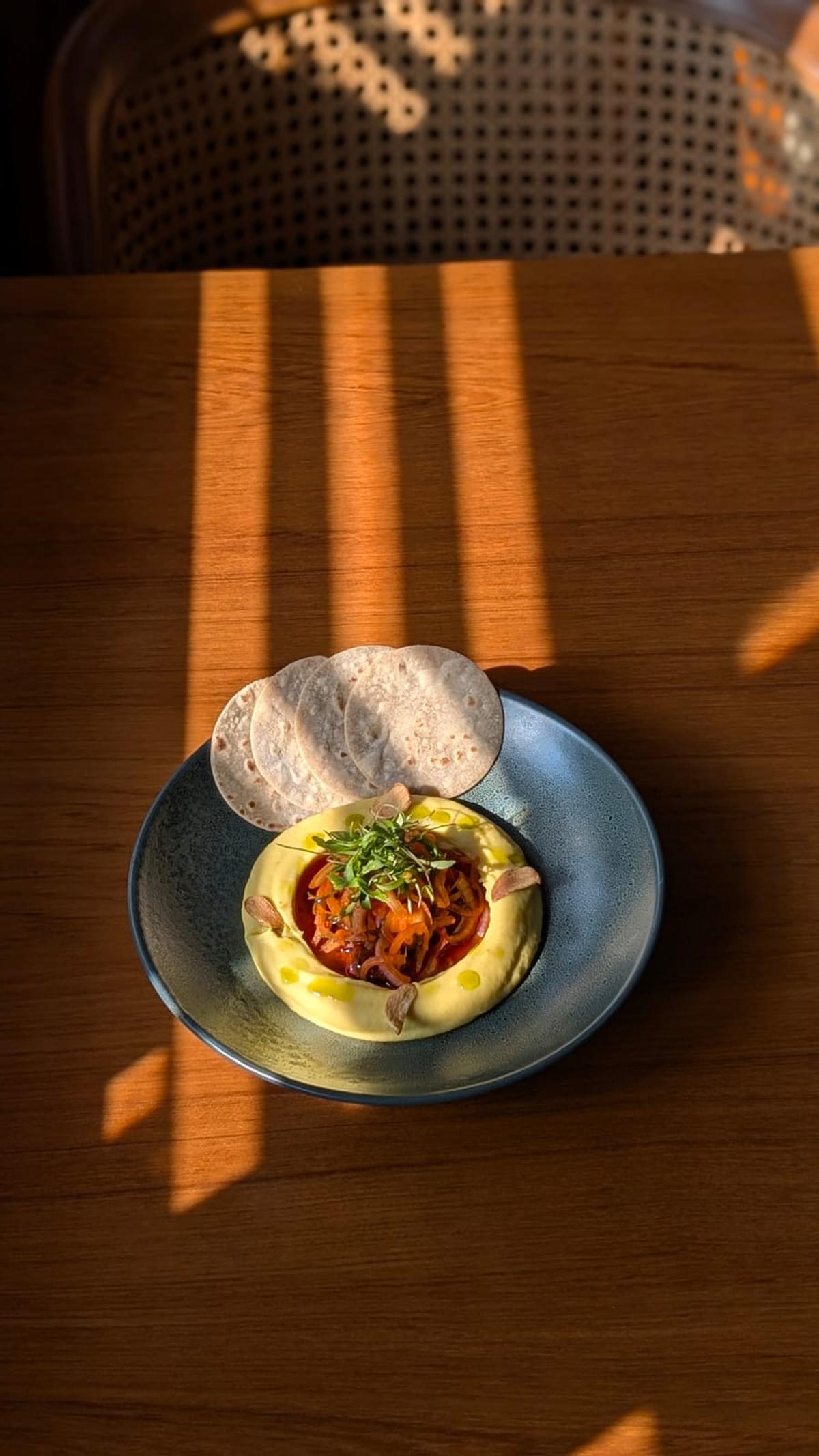
Today, we see the emergence of "Neo-Telugu" kitchens. These are spaces where tradition meets contemporary design. Brands like Terrai and Theta Theta Telugu are not just serving food; they are archiving history. They represent a generation of restaurateurs who are confident enough in their heritage to serve muddapappu hummus or rasam in delicate amuse-bouche cups.
Supporting Data: Mapping the Micro-Cuisines
The "Telugu cuisine" label is a broad umbrella covering several distinct culinary territories, each now finding its own voice in Hyderabad.
The Telangana Influence
Telangana cuisine is known for its rustic, robust flavors and the use of ingredients like jowar (sorghum), bajra (pearl millet), and chinta chiguru (tender tamarind leaves). Restaurants like Terrai are foregrounding these elements, moving away from the "curry" format to focus on shorbas and golichina mamsam (fried meat). The focus here is on the terrain—rugged, earthy, and intensely flavorful.

The Coastal Andhra and Godavari Belt
This region brings the "heat and tartness" that the original article highlights. The use of fresh seafood, coconut, and the iconic Guntur chili defines this segment. Chepala pulusu served in stone pots is a testament to the slow-cooking techniques of the coastal regions. The use of short-grain rice, which holds the juices of a spicy curry better than long-grain Basmati, is also seeing a resurgence.
The Uttar Andhra Nuance
Perhaps the most "niche" addition to the city’s palate is the cuisine of Uttar Andhra (North Coastal Andhra). Home chefs like Sowjanya Narsipuram have introduced diners to the use of mustard powder as a garnish and the creative use of pulses. Dishes like jeedi kobbari paala koora (cashew and coconut milk curry) offer a milder, creamier profile that challenges the stereotype that all South Indian food is "blow-your-head-off" spicy.
Official Responses: Insights from the Industry Leaders
The architects of this culinary shift emphasize that the move toward regionality is a response to a more inquisitive and health-conscious diner.
Rohit Reddy, Manager of Hotel Indu Deluxe, notes that the decision to expand after 40 years was driven by a gap in the market. "Everyone is inquisitive about Telugu cuisine," Reddy states. "Our cuisine has so much to offer that we don’t need a multicuisine menu. Our cooks are from Bheemavaram, Warangal, West Godavari, and Rajahmundry. There is no need to borrow dishes from elsewhere." This "pride of place" is a recurring theme among modern restaurateurs.

Chef Vignesh Ramachandran of Coffee Sangam highlights the intersection of hygiene and nostalgia. By bringing street-style snacks like punugulu and nimmakaya guddu bonda into a clean, aesthetic cafe setting, he is tapping into a deep-seated cultural craving. "As Indians, we return to familiar flavors for comfort. When you compare our regional cuisine with Western offerings, the variety and flavor give us an edge," he explains.
Sampath Tummala, owner of Spicy Venue and Theta Theta Telugu, argues that the presentation is the final frontier for Telugu food. "There has to be a distinction between a rushed lunch and one you plan to celebrate," Tummala says. By serving traditional dishes in stone pots or as individual a la carte items rather than just part of a thali, he is allowing the complexity of each recipe to shine.
Gopi Bylapula of Culinary Lounge takes a more global view, drawing parallels to international recognition. He points to UNESCO’s 2025 inscription of Italian cuisine as a benchmark for what Telugu food should aim for. "Showcasing regional food can drive cultural and culinary tourism while preserving intangible heritage," Bylapula asserts.
Implications: Tourism, Identity, and the Future of the Plate
The diversification of Hyderabad’s food scene has profound implications beyond the restaurant floor.
1. Culinary Tourism
As Hyderabad moves beyond the biryani, it positions itself as a premier destination for culinary tourism in India. Travelers are no longer coming just for a "bucket-list" meal at a famous biryani joint; they are coming for "food trails" that explore the nuances of the Deccan. This creates a larger ecosystem that benefits local farmers, spice traders, and traditional artisans who make the stone pots and brassware now used in fine dining.
2. The Decline of the "Butter Chicken" Default
For years, the hospitality industry in India relied on a "safe" menu of North Indian and Indo-Chinese dishes. The success of Telugu-forward restaurants in Hyderabad is a signal to the rest of the country that regionality is the new "safe" bet. Diners are increasingly rejecting the "predictability of cream-heavy gravies" in favor of the textured, acidic, and complex flavor profiles of the south.
3. Empowerment of Home Chefs and Micro-cuisines
The rise of home chefs like Sowjanya Narsipuram indicates a democratization of the food industry. You no longer need a massive commercial kitchen to influence the city’s palate. This opens the door for other marginalized or "forgotten" regional cuisines—such as the tribal foods of the Eastern Ghats—to find a place in the mainstream.
4. Redefining "Elevated" Dining
The shift in Hyderabad is redefining what "luxury" means in an Indian context. It is no longer about imported ingredients or French techniques; it is about the "layered, hyperlocal techniques" that take years to master. When a bowl of gongura pappu is treated with the same reverence as a truffle risotto, the cultural hierarchy of food begins to level out.

In conclusion, Hyderabad’s culinary scene is undergoing a "reset." By looking backward into its own history and outward toward modern presentation, the city is crafting a new identity. It is a city where the biryani is still king, but the court is now filled with a vibrant, diverse, and fiercely proud array of Telugu flavors that are finally ready for their global closeup.
