

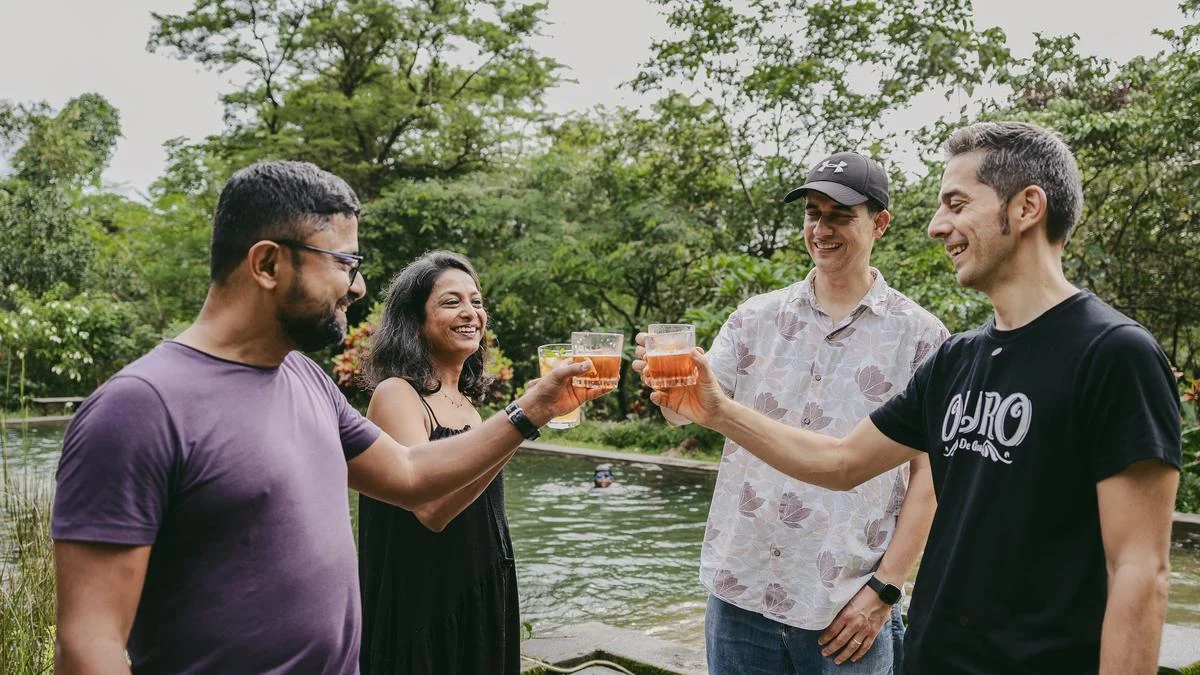
In the collective imagination of the global traveler, Goa is a winter destination—a place of sun-drenched beaches, pulsating electronic music, and the festive reprieve of December. However, for those who have woven their lives into the red soil of this coastal state, the true essence of Goa reveals itself only when the tourists depart and the mercury rises. As the old Portuguese villas begin to trap the heavy heat of the pre-monsoon months and the bustling markets of the high season fall silent, a different kind of life emerges.
This is the season of the cashew, the Mankurad mango, and the elusive, ungentrified spirit known as Urrak. Far from the neon lights of the northern beach belt, the Goan summer is a masterclass in permaculture, community resilience, and the preservation of a pre-industrial heritage that refuses to be commodified.

Main Facts: The Seasonal Metamorphosis of the Goan Vaddo
The transition into a Goan summer is marked by a palpable shift in the atmosphere. Traditionally, summer was the time to leave; before the advent of widespread air conditioning, the thick laterite walls of ancestral homes became heat sinks, and the absence of the "hippie" trail left the coastal villages in a state of suspended animation. Yet, for long-term residents and the indigenous population, this period represents the pinnacle of Goan life.
The socio-economic structure of the Goan vaddo (neighborhood) is built on a foundation of radical trust and agricultural reciprocity. In these hidden pockets of the state, life moves to the rhythm of the harvest. The "poi man" (traditional bread delivery) continues his rounds, leaving fresh leavened bread at doorsteps regardless of immediate payment, and neighbors serve as stewards for each other’s land.
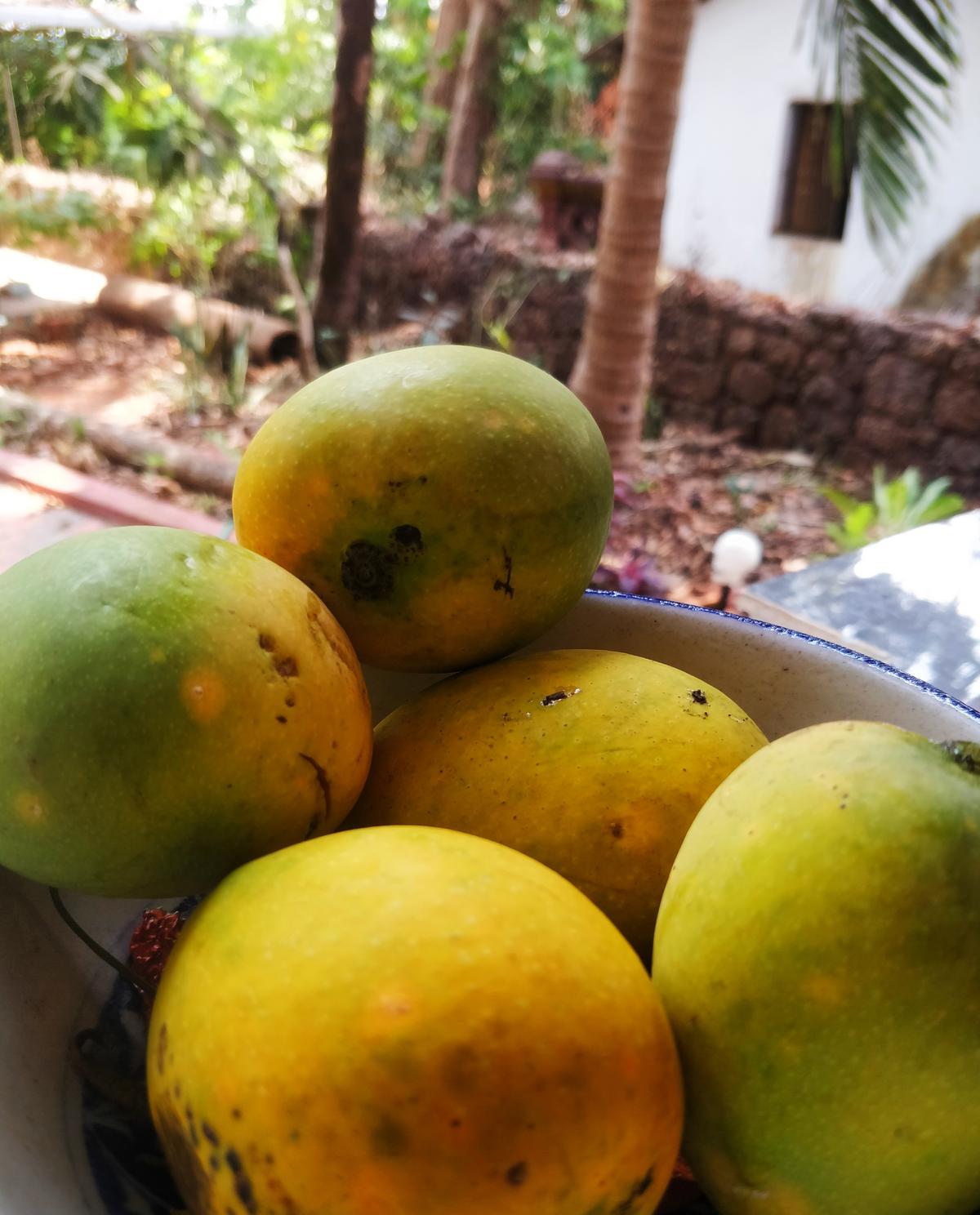
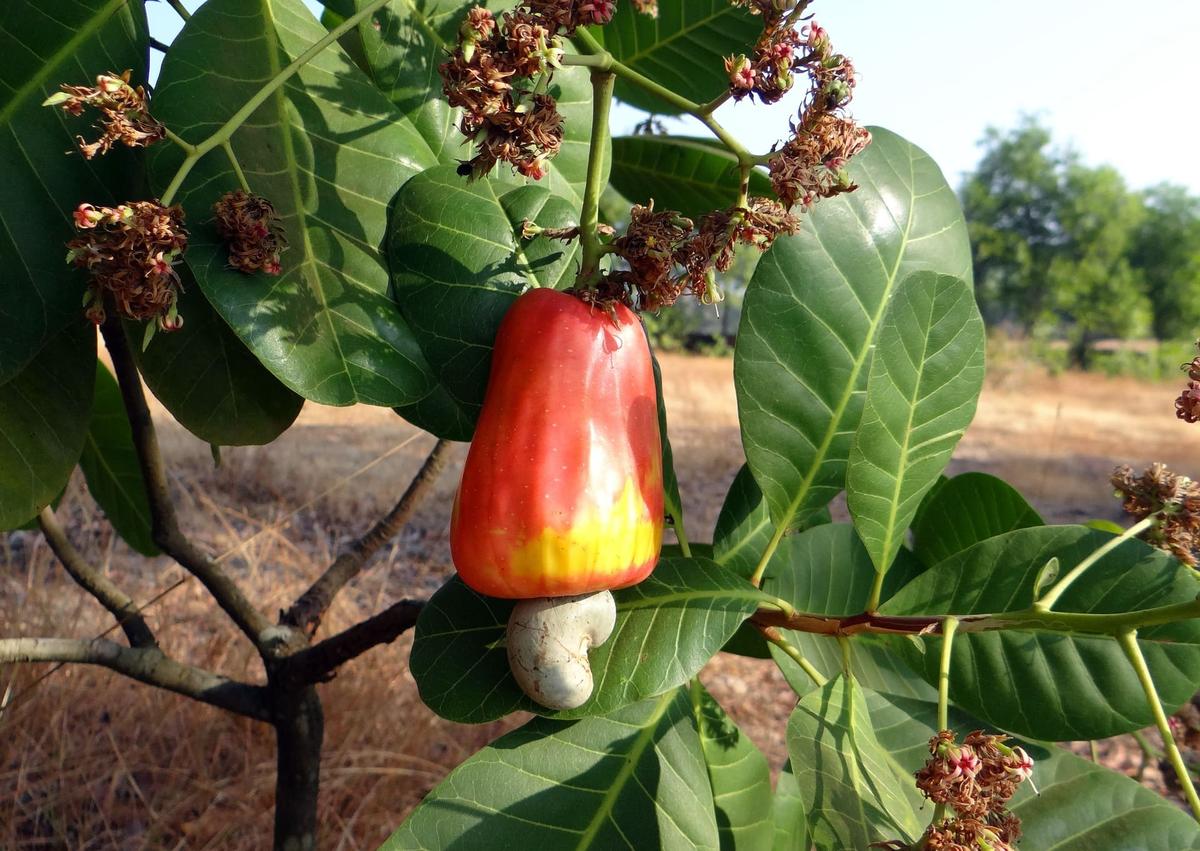
The primary characteristic of this season is an explosion of hyper-local produce. While the world celebrates the Alphonso mango, Goans remain fiercely loyal to the Mankurad—a homegrown variety that commands high prices and intense devotion. Alongside the mango, the landscape yields jackfruit, fresh kokum, and the omnipresent cashew apple. The latter is the catalyst for the state’s most significant seasonal industry: the production of Urrak. Unlike its more famous, double-distilled successor, Feni, Urrak is the first distillate of the season—a cloudy, potent, and cooling nectar that serves as the "elixir of summer."
Chronology: Five Centuries of the Cashew’s Journey
To understand the significance of the cashew in Goan culture, one must look back half a millennium. The tree (Anacardium occidentale) is not indigenous to the Indian subcontinent.
- The 16th Century: Portuguese explorers and missionaries transported the cashew tree from Brazil to Goa. The primary motivation was not the fruit or the nut, but the tree’s robust root system. The Portuguese, acting as early practitioners of what we now call permaculture, recognized that the cashew thrived in poor, laterite soil.
- The Colonial Strategy: The trees were planted along the coastal belts to act as a windbreak and a barrier against soil erosion, protecting the more delicate paddy fields and spice gardens of the interior. Over time, the cashew became a "protector" of the Goan landscape.
- The Discovery of the Spirit: While Brazilians never developed a tradition of distilling the cashew apple juice, Goans applied ancient local knowledge of palm sap distillation to this new fruit. The term Urrak itself is derived from the same roots as arrak or arak, terms used across the Old World to denote a primary distillate.
- The Early 2000s to Present: The author’s personal chronology mirrors the state’s transformation. Moving from the "hippie haunts" of the early 2000s to a traditional vaddo today reflects a broader movement among conscious residents to move away from commercial tourism and toward "the Goa of the Goans"—a life defined by the cashew harvest and seasonal continuity.
Supporting Data: The Ecology and Economy of Cashew Distillation
The cashew tree is an ecological powerhouse. It is a perennial crop that requires almost no chemical intervention, making it a naturally organic pillar of the Goan economy.
Environmental Impact
The cashew tree contributes significantly to carbon sequestration and soil health. Its annual shedding of leaves provides a rich layer of organic manure, and its roots facilitate deep water percolation during the heavy monsoons. In the context of modern sustainability, the cashew orchards of Goa represent a low-input, high-yield system that supports biodiversity without the need for the destructive monocultures seen in other parts of the country.
The Distillation Process
The production of Urrak remains one of the last truly pre-industrial processes in the spirits world. The methodology is defined by manual labor and seasonal timing:
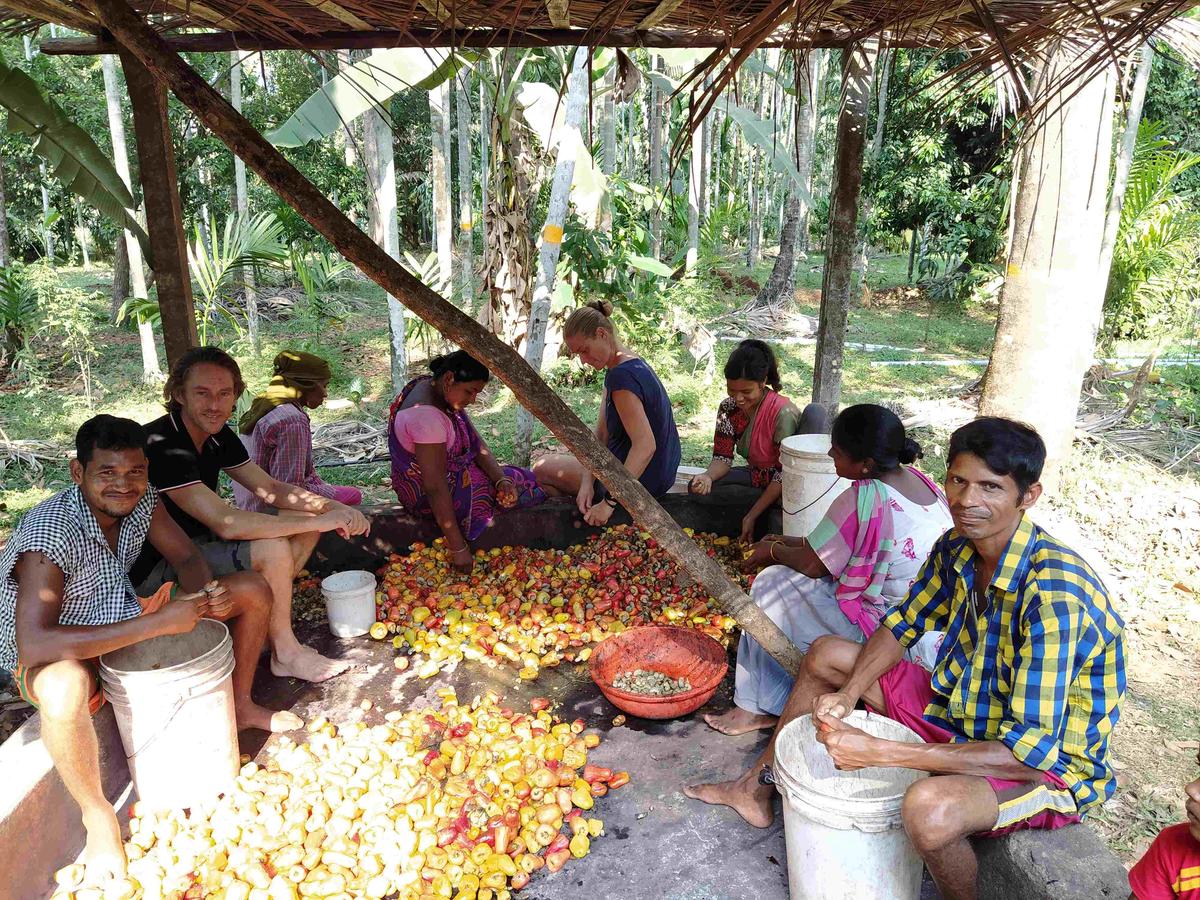
- Collection: Ripe fruit is never plucked; it is gathered from the orchard floor once it has naturally fallen, ensuring peak sugar content.
- The Koimbi: The seeds (cashew nuts) are removed manually. The apples are then placed in granite-lined stone pits. The juice is extracted through "foot-crushing," a traditional method known as koimbi.
- Fermentation and Distillation: The juice is fermented in clay vessels or modern vats and then distilled in copper stills.
- The Yield: The first batch of the season, emerging in February, is known as pochek. However, the "real" Urrak reaches its peak in March and April. It is the product of the first distillation, usually containing about 12-15% alcohol, though this varies by orchard.
Official Context: The GI Tag and the Protection of Heritage
While Urrak is a local seasonal favorite, its stronger sibling, Goan Cashew Feni, achieved a Geographical Indication (GI) tag in 2009. This legal protection was a landmark moment for India’s indigenous spirits, acknowledging that "Feni" can only be produced within the geographic boundaries of Goa using traditional methods.

Although Urrak does not share the same international export profile as Feni—largely because its high sugar content and low alcohol volume make it highly perishable and difficult to bottle for long periods—it benefits from the same cultural protections. Local excise laws in Goa are uniquely structured to allow "pot-still" licenses to traditional farmers, ensuring that the wealth generated by the cashew season stays within the local community rather than being siphoned off by large-scale industrial distilleries.
Governmental agricultural departments and local cooperatives continue to emphasize the importance of the cashew as a "cash crop" that provides a safety net for thousands of Goan families. The refusal to mass-produce Urrak is a conscious choice that preserves the spirit’s "soul" and prevents the dilution of the artisanal process.
Implications: Resistance to Gentrification and the Future of "Slow Goa"
The persistence of Urrak culture in the face of rapid modernization carries significant socio-cultural implications. In an era where every local craft is being "disrupted" or "reimagined" for a luxury market, Urrak remains stubbornly unrefined.
The Barrier of the "Funk"
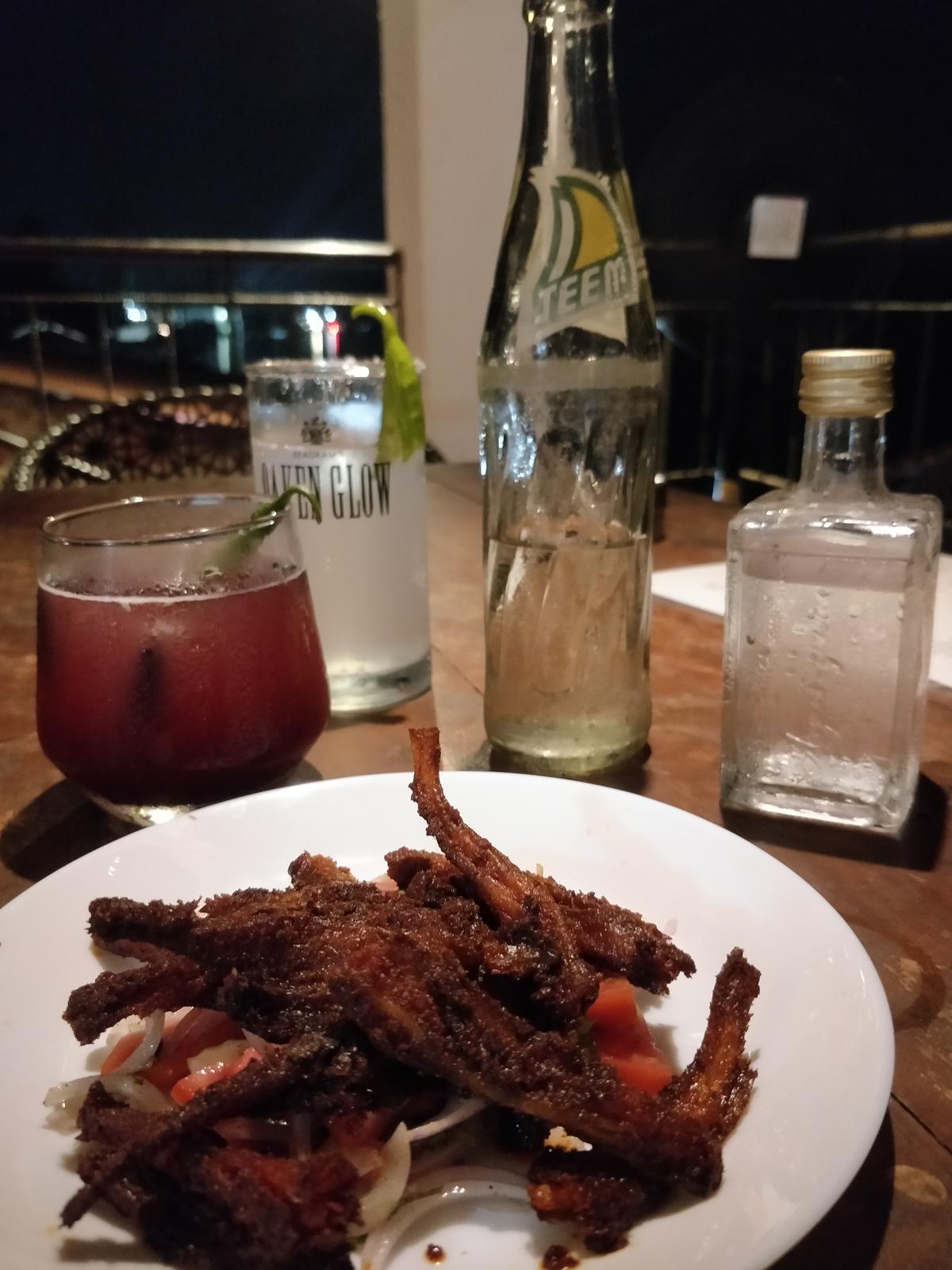
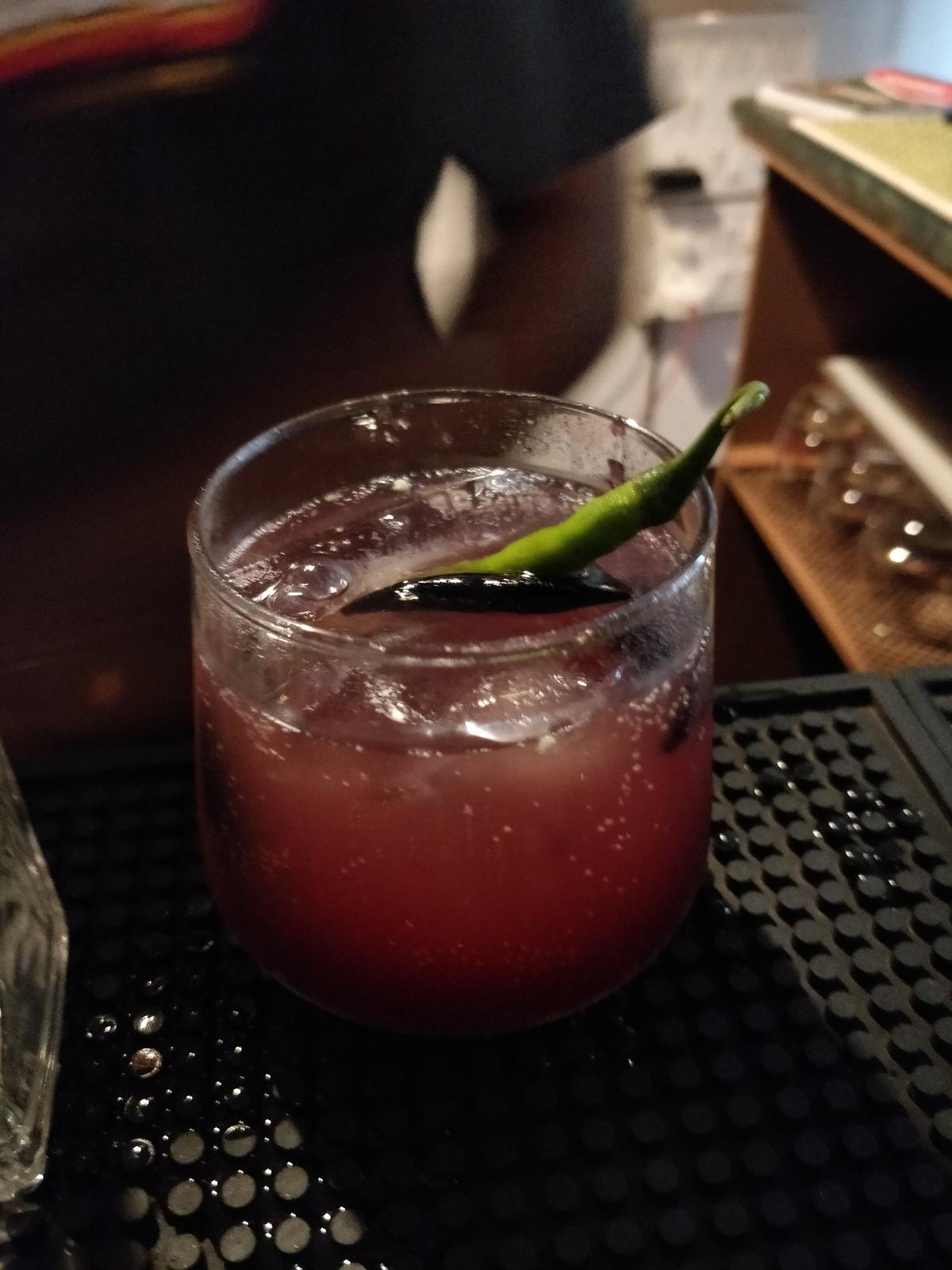
The primary reason Urrak has resisted gentrification is its sensory profile. It possesses an overpowering, sweet, and fermented "funk" that is difficult to mask. While urban mixologists have attempted to incorporate it into sophisticated cocktails, the spirit is at its best when consumed traditionally: with a splash of lemonade, a pinch of salt, a slit green chili, and soda from a glass bottle.
The Cooling Philosophy
There is a deep-seated Goan belief that Urrak is a "cooling" drink, meant to counteract the intense summer heat. This traditional wisdom dictates that it should not be consumed in air-conditioned environments, as the temperature contrast could lead to illness. This "rule" effectively keeps the consumption of Urrak outdoors—on porches (balcaos), by riverbanks, or in the shade of the orchards—further cementing its role as a communal, nature-bound ritual.
Sustainability and Permaculture
For the modern environmentalist, the story of the Goan cashew is a blueprint for the future. It demonstrates that a profitable industry can exist without stripping the land of its nutrients or relying on heavy machinery. The "zero-waste" aspect of the distillation—where the leftover pulp is returned to the soil as fertilizer—aligns perfectly with the principles of the circular economy.
Conclusion: The Gatekeeping of Bliss
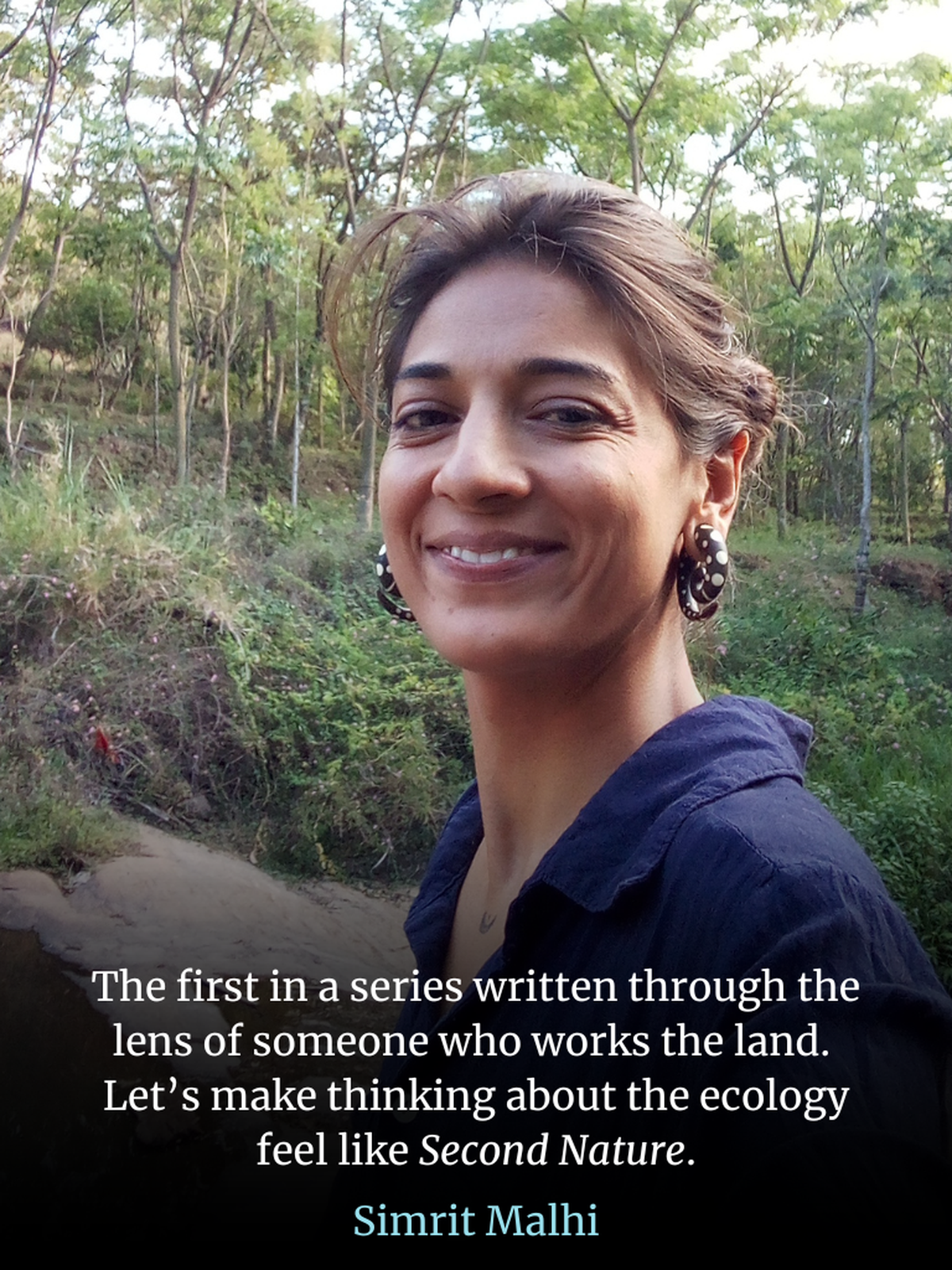
As the writer and permaculture farmer Simrit Malhi suggests, the true experience of Goa isn’t something that can be bought with a high-end hotel reservation or a VIP table at a club. It is found in the "continuity" of the seasons—the return to the same copper stills and the same family orchards year after year.
The "real thing" is a chilled glass of Urrak shared with a neighbor, accompanied by a plate of rawa-fried lepo (sole fish) or fresh oysters. It is a celebration of a Goa that refuses to change for the sake of the tourist’s gaze. In its cloudy, pungent depths, Urrak holds the secret to surviving the heat: a defiant, slow-motion joy that reminds us that the best things in life are seasonal, local, and impossible to mass-produce. For those who know where to look, the Goan summer is not a season to endure, but a season to savor—one sip at a time.
