

Executive Summary: The Rise of Niche Tourism in Maharashtra’s Ratnagiri District
In an era defined by the frantic pace of urban digitalization, the search for "slow travel" has led a growing number of domestic tourists to the rugged, emerald-hued coastline of the Konkan. At the heart of this resurgence is Dapoli, a town in the Ratnagiri district of Maharashtra. Often referred to as "Mini Mahabaleshwar" due to its year-round temperate climate, Dapoli offers a rare convergence of 12th-century ecclesiastical architecture, maritime history, and a culinary tradition that remains fiercely guarded by local communities.
Recent travel trends indicate a 25% increase in footfall toward the Ratnagiri-Sindhudurg belt, as travelers pivot away from the commercialized hubs of North Goa in favor of secluded beaches like Anjarle and Kelshi. The following report chronicles a four-day immersive journey through Dapoli, highlighting its strategic importance as a heritage site and its burgeoning status as a destination for sustainable, gastro-centric tourism.
Chronology of a Coastal Sojourn: A Four-Day Itinerary
Day 1: The Spiritual Gateway and the Ancient Shoreline
The journey into the heart of the Konkan typically begins with a transition from the basaltic plateaus of the Western Ghats to the laterite-rich soil of the coast. The first point of interest is the Kadyavarcha Ganpati Temple in Anjarle. Dating back to the 12th century, this temple is an architectural marvel perched on a cliff. Its primary distinction lies in the idol of Lord Ganesh, whose trunk is turned toward the right—a configuration known as Ujavi Sondecha Ganpati, considered exceptionally auspicious and powerful in Hindu iconography.
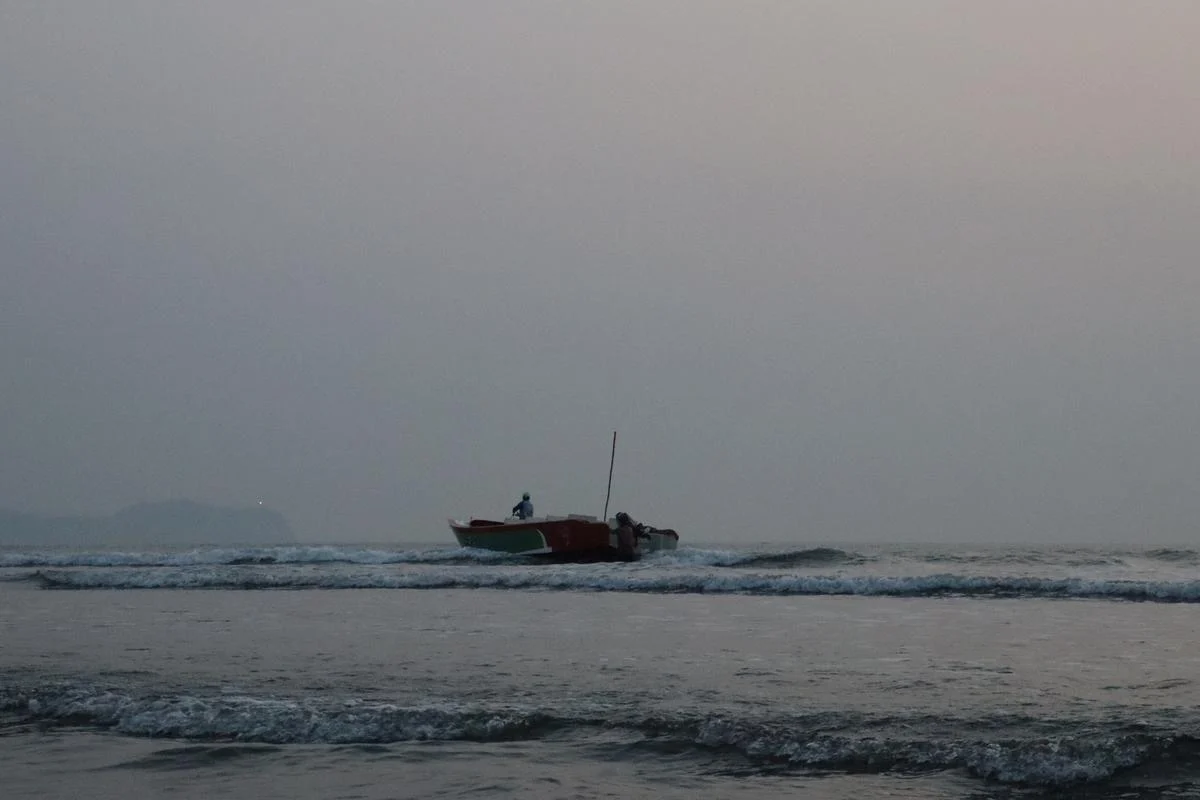
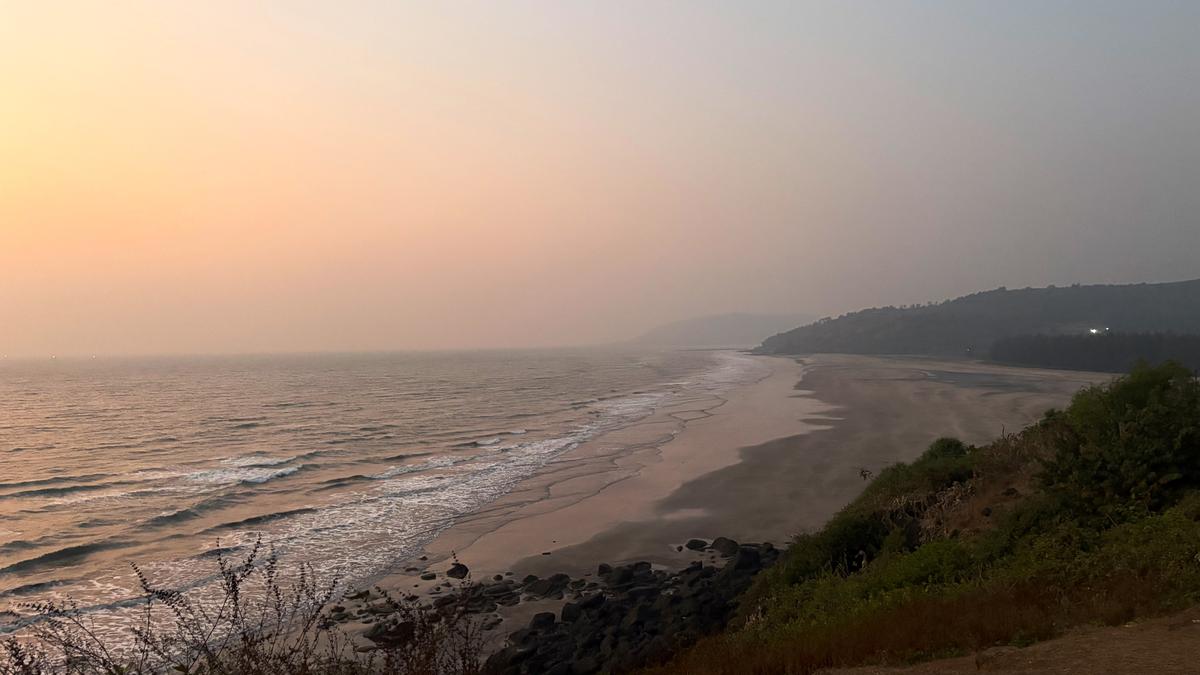
Following the spiritual induction, the transition to the natural landscape is seamless. A descent from the temple leads to a sacred stone footprint, believed to belong to the deity, offering a panoramic vantage point for the sunset. The day concludes at the Kelshi (Anjarle) Lighthouse. Standing 30 meters tall, this maritime sentinel provides a 23-nautical-mile sweep of the Arabian Sea, serving as a critical navigation aid for the local fishing fleets that sustain the region’s economy.
Day 2: Maritime Fortifications and the Hapus Legacy
The second day focuses on the geopolitical history of the Konkan. A two-hour drive through winding roads flanked by blooming mango orchards leads to Himmatgad Fort (also known as Bankot Fort or Fort Victoria). Strategically positioned at the mouth of the Savitri River, the fort offers a glimpse into the colonial tug-of-war between the Maratha Empire, the Siddis, and the British East India Company.
The journey to the fort is as significant as the destination. The region is the epicenter of the Alphonso (Hapus) Mango industry. With the arrival of the flowering season, the air is thick with the scent of mango blossoms, heralding a harvest that carries a Geographical Indication (GI) tag, ensuring the economic viability of the Ratnagiri agrarian sector.
Day 3: The Myth of Parshuram and the Cave Echoes
The third day delves into the mythological origins of the Konkan. A visit to Parshuram Bhumi in Burondi village reveals a 21-foot statue of Lord Parshuram standing atop a globe. The structure is a modern engineering feat, utilizing the ferrocrete technique to create a meditation hall within the dome. The acoustic design is such that even a soft footstep or a low-frequency chant echoes with mathematical precision, creating a therapeutic environment for visitors.
The excursion continues to the Chandika Devi Temple in Dabhol. Unlike the ornate structures of the city, this temple is housed within a natural cave, illuminated solely by oil lamps. The absence of artificial light and the presence of a vermillion-smeared stone idol create a primordial atmosphere, connecting the modern traveler to ancient subterranean worship practices.
Day 4: Culinary Immersion and Departure
The final day is dedicated to the "slow life" of the resort environment, focusing on archery, stargazing, and traditional Konkani hospitality. The departure is marked by a reflection on the sibling bond strengthened by shared discovery—a testament to the power of destination-based emotional wellness.
Supporting Data: The Gastronomic and Ecological Landscape
The allure of Dapoli is inextricably linked to its "Farm-to-Table" reality, which existed long before the term became a marketing buzzword.
The Konkani Palette:
The regional cuisine is a sophisticated balance of heat and acidity. Key components observed during the trip include:
- Solkadhi: A pink-hued digestive drink made from kokum (Garcinia indica) and fresh coconut milk. It serves as a natural coolant against the humid coastal heat.
- The Jackfruit Economy: Every part of the jackfruit is utilized, from Phansachi Bhaji (raw jackfruit curry) to Poli (dehydrated fruit leathers).
- Marine Staples: The local economy thrives on the catch of the day, including Surmai (King Mackerel), Rawas (Indian Salmon), and Pomfret, usually prepared with a "Koli" or "Malvani" spice rub.
- Nutritional Density: The use of Aliv (Garden Cress) seeds in ladoos highlights a traditional understanding of superfoods, providing high iron and folic acid content to the local diet.
Ecological Diversity:
Dapoli’s beaches are not merely tourist spots but ecological hotspots.

- Tamastirth Beach: Notable for its reddish water, caused by the high iron content in the rocky seabed and laterite deposits.
- Turtle Conservation: While the article focuses on the aesthetics, the Anjarle-Kelshi belt is a vital nesting ground for the endangered Olive Ridley sea turtles, a fact that has spurred a movement toward eco-tourism and restricted night-time beach activity.
Official Responses and Infrastructure Development
Local tourism authorities and hospitality stakeholders have noted a shift in the demographic of visitors. According to representatives from the regional tourism board, the focus is now on "Integrated Rural Tourism."
The MTDC Perspective:
The Maharashtra Tourism Development Corporation (MTDC) has been promoting the "Konkan Riviera" circuit. Officials state that the goal is to develop infrastructure—such as better road connectivity from Mumbai and Pune—without compromising the "slow-paced" essence that makes Dapoli attractive.
Hospitality Trends:
Resort owners in the Dapoli-Murud belt report a surge in "Workation" bookings. "Travelers are no longer looking for five-star luxury; they are looking for ‘authentic’ luxury," says a local resort manager. "This includes clear night skies for stargazing, archery, and involvement in local cooking workshops. They want to experience the Konkan, not just see it."
Implications: The Future of the Konkan Coast
The transformation of Dapoli from a sleepy fishing and farming town into a premier heritage destination has several long-term implications:
- Economic Diversification: The reliance on the seasonal mango and cashew harvest is being mitigated by year-round tourism. This provides a stable income for local youth, reducing migration to overpopulated cities like Mumbai.
- Heritage Preservation: The interest in sites like Himmatgad Fort and the 12th-century Kadyavarcha Ganpati temple creates a financial incentive for the Archaeological Survey of India (ASI) and local bodies to maintain these structures.
- Environmental Challenges: With increased footfall comes the risk of plastic pollution and habitat disruption. The success of Dapoli will depend on its ability to implement "low-impact" tourism. The moonlit night strolls mentioned by travelers must be balanced with the nesting cycles of coastal fauna.
- Cultural Renaissance: The demand for authentic regional cuisine like Ukadiche Modak and Puran Poli ensures that traditional culinary skills are passed down to younger generations, preserving the intangible heritage of the Konkanastha and coastal communities.
Conclusion
Dapoli stands as a microcosm of the "New Indian Travel" sentiment—a movement characterized by a hunger for authenticity, a respect for historical depth, and a desire to reconnect with the natural world. As the sunset bathes the Murud horizon in orange, it reflects not just the end of a day, but the dawn of a more conscious, contemplative era of exploration in the heart of Maharashtra.
