

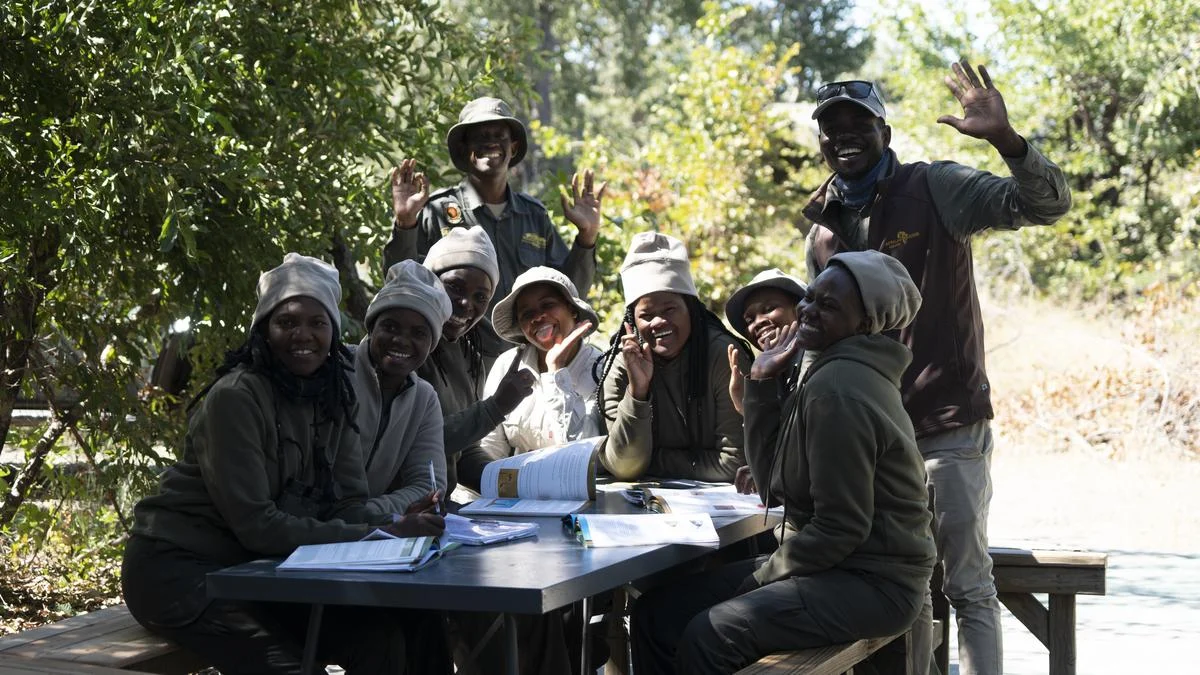
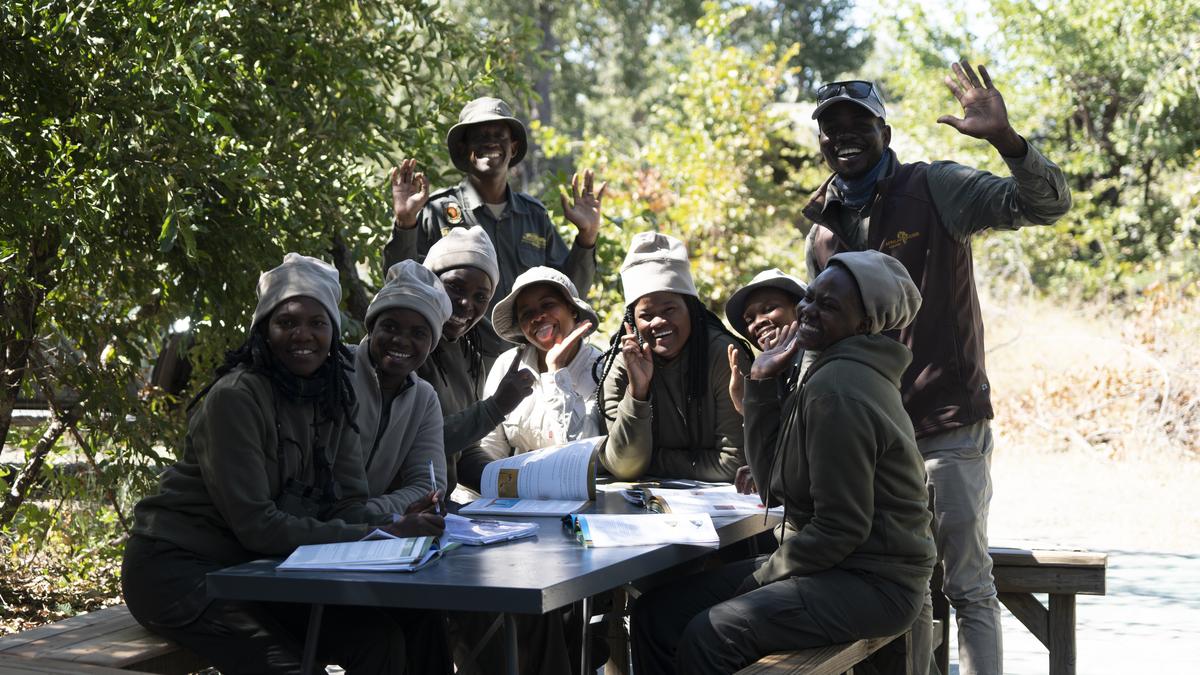
In the heart of the Okavango Delta, where the labyrinthine waterways of northern Botswana meet the sun-scorched earth, a quiet revolution is taking place. It is a transformation led not by traditional paramilitary forces, but by women who carry the weight of their ancestors’ history and the hopes of their children’s future. At the Sitatunga Great Plains Private Island Camp, the sight of a ranger in crisp khaki is common, but the identity of these rangers represents a seismic shift in the African conservation landscape.
Main Facts: A Dual Mission of Empowerment and Preservation
The Female Ranger Programme, spearheaded by the Great Plains Foundation, is the only tourism-based initiative of its kind in Africa. It operates on a dual mandate: to provide a rigorous, science-based defense for endangered wildlife and to dismantle the systemic barriers that have historically excluded women from the formal economy in rural Botswana and Zimbabwe.
The program focuses on "biodiversity monitoring," a role that requires rangers to track wildlife, collect ecological data, and mitigate human-wildlife conflict. However, the impact extends far beyond the animal kingdom. In a region where youth unemployment has been declared a national emergency—peaking at 38.2% according to recent 2025 government data—the program provides a lifeline.
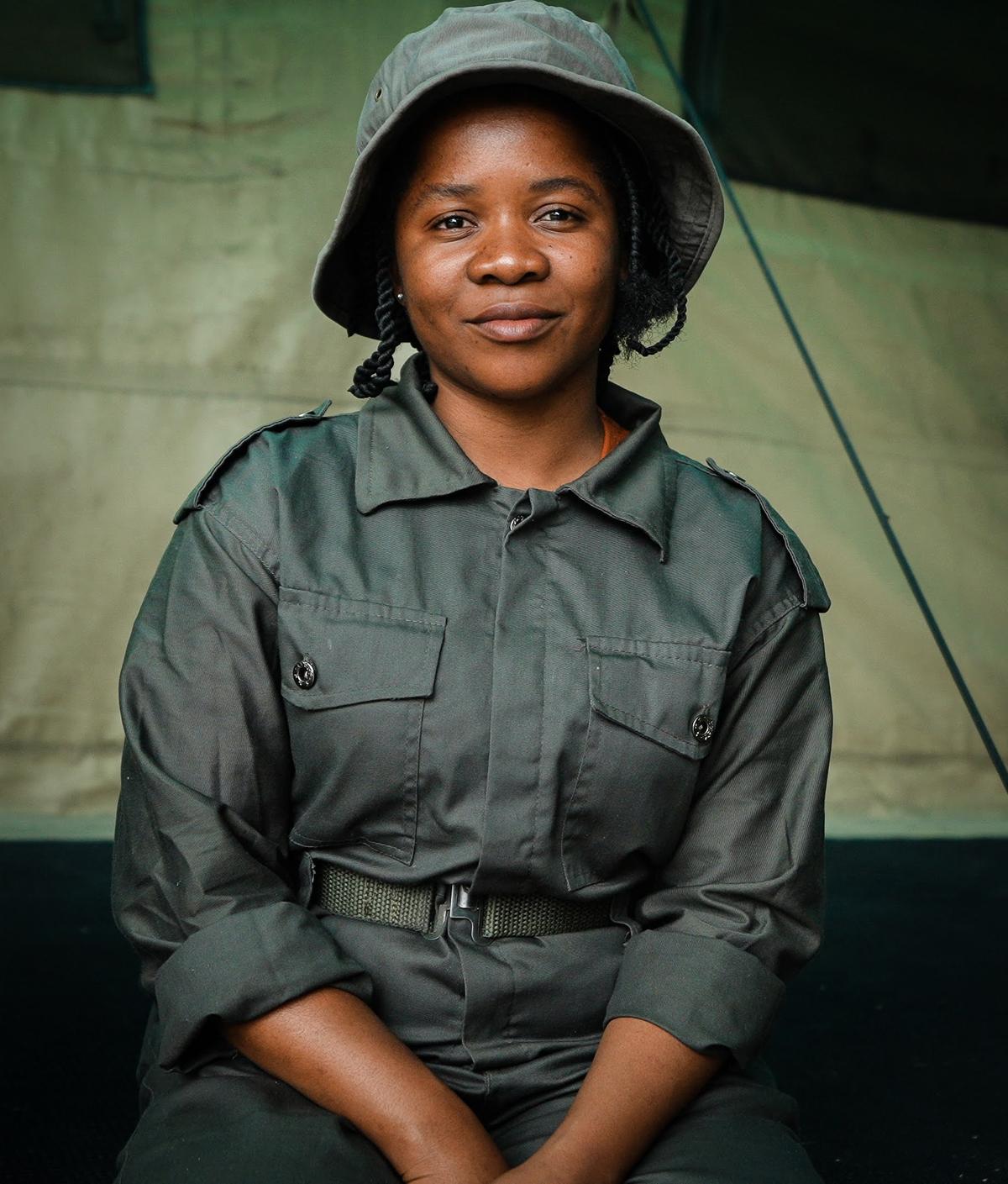
For women like Miss Peahlo, known as "Miss P," the job is a reclamation of identity. Born into the Bambukushu tribe, whose ancestors were the legendary rainmakers of the Okavango, Miss P’s very name means "pain and rejection" in Setswana—a reflection of her father’s abandonment of her mother. Today, as a professional ranger and a single mother to a six-year-old daughter, she is ensuring that the cycle of rejection ends with her. Through her work, she is not just protecting the delta; she is rewriting the narrative of what a woman in the Okavango can achieve.
Chronology: From Extinction to Restoration
The history of conservation in the Okavango is one of profound loss followed by a slow, deliberate recovery. To understand the significance of the female rangers, one must look back at the ecological devastation of the 20th century.
- The Late 19th and Early 20th Century: The global rhinoceros population stood at an estimated 300,000 to 400,000. The "Big Five" (lion, leopard, elephant, buffalo, and rhino) roamed the African continent in vast, uninterrupted numbers.
- The 1980s Crisis: Decades of relentless hunting for trophies, hides, and horns pushed species to the brink. In 1985, Botswana lost its last wild rhinoceros to a poacher’s bullet. By the end of the century, the global rhino population had plummeted to fewer than 2,000.
- 2006: National Geographic Explorers Dereck and Beverly Joubert established Great Plains Conservation. Having spent over 40 years documenting the African wilderness, the duo recognized that traditional conservation models were failing because they ignored the socio-economic needs of local communities.
- 2017: The Catalyst: While working in the Okavango Delta, Beverly Joubert suffered a life-threatening accident that left her hospitalized for an extended period. During her recovery, she formed deep bonds with the local women who cared for her. Their stories of economic dependence and limited opportunity planted the seed for the Female Ranger Programme.
- 2022: The Great Plains Foundation officially launched a massive recruitment drive. When 24 positions were advertised across Botswana and Zimbabwe, the foundation received over 200 applications within 24 hours, highlighting the desperate need for female-centric employment.
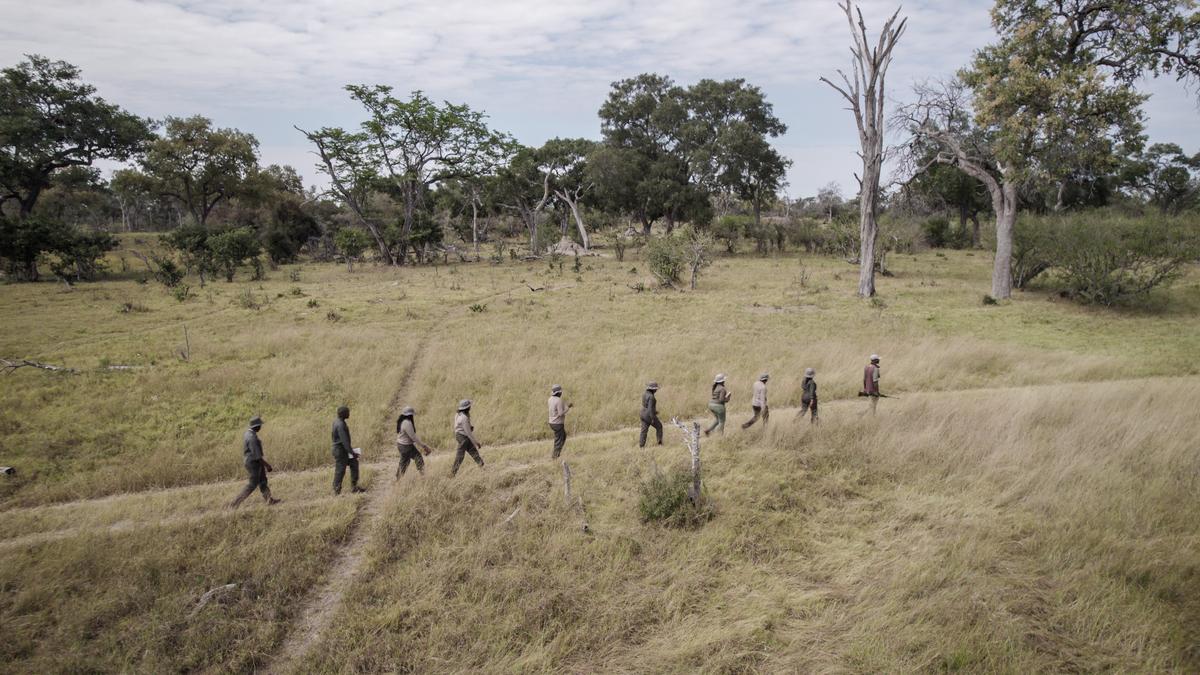
- Present Day: The program has successfully integrated female rangers into high-stakes environments, such as the Duba Plains Camp, where they monitor reintroduced rhinoceroses—bringing the species back to a land where it was once declared extinct.
Supporting Data: The Socio-Economic Multiplier Effect
The Female Ranger Programme is built on the philosophy that investing in a woman is an investment in an entire community. The Great Plains Foundation utilizes specific metrics to measure the success of the initiative:
1. The Economic Multiplier
Internal data from the foundation suggests that one female ranger’s salary can sustain up to 10 extended family members. Unlike many male counterparts in similar roles, female rangers statistically reinvest a higher percentage of their earnings into their children’s education and healthcare. For Miss P, the salary—which covers food and accommodation—is channeled directly into private schooling for her daughter.
2. Training and Investment
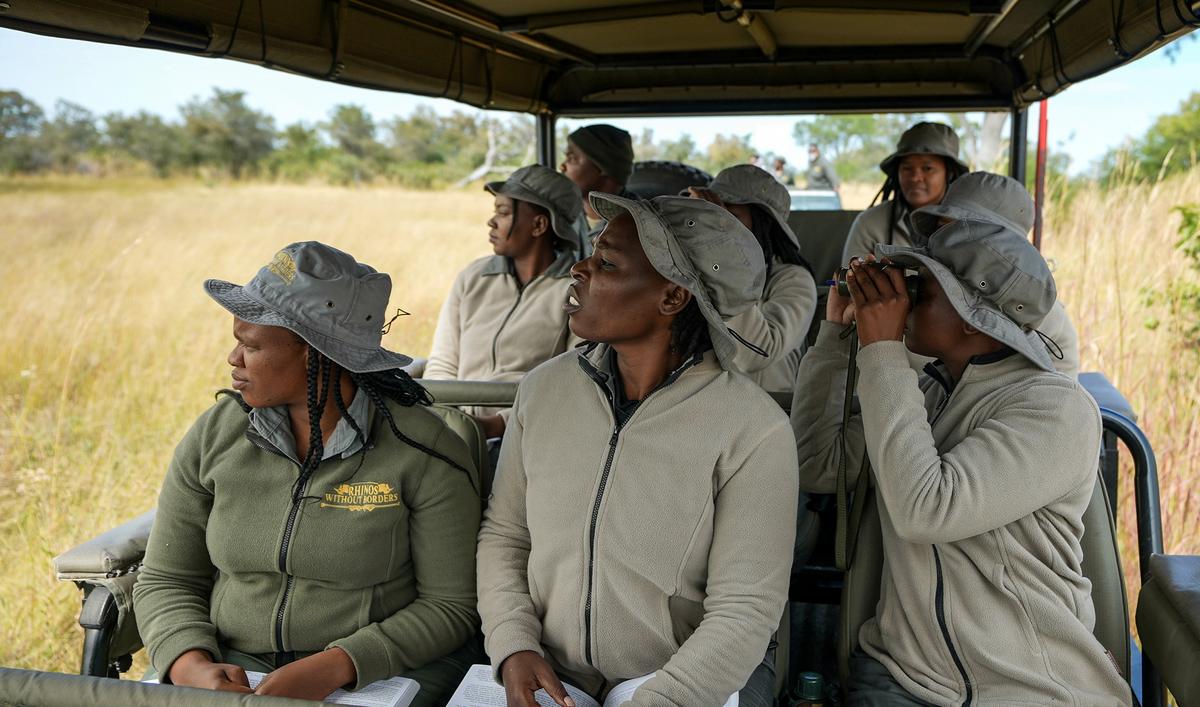
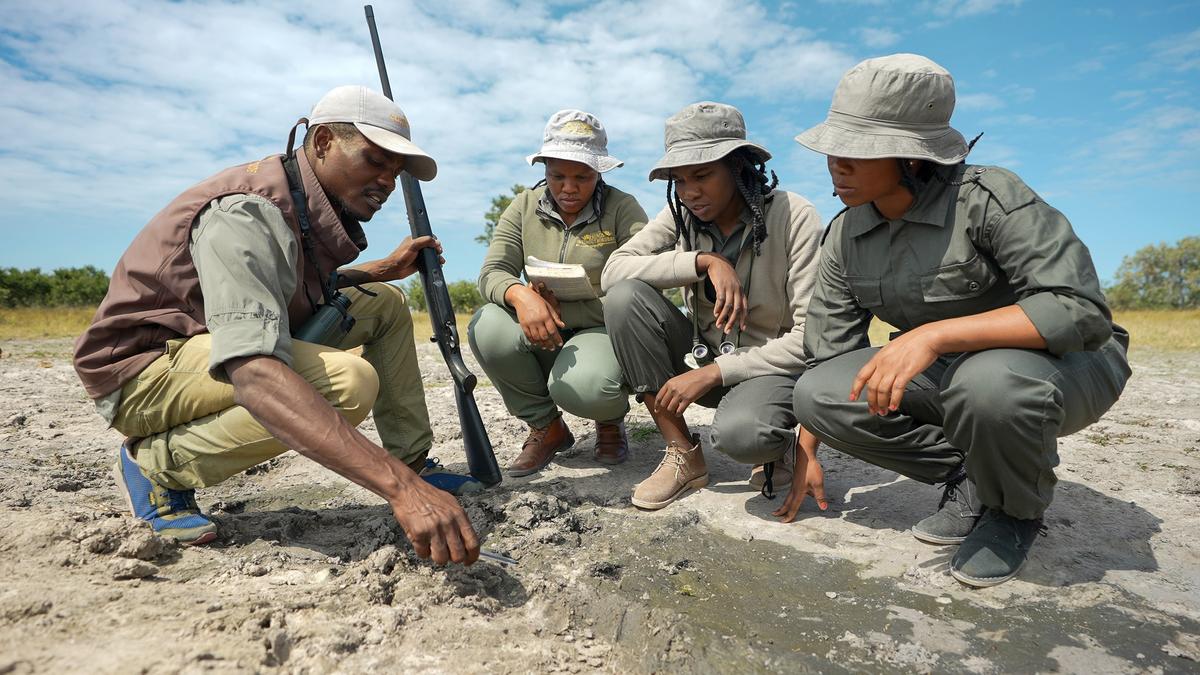
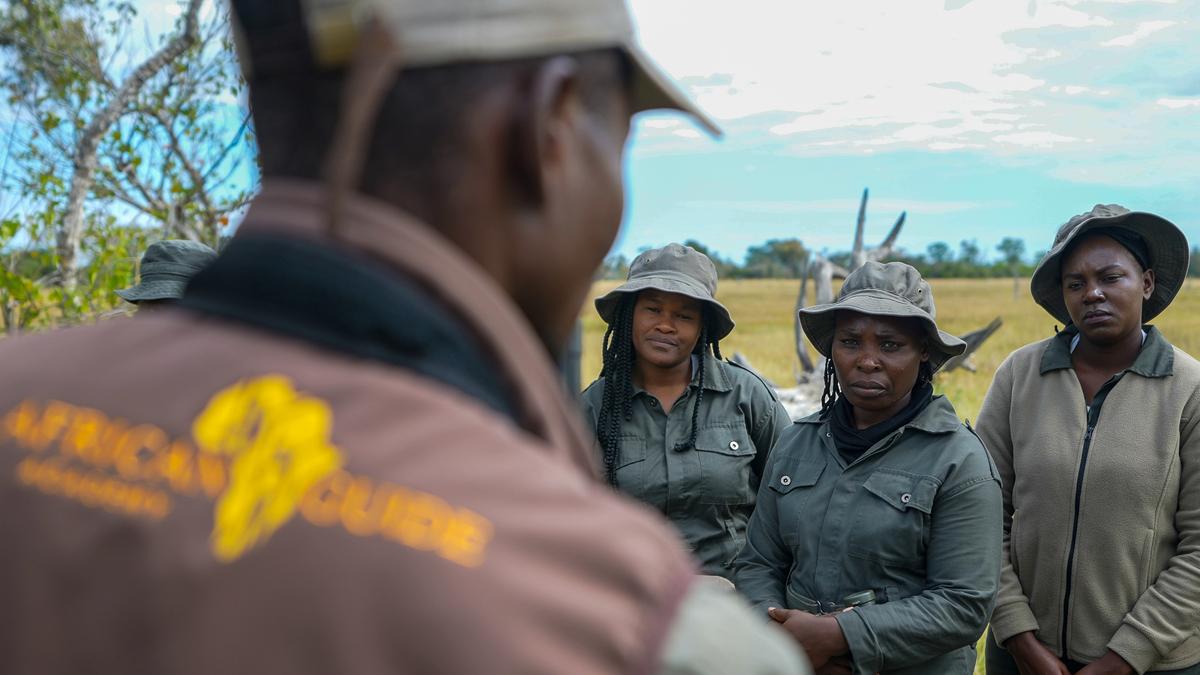
The cost to recruit, train, and equip a single ranger is approximately $15,000. This investment covers a demanding six-month curriculum that includes:
- Professional Driving: Operating heavy-duty Land Cruisers in treacherous terrain.
- Nature Guiding: Comprehensive knowledge of flora and fauna.
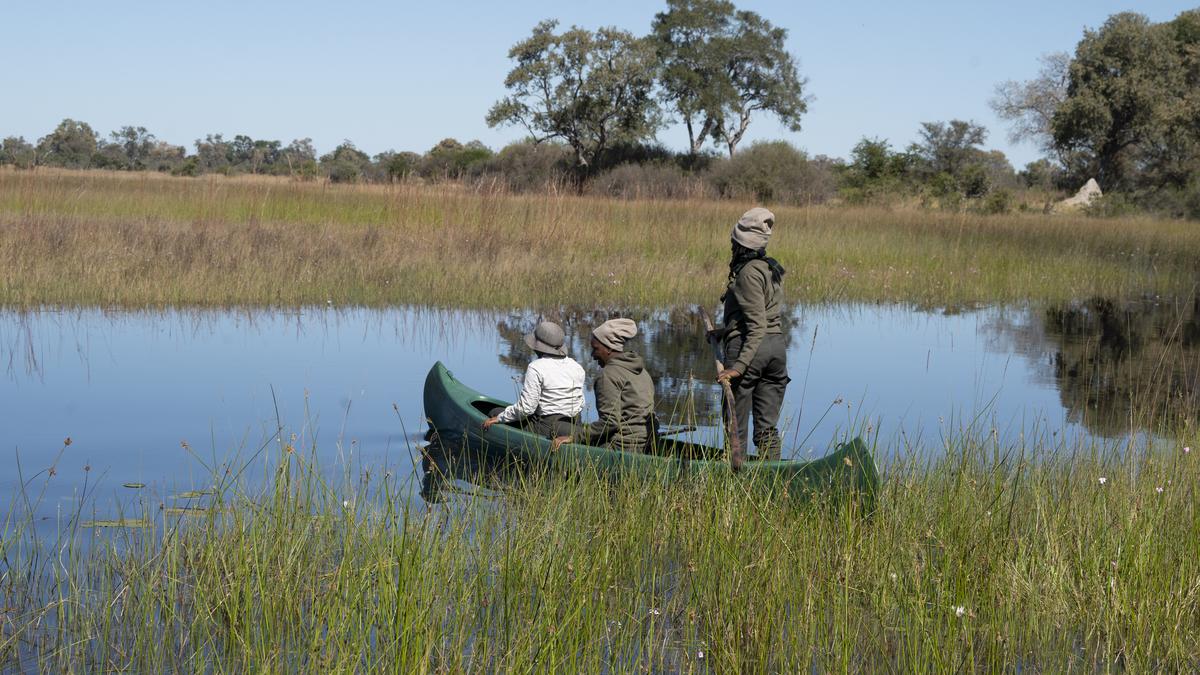
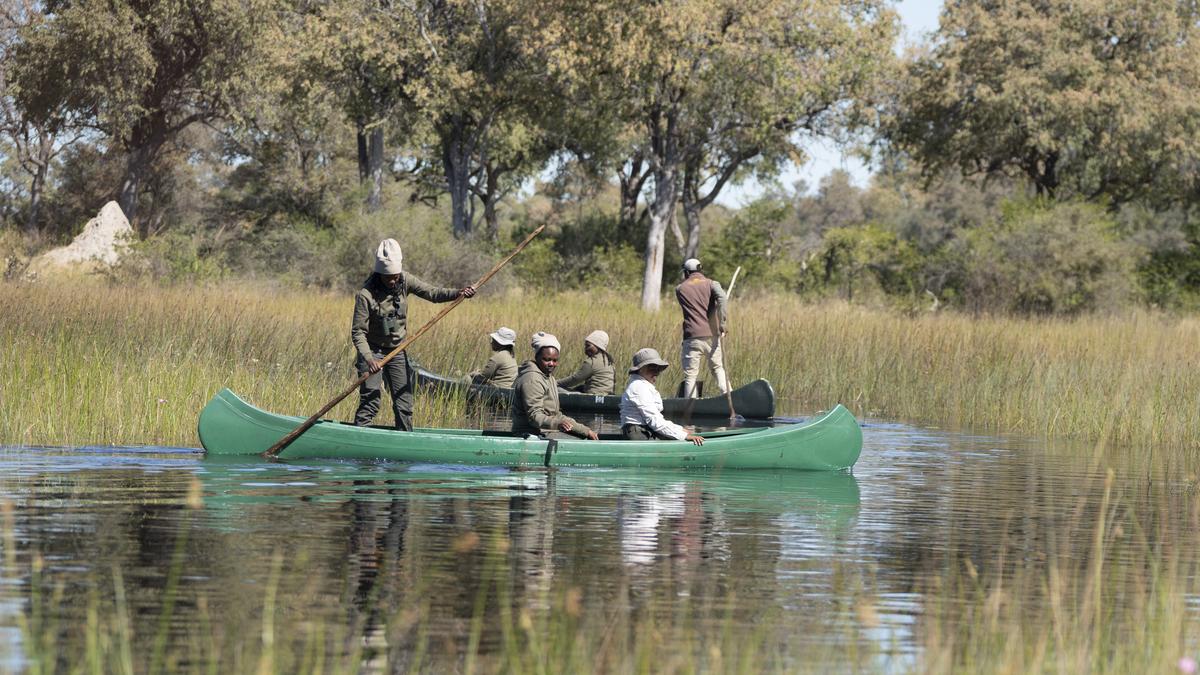
- Technical Skills: Boat maneuvering, first aid, and photography.
- Scientific Monitoring: Data collection techniques for biodiversity tracking.
3. Human-Wildlife Conflict Mitigation
The foundation has observed that women are often more effective at de-escalating conflicts between local villagers and wildlife. Drawing on deep-seated community ties and maternal instincts, female rangers are better positioned to educate families on how to protect livestock from predators without resorting to lethal force.
Official Responses: Perspectives from the Frontline
The leadership of Great Plains Conservation and the rangers themselves offer a glimpse into the program’s philosophy and the daily reality of the work.
Dereck Joubert, CEO of Great Plains Conservation, emphasizes the strategic necessity of the program: "We needed boots, eyes, and ears on the ground. But we also needed to shift gender stereotypes. Hiring female rangers as biodiversity monitors creates role models for young girls who previously saw conservation as a ‘man’s world.’ These women are more than employees; they are the guardians of their own heritage."
The rangers, however, do not sugarcoat the challenges. "We try to stay brave," says Miss P, referring to the physical demands of the job. The rangers often sleep in open forests with no access to modern facilities, a situation that becomes particularly grueling during menstrual cycles. "We never show our male counterparts that we cannot handle this. We are there to do the job."
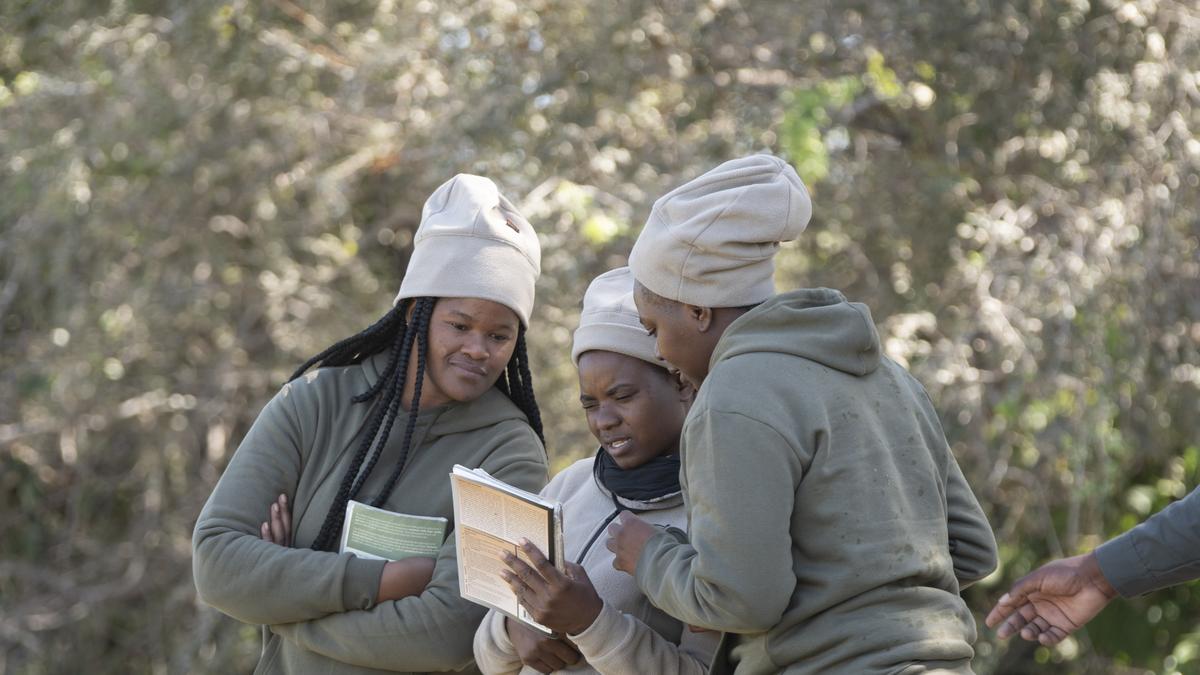
Irene Kamwengo, another graduate of the program, speaks to the sense of empowerment that comes with professional certification. "I am proud because this gave me things I never thought I would have—a driving license, a nature guiding certificate, and the ability to handle a boat. I have a career now, not just a job."
Agonneone Oneh Botshelo, who joined in 2022, highlights the long-term stability: "I now have medical cover and professional certifications. This has allowed me to build a permanent home for my family."
Implications: A New Blueprint for African Conservation
The success of the Female Ranger Programme has profound implications for the future of the Okavango Delta and the broader conservation industry.
Redefining Gender Roles
The program is actively dismantling the "glass ceiling" of the bush. Miss P recounts a story of working on a children’s camp project: "It is not every day that these children see a woman behind the wheel of a Land Cruiser. When a young girl asked me how she could get my uniform and my vehicle, I felt that I had done my job." By visible representation, these rangers are expanding the horizons of possibility for the next generation of Batswana women.
Enhancing Scientific Rigor
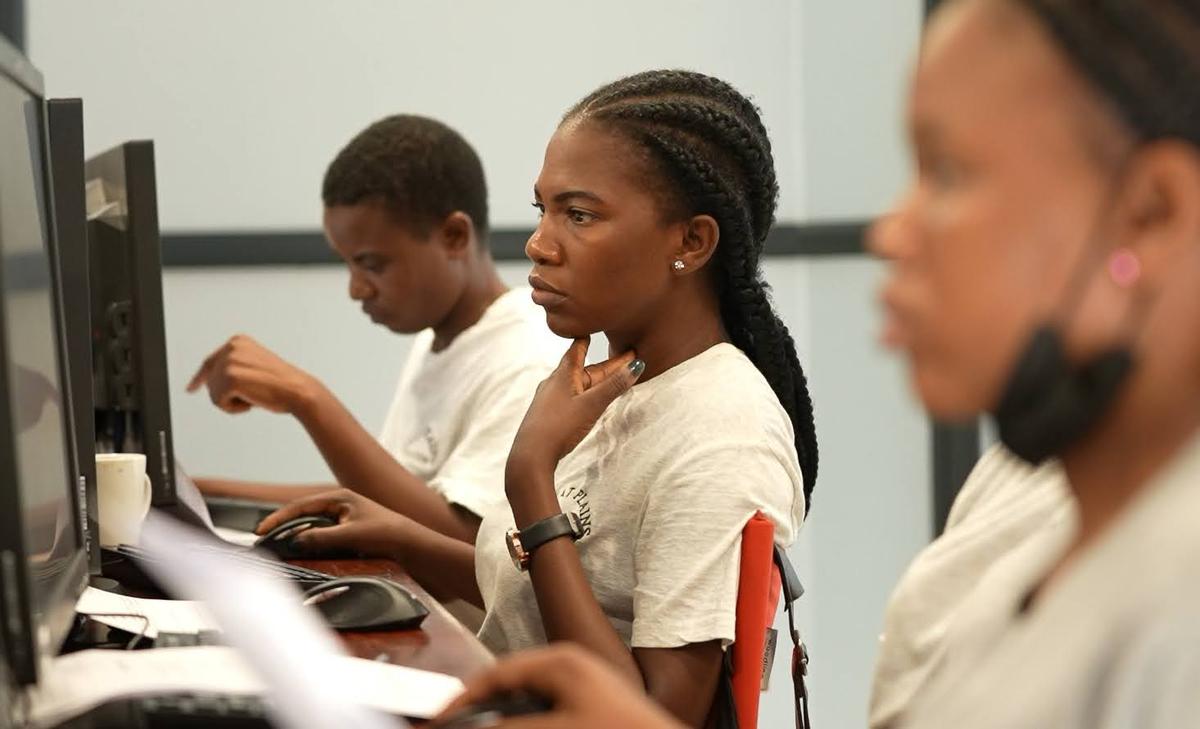
With the reintroduction of rhinos to the Delta, the need for "vigilant monitoring" is at an all-time high. The female rangers provide a consistent, detail-oriented presence that is essential for tracking behavioral changes in pregnant rhinos and their calves. Rumbidzai Musembwa, a ranger currently pursuing her Master’s degree, notes that the interdisciplinary nature of the work—combining ecology with community outreach—is the only way to create lasting solutions for the planet.
Life-and-Death Capability
The program’s training was put to the ultimate test during a routine boat patrol involving Miss P, another ranger, and two Botswana Defence Force officers. When the boat operator suddenly lost consciousness in hippo-infested waters, Miss P was the only person capable of taking the helm. Even when a charging hippo struck the vessel, causing it to sink, her training in swimming and emergency maneuvering allowed her to save the lives of the three men on board.
Sustainable Tourism as a Force for Good
The Female Ranger Programme serves as a case study for how high-end, ethical tourism can fund essential social and environmental work. By staying at Great Plains properties, international guests directly subsidize the $15,000 training costs for rangers, creating a circular economy where luxury travel supports grassroots empowerment.
As the rhinos return to the plains and the waters of the Okavango continue their seasonal ebb and flow, the female rangers stand as a testament to resilience. They are no longer defined by "pain and rejection," but by their skill, their bravery, and their unwavering commitment to a landscape that is finally beginning to value their presence.
Travel Information for the Conscious Explorer
For those seeking to witness the impact of these programs firsthand, the journey to the Okavango Delta requires careful planning:
- Aviation and Access: Ethiopian Airlines operates direct flights from major Indian hubs like Mumbai and New Delhi to Addis Ababa, with connections to Maun (Botswana) or Victoria Falls (Zimbabwe).
- Bespoke Safaris: Agencies like Cozymoons specialize in luxury, sustainable itineraries, managing everything from bush flights to private transfers.
- The Great Plains Portfolio: A comprehensive circuit might include Mpala Jena (Zimbabwe), Zarafa Camp (Selinda Reserve, Botswana), and Sitatunga Private Island (Okavango Delta). These solar-powered, "tread-lightly" camps offer a front-row seat to the conservation work being done by the female rangers. Rates for a luxury six-night journey across three properties start at approximately ₹15 lakh per person, inclusive of all transfers and conservation levies.
