

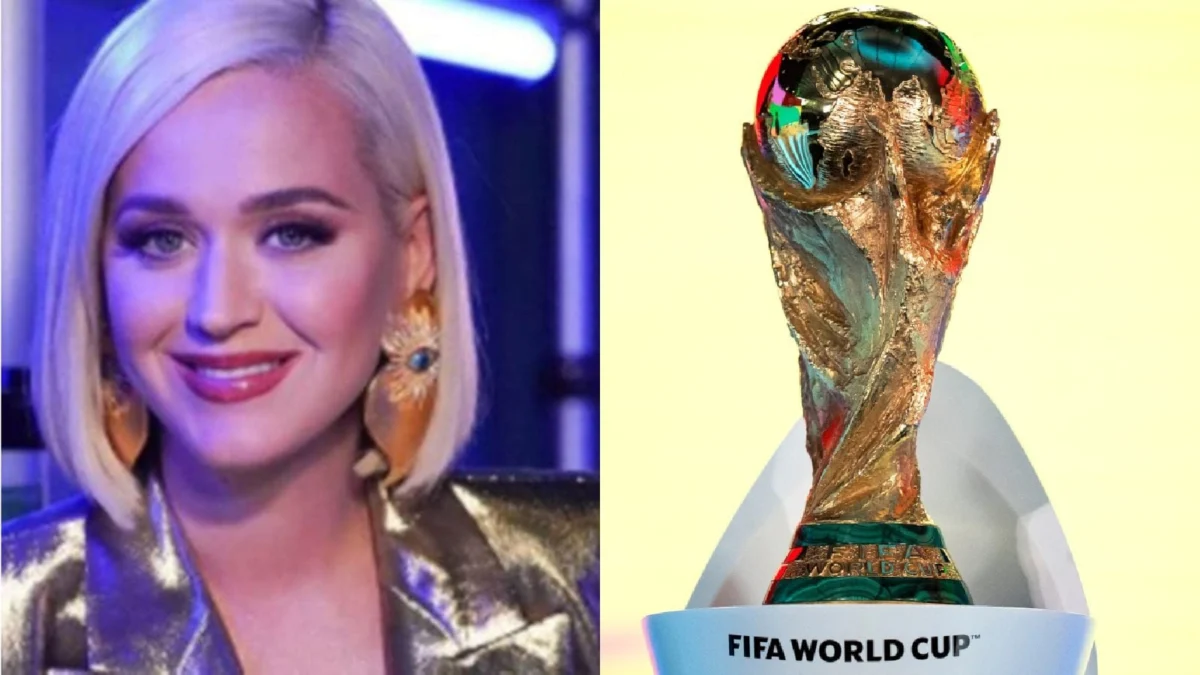
May 9, 2026 | Los Angeles, California – In an unprecedented move reflecting the colossal scale of the upcoming tournament, FIFA has officially announced a trio of spectacular opening ceremonies to kick off the FIFA World Cup 2026 across its three host nations: Mexico, Canada, and the United States. This monumental decision underscores the ambition to celebrate the unique cultural tapestry of each country while inaugurating the largest World Cup in history. Global music icons, beloved national artists, and emerging talents are slated to grace the stages, promising a series of unforgettable commencements.
The headline act for the highly anticipated United States opening ceremony will be none other than American pop superstar Katy Perry. She is set to electrify the SoFi Stadium near Los Angeles ahead of the inaugural U.S. game against Paraguay. Joining her will be Bangladeshi-American Sanjoy, a Los Angeles-based DJ, adding a layer of contemporary flair and diverse representation to the American spectacle. This announcement comes as FIFA gears up to deliver a World Cup experience that transcends traditional boundaries, both geographically and culturally.
A Tri-National Kick-off: The Main Facts
The FIFA World Cup 2026, set to be co-hosted by Mexico, Canada, and the United States, will break new ground with its expanded format featuring 48 teams and an astounding 104 matches. To mark this historic expansion, FIFA has opted for three distinct opening ceremonies, each meticulously curated to reflect the spirit and heritage of its host nation.
The festivities are scheduled to commence on June 11 in Mexico City, followed by Toronto on June 12, and concluding with the U.S. ceremony in Los Angeles. This strategic sequencing ensures that each host country receives its moment in the global spotlight, allowing for dedicated celebrations that resonate with local audiences and international viewers alike. The decision to decentralize the opening events is a direct acknowledgment of the vast geographical spread of the tournament and an innovative approach to foster deeper engagement across the entire North American continent.
Katy Perry’s involvement in the U.S. ceremony signifies FIFA’s intent to deliver a high-energy, globally appealing event. Her track record of captivating stadium audiences, notably during her Super Bowl XLIX halftime show, positions her as an ideal choice to launch the American leg of the tournament. Sanjoy, a rising star in the electronic music scene, further underscores the event’s commitment to contemporary sounds and cultural fusion.
Meanwhile, Mexico’s opening will be spearheaded by the legendary Grammy Award-winning Mexican pop band Mana, alongside revered artists Alejandro Fernandez and Belinda. This lineup is poised to deliver a powerful showcase of Mexico’s rich musical heritage and vibrant culture. Canada’s ceremony will feature an impressive roster of national treasures including Alanis Morissette, Michael Buble, Alessia Cara, and William Prince, with Sanjoy making a second appearance, highlighting the shared North American cultural landscape.
Chronology of Grand Openings
The FIFA World Cup 2026 is poised to etch itself into the annals of sporting history, not just for its expanded format but also for its unprecedented triple opening ceremonies. The meticulously planned sequence of events aims to maximize global viewership and local engagement, offering a staggered celebration across the host nations.
June 11: Mexico City – The Historic Kick-off
The grand curtain-raiser for the 2026 World Cup will take place in the iconic Mexico City. While the specific stadium was not detailed in the initial announcement, the Estadio Azteca, with its unparalleled history of hosting two World Cup finals (1970 and 1986), is the presumed venue for this momentous occasion. This selection would fittingly underscore Mexico’s profound connection to football history.
The opening ceremony is set to be a vibrant homage to Mexican culture, featuring a lineup designed to captivate both domestic and international audiences. Grammy Award-winning Mexican pop band Mana, celebrated for their rock anthems and profound lyrics, will lead the charge. Joining them will be Alejandro Fernandez, a titan of mariachi and pop music, and Belinda, a pop sensation known for her dynamic performances. FIFA has stated that the concert will prominently feature Indigenous and "modern folkloric" performers, promising a rich tapestry of traditional roots interwoven with contemporary expressions. This blend aims to highlight the diverse and enduring cultural spirit of Mexico, setting a powerful and authentic tone for the entire tournament.
June 12: Toronto – Canada’s Mosaic of Music
Following Mexico’s vibrant inauguration, the spotlight will shift north to Toronto, Canada, on June 12. This ceremony will precede Canada’s opening group stage match against Bosnia and Herzegovina, bringing a wave of national pride and excitement to the host city. Toronto, a global hub of diversity, will serve as the perfect backdrop for a celebration of Canadian musical talent and cultural mosaic.
The lineup for the Canadian ceremony is a testament to the nation’s rich artistic landscape. Iconic singer-songwriter Alanis Morissette, known for her powerful vocals and introspective lyrics, will be a major draw. Joining her are the internationally acclaimed crooner Michael Buble, contemporary pop sensation Alessia Cara, and the Juno Award-winning Indigenous folk artist William Prince. The inclusion of Bangladeshi-American DJ Sanjoy, who will also perform in Los Angeles, further emphasizes the multicultural narrative FIFA aims to convey. FIFA has indicated that the concert will feature a "mosaic-inspired reimagining of the FIFA World Cup Trophy," symbolically reflecting Canada’s diversity and community spirit. This artistic representation will likely serve as a powerful visual metaphor for the nation’s welcoming and inclusive identity.
June 12: Los Angeles – The High-Energy Spectacle
Later on June 12, attention will pivot to the United States, specifically the state-of-the-art SoFi Stadium near Los Angeles. This ceremony will precede the much-anticipated first FIFA World Cup game for the United States, where they will face Paraguay. The choice of Los Angeles, a global entertainment capital, for this leg of the opening ceremonies is strategic, designed to leverage its immense capacity for spectacle and its deep ties to the entertainment industry.
Headlining the U.S. event will be global pop icon Katy Perry. Her reputation for elaborate stage productions, chart-topping hits, and magnetic presence makes her an ideal choice to deliver the "high-energy spectacle" FIFA has promised. Perry’s performance is expected to be a dazzling display of American showmanship, reflecting the nation’s capacity for grand-scale events. DJ Sanjoy will again contribute to the musical tapestry, bridging cultural gaps and offering a contemporary soundtrack to the proceedings. FIFA has explicitly stated that the U.S. concert is "designed around delivering a high-energy spectacle that reflects the scale, ambition and cultural power of the tournament itself," signaling an intent to produce an event that is both musically compelling and visually breathtaking, embodying the aspirational spirit of American entertainment.
Supporting Data and Contextual Depth
The FIFA World Cup 2026 is not merely another football tournament; it represents a paradigm shift in the organization and scale of global sporting events. The decision to expand to 48 teams, from the previous 32, necessitates an unprecedented level of logistical coordination and infrastructure. The three-host nation model, while presenting unique challenges, also offers unparalleled opportunities for cultural exchange and economic benefit.
The Expanded Format and Multi-Host Model:
This iteration of the World Cup marks only the second time the global soccer showcase has been co-hosted by multiple countries, following the 2002 World Cup in South Korea and Japan. However, the 2026 edition dwarfs its predecessor in scale, with three nations spanning an entire continent. This expansion from 64 to 104 matches, spread across 16 cities, underscores the need for a distributed approach to events, including the opening ceremonies. The increased number of participating nations not only amplifies the global reach of the tournament but also offers more countries the chance to compete on football’s biggest stage, fostering greater inclusivity and excitement. The logistical demands of transporting teams, officials, and millions of fans across vast distances in North America are immense, making the concept of regional hubs and staggered events a practical necessity.
Significance of Artist Selection:
The chosen artists for each opening ceremony are not arbitrary; they are carefully selected to resonate with national identity while possessing international appeal.
- Katy Perry (USA): A global pop phenomenon, Perry embodies American entertainment prowess. Her selection aligns with FIFA’s desire for a "high-energy spectacle" that reflects the U.S.’s cultural power. Her history of major live performances, including the Super Bowl halftime show, demonstrates her ability to command vast audiences and deliver memorable events.
- Mana, Alejandro Fernandez, Belinda (Mexico): This trio represents the crème de la crème of Mexican music. Mana’s rock anthems have transcended borders, Alejandro Fernandez carries the legacy of mariachi, and Belinda adds a contemporary pop edge. Their combined presence ensures a ceremony deeply rooted in Mexican heritage while appealing to a broad demographic.
- Alanis Morissette, Michael Buble, Alessia Cara, William Prince (Canada): This diverse group showcases the breadth of Canadian talent. Morissette’s iconic status, Buble’s global charm, Cara’s modern pop appeal, and Prince’s Indigenous voice collectively paint a picture of Canada’s rich and inclusive cultural landscape, directly aligning with the "mosaic-inspired" theme.
- Sanjoy (USA & Canada): The inclusion of Bangladeshi-American DJ Sanjoy in both the U.S. and Canadian ceremonies is particularly noteworthy. It highlights the multicultural fabric of North America and signifies a deliberate effort by FIFA to showcase emerging talents that reflect the diverse fan base. His contemporary electronic sound offers a fresh perspective, blending traditional influences with modern beats.
Historical Context of Opening Ceremonies:
World Cup opening ceremonies have evolved from simple kick-offs to elaborate cultural showcases. Historically, they serve as a crucial moment to introduce the host nation(s) to the world, setting the tone for the month-long tournament. Memorable ceremonies often blend traditional performances with modern entertainment, featuring renowned artists and symbolic displays. The 2026 approach, with its three distinct events, pushes this tradition further, allowing each host to tell its unique story while contributing to a unified continental narrative. This multi-ceremony format is an acknowledgment of the sheer geographical and cultural diversity encompassed by the three host nations.
Economic Impact and Financial Details:
The FIFA World Cup is a colossal economic engine. The original article highlights FIFA’s record prize fund of USD 727 million. This substantial sum is distributed as follows:
- Each of the competing teams receives USD 10.5 million.
- The ultimate winners of the tournament earn an impressive USD 50 million.
Beyond the prize money, FIFA’s commitment to global football development is evident in its allocation of funding. It has been reported that development funding handed out to all 211 FIFA member associations will increase from the projected USD 2.7 billion to be distributed over the next four-year cycle. - Each national association is guaranteed a payment of USD 5 million.
- Each of the six continental confederations receives USD 60 million.
This significant financial investment underscores FIFA’s mandate to foster football’s growth worldwide, ensuring that the economic benefits of the World Cup extend far beyond the host nations and participating teams. The tournament is also expected to generate billions in tourism revenue, create countless jobs, and spur infrastructure development in the host cities, leaving a lasting economic legacy.
Official Responses and FIFA’s Vision
FIFA’s communication regarding the opening ceremonies and the overall tournament strategy has been consistent in emphasizing scale, ambition, and cultural celebration. While direct quotes from specific officials were not provided in the original text, the language used in FIFA’s announcements conveys a clear organizational intent.
FIFA has stated that the Mexico City concert will "highlight Mexican culture and include Indigenous and modern folkloric performers." This indicates a deliberate effort to present an authentic and comprehensive portrayal of Mexico’s rich heritage, moving beyond superficial stereotypes. For Canada, the "mosaic-inspired reimagining of the FIFA World Cup Trophy will reflect Canada’s diversity and community," a direct affirmation of the nation’s multicultural identity as a core theme of its ceremony.
The most assertive statement comes regarding the U.S. concert, which is "designed around delivering a high-energy spectacle that reflects the scale, ambition and cultural power of the tournament itself." This language points to a strategic decision to position the U.S. ceremony as a grand, aspirational event that embodies the tournament’s overall magnitude and global significance. The selection of Katy Perry, a global superstar, perfectly aligns with this vision of a high-impact, internationally resonant kickoff.
These pronouncements collectively suggest FIFA’s overarching strategy: to make the 2026 World Cup a truly global celebration by decentralizing the opening spectacle. By giving each host nation its own moment to shine, FIFA aims to deepen local engagement, honor diverse cultural identities, and create a broader sense of ownership and excitement across the continent. This approach is a testament to the organization’s understanding of the unique dynamics of a multi-host tournament on such an unprecedented scale. It also reflects a desire to move beyond a singular, centralized event, embracing the geographical and cultural vastness of North America.
Implications: A New Era for Global Football
The FIFA World Cup 2026, with its expanded format and innovative triple opening ceremonies, carries profound implications for the future of global football, international relations, and the hosting of mega-events.
Cultural Fusion and Diplomacy:
The decision to have three distinct opening ceremonies, each celebrating the unique culture of Mexico, Canada, and the United States, represents a powerful act of cultural diplomacy. It allows each nation to showcase its identity on a global stage, fostering understanding and appreciation across borders. The blend of traditional, contemporary, and diverse artists, such as Sanjoy performing in two countries, symbolizes the interconnectedness of North American cultures and the broader global community that football unites. This cultural fusion can help bridge divides and build stronger international relationships through the universal language of sport and music.
The Future of Multi-Host Tournaments:
The 2026 World Cup will serve as a critical blueprint for future multi-host bids. The logistical challenges of coordinating across three countries, each with its own regulations, infrastructure, and cultural nuances, are immense. However, if successful, this model could pave the way for more widespread hosting opportunities, potentially allowing smaller nations or groups of nations to bid for and host major tournaments that would otherwise be beyond their individual capacity. This could democratize the hosting process and bring the World Cup to new regions.
Economic Boost and Legacy:
The economic implications for the host nations are substantial. Beyond the immediate tourism revenue and job creation during the tournament, the World Cup often catalyzes long-term infrastructure development, including upgrades to stadiums, transportation networks, and hospitality sectors. These investments leave a lasting legacy that benefits local communities for years to come. The increased prize money and development funding also underscore FIFA’s commitment to fostering football development globally, ensuring that the benefits trickle down to member associations worldwide, particularly in developing football nations.
Challenges and Operational Complexities:
While the benefits are clear, the challenges are equally significant. Managing fan travel across vast distances, ensuring consistent security protocols across three sovereign nations, and harmonizing branding and operational standards will require unprecedented levels of coordination. The three separate opening ceremonies, while culturally enriching, add layers of complexity to broadcasting, security, and event management. FIFA and the respective organizing committees will need to navigate these complexities meticulously to ensure a seamless and unforgettable experience for all.
Expanding Football’s Reach:
The expanded 48-team format means more nations will have the opportunity to participate in the World Cup. This increased inclusivity can ignite passion for football in new territories, inspire future generations of players, and grow the sport’s global footprint even further. The ceremonies, featuring diverse artists, will also draw in new audiences who might not typically follow football, broadening the tournament’s appeal beyond traditional fan bases.
In conclusion, the FIFA World Cup 2026 is poised to be a landmark event in sporting history. From its unprecedented triple opening ceremonies celebrating the rich cultures of Mexico, Canada, and the United States, to its expanded format and significant financial commitments, every aspect signals an ambition to redefine the global football spectacle. As the countdown continues, the world eagerly anticipates a tournament that promises not only thrilling football but also a vibrant, continent-spanning celebration of culture, unity, and the enduring power of the beautiful game.
