

A Paradigm Shift in Indian Cricket Leadership Looms Ahead of 2027 World Cup Cycle
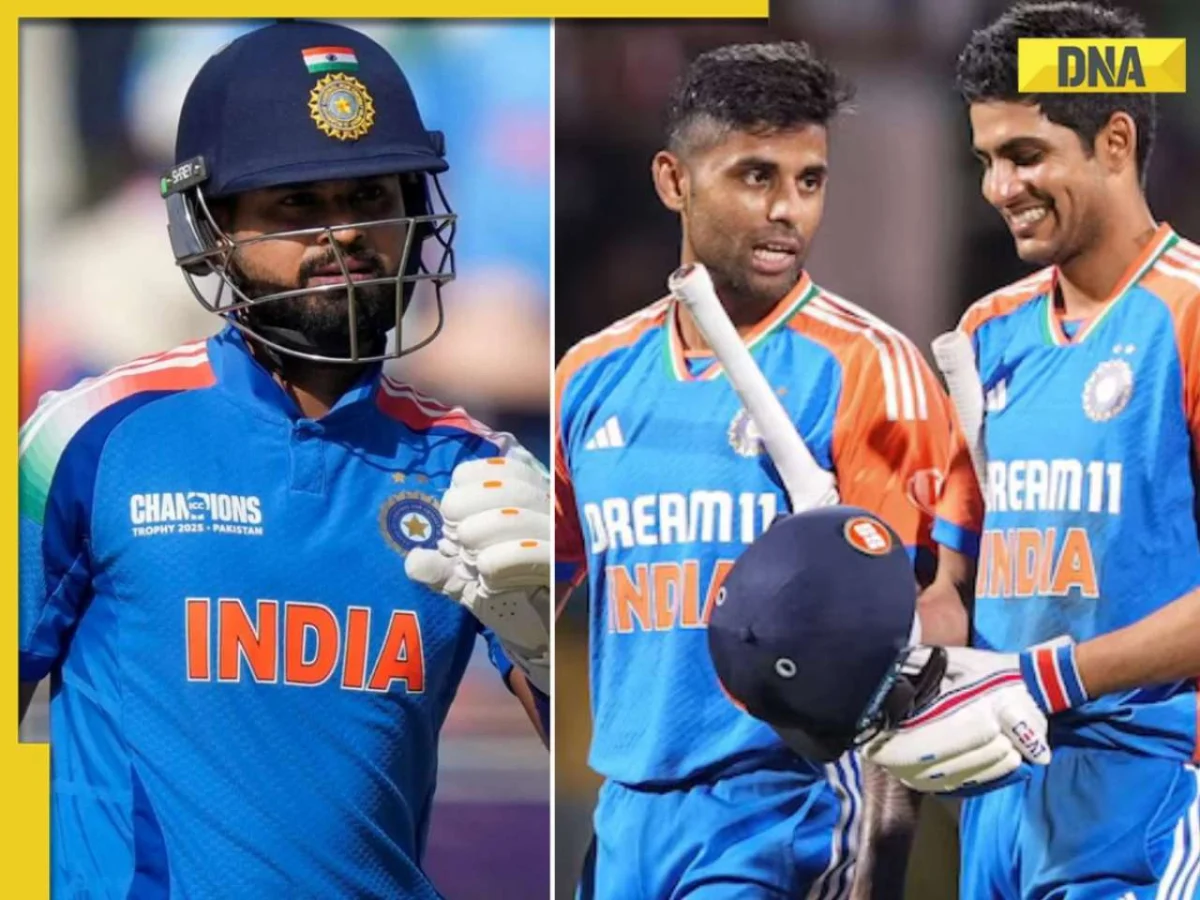
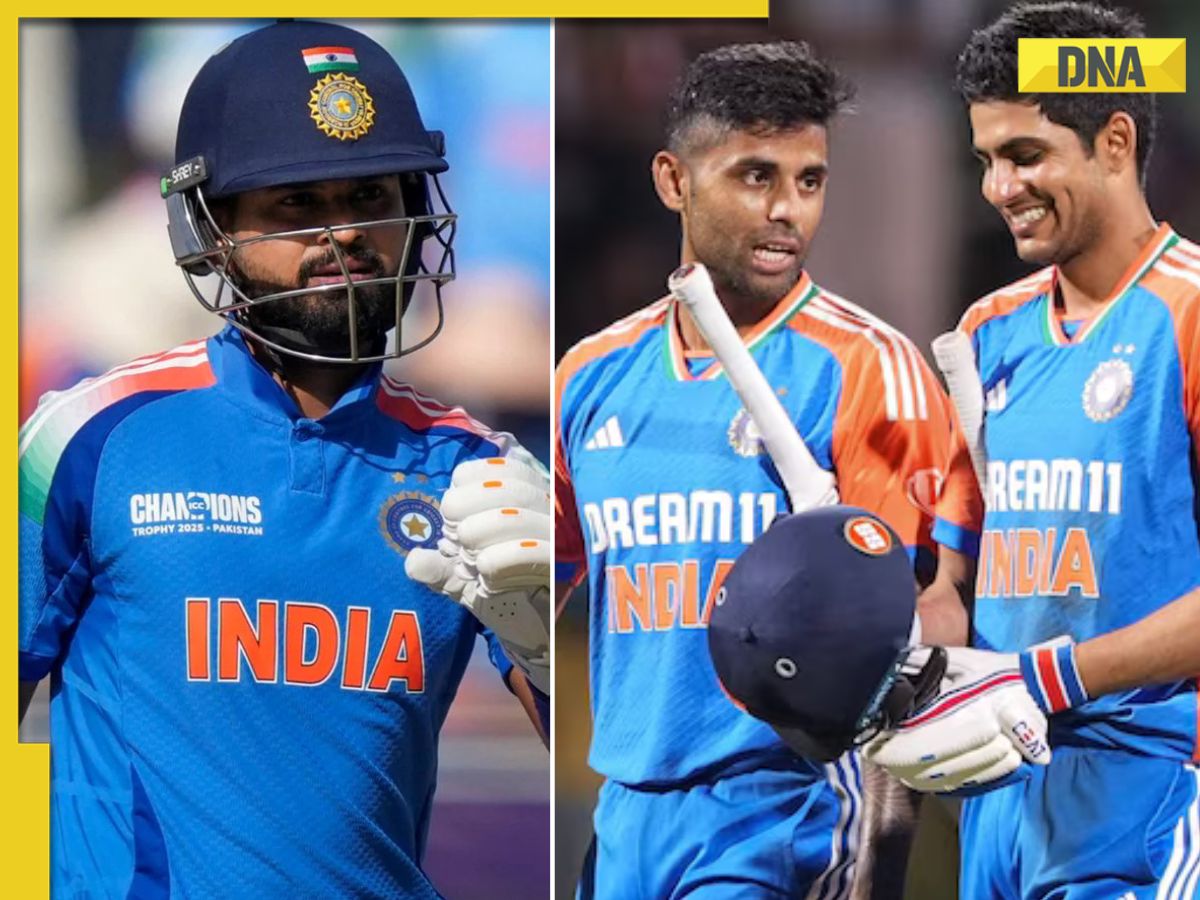
Mumbai, India – Indian cricket is on the cusp of a significant leadership transition in its white-ball formats, with dynamic middle-order batsman Shreyas Iyer reportedly emerging as the top contender to assume captaincy across both One Day Internationals (ODIs) and Twenty20 Internationals (T20Is). This potential appointment signals a proactive ‘white-ball reset’ by the Board of Control for Cricket in India (BCCI), aiming to forge a unified and long-term vision for the national team leading up to the 2027 ODI World Cup. The move could, however, spell major leadership and selection setbacks for current white-ball captains Suryakumar Yadav and Shubman Gill, marking a decisive pivot in the strategic direction of Indian cricket.
The discussions within the BCCI’s corridors of power suggest a desire to consolidate the white-ball captaincy under a single, astute leader, and Iyer’s name has gained considerable traction. His proven track record in franchise cricket, coupled with his temperament and strategic understanding, positions him favorably for this challenging dual role. This development is expected to unfold rapidly following the conclusion of the Indian Premier League (IPL) 2026 season, which has seen Iyer further cement his leadership credentials.
Main Facts: A New Era Dawns for India’s White-Ball Squad
The core of this seismic shift is the impending appointment of Shreyas Iyer as the potential dual captain for India’s ODI and T20I teams. Sources within the BCCI indicate a strong consensus building around Iyer’s capabilities, particularly his consistent success in leading IPL franchises to deep tournament runs, including an IPL title. This decision, if finalized, would represent a strategic departure from the recent trend of having separate captains for different formats or rotating leaders based on availability or specific series.
)
The ‘white-ball reset’ is more than just a change of personnel; it signifies a comprehensive re-evaluation of India’s approach to limited-overs cricket. After recent international tournaments, including the 2026 T20 World Cup win under Suryakumar Yadav and the earlier ODI World Cup cycles, the board is reportedly keen to streamline leadership, foster a consistent team culture, and identify individuals who can steer the team through the demanding schedule and build towards the next major ICC events.
While Suryakumar Yadav recently led India to a T20 World Cup triumph in 2026 and Shubman Gill had taken the reins of the ODI side the previous year, the BCCI’s focus appears to be shifting towards a more enduring and integrated leadership model. This could mean that while their contributions as players remain invaluable, their captaincy tenures in these formats might be drawing to a close. Gill, notably, is still the designated Test captain, indicating a strategic segregation of leadership responsibilities across formats, with Iyer earmarked for the white-ball domain.

An official from the BCCI, speaking on condition of anonymity, articulated the board’s evolving philosophy: "There’s every chance you’ll see a new face, or maybe just one main face, heading up both the T20I and ODI squads soon. The board is looking to mix youthful energy with experienced hands, and right now, Shreyas’s name is at the top of the list. His consistent performances have only been interrupted by a few injuries, not a lack of form or drive." This statement underscores the board’s confidence in Iyer’s resilience and leadership acumen despite his recent injury history.
Chronology: Tracing the Path to a Leadership Crossroads
The journey to this pivotal moment in Indian cricket leadership is a culmination of several factors, reflecting both past performances and future aspirations.
)
The Rohit Sharma Era and Its Aftermath
For a significant period, Rohit Sharma was the undisputed leader across all formats, particularly in white-ball cricket. His captaincy brought success in bilateral series and laid the groundwork for the team’s aggressive approach. However, the search for a long-term successor, especially with an eye on the 2027 ODI World Cup, began in earnest as his tenure neared its natural conclusion. This prompted the initial experimentation with multiple leaders.
The Rise of Interim Captains and Multi-Format Leadership
In the absence of Rohit Sharma, due to injuries or workload management, India experimented with a host of captains. Rishabh Pant, Hardik Pandya, KL Rahul, Jasprit Bumrah, and even Shreyas Iyer himself had stints leading the national side in various formats. This period of rotational captaincy, while providing opportunities for various players, also highlighted the potential benefits of a more settled leadership structure.
)
Suryakumar Yadav’s T20 World Cup Triumph (2026)
One of the most recent and notable chapters in this leadership narrative was Suryakumar Yadav’s captaincy during the T20 World Cup in 2026. Leading a relatively young and dynamic side, Yadav defied expectations to clinch the coveted trophy, showcasing his leadership mettle on the biggest stage. His tactical decisions and ability to inspire the team to a global title made him a strong contender for long-term white-ball captaincy.
Shubman Gill’s Ascent to ODI and Test Captaincy
Shubman Gill, touted as the future of Indian batting, was handed the reins of the ODI team in the previous year, marking his emergence as a multi-format leader. His tenure, though relatively short, brought a fresh perspective and a new generation’s approach to the 50-over format. Simultaneously, he had already taken over the crucial Test captaincy, underscoring the selectors’ faith in his potential to lead in the longest format.
)
Shreyas Iyer’s IPL Journey: A Testament to Leadership
While his international T20I appearances have been sporadic since late 2023, primarily due to injuries, Iyer’s consistent captaincy success in the IPL has been impossible for the selectors to ignore. His leadership journey in the world’s premier T20 league paints a compelling picture:
- Delhi Capitals (2018-2021): Iyer transformed the Delhi Capitals franchise, leading them to their first-ever IPL final in 2020. His calm demeanor under pressure and ability to nurture young talent were widely praised.
- Kolkata Knight Riders (2022-2024): After moving to KKR, Iyer continued to impress, culminating in an IPL title victory in 2024. This achievement further solidified his reputation as a captain who can deliver silverware.
- Punjab Kings (2025-2026): In the current IPL 2026 season, Iyer is captaining Punjab Kings (PBKS). Having led them to the final in 2025, he has steered PBKS to second place with four games remaining, positioning them strongly for the playoffs. This continuous high-level performance across multiple franchises highlights his adaptability and enduring leadership qualities.
The ‘White-Ball Reset’ Imperative
The discussions around a ‘white-ball reset’ gained momentum following a thorough review of India’s performances in recent ICC tournaments. Despite the T20 World Cup win, the board felt the need for a more cohesive and long-term strategy, particularly for the ODI format where the 2027 World Cup is the ultimate goal. The idea is to identify a leader who can command respect, understand the nuances of both formats, and build a team capable of sustained success over a multi-year cycle. This perspective, it appears, favors Iyer’s extensive captaincy experience over the relatively newer stints of Gill and Yadav in national colours.
)
The Jam-Packed Post-IPL Schedule
The urgency of this decision is amplified by India’s demanding international schedule post-IPL 2026. The calendar features:
- A one-off Test against Afghanistan.
- A three-match ODI series against Afghanistan.
- White-ball tours to Ireland.
- White-ball tours to England.
These series will serve as crucial preparatory grounds, providing the new captain and team management ample opportunities to experiment, strategize, and build cohesion ahead of the critical 2027 ODI World Cup cycle.
Supporting Data: The Case for Shreyas Iyer and the Challenges for Others
The BCCI’s reported inclination towards Shreyas Iyer is rooted in a compelling blend of his leadership experience, batting prowess, and strategic acumen, while also acknowledging the contributions of Suryakumar Yadav and Shubman Gill.
)
Shreyas Iyer’s Unparalleled IPL Captaincy Success
Iyer’s IPL captaincy record stands out as a significant data point. He is one of the few captains to have led two different franchises to an IPL final (Delhi Capitals and Punjab Kings) and secured an IPL title with a third (Kolkata Knight Riders). This demonstrates:
- Tactical Nuance: His ability to make shrewd on-field decisions, manage bowling resources, and set aggressive fields.
- Player Management: His knack for getting the best out of his teammates, fostering a positive dressing room environment, and handling pressure situations effectively.
- Consistency: Sustained success over several IPL seasons, indicating not just flashes of brilliance but a consistent leadership temperament.
- Resilience: Steering teams through high-pressure games and rebuilding after setbacks, a quality highly valued in international cricket.
Despite his absence from T20Is since late 2023, largely due to injuries like a recurring back issue and a subsequent quad injury, Iyer’s form upon return has been commendable. His ODI record for India is strong, with an average consistently above 40 and a healthy strike rate, including crucial centuries and half-centuries in challenging conditions. This makes him a natural fit for the ODI captaincy, and his IPL success is seen as transferable to the T20I format.
)
Suryakumar Yadav: The T20 World Cup Winning Captain
Suryakumar Yadav’s T20 World Cup victory in 2026 is an undeniable and significant achievement. It marked India’s return to ICC T20 glory and showcased Yadav’s ability to lead from the front with his aggressive batting and unconventional captaincy style. His individual batting record in T20Is is phenomenal, making him arguably the most impactful T20 batsman in the world.
However, the board’s decision to potentially replace him as white-ball captain suggests a few underlying considerations:
- Workload Management: Yadav’s explosive batting style and age might necessitate a focus purely on his primary role as a batsman, especially in the lead-up to the 2027 ODI World Cup.
- Multi-Format Leadership: While brilliant in T20Is, his ODI captaincy experience is limited. The board might prefer a leader with a more extensive and proven track record across both formats for a unified vision.
- Strategic Shift: The ‘reset’ might imply a desire for a captain whose style aligns more with traditional leadership attributes for the longer white-ball format, while still embracing modern T20 aggression.
Shubman Gill: The Test Captain and ODI Talent
Shubman Gill represents the next generation of Indian batting talent. His elevation to Test captaincy is a clear indicator of the selectors’ long-term faith in him as a leader in the red-ball format. His recent stint as ODI captain was also a part of his leadership development.
The potential removal from ODI captaincy, while maintaining his Test leadership, could be attributed to:
)
- Specialization: Allowing Gill to focus on building a legacy in Test cricket, where he has shown immense promise, and managing his multi-format workload.
- Experience Gap: While a natural leader, his captaincy experience in limited-overs cricket is not as extensive as Iyer’s, particularly in high-stakes franchise tournaments.
- Batting Focus: Freeing him from white-ball captaincy responsibilities might allow him to concentrate solely on his batting across all formats, ensuring he continues to be a prolific run-scorer.
BCCI’s Vision: "Youthful Energy with Experienced Hands"
The BCCI official’s statement about blending "youthful energy with experienced hands" is crucial. Shreyas Iyer, at 31 (in 2026, assuming the article’s future timeline), is not a ‘youth’ in the traditional sense, but he represents a generation of cricketers who have come through the IPL crucible, bringing a modern approach to the game. His extensive captaincy experience at the domestic and franchise level, combined with his international exposure, positions him as the "experienced hands." The "youthful energy" might refer to the overall composition of the team he would lead, where younger talents would be integrated under his guidance. This blend is perceived as ideal for a sustained run towards the 2027 ODI World Cup.
Official Responses: Insights from the Corridors of Power
While no official press conference or public announcement has yet been made, the indications from within the BCCI are clear, primarily through the anonymous statements and actions of key decision-makers. The selection committee, headed by chief selector Ajit Agarkar, is believed to be the driving force behind this leadership re-evaluation.
)
"The discussions have been robust and thorough," a source close to the selection committee revealed. "The core idea is consistency. We need a single voice for white-ball cricket, someone who has demonstrated the ability to lead a team through a long tournament, handle pressure, and adapt strategies. Shreyas has consistently shown these attributes in the IPL, and his commitment to the national team, despite injury setbacks, has been unwavering."
The preference for Iyer is not merely based on current form but a holistic assessment of his leadership journey. "It’s about the complete package," another BCCI insider commented. "His tactical acumen, his ability to rally the team, and his composure in critical moments have impressed the hierarchy. We believe he possesses the temperament to lead India through the challenging cycle ahead, particularly with the 2027 ODI World Cup as a primary objective."
)
Regarding Suryakumar Yadav’s future, the board maintains that his contributions will not be overlooked. "Suryakumar’s T20 World Cup win was a monumental achievement, and his efforts won’t go unrewarded," the official stated, hinting at a continued, prominent role as a player. This suggests that while the captaincy might shift, Yadav remains an indispensable asset for his explosive batting. Similarly for Shubman Gill, his value to the Test team and as a crucial white-ball batsman is undisputed. The board envisions him as a long-term stalwart across formats, with the Test captaincy allowing him to carve out his own distinct leadership legacy.
The final decision is expected to be announced shortly after the IPL 2026 concludes, with the new leadership structure likely to be in place for India’s upcoming white-ball assignments against Afghanistan, Ireland, and England. The clarity and direction from the top are seen as essential for the team to regroup and strategize effectively for the packed international calendar.
)
Implications: A Glimpse into India’s White-Ball Future
The potential appointment of Shreyas Iyer as India’s dual white-ball captain carries profound implications for the team, the players involved, and the strategic direction of Indian cricket.
For Shreyas Iyer: The Weight of Expectation
For Shreyas Iyer, this would be the pinnacle of his leadership aspirations. It signifies immense trust from the BCCI and an unparalleled opportunity to shape India’s white-ball destiny. However, it also brings with it immense pressure and scrutiny. Leading India, especially in the high-stakes environment of white-ball cricket, demands consistent performance, astute decision-making, and the ability to unite a diverse group of superstars. His primary challenge will be to translate his IPL captaincy success onto the international stage, starting with the immediate task of building a cohesive unit for the upcoming tours and laying the groundwork for the 2027 ODI World Cup. Managing his own form and fitness, given his history of injuries, will also be critical.
)
For Suryakumar Yadav: Redefining His Role
For Suryakumar Yadav, the shift in captaincy would undoubtedly be a significant blow, especially coming off a T20 World Cup victory. However, it presents an opportunity for him to fully unleash his destructive batting prowess without the added burden of leadership. The board’s assurance that his contributions won’t go unrewarded suggests he will remain a central figure in the white-ball setup. His challenge will be to adapt to a non-captaincy role, continue to perform at an elite level, and support the new leader, leveraging his recent World Cup winning experience.
For Shubman Gill: Focus on Test Legacy and Batting Dominance
Shubman Gill’s retention of the Test captaincy, coupled with the potential loss of ODI captaincy, might allow him to specialize and focus on solidifying his position as India’s premier Test leader and a formidable multi-format batsman. This could alleviate the pressures of leading in all three formats simultaneously, enabling him to concentrate on his batting technique and consistency. His role in the white-ball teams would remain crucial as a top-order batsman, but without the added responsibility of captaincy, he could potentially achieve greater freedom and consistency with the bat.
)
For Team India: A Unified White-Ball Vision
The most significant implication for Team India is the establishment of a unified leadership structure across ODIs and T20Is. This move aims to:
- Consistency in Strategy: A single leader can ensure a consistent strategic approach, playing style, and team philosophy across both white-ball formats, fostering better cohesion and understanding.
- Long-Term Planning: With a clear leader, the team management can engage in long-term planning, identifying and nurturing talent with the 2027 ODI World Cup and subsequent T20 World Cups in mind.
- Player Development: A settled captain can provide stability for younger players, giving them clear roles and fostering their development within a consistent team environment.
- Road to 2027 ODI World Cup: This decision marks the official commencement of India’s campaign for the 2027 ODI World Cup. Iyer’s leadership will be instrumental in building a squad capable of going all the way.
Broader Implications for Indian Cricket
The ‘white-ball reset’ extends beyond captaincy. It hints at a deeper evaluation of player roles, coaching staff, and selection policies. This could lead to:
)
- Rethink of Veteran Roles: While not explicitly stated, such a reset might prompt discussions about the roles of other senior players in the white-ball setup, as the focus shifts towards building a team for the future.
- Emphasis on Fitness: Iyer’s own injury history and successful return highlight the increasing importance of player fitness and robust rehabilitation programs in the demanding international schedule.
- Synergy with Head Coach: The new captain will need to establish a strong working relationship with the head coach to implement the strategic vision effectively.
As the curtains fall on IPL 2026, the cricketing world eagerly awaits the official announcement that will undoubtedly usher in a new chapter for Indian white-ball cricket. Shreyas Iyer’s credentials speak volumes, and if appointed, he will carry the hopes of a nation keen to dominate limited-overs cricket globally. The road to the 2027 ODI World Cup is long and arduous, but with a clear leadership mandate, India aims to navigate it with renewed vigor and a singular vision.
