

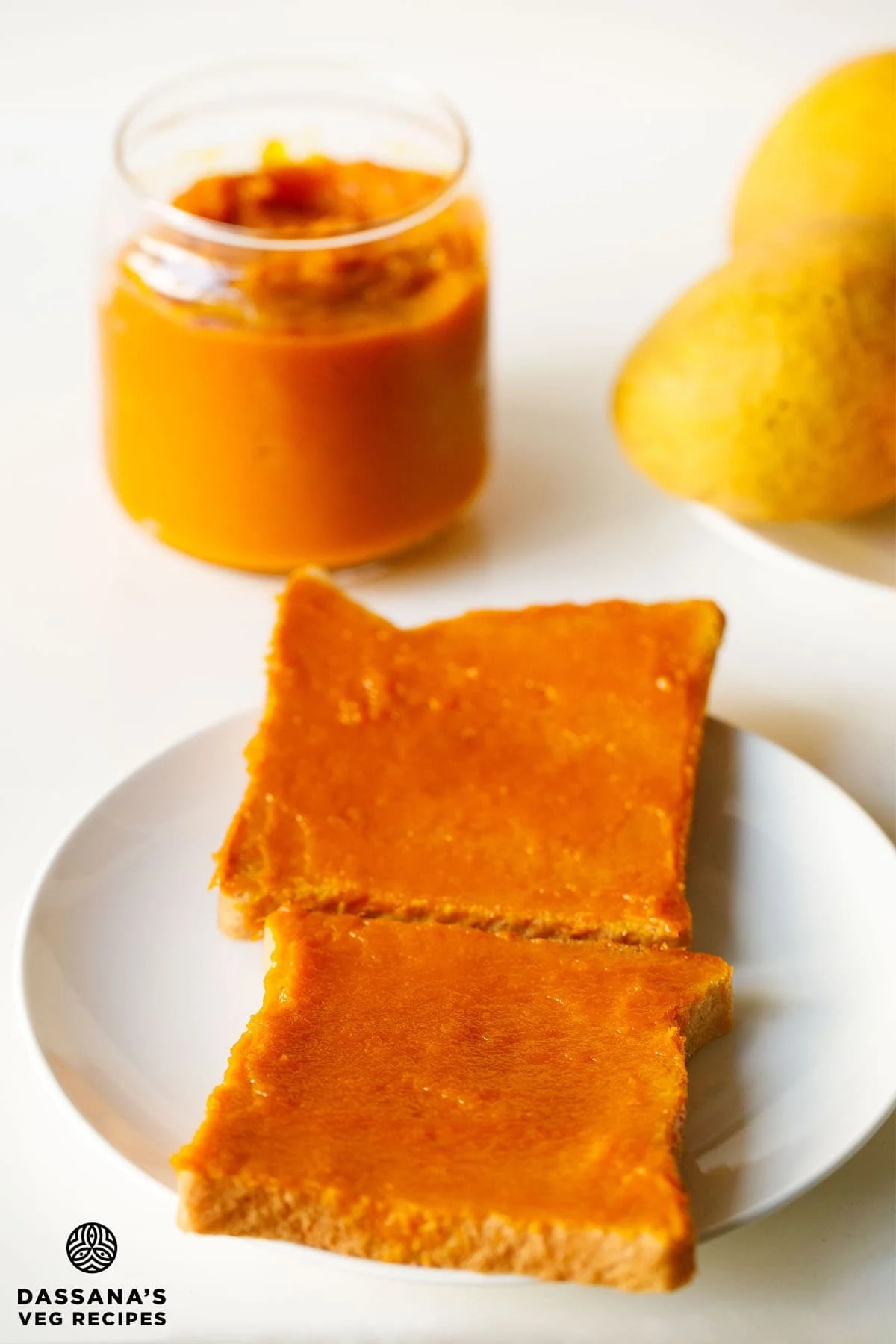
MUMBAI – As the summer sun reaches its zenith across the Indian subcontinent and tropical regions globally, a culinary phenomenon is taking hold in domestic kitchens: the revival of artisanal fruit preservation. Leading this movement is the homemade mango jam, a vibrant, additive-free alternative to industrial spreads that has captured the attention of health-conscious consumers and culinary enthusiasts alike.
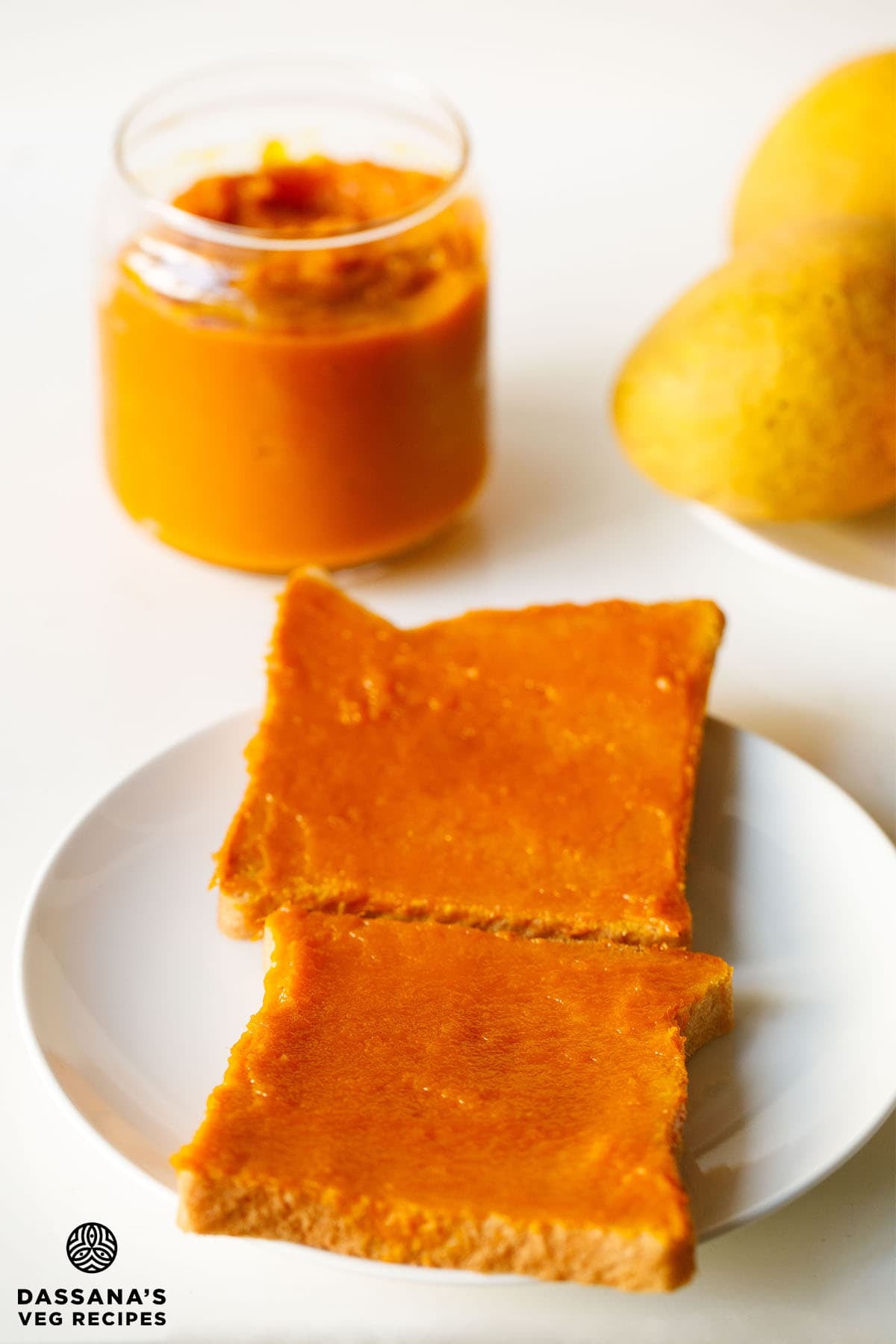
While commercial jams often rely on high-fructose corn syrup and synthetic thickening agents, the transition toward "slow food" has prompted a return to the basics. Using the revered Alphonso mango as its primary medium, this movement emphasizes the chemistry of simple ingredients—fruit, sugar, and citrus—to create a product that is as much a seasonal celebration as it is a pantry staple.
Main Facts: The Anatomy of a Pure Preserve
At its core, homemade mango jam is a reduction of ripe mango purée, sugar, and lemon juice. Unlike traditional berry or apple jams, mangoes present a unique challenge to the preserver due to their low natural pectin content. Pectin is the structural heteropolysaccharide contained in the primary cell walls of terrestrial plants that acts as a gelling agent. Because mangoes are deficient in this area, the resulting jam is characterized by a "soft set"—a lush, spreadable consistency that favors flavor over a firm, gelatinous structure.
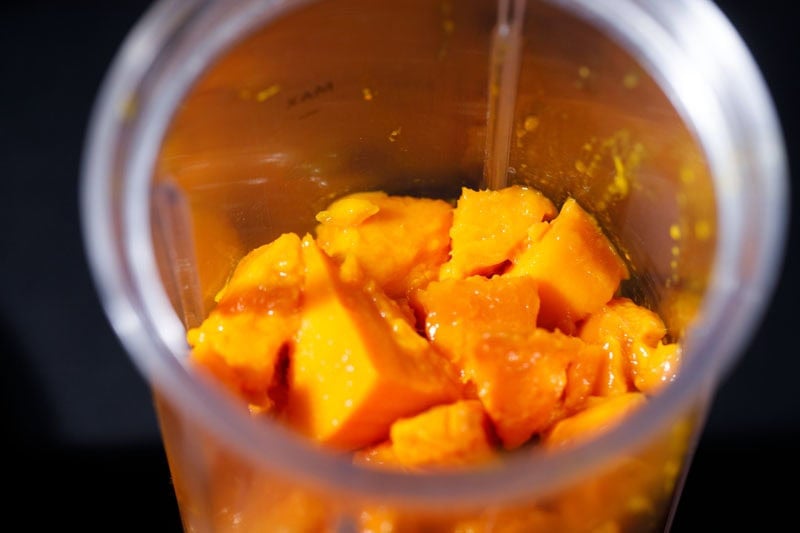
Culinary experts note that the choice of fruit is paramount. While the Alphonso mango—often dubbed the "King of Mangoes"—is the preferred choice for its lack of fiber and intense saccharine profile, other varieties like the Kesar, Ataulfo, and Kent are increasingly being utilized in international markets. The goal is a smooth, velvet-like texture that avoids the "stringy" mouthfeel associated with more fibrous cultivars.
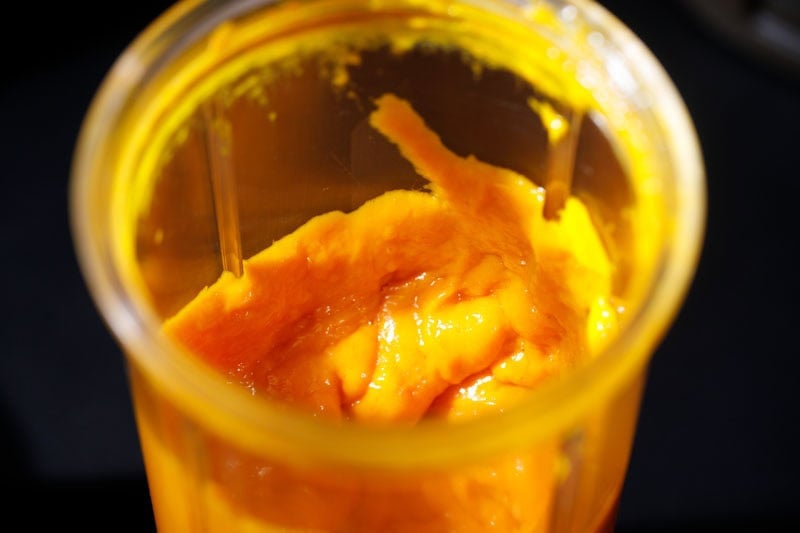
Chronology: The Transformation from Orchard to Jar
The process of creating a high-quality mango jam is a lesson in patience and thermal control. The lifecycle of the preserve follows a strict chronological path:
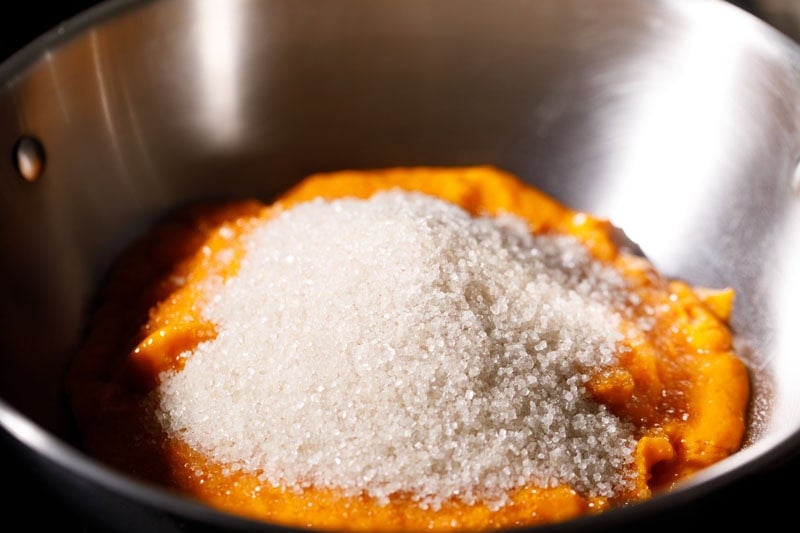
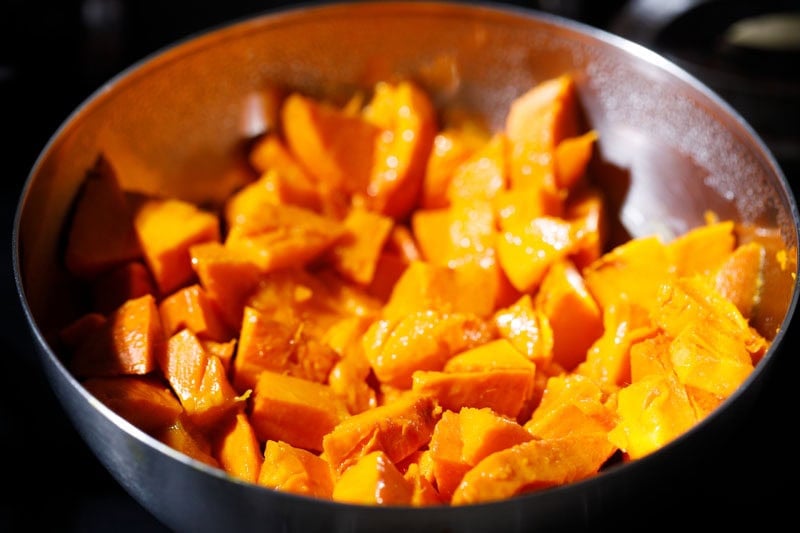
- Selection and Preparation: The process begins with the procurement of approximately 1.15 kilograms of ripe mangoes. For a standard yield of three cups of purée, roughly five medium-sized Alphonso mangoes are required. These are rinsed, peeled, and macerated into a smooth, consistent pulp to ensure an even cook.
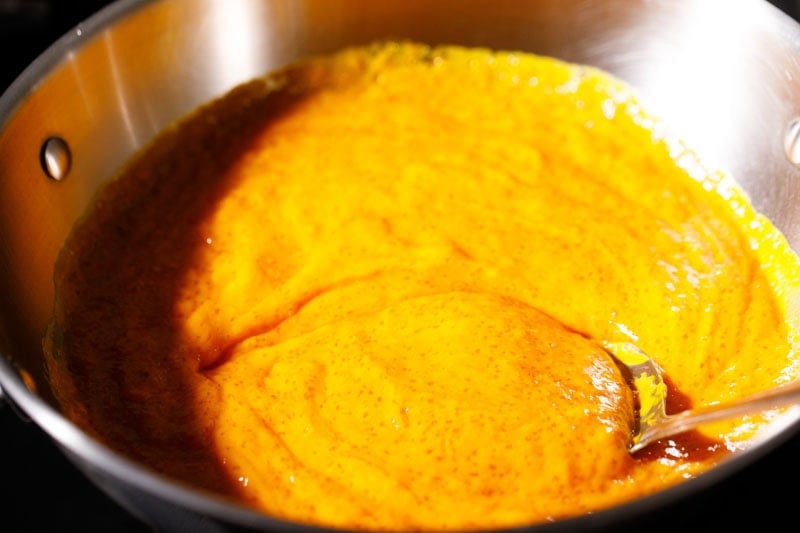
- The Dissolution Phase: The purée is combined with sugar—typically 150 grams per three cups of fruit—in a heavy-bottomed deep pan. Heat is applied at a low setting to ensure the sucrose crystals dissolve completely without scorching, which would impart a bitter, burnt undertone to the fruit.
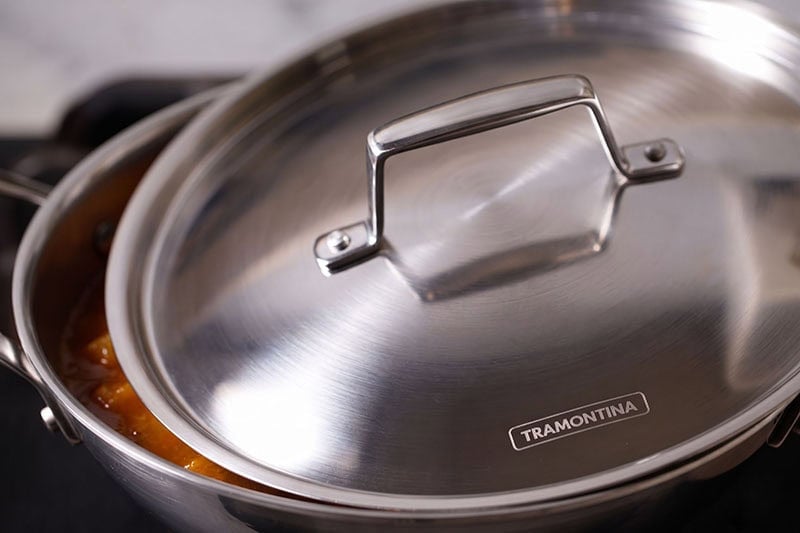
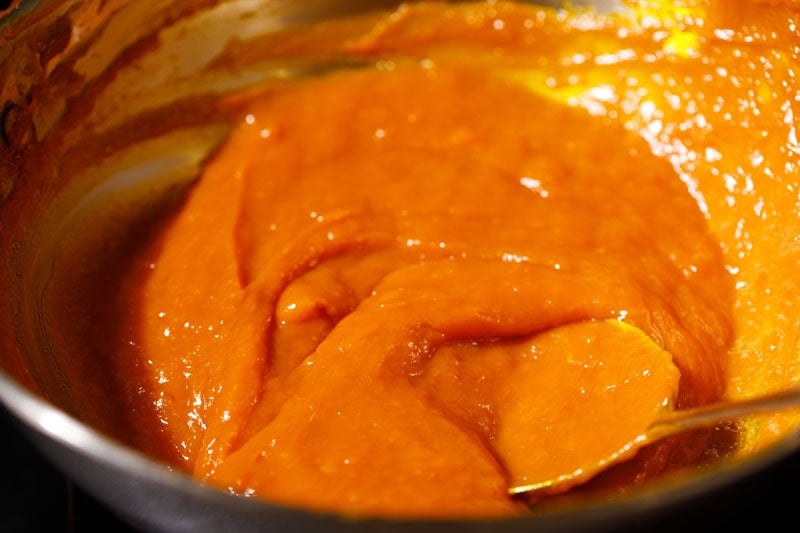
- The Reduction and Volatility Stage: As the mixture reaches a simmer, the water content begins to evaporate. For the first 15 to 20 minutes, the mixture is prone to "spluttering"—a result of the thick pulp trapping steam. Experienced cooks employ a partial lid or mesh shield during this phase to maintain safety while allowing moisture to escape.
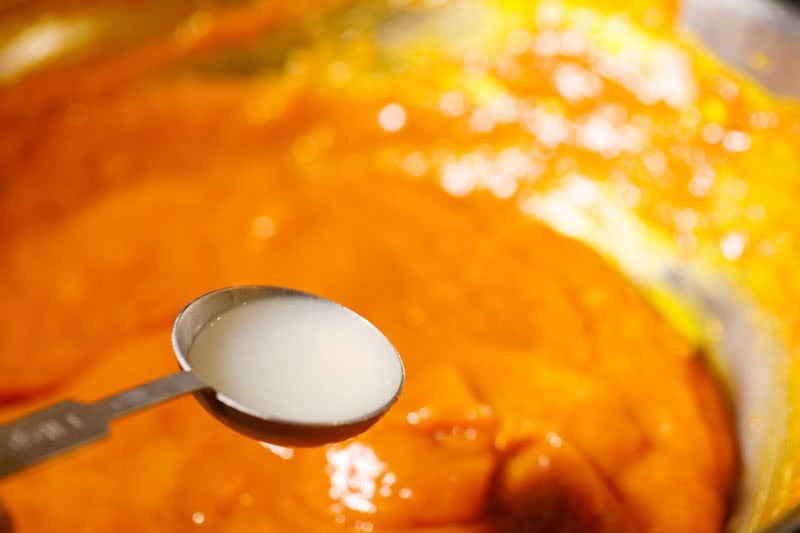
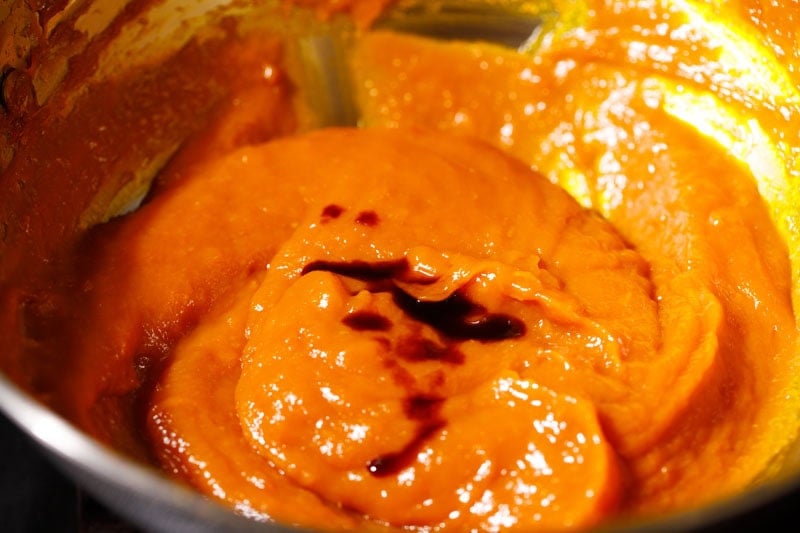
- The Acidification and Thickening: Toward the final ten minutes of the cooking cycle, lemon juice is introduced. This is a critical chemical step; the citric acid lowers the pH of the mixture, which assists the minimal pectin present in binding and prevents the sugar from recrystallizing after the jam cools.
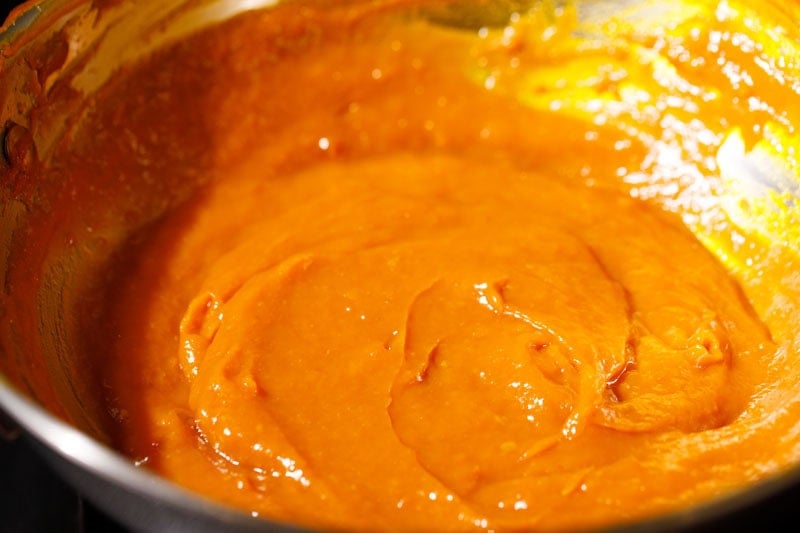
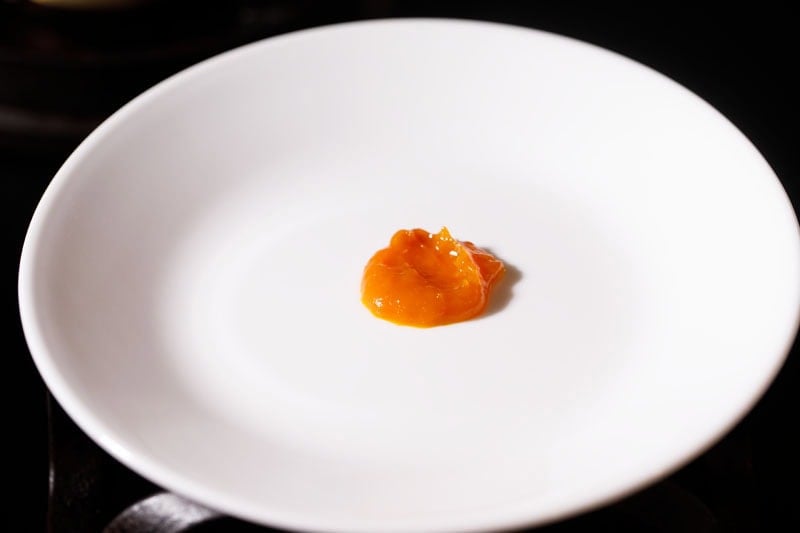
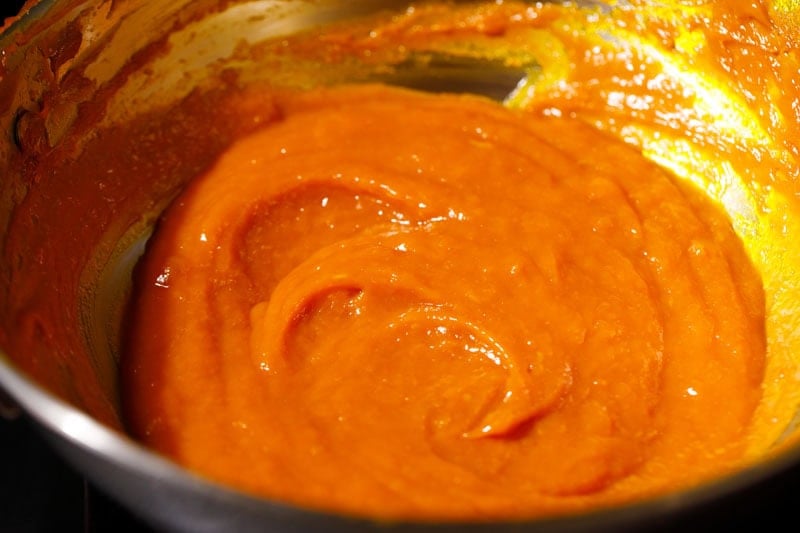
- The Gel Test and Finishing: The jam is subjected to the "plate test"—placing a dollop on a chilled surface to see if it wrinkles when pushed. Once the desired "sheet" consistency is reached, optional flavor enhancers like vanilla extract are added off-heat to preserve their volatile aromatic compounds.
- Sterilization and Sealing: The hot jam is transferred to sterilized glass containers, creating a vacuum seal as it cools, which extends the shelf life of the product in a refrigerated environment.
Supporting Data: Nutritional and Chemical Profiles
The move toward homemade preserves is backed by a desire for nutrient density. According to nutritional analysis, a standard serving of this mango jam provides a significant concentration of micronutrients that are often lost in ultra-processed versions.
A batch derived from the provided recipe yields approximately 524 kcal per significant serving portion, but more importantly, it delivers 145 mg of Vitamin C and 4140 IU of Vitamin A. The presence of Potassium (660 mg) and Magnesium (39 mg) makes it a more bioavailable option than store-bought counterparts.
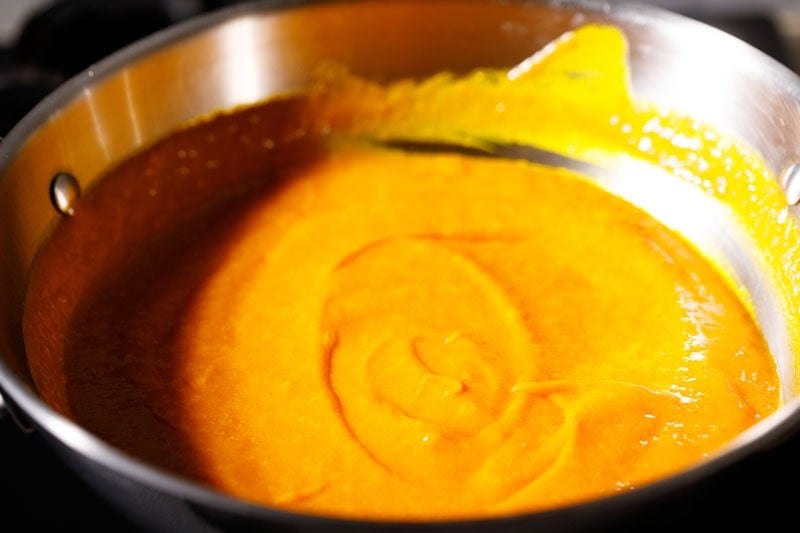
Chemically, the success of the jam relies on the "Sugar-Acid-Pectin" ratio. While commercial manufacturers add powdered pectin to ensure a fast, firm set, the artisanal method relies on the "Long-Boil" technique. This allows the fruit’s natural sugars to caramelize slightly, deepening the color to a rich, burnt orange and concentrating the mango’s esters, which provide its characteristic tropical aroma.
Official Responses: Expert Insights on the "Soft Set"
Culinary authorities and food technologists have weighed in on the nuances of mango preservation. Dassana, a prominent voice in the Indian vegetarian culinary space and a proponent of the "no-additive" philosophy, emphasizes that the lack of a firm set is not a failure of the cook, but a triumph of the fruit.
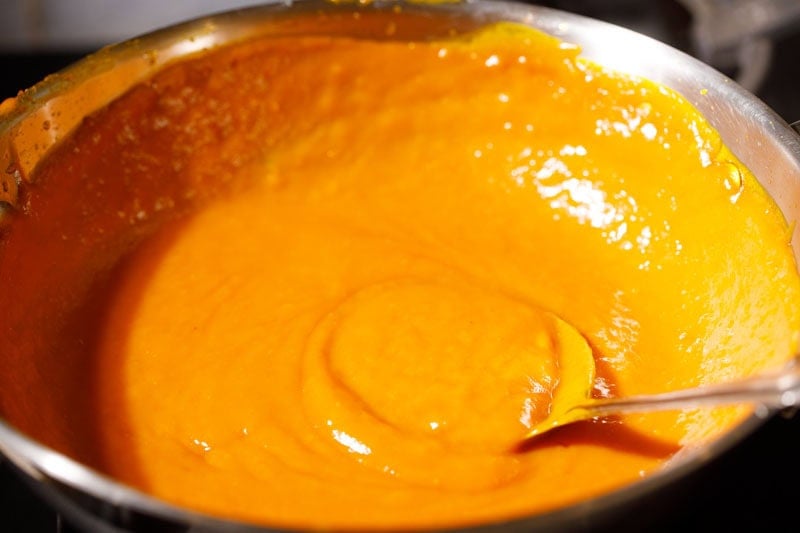
"Mango jam will not set firm like apple or strawberry jam because of its biological makeup," she explains. "By avoiding artificial pectin, we are allowing the true texture of the Alphonso or Kesar mango to shine. It is a ‘spoonable’ jam, designed to meld into the pores of a warm roti or a slice of sourdough."
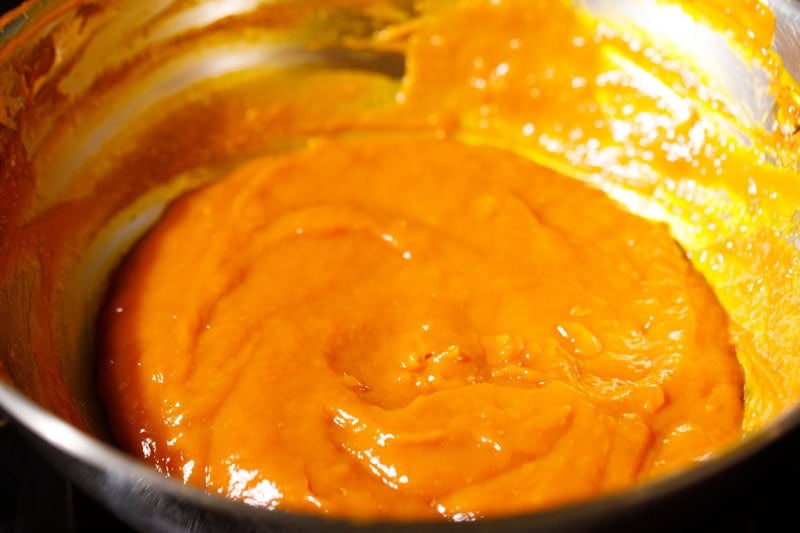
Food safety experts also highlight the role of sugar in this process. While health trends often demonize sugar, in the context of jam-making, it serves as a vital preservative. "Sugar reduces ‘water activity’ (aw) in the food," says a food scientist specializing in home preservation. "By binding the water molecules, sugar prevents the growth of microorganisms. Even with sweet mangoes, skipping the sugar is not an option if you want the product to last more than a few days."
Implications: The Future of Home Preservation
The resurgence of mango jam making has broader implications for food sustainability and the global supply chain.
1. Reduction of Food Waste:
During peak mango season, gluts in the market often lead to significant spoilage. The promotion of home canning and jamming provides a decentralized solution to food waste, allowing households to "lock in" the season’s bounty for use during the monsoon and winter months.
2. Economic Shift Toward Artisanal Goods:
The popularity of these recipes has spurred a micro-economy of artisanal "small-batch" producers. Consumers are increasingly willing to pay a premium for jams that list only three or four recognizable ingredients, challenging the market share of large conglomerate food brands.
3. Health and Transparency:
By controlling the ingredients, consumers are effectively eliminating preservatives like sodium benzoate and artificial colors (such as Sunset Yellow) from their diets. The inclusion of lemon juice as a natural preservative and color-brightener aligns with the "Clean Label" movement currently sweeping the food industry.
4. Culinary Versatility:
The artisanal mango jam is no longer relegated to a breakfast spread. It is being integrated into high-end gastronomy as a glaze for proteins, a filling for eggless vanilla cakes, and a swirl for sophisticated cheesecakes and mousses. This versatility ensures that the product remains relevant beyond the traditional "toast and jam" demographic.
Conclusion
The homemade mango jam represents a intersection of traditional wisdom and modern health consciousness. As more individuals move away from the assembly-line food culture, the simple act of simmering mango pulp with sugar becomes a quiet act of rebellion. It is a return to a time when food was dictated by the seasons, and the quality of a meal was measured by the purity of its ingredients.
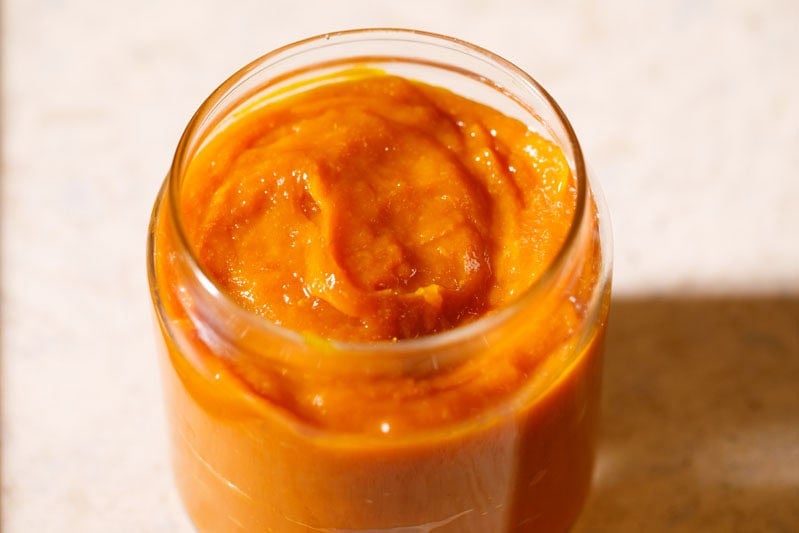
In the words of those who have mastered the craft, the jam is more than a condiment; it is "summer in a jar." As long as the Alphonso continues to bloom, the golden spread will likely remain a fixture of the modern, mindful pantry.
