

The traditional Indian summer wardrobe often conjures an image of effortless linen, pristine whites, and airy silhouettes. While these staples have long been considered the sartorial answer to sweltering heat, a stark reality is forcing a critical re-evaluation. As temperatures routinely breach the 43-45°C mark across central and eastern India, and heatwaves become increasingly intense and prolonged year after year, the time has come to move beyond superficial summer dressing and embrace a more functional, climate-conscious approach to fashion. This shift is not merely about aesthetics; it’s about understanding how our clothing interacts with our bodies and the environment in increasingly challenging climatic conditions.
For generations, Indian textiles and clothing choices were intrinsically linked to survival and comfort in the heat. Fabrics like mulmul, renowned for its incredibly fine weave, allowed for unparalleled airflow, preventing heat from becoming trapped against the skin. Cotton, with its exceptional absorbent properties, effectively wicked away moisture, offering a welcome respite from sweat without clinging heavily to the body. Even linen, though not as historically indigenous as cotton, found a natural place in the Indian wardrobe due to its excellent performance in dry heat, offering a cool and crisp feel. These were not just fashion choices; they were intelligent adaptations to the climate.

However, the narrative surrounding summer fashion has, in recent times, become somewhat divorced from the lived experience of intense heat. The industry has often presented an idealized version of summer dressing, one that feels curated and detached from the very conditions it claims to address. This disconnect is now being challenged as designers and consumers alike are looking towards a more authentic and practical understanding of what truly works when the mercury soars. The focus is shifting from simply looking cool to being cool, with a deeper appreciation for the performance of fabrics and the intelligence embedded in traditional Indian textiles.
The Evolution of Summer Fabrics: From Necessity to Conscious Choice
The history of Indian textiles is deeply intertwined with its climate. Centuries ago, weavers and tailors instinctively understood the principles of thermoregulation, developing fabrics that were not only beautiful but also incredibly effective in combating heat. Mulmul, a fine cotton muslin, was prized for its almost ethereal lightness and breathability. It allowed air to circulate freely, preventing the buildup of heat and moisture. Similarly, cotton, in its various forms, was a staple due to its ability to absorb sweat and its soft, non-restrictive feel against the skin.

Linen, while often associated with European summers, also found its way into Indian wardrobes. Its natural crispness and breathability made it a suitable choice for drier, hotter regions, offering a refined yet comfortable option. These fabrics were not merely fashion statements; they were functional garments that enabled people to navigate the rigours of summer with relative ease.
The contemporary fashion landscape, however, has sometimes prioritized aesthetic trends over the practicalities of enduring extreme heat. While the idea of ‘lightness’ remains central to summer dressing, the interpretation has sometimes become more about visual perception than tangible comfort. This is where a significant shift is now occurring, driven by both the escalating realities of climate change and a renewed appreciation for indigenous textile wisdom.
Designers Embrace Functionality: A New Vernacular in Summer Fashion
Leading designers are now at the forefront of this movement, reinterpreting summer dressing with a renewed emphasis on fabric performance and mindful creation. This is not just about creating clothes that look good; it’s about crafting garments that actively contribute to a wearer’s comfort and well-being in challenging weather.
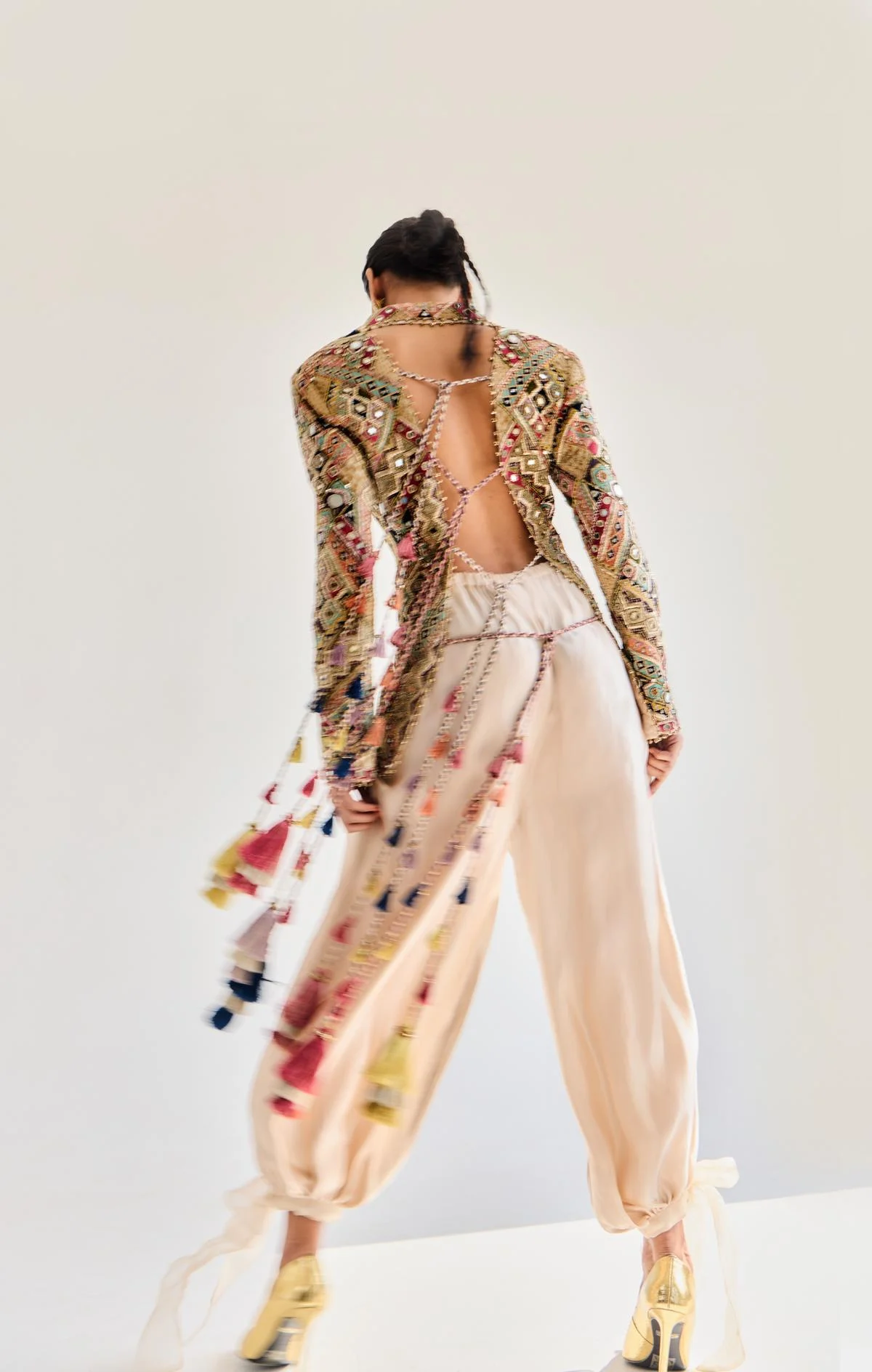
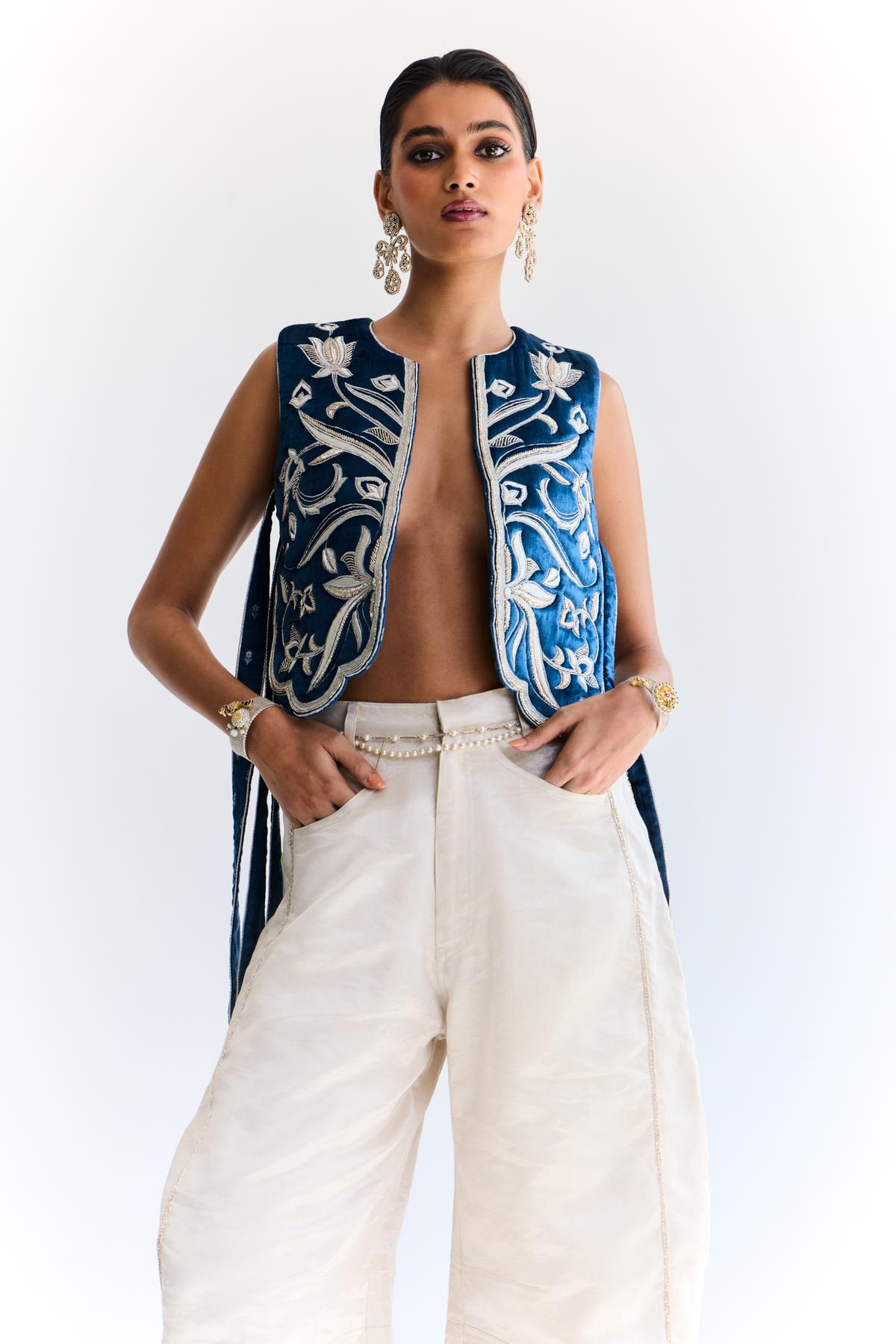
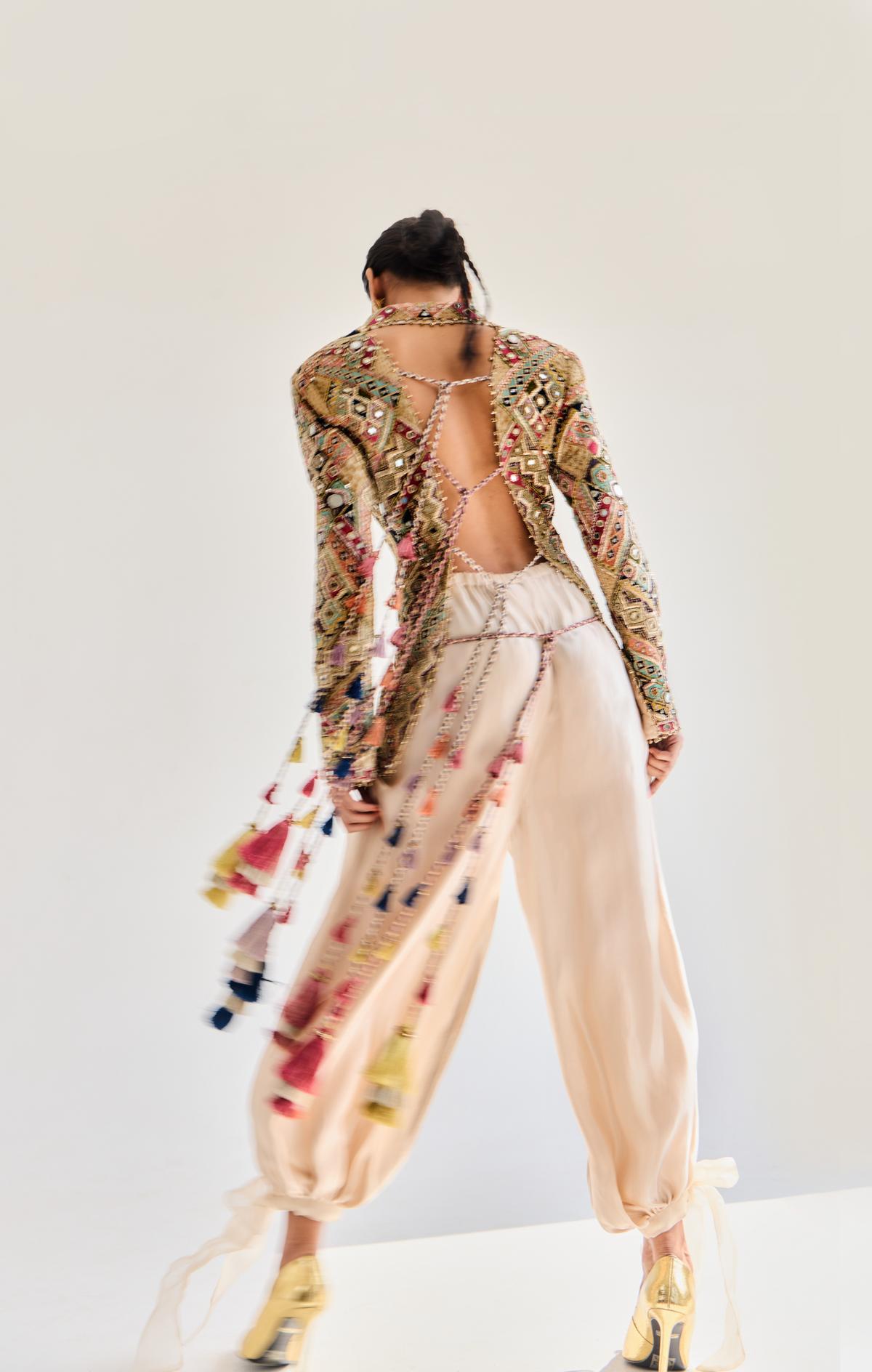
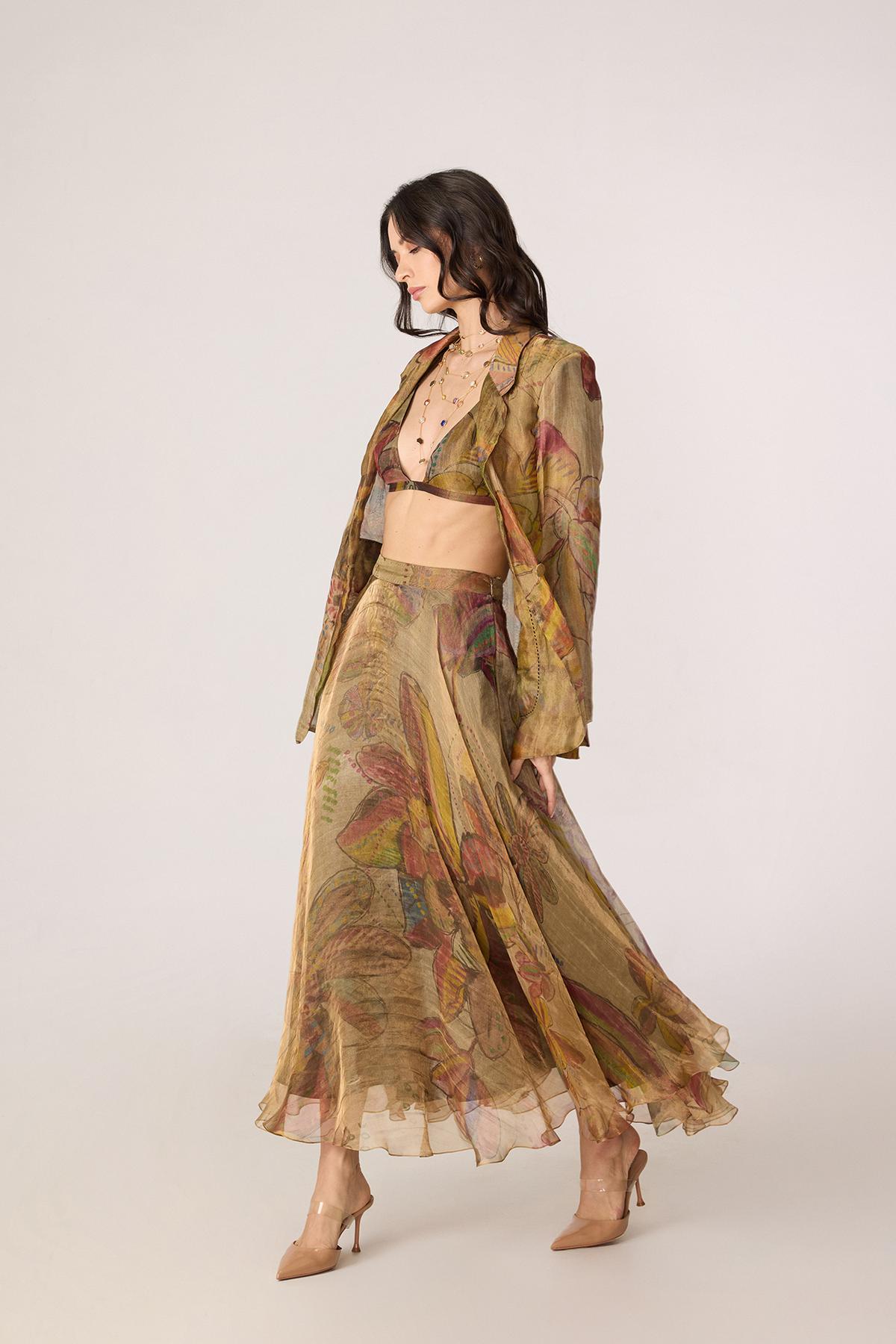
Payal Singhal’s SS/26 collection, "Shahnameh," exemplifies this refined approach. Described as having "a foundation of lightness both in fabric and philosophy," the collection features "airy silks, organzas, and fluid blends." These materials were deliberately chosen for their "breathability and ease," ensuring that the garments move effortlessly with the wearer and project an air of understated elegance. Beyond the choice of fabric, Singhal’s commitment to sustainability is evident in the collection’s production, with nearly 90% made-to-order. This considered approach tackles the issue of overproduction, a significant contributor to environmental strain, and aligns with a broader movement towards more responsible fashion consumption.
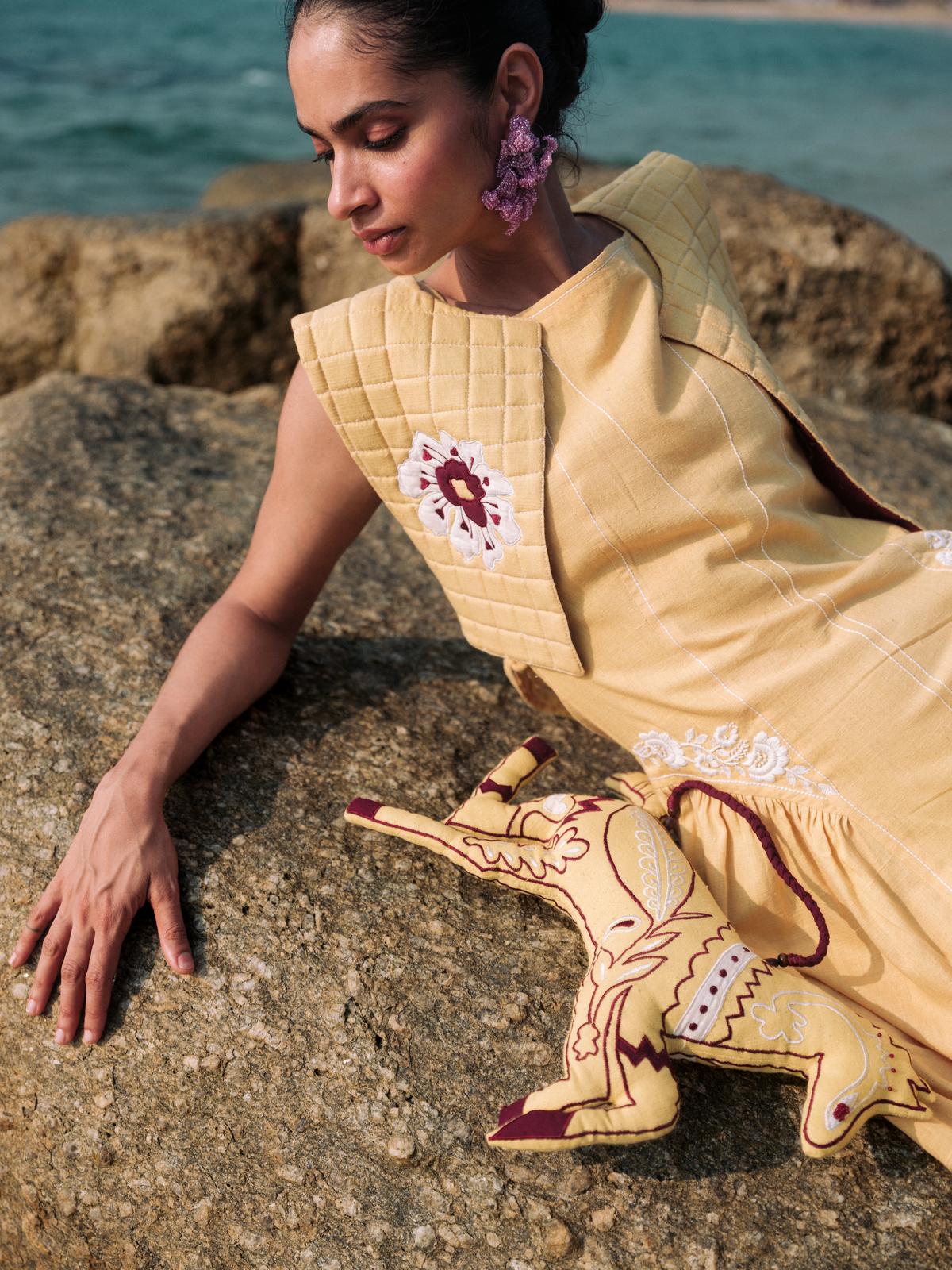
At Jodi, the creative process begins with a deep connection to the essence of the season. Co-founder Karuna Laungani explains that their SS/26 collection, "Only Fools and Fish," emerged from "a particular kind of time that only exists by the sea." While evocative, this inspiration is firmly rooted in the tactile qualities of their chosen fabrics. "We began, as we always do, with the fabric," Laungani states, highlighting the use of indigenous materials like kala cotton, mul, and Chanderi.
Kala cotton, a resilient variety grown in Kutch, thrives in arid conditions with minimal water, making it an environmentally sound choice. Mul, as mentioned, is celebrated for its exceptional airflow, while Chanderi, when woven with a light hand, offers a delicate layering option that doesn’t feel oppressive. Laungani eloquently captures the essence of these fabrics: "They breathe with you rather than against you." This simple yet profound statement underscores the fundamental principle of comfortable summer dressing – fabrics that work in harmony with the body. Jodi’s commitment extends to their production methods, with garments hand-dyed and block-printed in Jaipur, bearing the unique marks of artisanal craftsmanship. The deliberate imperfections in prints and embroidery, along with the uneven settling of colours, lend an authentic, lived-in ease to each piece. Silhouettes are intentionally loose, allowing for both movement and air circulation without sacrificing form.

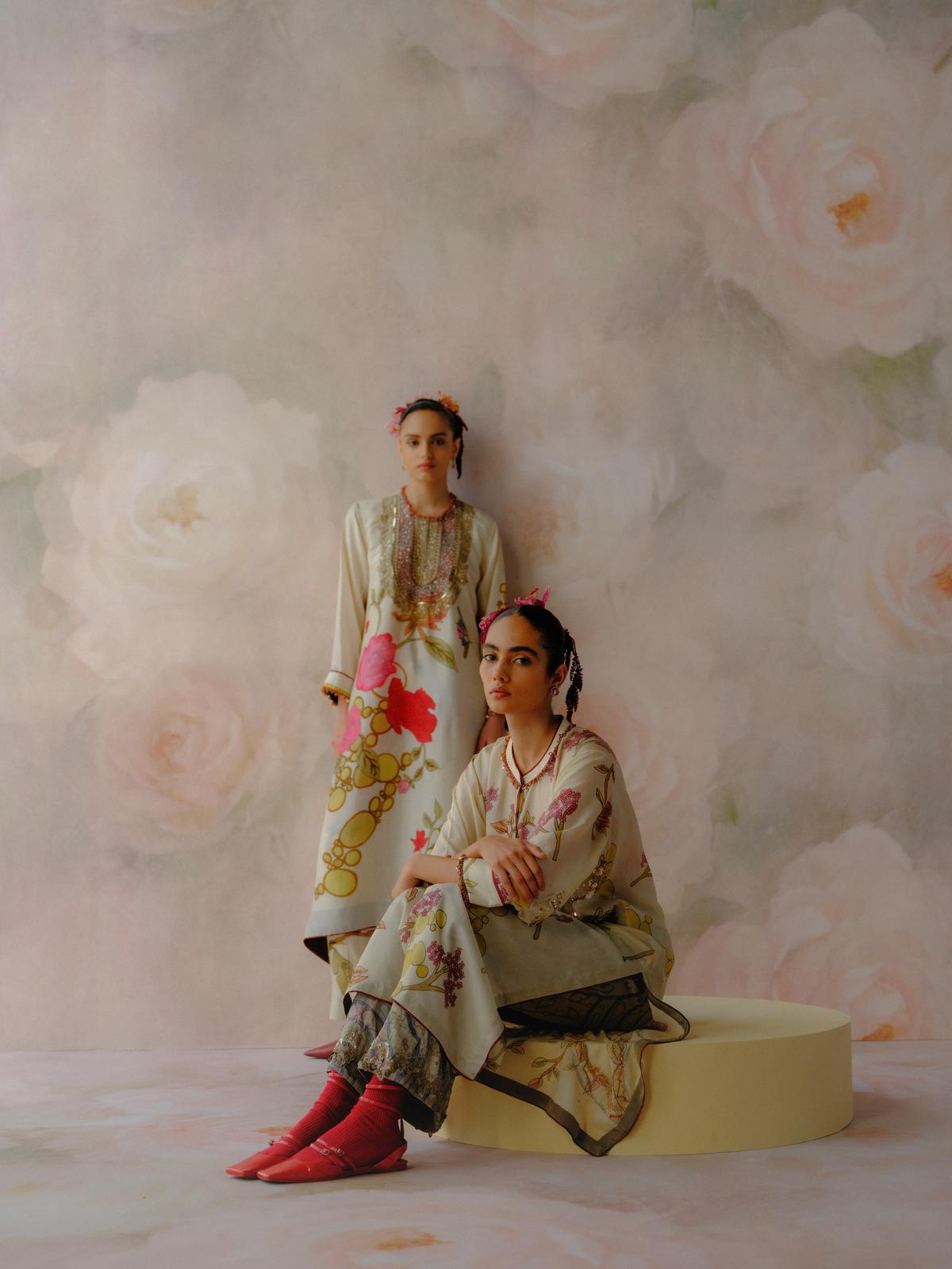
Saaksha & Kinni’s SS/26 collection, "Estampa," takes a pragmatic stance, viewing nostalgia as just one facet of a garment’s story. Saaksha Bhat emphasizes that for the label, these fabrics have "always been about performance first." She reiterates the functional advantages of traditional textiles: "Mulmul was never meant to be romantic. They (fabrics) breathe, they absorb, and most importantly, they allow the body to regulate temperature naturally." The key differentiator now, Bhat notes, is the heightened awareness: "We’re thinking about how a garment will feel at 35 degrees with humidity, not just how it will look in a photograph."
The "Estampa" collection embraces print not as a distraction but as an integral part of its material language. It masterfully combines traditional Indian techniques such as kalamkari, block printing, bandhani, and kantha. While visually rich, the garments remain materially light. These techniques are traditionally applied to cotton and other breathable bases, ensuring that the clothing remains comfortable even when it deviates from a minimalist aesthetic. The intricate prints also serve a practical purpose, effectively masking sweat and the signs of wear throughout a long, hot day, a benefit often overlooked by stark white ensembles.
Climate-Smart Textiles: Harnessing Ancient Wisdom for Modern Challenges
The inherent climate-smart nature of traditional Indian textiles is a recurring theme among designers who are recalibrating their approach to summer dressing. Hyderabad-based designer Archana Jaju echoes this sentiment, emphasizing that fabrics like cotton and mulmul are inherently well-suited to hot climates. The contemporary challenge, she suggests, lies not in reinventing these materials but in adapting their application.
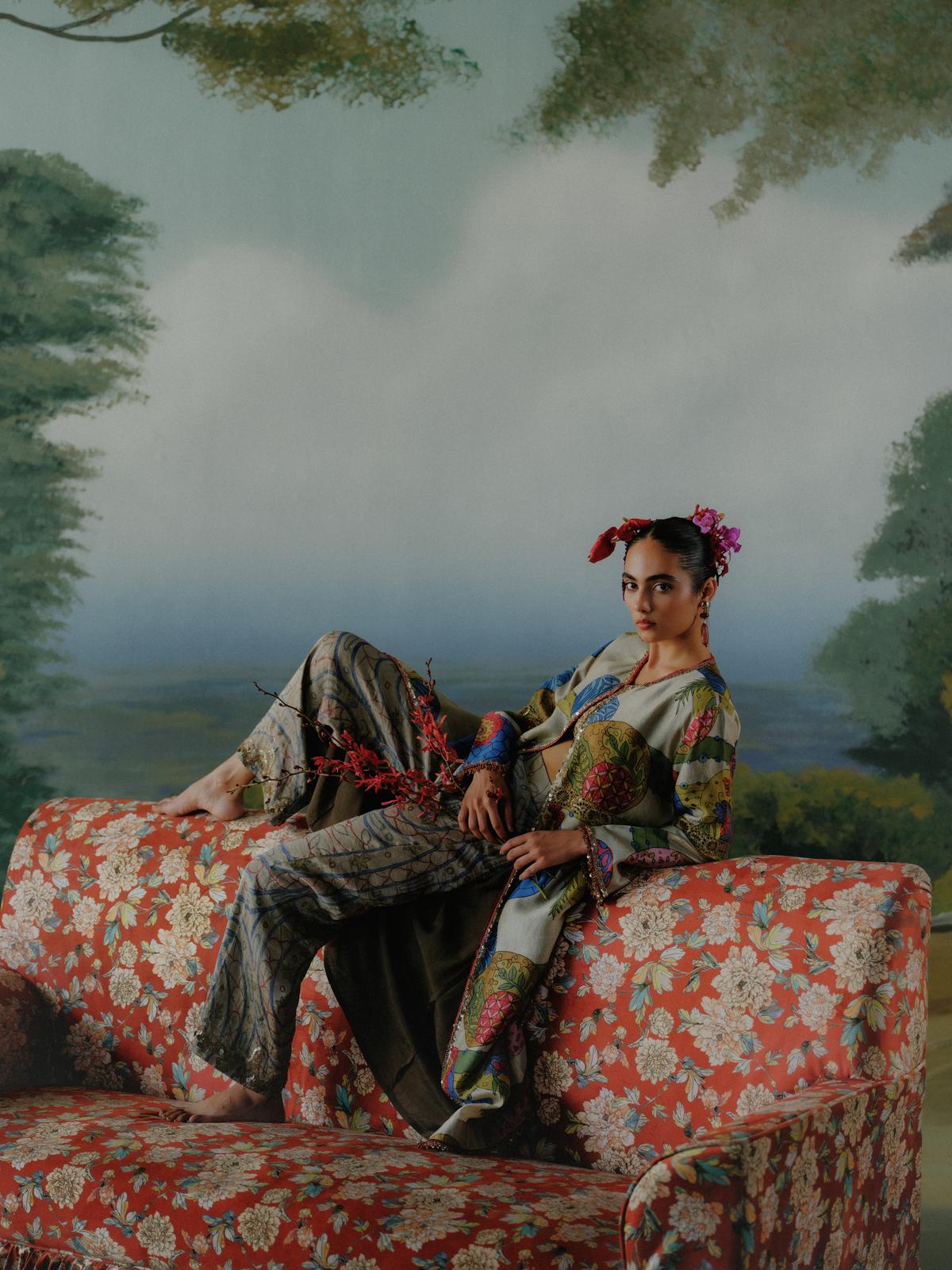
Jaju’s SS/26 collection, "A Summer Somewhere," artfully blends the feeling of a European summer with the artistry of kalamkari. Inspired by Tuscan poppies, coastal bougainvillea, and Provençal wildflowers, the collection features these motifs rendered through kalamkari on handwoven silks and intricate embroidery. This approach challenges the long-held notion that summer dressing is solely about appearing light through pastels and whites.

"Handwoven lightweight silks are the main focus of our collection because it provides a natural fluidity and breathability," Jaju explains. "The emphasis is on silhouettes such as flowing kurta sets, capes, layered separates, and relaxed ensembles. The cuts are made to be comfortable while maintaining a sense of quiet luxury." This thoughtful integration of comfort and elegance underscores a sophisticated understanding of summer wear.
Further reinforcing this perspective, Anavila Misra, with her SS’26 collection "Oh, Bonita!", posits that summer fabrics have "always been about performance," and it’s only now that this functionality is being explicitly recognized and discussed. She highlights fabrics like mulmul, Kota, Mangalgiri, and linen, stating they were never designed with nostalgia in mind but for their inherent ability to "naturally breathe, absorb sweat, and keep the body cool." Misra contrasts this with synthetic blends, which, while perhaps easier to maintain, tend to trap heat and can feel harsh on the skin over time.

Misra’s philosophy centers on not "fixing what is not broken." She emphasizes that textiles like linen and fine-count khadi cotton are already climate-smart. The evolution, she suggests, is more about visual contemporary updates rather than functional overhauls. "The real work," she adds, "lies in how the garment is cut and worn, in ‘silhouettes and drapes that allow ease, movement, and airflow,’ letting the fabric fall the way it is meant to rather than forcing it into structure."
The "Bonita pink dress" from her collection, crafted from cotton silk with a pintuck texture, exemplifies this. The texture helps prevent the fabric from clinging to the skin, promoting airflow, while the fluid silhouette allows for unrestricted movement. The monochrome appliqué adds detail without adding weight, maintaining a light and unobtrusive aesthetic.
Form and Structure: A New Dialogue in Summer Silhouettes
Interestingly, alongside this renewed focus on functional fabrics, there’s a parallel exploration of form and structure in summer dressing. This is not about rigidity but about creating silhouettes that are both visually appealing and conducive to comfort in the heat.
Bodice, the Delhi-based label founded by Ruchika Sachdeva, builds its SS’26 collection on "an affinity for balance while keeping the season’s elements intact." The silhouettes maintain a distinct shape, but this structure is softened by the choice of fabrics. Sachdeva explains that the garments "move, drape, and breathe," resulting in pieces that are neither overly relaxed nor rigidly structured, but thoughtfully attentive to both aspects. This balance allows for garments that are both stylish and practical for warmer climes.
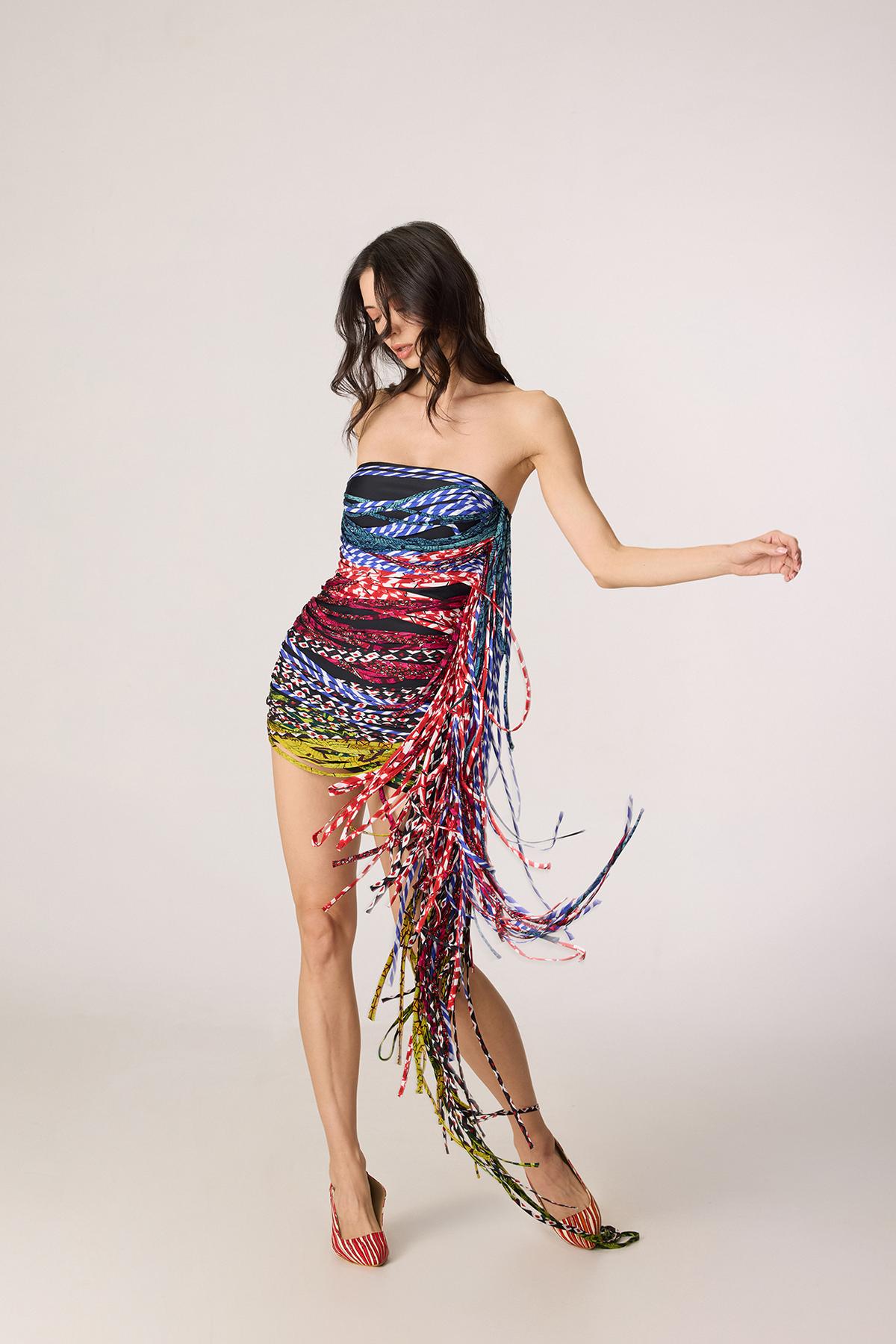
Lovebirds, another Delhi-based label, takes this concept further with their Resort 26/27 collection, showcased in the architecturally inspiring setting of Lunuganga in Sri Lanka. The collection draws inspiration from the work of architect Geoffrey Bawa, whose Tropical Modernism was deeply rooted in designing with the climate rather than against it. The clothes mirror this philosophy, featuring structured, almost architectural elements rendered in fabrics that allow for movement and airflow.
The collection’s restrained palette of black and ecru is punctuated by the intricate detail of batik. This ancient craft, involving the manual application of wax to resist dye, is as much about foresight as it is about skill. In Sri Lanka, the craft was revitalized in the 1960s by artist Ena de Silva, and its legacy continues through generations of artisans. Lovebirds’ collection reinterprets batik within this historical and cultural context, using a subdued palette to highlight the artistry.
Crucially, batik is traditionally executed on lightweight, breathable fabrics such as cotton and silk, which are ideal for hot and humid conditions. The wax-resist process does not permanently alter the fabric’s structure, allowing it to retain its inherent breathability and moisture-absorbing capabilities. This is particularly beneficial in coastal environments where humidity is high. Furthermore, the layered and often irregular patterns of batik prints offer a practical advantage by helping to camouflage sweat and signs of wear, making them a more forgiving choice than solid, lighter colours.
In essence, Lovebirds challenges the conventional notion of summer as something to be merely softened or stylized. Instead, the brand treats it as a climate condition to be actively designed around, fostering a constant negotiation between form, material, and environment.
Implications for the Future of Indian Fashion
The growing emphasis on functional fabrics, mindful production, and climate-conscious design signals a significant evolution in the Indian fashion landscape. For decades, summer dressing was often dictated by how clothes looked in the heat. Now, there is a palpable and necessary shift towards understanding how they actually behave in it.
This paradigm shift has several implications:

- Revival of Traditional Textiles: There’s a renewed appreciation for indigenous fabrics like mulmul, kala cotton, and handwoven silks. This not only supports local artisans and traditional crafts but also promotes sustainable practices, as these materials are often grown and processed with a lower environmental impact.
- Conscious Consumerism: Consumers are becoming more discerning, seeking garments that offer both aesthetic appeal and practical comfort. This growing awareness is pushing brands to be more transparent about their material sourcing and production processes.
- Innovation in Design: Designers are finding innovative ways to integrate functionality into their collections, moving beyond superficial trends to create pieces that are both stylish and performative. This includes exploring new weaving techniques, modernizing traditional crafts, and focusing on silhouettes that enhance airflow.
- Addressing Climate Change: By prioritizing climate-smart textiles and mindful production, the fashion industry can play a more responsible role in mitigating its environmental impact. This movement is a vital step towards a more sustainable and resilient future for fashion.
The evolving narrative of summer dressing in India is a testament to the enduring wisdom of traditional textiles and the growing urgency to adapt to a changing climate. As designers and consumers embrace a more functional and conscious approach, the Indian summer wardrobe is poised to become not just a reflection of style, but a testament to intelligent design and environmental responsibility.
