

Main Facts: The Rise of a Caffeine-Free Super-Drink
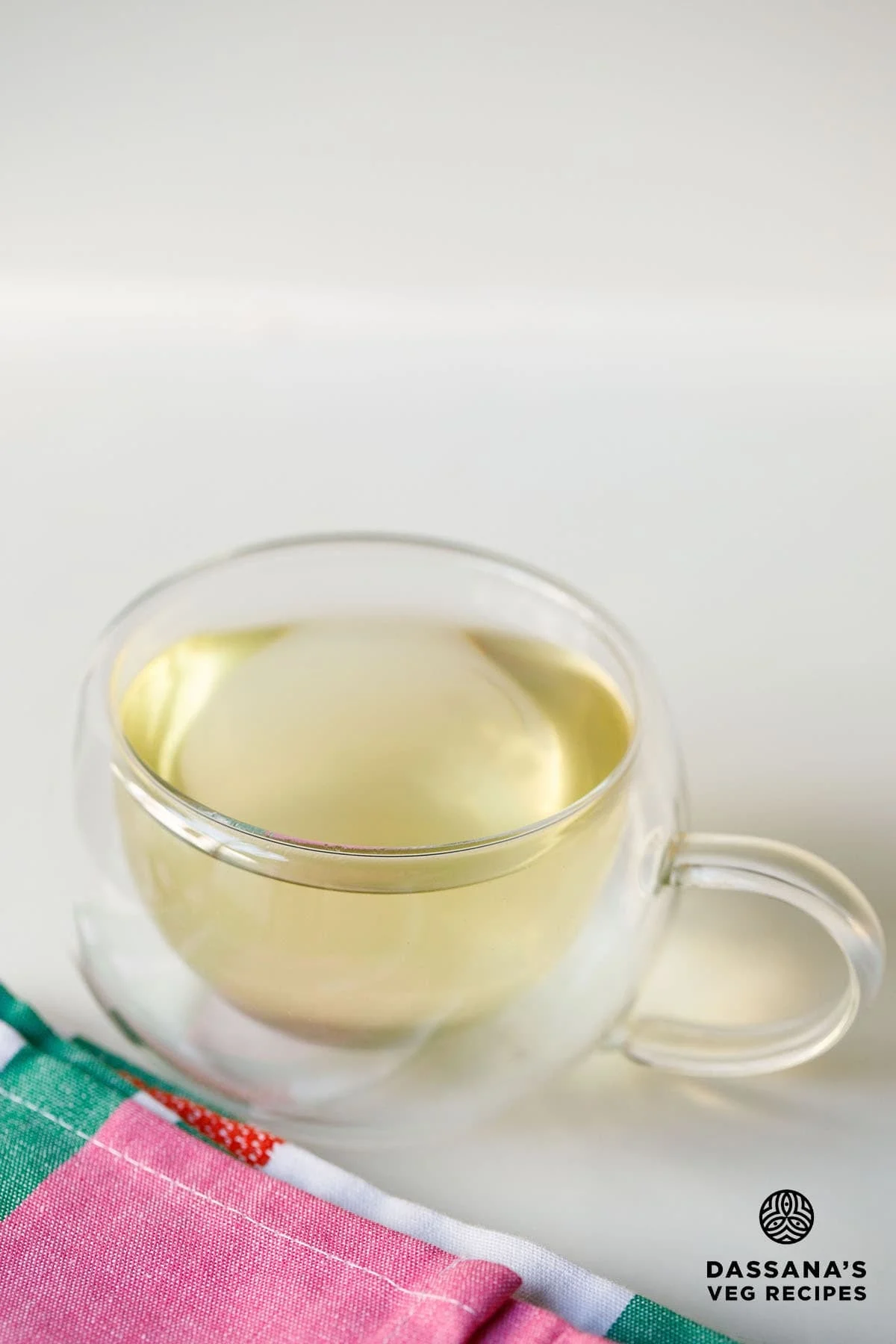
In the global landscape of functional beverages, few infusions have maintained such a steadfast presence as lemongrass tea. Known botanically as Cymbopogon, lemongrass is a perennial grass native to tropical climates, particularly in South Asia and Southeast Asia. Unlike traditional teas derived from the Camellia sinensis plant, lemongrass tea is a "tisane"—a caffeine-free herbal infusion made by simmering the stalks or leaves of the plant in water.
The drink is characterized by its distinctive sensory profile: a clean, bright citrus note that mimics the aroma of lemons without the accompanying acidity or sharpness of citrus juice. This unique chemical composition has made it a staple in Indian households and a cornerstone of Thai, Vietnamese, and Indonesian cuisines. However, in recent years, the beverage has transcended its regional origins to become a global wellness phenomenon.
Modern consumers are increasingly turning to lemongrass tea not merely for its refreshing palate but for its perceived therapeutic benefits. As a "clean label" beverage, it contains no artificial additives, is naturally low in calories, and offers a complex array of phytochemicals. Whether consumed as a piping hot morning ritual or a chilled afternoon restorative, lemongrass tea represents a bridge between ancient botanical wisdom and contemporary nutritional science.
Chronology: From Harvest to Hydration – The Evolution of the Infusion Process
The journey of lemongrass tea from a garden-grown grass to a refined beverage involves a specific chronological sequence of preparation designed to maximize the extraction of essential oils, particularly citral and geraniol.
1. Sourcing and Initial Preparation
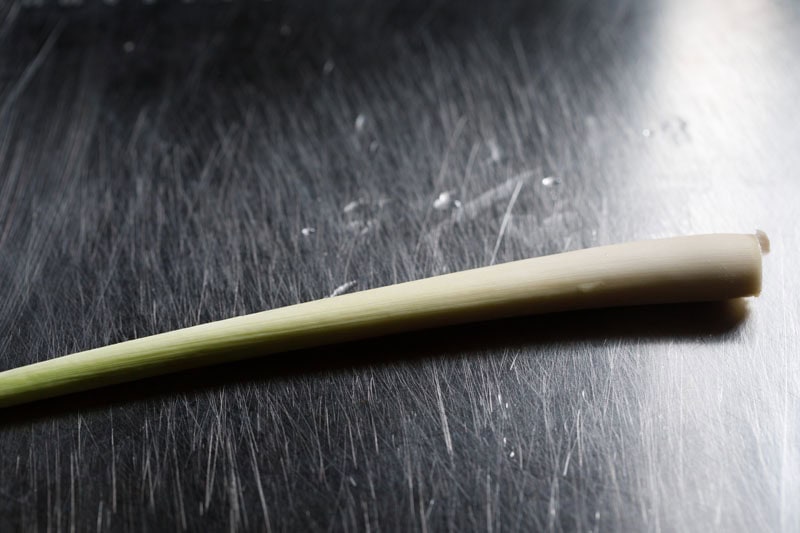
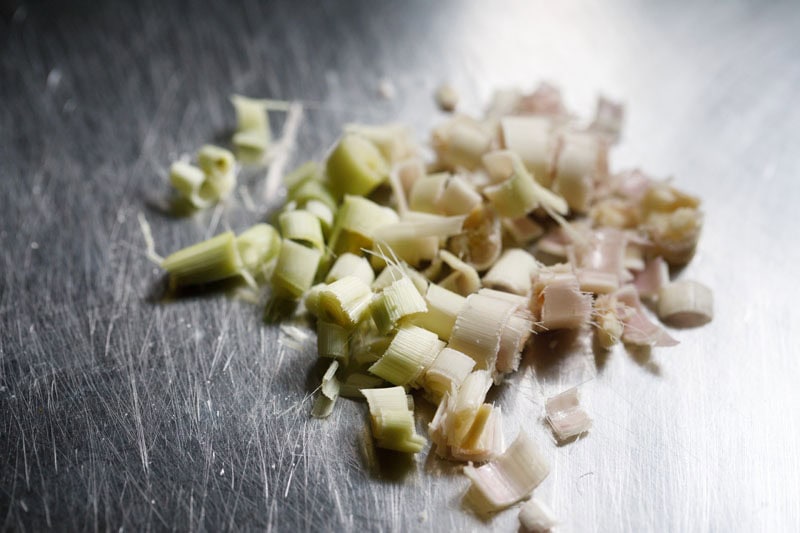
The process begins with the selection of the plant material. Culinary experts distinguish between the "stalk" and the "leaf." The lower, bulbous portion of the stalk contains the highest concentration of essential oils and provides a robust, woody citrus flavor. The green leaves, while milder, offer a grassy, floral undertone. In traditional preparation, a single stalk is typically harvested, stripped of its tough, papery outer layers, and trimmed at the base to reveal the tender, aromatic core.
2. Physical Activation: Crushing and Chopping
The second stage is critical for flavor extraction. Unlike dried tea leaves which rely on surface area, fresh lemongrass requires physical agitation. Using a mortar and pestle or the flat side of a chef’s knife, the stalk is lightly crushed. This mechanical action ruptures the plant’s cell walls, releasing volatile oils that would otherwise remain trapped. Following the crushing, the stalk is finely chopped—usually yielding about a quarter-cup of material per liter of water—to ensure a balanced infusion.
3. The Boiling and Simmering Phase
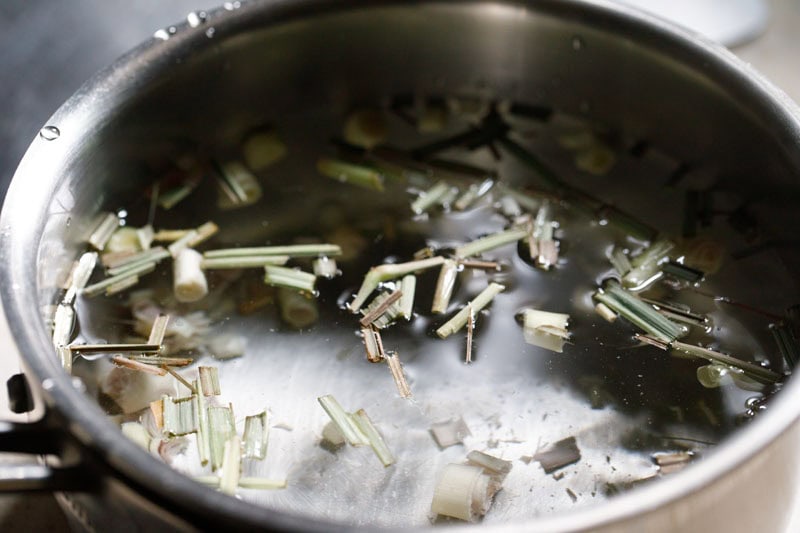
The chronology of the heat application determines the tea’s final strength. The prepared lemongrass is added to cold water and brought to a rolling boil. Once the boiling point is reached, the heat is reduced to a simmer.
- The 5-Minute Mark: Produces a light, ethereal infusion suitable for casual hydration.
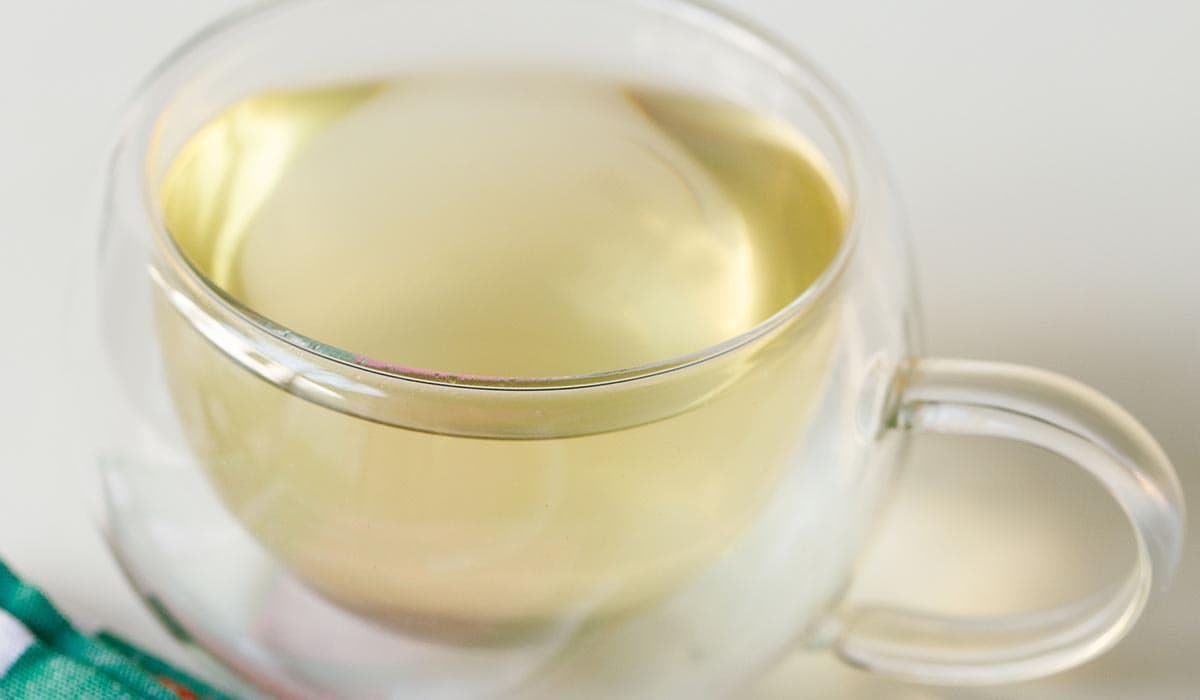
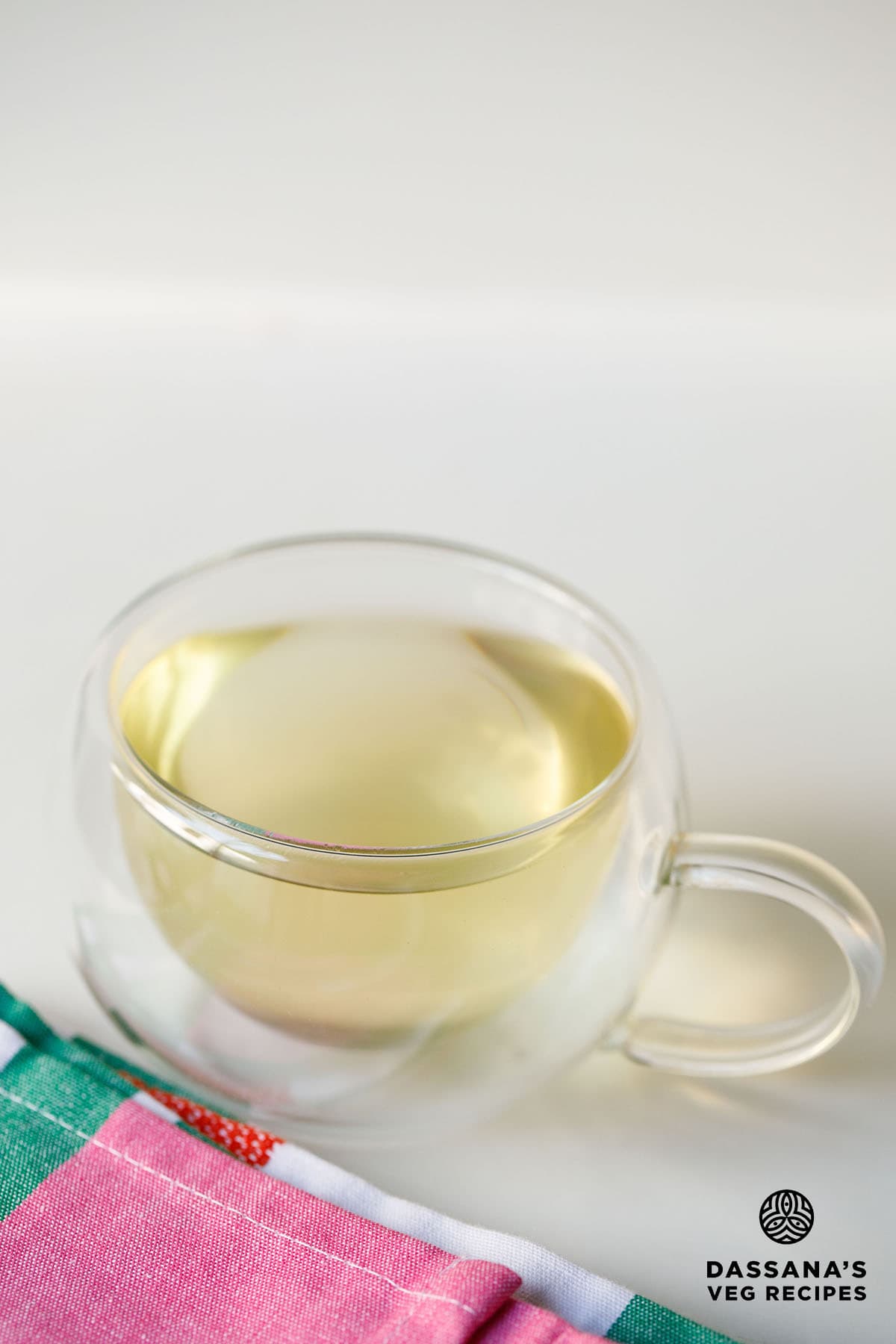
- The 10-Minute Mark: Results in a deep, golden liquid with a more pronounced medicinal profile and a heavier mouthfeel.
4. The Steeping and Finishing Ritual
After the simmering process, the heat is extinguished, and the pot is covered. This "steeping" phase, lasting 2 to 3 minutes, allows the steam to redistribute the aromas back into the liquid. The final step involves straining the solids and customizing the beverage. While many purists consume it plain, the addition of ginger, fennel seeds, or a touch of honey has been a common practice in Ayurvedic traditions for centuries.
Supporting Data: Nutritional and Chemical Composition
To understand the global appeal of lemongrass tea, one must examine the empirical data surrounding its composition. Analysis of a standard serving (approximately 1 cup or 240ml) reveals a profile that is remarkably lean yet dense in micronutrients.
Nutritional Breakdown (Per Serving)
- Calories: 4 kcal
- Carbohydrates: 1g
- Protein: 0.1g
- Sodium: 12mg
- Potassium: 29mg
- Trace Elements: The tea contains measurable amounts of Calcium (10mg), Magnesium (5mg), and Phosphorus (4mg).
The Chemistry of Flavor and Health
The primary bioactive compound in lemongrass is citral (an isomer of neral and geranial). Citral is not only responsible for the lemon-like scent but is also the subject of numerous pharmacological studies. Data suggests that citral possesses antimicrobial and anti-inflammatory properties.
Furthermore, the presence of potassium (29mg per serving) acts as a mild electrolyte, making the tea an effective post-exercise recovery drink. The low sodium content and lack of caffeine make it an ideal choice for individuals monitoring hypertension or those sensitive to stimulants.
Comparative Efficacy: Fresh vs. Dried
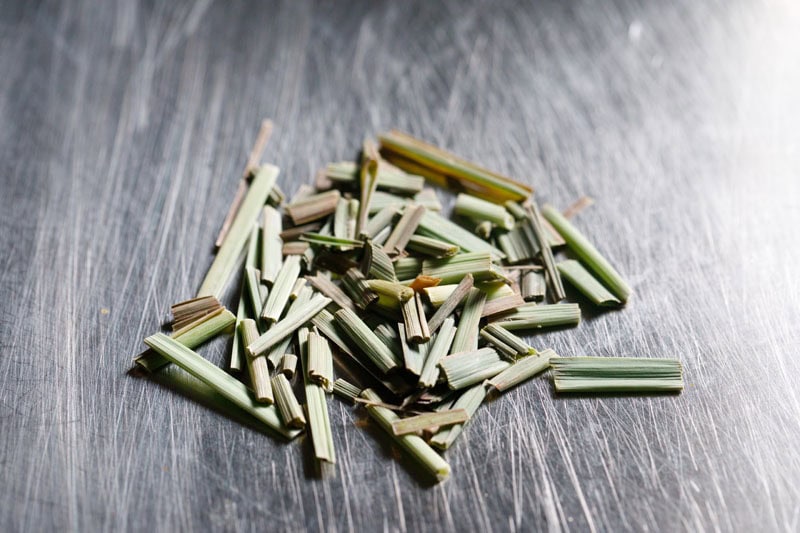
Market data indicates a significant difference in the quality of the infusion based on the state of the raw material. Fresh lemongrass retains approximately 80% more of its volatile oil content compared to commercially dried "tea bag" versions. While dried lemongrass offers convenience, the chemical "freshness" and the nuanced flavor profile are significantly diminished during the dehydration process.

Official Responses: Expert Perspectives and Health Advocacy
The medical and culinary communities have provided various "official" stances on the regular consumption of lemongrass tea, balancing traditional claims with modern clinical observations.
The Ayurvedic Perspective
In traditional Indian medicine, lemongrass (known as Gavati Chaha) is officially classified as a cooling herb. Practitioners often recommend it for "balancing the digestive fire." Expert practitioners suggest that when lemongrass is combined with ginger, it creates a synergistic effect that aids in respiratory health and provides relief from seasonal flu symptoms.
Clinical Nutrition Insights
Nutritionists often highlight lemongrass tea as a superior alternative to sugary sodas and caffeinated beverages. "From a clinical standpoint, lemongrass tea serves as an excellent tool for hydration therapy," says Dr. Aris Thorne, a specialist in functional nutrition. "The trace amounts of Vitamin B-complex and minerals like Iron and Zinc, while small, contribute to the daily recommended intake without the metabolic load of sugar or the adrenal stress of caffeine."
Culinary Experts and Sommeliers
In the world of fine dining, tea sommeliers are increasingly incorporating lemongrass into "mocktail" pairings. Chefs note that the tea’s ability to cleanse the palate makes it an ideal accompaniment to spicy or fatty foods. The "official" recommendation from the culinary sector emphasizes the versatility of the drink—noting that it can be transformed into "Lemongrass Chai" by adding milk and black tea leaves, or served as a "Lemongrass Iced Tea" with a slice of fresh lemon to enhance the natural citrus notes.
Implications: Cultural Trends and Market Impact
The rising popularity of lemongrass tea carries significant implications for the global beverage industry and agricultural sectors.
The "Tisane" Revolution and Market Growth
The global herbal tea market is projected to grow significantly over the next decade. Lemongrass, as a primary ingredient, is at the forefront of this movement. The implication for the beverage industry is a shift away from "flavored" teas toward "functional" infusions. Consumers are no longer satisfied with "lemon-flavored" tea; they demand the actual botanical properties of the lemongrass plant.
Economic Impact on Tropical Agriculture
As demand for fresh lemongrass increases in Western markets, there are major implications for farmers in India, Thailand, and Central America. Lemongrass is a hardy, drought-resistant crop, making it a sustainable choice for farmers facing the challenges of climate change. The transition from local subsistence farming to export-grade lemongrass production is providing a new economic lifeline for many agrarian communities.
Environmental and Sustainability Factors
Lemongrass tea is inherently more sustainable than traditional coffee or tea production. The plant requires fewer pesticides and can be harvested multiple times a year without destroying the root system. Furthermore, because the entire plant (stalks and leaves) can be used for different grades of tea, there is minimal agricultural waste.
The Future of Social Drinking
The cultural implication of lemongrass tea lies in the changing nature of social gatherings. In both the East and the West, "tea time" is evolving. The move toward caffeine-free, health-centric options like lemongrass reflects a broader societal trend toward mindfulness and preventative health. No longer relegated to the back of the pantry as a "remedy for a cold," lemongrass tea has secured its place as a sophisticated, everyday beverage that caters to the modern appetite for purity, flavor, and wellness.
In conclusion, lemongrass tea is more than a simple simmered drink. It is a complex botanical product backed by nutritional data, supported by centuries of traditional use, and perfectly positioned to meet the demands of the 21st-century consumer. Whether utilized for its calming properties, its digestive benefits, or simply its refreshing taste, the "Golden Infusion" remains a vital component of the global culinary and health landscape.
