

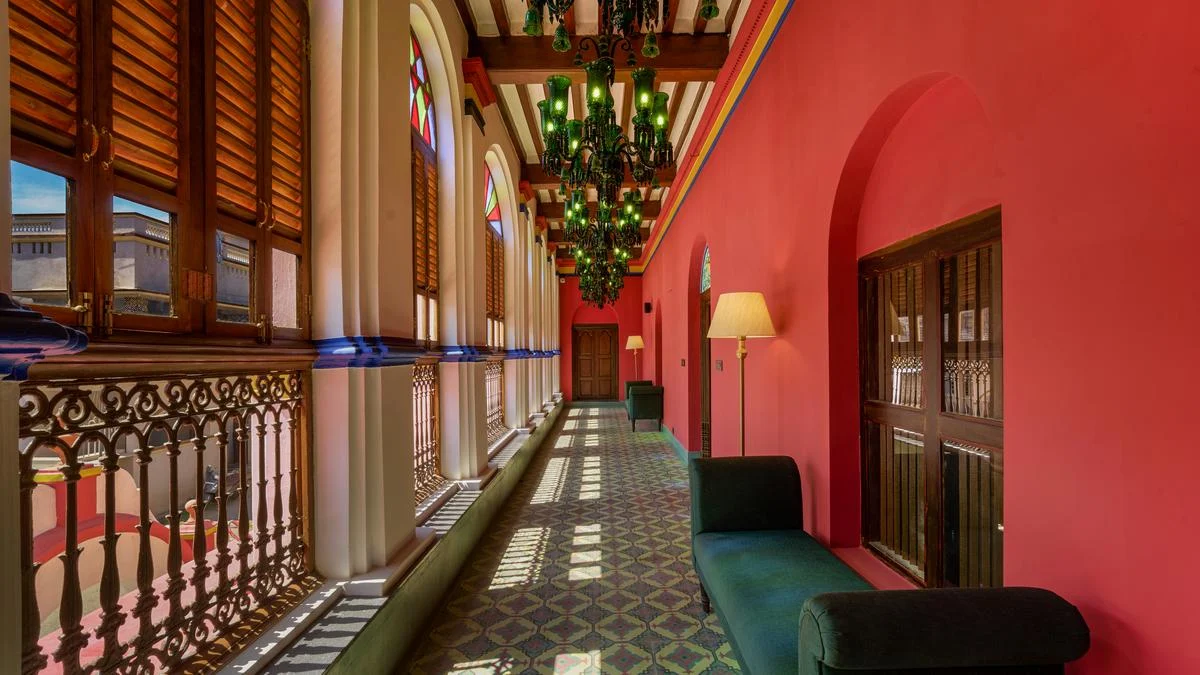
The arid plains of Tamil Nadu’s Sivaganga district hold a secret that is simultaneously being celebrated and sold off piece by piece. Chettinad, a region famed for its opulent mansions and culinary depth, is currently witnessing a paradoxical revival. While global interest in its unique aesthetic—characterized by sprawling courtyards, Burmese teak, and intricate carvings—is at an all-time high, the very structures that define this heritage are being "cannibalized" to feed an insatiable international antique market.
As architects, designers, and luxury travelers flock to the region’s 75 villages, a silent crisis unfolds. The mansions, built by the wealthy Nattukottai Chettiar mercantile community between the late 18th and mid-20th centuries, are increasingly being dismantled. What was once a landscape of 15,000 grand homes has shrunk to fewer than 7,000, and of those remaining, only a fraction are occupied or maintained.

Main Facts: The Anatomy of a Cultural Erasure
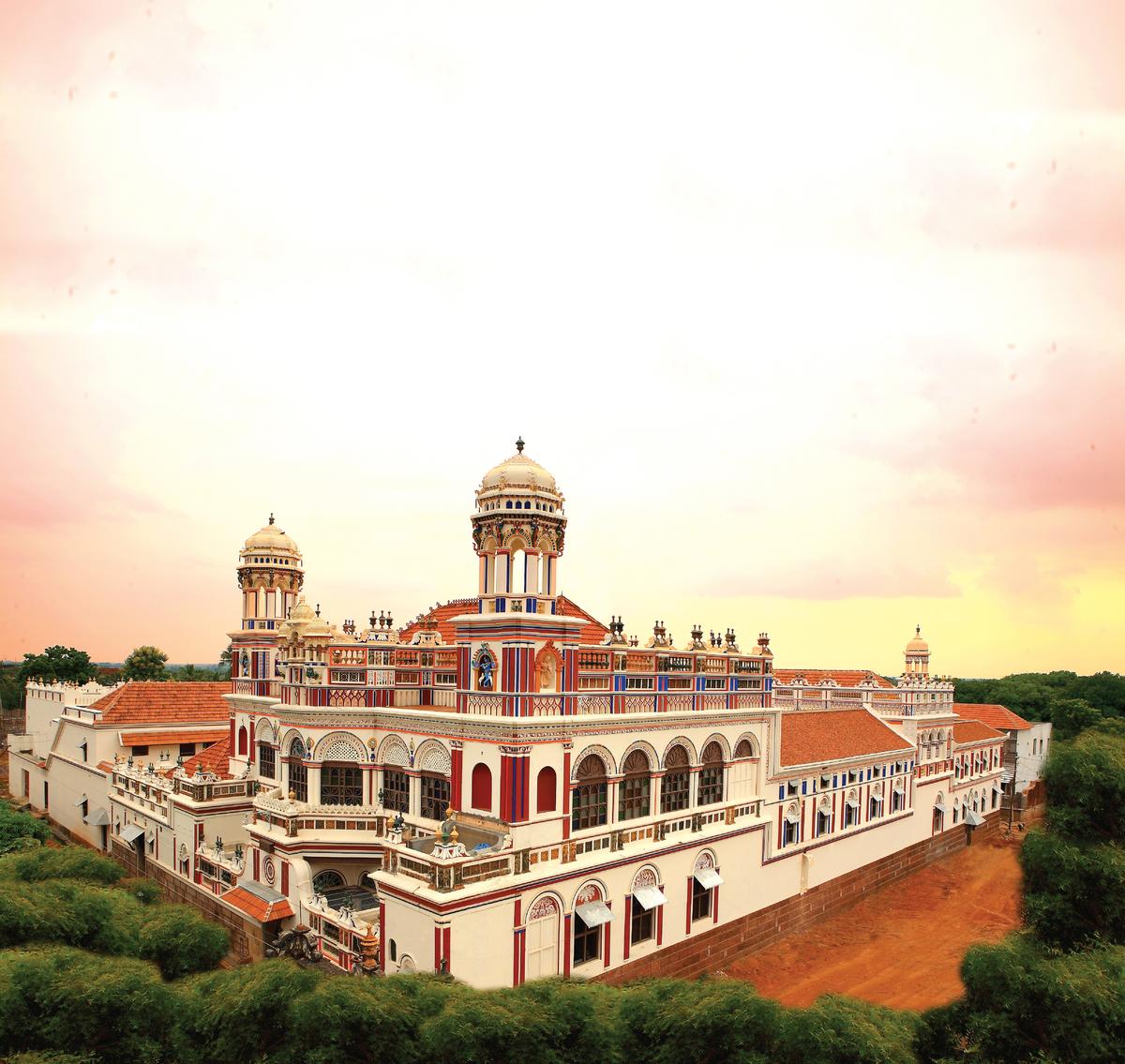
The core of the issue lies in the sheer scale and craftsmanship of these homes. A typical Chettiar mansion can span anywhere from 20,000 to 40,000 square feet. These were not merely residences but statements of global reach, built with wealth amassed from trade in South and Southeast Asia.
Chennai-based architect Sujatha Shankar describes the current state of affairs as a "cannibalization" of history. "Entire houses are being dismantled," she notes. "Wares from these homes fuel a thriving antique market, drawing buyers from India and across the globe."

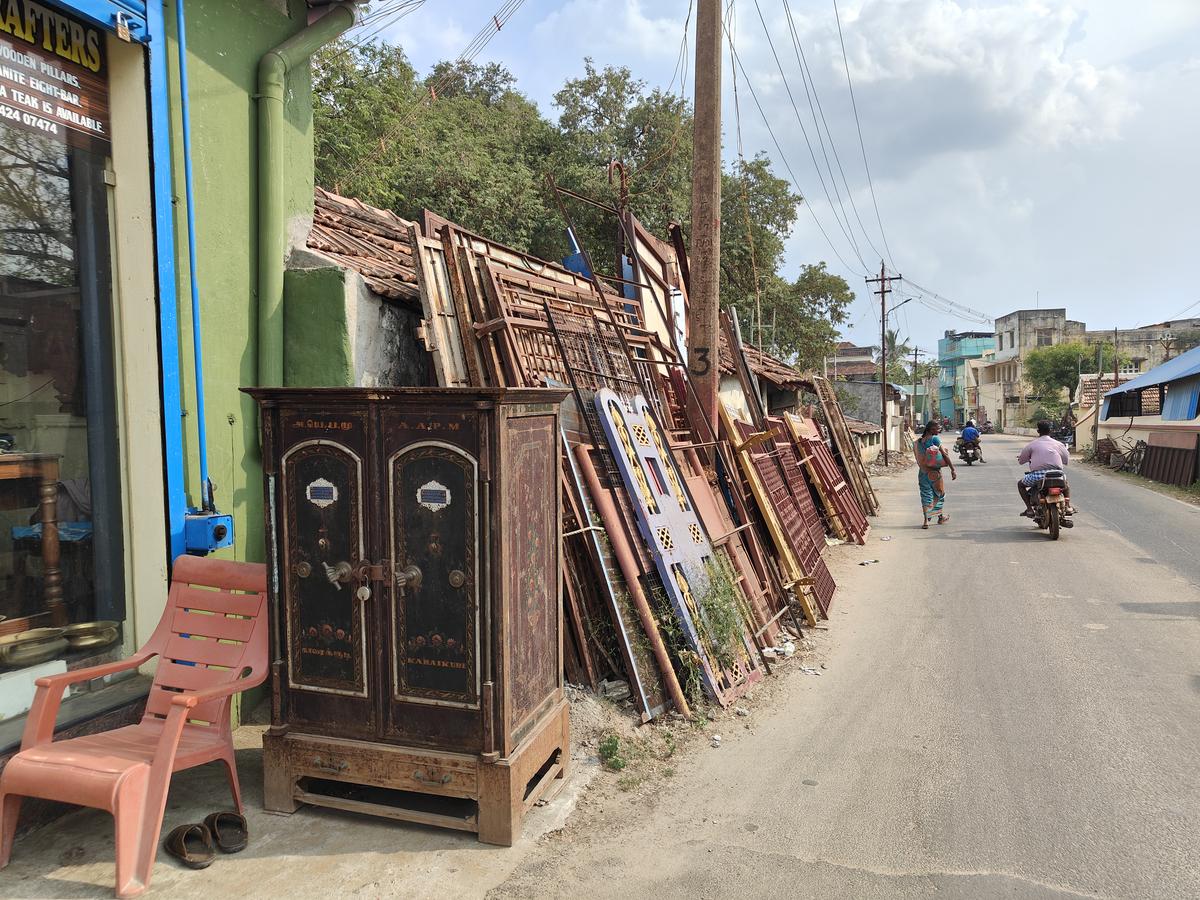
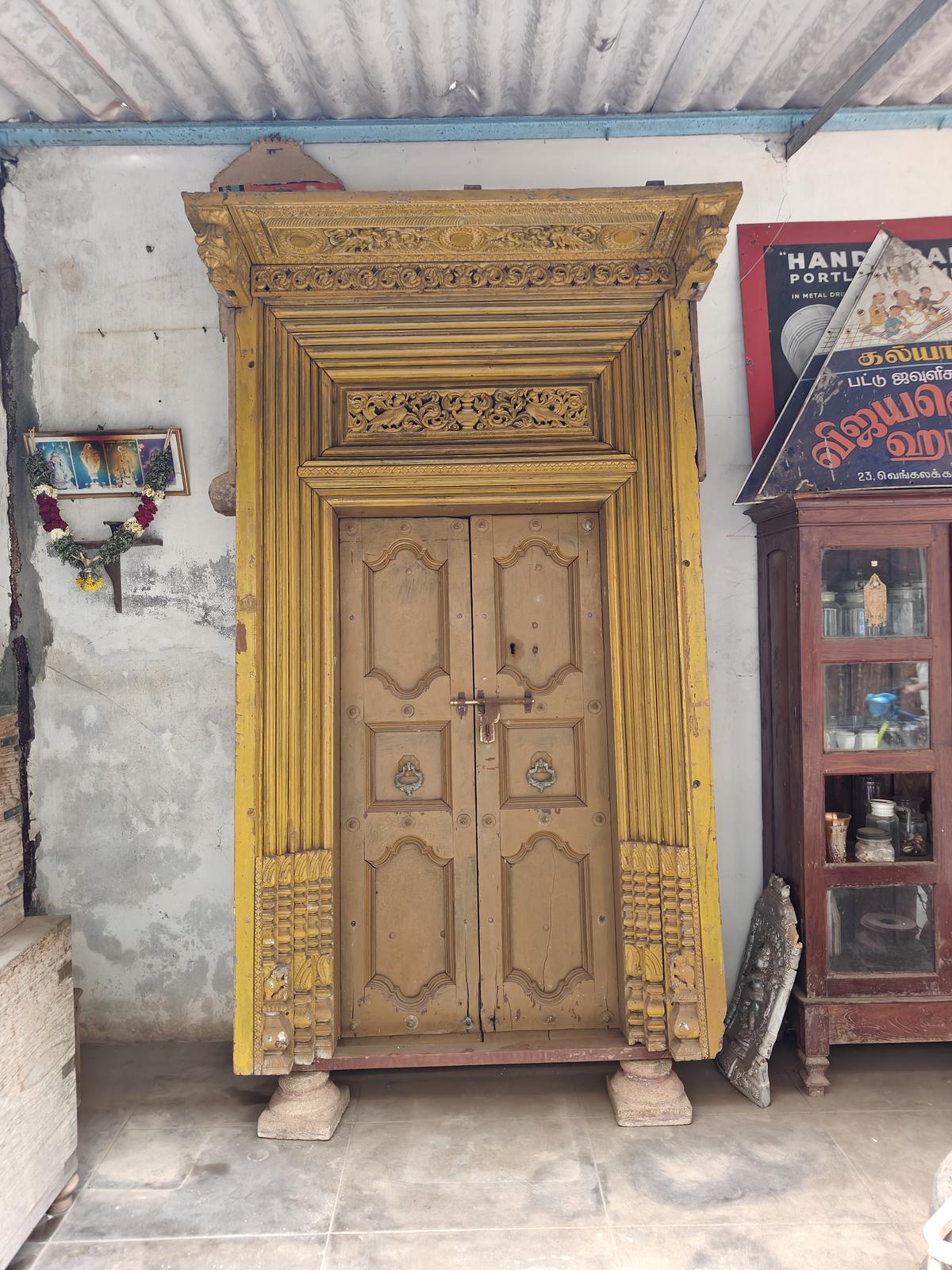
The Karaikudi Antique Market, the commercial heart of the region, has become a global hub. Artefacts that once formed the soul of a family home—granite pillars, carved wooden roofs, and heavy teak doors—are now being shipped to buyers in France, Sweden, the Czech Republic, and England. The economics are staggering: a single antique door recently sold for ₹1 crore.
While the aesthetic is being preserved in luxury hotels and high-end private villas in Delhi or London, the original context is being erased. Only about 10% of the remaining mansions are currently in a state of good repair, with the rest falling victim to neglect, termite infestations, and the high cost of maintenance.
Chronology: From Mercantile Glory to Modern Decay
The history of Chettinad can be viewed in three distinct phases:
1. The Era of Construction (Late 18th Century – Mid-20th Century)
The Nattukottai Chettiars, a community of salt traders turned financiers, followed the expansion of the British Empire into Burma, Ceylon (Sri Lanka), Indo-China, and Malaya. They funneled their profits back into their ancestral villages, building mansions that blended Dravidian architecture with Victorian, Baroque, and Art Deco influences. This period saw the import of Burmese teak, Italian marble, and Japanese tiles.
2. The Great Decline (1950s – 2010)
Following World War II and the subsequent independence of Southeast Asian nations, the Chettiars’ overseas business empires faced nationalization and upheaval. Many families moved to Chennai or abroad, leaving their mansions in the care of watchmen. The period between 1998 and 2010 saw a massive wave of demolition, as families struggled with the upkeep of these massive properties.
3. The Revival and Preservation Push (1999 – Present)
The tide began to turn in 1999 when Meenakshi Meyyappan opened The Bangala in Karaikudi. This was the first major effort to position Chettinad as a heritage tourism destination. Since then, a small but dedicated group of hoteliers and conservationists has worked to save the mansions through adaptive reuse. However, this revival has coincided with a surge in land prices and a booming antique trade, creating a new set of challenges.
Supporting Data: The Economics of Dismantling vs. Restoration
The financial gap between selling a mansion and restoring it is the primary driver of the region’s architectural loss.
- Market Value: Today, a mansion in a prime location like Kanadukathan or Karaikudi can cost between ₹7 crore and ₹10 crore.
- Restoration Costs: Architect Sujatha Shankar estimates that a full restoration can cost upwards of ₹15 crore. Often, the cost of redoing just a single room can run into crores due to the specialized skills required.
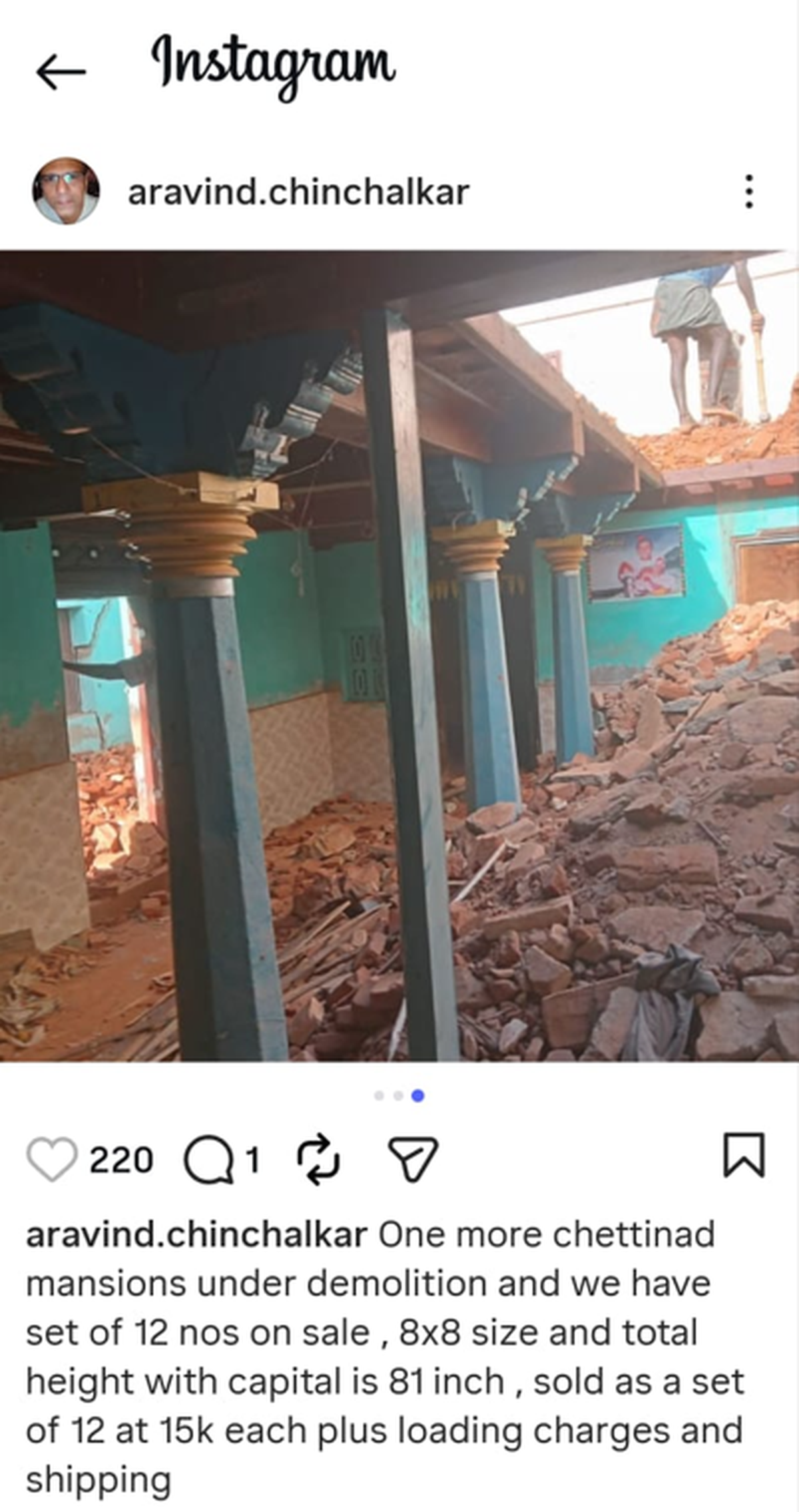
- Dismantling Profits: For families with 40 to 50 claimants (often cousins who have inherited fractional shares), selling the house for parts is more lucrative. Dealers buy stone pillars for approximately ₹20 lakh to ₹25 lakh and resell them at significant profits. Even the "dowry" items—brassware, enamelware, and vintage glass—are sold separately to collectors.
- Occupancy Trends: Heritage hotels have seen a boost. Pre-pandemic occupancy at Chidambara Vilas was around 40%; it has now risen to an average of 65%, peaking at 85% during the winter months.
Official Responses: Perspectives from Stakeholders
The battle for Chettinad’s soul is being fought by a diverse group of experts, each bringing a different perspective to the table.
The Documentarian’s View
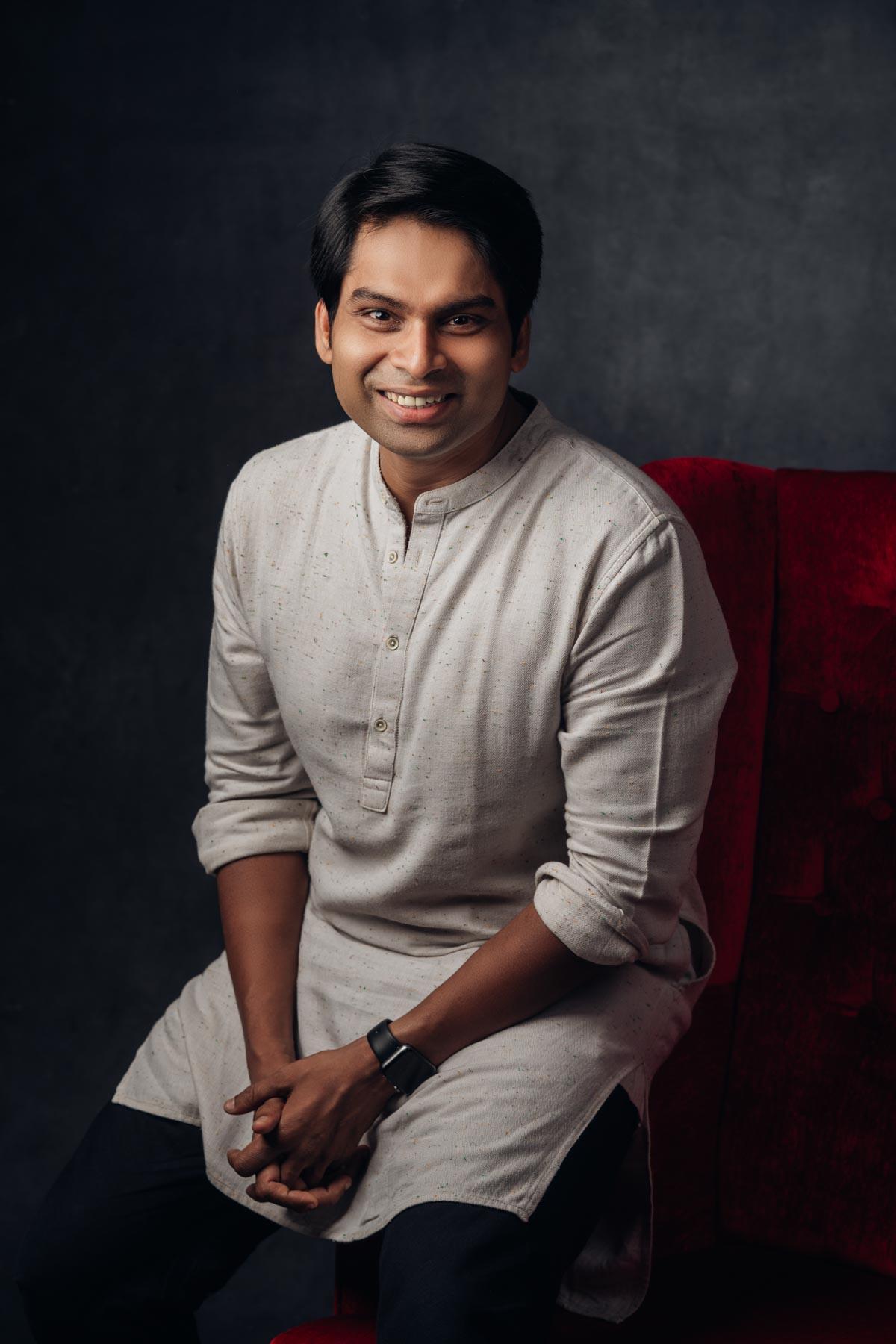
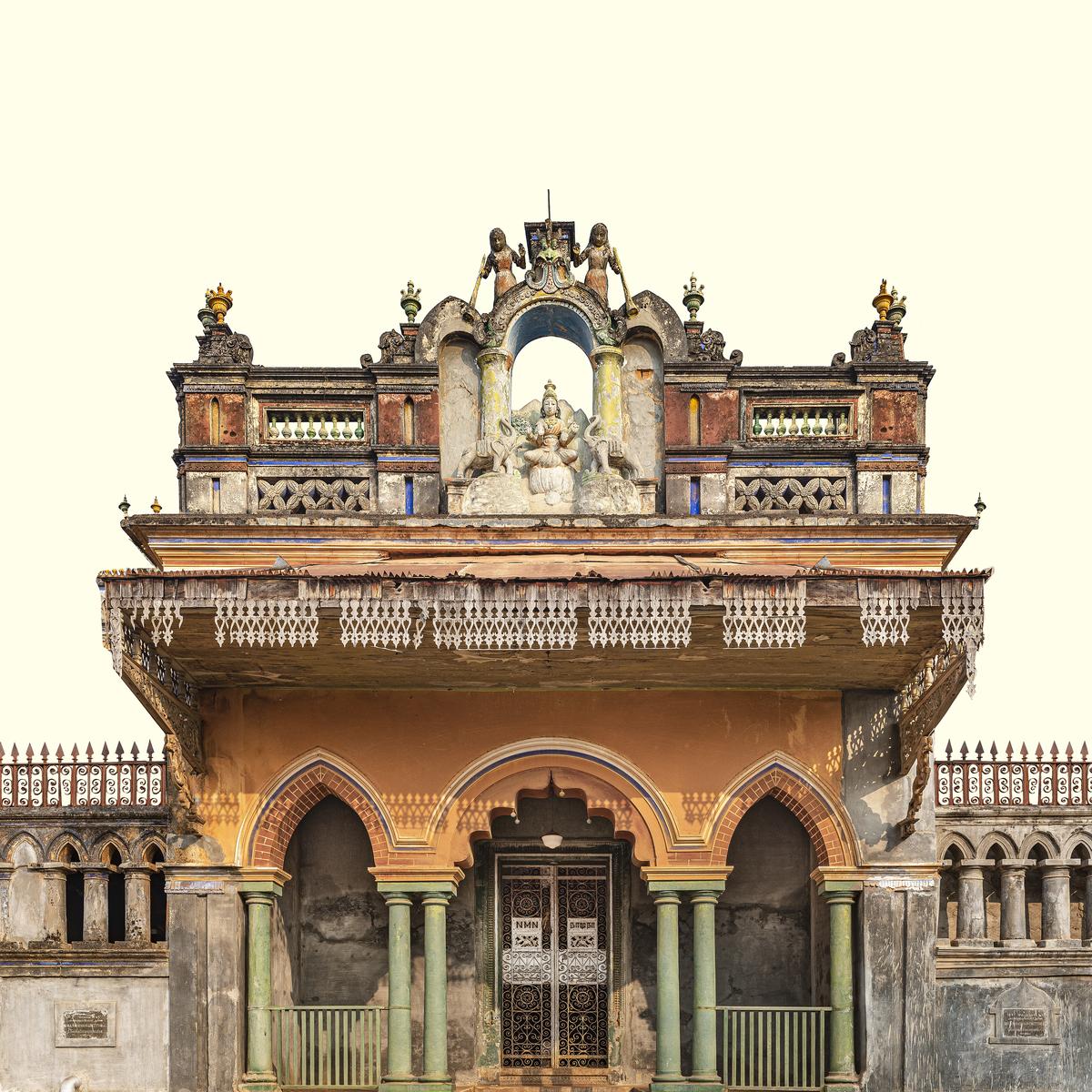
Photographer Amar Ramesh, author of Mogappu (2023), has spent a decade documenting the region’s 108 grand entrances. He identifies two types of destruction: "Some houses are just falling apart because there is no maintenance. One of my favorite mogappus (verandahs) just collapsed recently. Then there are those being torn down." He emphasizes that once these structures are gone, the murals and specific carvings cannot be replicated.
The Architect’s Philosophy
Architect Sasikala Ananth points out that the value of these homes goes beyond their materials. "It’s a modular design, and measurements are critical for the visual order," she says. The houses were built based on the nakshatra (birth star) of the owners, using a specific six-step formula. "When you walk in, you feel that energy. It is not just the embellishments… it is the rhythm."
The Hotelier’s Commitment
Priya Paul, chairperson of Apeejay Surrendra Park Hotels, which recently opened The Lotus Palace, believes that boutique hospitality is the key to survival. "The value of such a project lies in its positioning rather than scale," she says. By converting these 200-year-old structures into 15-room luxury suites, they provide the capital necessary for upkeep while offering guests an immersive cultural experience.
The Family Legacy
For residents like Murugappan Shanmugam of the 200-year-old S.M.R. House, the motivation is sentimental. Despite maintenance costs ranging from ₹1 lakh to ₹5 lakh a month, he refuses to sell. "It is filled with memories—everything from playing in the courtyard to watching Tamil movies in ‘tent kottai’ (touring talkies). We do it for heritage value."

Implications: What is Lost When a Mansion Falls?
The dismantling of Chettinad’s mansions has far-reaching consequences that transcend mere aesthetics.
1. The Loss of Craftsmanship
Many of the techniques used to build these homes are nearly extinct. For example, the walls of these mansions are famous for their silky-smooth finish, achieved through a laborious process involving five coats of a mixture containing limestone, palm sugar, and egg whites. While the production of Athangudi tiles—handmade cement tiles—has seen a resurgence with 500 factories now operating in the region, the art of complex wood carving and traditional masonry is dying out.
2. The Globalization of Heritage
As Chettinad "wares" move to Europe and North America, the region’s identity is being fragmented. A Burmese teak roof from a 120-year-old mansion may now sit in a farmhouse in another part of India or a villa in Singapore. While this preserves the material, it strips away the cultural and architectural context of the Nattukottai Chettiar community.
3. Tourism as a Double-Edged Sword
Increased tourism, driven by social media and festivals like the Chettinad Culture and Heritage Festival (led by Meenakshi Meyyappan), has brought much-needed revenue. It has also turned the mansions into film sets and wedding venues. While this provides an economic lifeline, it also raises land prices to a level where locals can no longer afford to buy or maintain their ancestral properties.

4. The Future of the "Living Museum"
The most poignant implication is the transition of Chettinad from a living community to a "museum" for outsiders. In villages like Kadiapatti, elderly residents often live alone in 70-room mansions, determined to hold on to their ancestors’ legacies. "You can never buy something like this again," says one resident.
Conclusion
Chettinad stands at a crossroads. The global appreciation for its design is a testament to the vision of the Chettiar merchants, yet that same appreciation is accelerating the region’s physical decline. The success of adaptive reuse through luxury hotels and heritage festivals offers a glimmer of hope, but it remains a race against time and the high prices of the antique trade.

As the "cannibalization" continues, the challenge for India’s heritage conservationists is to find a way to make the preservation of these mansions more profitable than their destruction. Without a systemic intervention, the grand palaces of Chettinad may eventually exist only as fragmented pillars and doors in the luxury homes of the world’s elite, leaving behind nothing but the dust of the Tamil plains.
