


Mumbai, India – The Indian Premier League (IPL), renowned for its electrifying cricket and high-octane drama, has once again underscored its unwavering commitment to maintaining the highest standards of player conduct. In a recent development that has sent ripples across the cricketing fraternity, Royal Challengers Bengaluru (RCB) all-rounder Tim David has been found guilty of breaching the IPL Code of Conduct, resulting in a significant financial penalty and the imposition of demerit points. The incident, which occurred during RCB’s crucial encounter against the Mumbai Indians (MI), has brought into sharp focus the league’s stringent disciplinary framework and its zero-tolerance policy towards behaviour deemed "obscene, offensive or insulting."
The 28-year-old Australian power-hitter was slapped with a fine equivalent to 30 percent of his match fee and received two demerit points for a Level 1 breach of Article 2.6 of the IPL Code of Conduct. This swift action by the league’s authorities serves as a potent reminder that while the IPL thrives on competitive intensity, it equally demands adherence to the spirit of the game and respect for its rules and regulations. The incident has not only sparked widespread debate among fans and pundits but has also highlighted the constant scrutiny players operate under in one of the world’s most watched sporting spectacles.
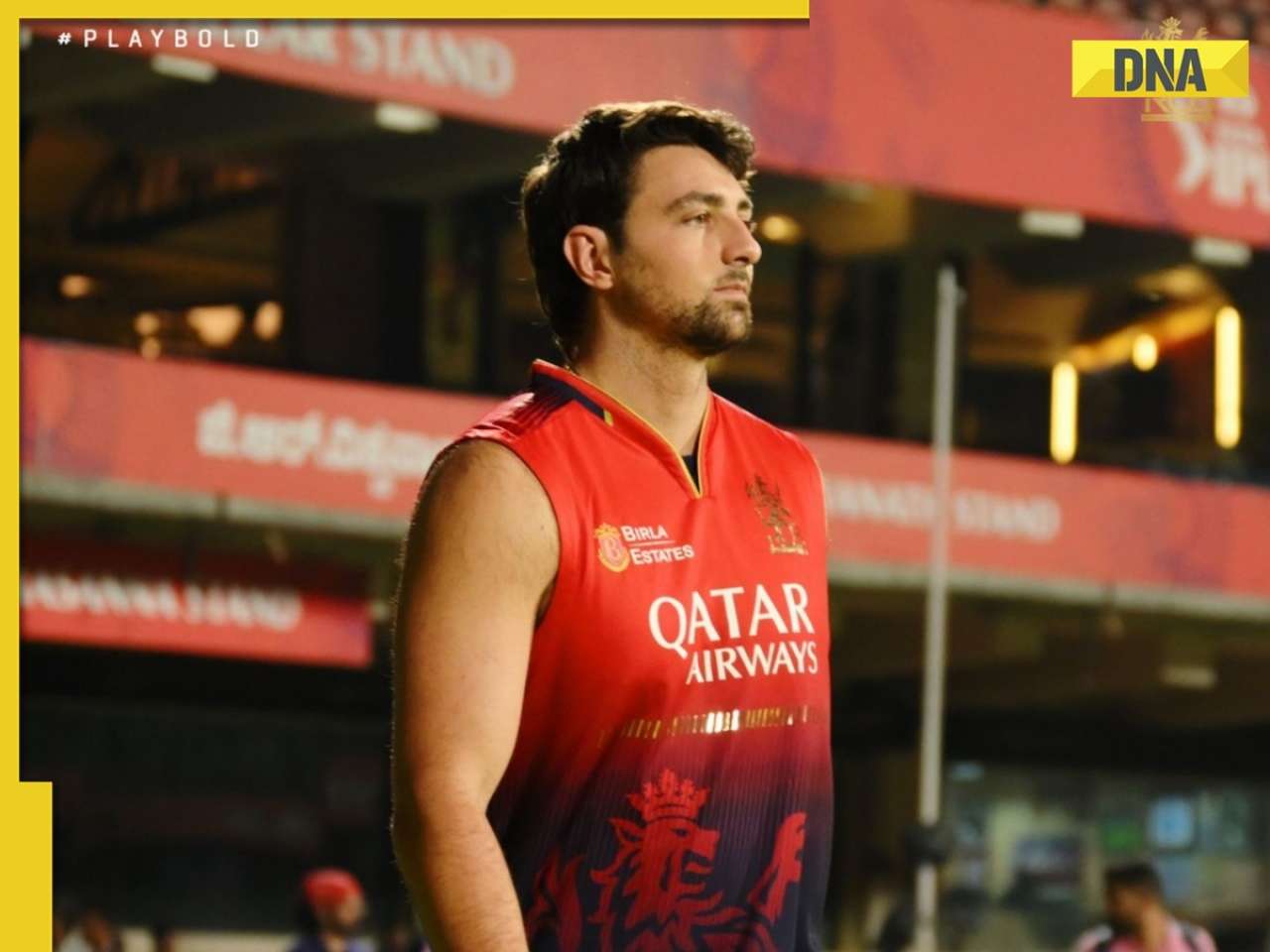
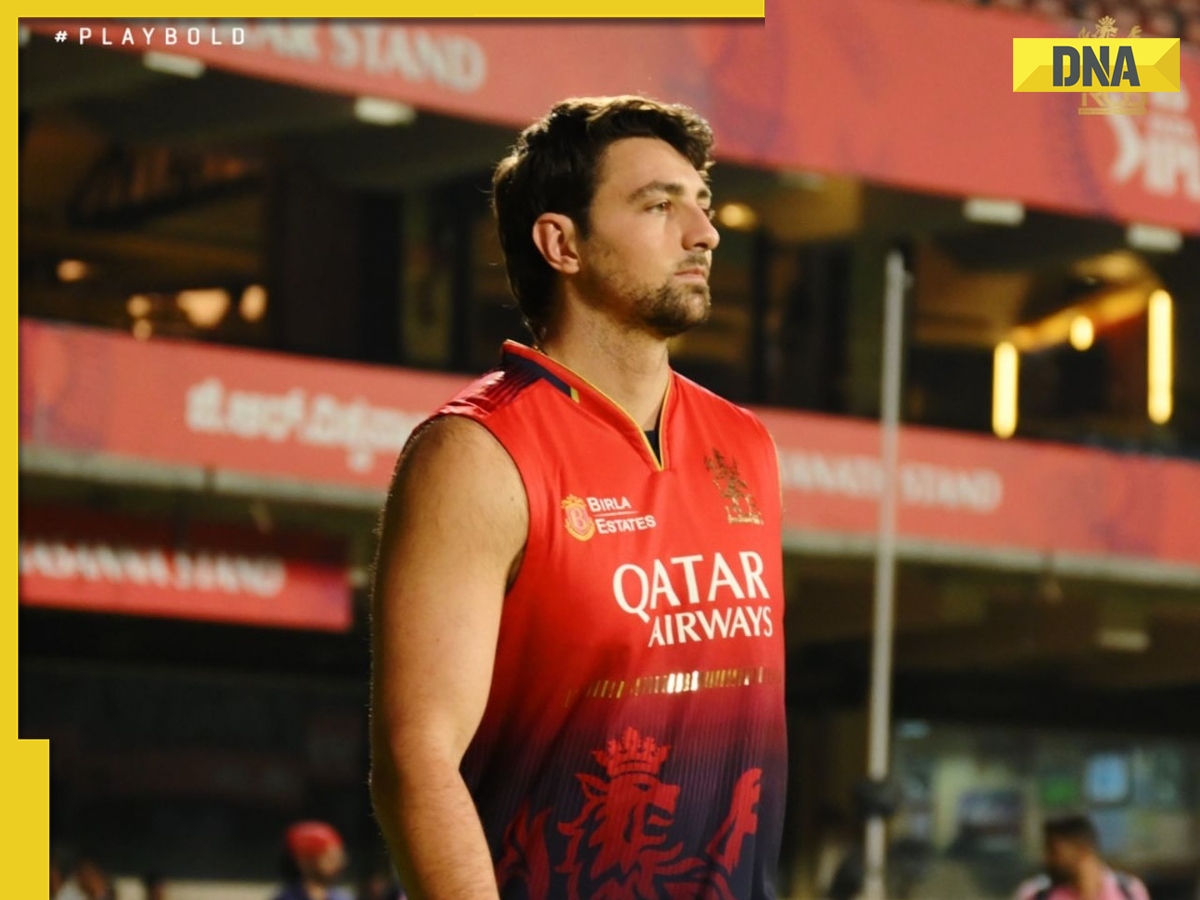
Main Facts: A Breach in the Heat of Victory
The crux of the matter revolves around an inappropriate gesture made by Tim David following Royal Challengers Bengaluru’s decisive victory over the Mumbai Indians. The match, played on a high-stakes Sunday, saw RCB emerge triumphant, a result that simultaneously dashed MI’s hopes of progressing to the playoffs. In the immediate aftermath of this significant win, as the cameras panned across the celebrating RCB dugout and players, David was captured making a gesture that was subsequently deemed "obscene, offensive or insulting" by the IPL match officials.
The violation falls under Article 2.6 of the IPL Code of Conduct, which specifically addresses actions involving gestures that are deemed inappropriate in a professional sporting environment. Such a breach is classified as a Level 1 offence, which typically carries sanctions ranging from an official warning to a fine of up to 50 percent of the match fee, alongside the accumulation of demerit points. In David’s case, the sanction included a 30 percent fine and two demerit points, a penalty he promptly admitted to and accepted, making the decision final and binding as per the league’s regulations.
)
This incident is not isolated, as the same match also saw RCB’s head coach, Andy Flower, penalised for a separate breach related to aggressive communication with the fourth umpire. These dual penalties from a single fixture underscore the IPL’s comprehensive approach to discipline, extending its purview beyond players to team officials as well, ensuring that the integrity of the league is upheld at all levels.
Chronology of the Incident: From High Stakes to High Controversy
The sequence of events leading to Tim David’s penalty provides a vivid illustration of how quickly emotions can escalate in competitive sport and the subsequent repercussions.

The Pivotal Match-Up: RCB vs. MI
The match between Royal Challengers Bengaluru and Mumbai Indians was more than just another league fixture; it was a battle with significant playoff implications. For RCB, a victory was crucial to solidify their position in the top half of the points table and strengthen their bid for a playoff spot. For MI, already languishing at the bottom, a loss would officially seal their elimination from contention. The atmosphere was palpable, charged with the intensity characteristic of an IPL rivalry. Both teams fought tooth and nail, showcasing moments of brilliance and resilience. Ultimately, RCB’s collective performance proved superior, securing a vital win that pushed them to the top of the points table with 14 points from 11 games, while simultaneously ending MI’s playoff aspirations.
The Moment of Controversy: A Gesture Captured
It was in the jubilant moments following RCB’s hard-fought victory that the incident involving Tim David unfolded. As the final ball was bowled and the celebrations erupted, the broadcast cameras, ever-present and meticulously capturing every reaction, focused on the players and support staff. It was during this period of unbridled joy and relief that David was observed making the offensive hand gesture. While the exact context or recipient of the gesture remains unclear, its nature was unambiguous enough to draw the attention of match officials and, more broadly, the viewing public. The instant nature of live television and subsequent social media dissemination ensured that the moment was almost immediately highlighted and scrutinized.
)
Social Media Storm: From Celebration to Criticism
In the age of digital media, any controversial moment in a high-profile sporting event quickly goes viral. Tim David’s gesture was no exception. Within minutes of its broadcast, clips and screenshots of the incident began circulating across platforms like X (formerly Twitter), Instagram, and various sports forums. The initial celebratory mood among RCB fans quickly mingled with widespread criticism from a broader audience, including rival team supporters and neutral observers. Many expressed disappointment, arguing that such behaviour was unbecoming of a professional cricketer, particularly in a league that prides itself on sportsmanship. The virality of the moment undoubtedly played a role in bringing the incident to the forefront, necessitating a swift response from the IPL authorities to address the public sentiment and uphold the league’s image.
IPL’s Swift Action: Disciplinary Proceedings Initiated
Following the online uproar and the official report from the match referee, the IPL’s disciplinary process was immediately activated. The Code of Conduct dictates that any potential breach is first reviewed by the match referee, who then assesses the available evidence, including video footage and eyewitness accounts. Once a prima facie case for a breach is established, the player or official concerned is informed and given an opportunity to respond. In this instance, the process was expedited due to the clear nature of the alleged offence and the player’s subsequent admission. The IPL’s proactive stance demonstrates its commitment to maintaining order and decorum, ensuring that competitive passion does not devolve into unsporting conduct.
)
Supporting Data and Precedents: The IPL’s Disciplinary Backbone
The IPL Code of Conduct is a comprehensive document designed to regulate the behaviour of players, team officials, and other personnel associated with the league. It outlines various levels of offences and corresponding penalties, serving as a robust framework for maintaining discipline and upholding the integrity of the game.
Understanding the IPL Code of Conduct: Article 2.6 and Level 1 Breaches
Article 2.6 of the IPL Code of Conduct specifically addresses "using a gesture that is obscene, offensive or insulting." This article is crucial in ensuring that players maintain a level of decorum and respect, even in moments of high emotion. Such gestures, whether directed at opponents, officials, or even towards the crowd, are deemed unacceptable as they detract from the professional image of the league and can incite negative reactions.
)
A Level 1 breach, under which Tim David’s offence falls, is considered a minor infringement but carries significant weight due to its potential to escalate or damage the league’s reputation. Penalties for Level 1 breaches typically include:
- An official reprimand.
- A fine ranging from 10 to 50 percent of the match fee.
- The accumulation of one or two demerit points.
The system is designed to be progressive, meaning repeated Level 1 offences or more serious breaches can lead to harsher penalties, including match suspensions.
)
The Demerit Point System Explained: A Cumulative Consequence
The demerit point system is a critical component of the IPL’s disciplinary framework, acting as a cumulative deterrent against repeated misconduct. Each demerit point carries significant weight, as their accumulation can lead to an automatic suspension. The rules are clear:
- Four demerit points accumulated within a single IPL season convert into a one-match suspension.
- If a player reaches eight demerit points within two separate seasons, it results in a two-match suspension.
- Further accumulation leads to increasingly severe bans.
These demerit points remain active for a period of 24 months from the date of the offence. For Tim David, the two demerit points mean he is now just two points away from a potential one-match suspension. This makes him acutely aware of his conduct in subsequent matches, adding an extra layer of responsibility to his actions on and off the field. The system ensures that minor breaches, if repeated, eventually lead to significant consequences, compelling players to adhere to the code consistently.
)
Past Disciplinary Actions in IPL: A Consistent Stance
The IPL has a well-documented history of enforcing its Code of Conduct rigorously, demonstrating a consistent stance against unsportsmanlike behaviour. While specific instances vary, the league has often come down hard on players and officials for transgressions ranging from dissent against umpires, verbal altercations, slow over-rates, and, of course, inappropriate gestures or celebrations.
For example, players have been fined for excessive appealing, throwing equipment in frustration, or engaging in heated arguments with opponents. These actions, while often born out of competitive fire, are consistently met with penalties to maintain the sanctity of the game. The league’s consistent application of its rules serves several purposes: it sets a clear standard for professional conduct, protects the image of the sport, and ensures fair play. The disciplinary actions against Tim David and Andy Flower are thus not isolated incidents but rather part of a broader, established pattern of strict enforcement that has become a hallmark of the IPL’s governance. This proactive approach reinforces the message that no player, regardless of their star status or the context of the match, is above the rules.
)
Official Responses and Statements: Admission and Acceptance
The immediate aftermath of a Code of Conduct breach involves formal communication and an opportunity for the accused to respond. In Tim David’s case, the process was straightforward, culminating in an official statement from the IPL.
The IPL’s Official Pronouncement
The Indian Premier League released a concise yet definitive statement detailing the sanctions imposed on Tim David. The statement unequivocally confirmed the breach and the corresponding penalty:
"Tim David, all-rounder, Royal Challengers Bengaluru, has been fined 30 percent of his applicable match fee and has also accumulated two demerit points for breaching Level 1 of the IPL’s Code of Conduct for Players and Team Officials. Tim was found to have breached Article 2.6 of the IPL’s Code of Conduct, which relates to ‘using a gesture that is obscene, offensive or insulting’. Tim admitted to the offence and accepted the sanction imposed by Match Referee, Amit Sharma."
)
This official communication leaves no room for ambiguity, clearly outlining the nature of the offence, the article violated, and the specific penalties. The inclusion of David’s admission is a critical element, as it streamlines the disciplinary process and signifies acceptance of responsibility.
Match Referee’s Role: The Arbitrator of Conduct
Match Referee Amit Sharma played a pivotal role in this disciplinary action. In the IPL, the match referee is the on-field arbiter of the Code of Conduct. Their responsibilities include:
)
- Observing player and team official conduct during and after the match.
- Receiving reports of potential breaches from umpires or other officials.
- Conducting investigations, including reviewing video evidence and speaking with involved parties.
- Determining whether a breach has occurred and imposing appropriate sanctions based on the Code of Conduct.
The match referee’s decision is often considered final and binding, especially when the accused admits to the offence. This system ensures quick resolution of disciplinary matters, preventing prolonged disputes and maintaining focus on the cricket. Sharma’s swift and decisive action in this case underscores the efficiency of the IPL’s disciplinary mechanism.
Royal Challengers Bengaluru’s Stance: Team Responsibility
While Royal Challengers Bengaluru did not issue a separate official statement regarding Tim David’s penalty, the team’s typical response in such situations is to accept the findings of the IPL. Teams generally understand and respect the league’s disciplinary framework. Internally, such incidents often lead to discussions within the team management about player conduct and the importance of adhering to the Code of Conduct. While competitive spirit is encouraged, teams are also responsible for ensuring their players represent the franchise and the league in a professional manner. The acceptance of the sanction by David implies that the team management is also on board with the decision, reinforcing the message of accountability within the RCB camp.
)
Tim David’s Acceptance: Taking Responsibility
Tim David’s admission to the offence and acceptance of the sanction is a crucial aspect of this incident. By accepting the penalty, David implicitly acknowledges his mistake and avoids a potentially lengthier and more complex disciplinary hearing. This act of taking responsibility is often viewed positively by sports authorities, as it demonstrates maturity and respect for the rules. It allows all parties to move forward without prolonged contention, enabling David to focus on his performance without the distraction of ongoing disciplinary proceedings. His acceptance also reinforces the legitimacy of the IPL’s disciplinary process.
Broader Implications and Future Outlook: A Message to the League
The penalties imposed on Tim David and Andy Flower extend beyond the individuals involved; they carry significant implications for the Royal Challengers Bengaluru, the broader IPL ecosystem, and the future conduct of all participants.
)
Impact on Player and Team: Reputation and Points
For Tim David, the immediate impact is a financial one, with a 30 percent deduction from his match fee. More critically, the two demerit points now place him on a disciplinary watchlist, meaning any further minor infraction could lead to a suspension. This will undoubtedly influence his behaviour in subsequent matches, encouraging a more cautious approach to celebrations and on-field conduct. For RCB, while the team’s on-field performance remains paramount, such incidents can subtly affect team morale or public perception. Maintaining a clean disciplinary record is part of a team’s overall brand image, and repeated transgressions by players or staff can detract from that. However, the swift resolution and David’s acceptance also allow the team to move past the incident quickly, focusing on their impressive form and playoff push.
Message to the League: Upholding Sportsmanship
The IPL’s decisive action against both a player and a coach from the same team within the same match sends a strong, unequivocal message to all franchises, players, and officials across the league. It reinforces the IPL’s unwavering commitment to upholding the highest standards of sportsmanship, fair play, and ethical conduct. In a league that garners immense global viewership and financial investment, maintaining its reputation for integrity is paramount. By penalising instances of inappropriate behaviour, the IPL demonstrates that competitive success must never come at the cost of the game’s spirit or its rules. This sets a clear precedent for all participants, reminding them that their actions are constantly under scrutiny and that the Code of Conduct will be applied consistently and fairly, irrespective of the player’s stature or the match’s significance.
)
The Andy Flower Parallel: A Broader Disciplinary Sweep
The simultaneous penalty handed to RCB’s head coach, Andy Flower, for breaching Article 2.3 (related to dissent or aggressive interaction with umpires) further underscores the comprehensive nature of the IPL’s disciplinary oversight. Flower was fined 15 percent of his match fee for an aggressive exchange with the fourth umpire in the 18th over of the same match. This dual disciplinary action suggests a broader sweep by the match officials to address any form of misconduct, whether from players on the field or officials in the dugout. It signals that the IPL is attentive to conduct at all levels of participation, ensuring that the entire ecosystem adheres to the prescribed standards. This consistent application of rules reinforces accountability across the board, from the highest-profile players to the most experienced coaching staff.
The Spirit of Cricket in the IPL: Balancing Passion and Propriety
Ultimately, these incidents highlight the delicate balance between the intense passion and competitive drive inherent in professional cricket and the overarching need to preserve the "Spirit of Cricket." The IPL, with its high stakes, passionate fans, and immense pressure, is a crucible where emotions often run high. While celebrating victory and expressing frustration are natural human reactions, the Code of Conduct serves as a crucial boundary, ensuring that these expressions remain within acceptable limits. The penalties imposed on Tim David and Andy Flower serve as timely reminders that while the IPL encourages fierce competition and memorable performances, it equally values respect, decorum, and the integrity of the game. As RCB continues its impressive run, the hope is that these disciplinary actions will contribute to a more disciplined and sportsmanlike environment, further enhancing the reputation of the league as a premier cricketing spectacle that champions both skill and character.
